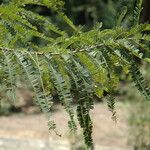
Phyllanthus emblica
Amla · Indian-gooseberry · Emblic · Emblic myrobalan · Myrabolan
Description
Source: leafsnapPhyllanthus emblica, commonly known as Indian gooseberry or amla, is a small to medium-sized deciduous tree native to India and Southeast Asia. It is highly valued in Ayurvedic medicine for its numerous health benefits and has been used for centuries in traditional Indian medicine. The tree produces small greenish-yellow flowers that bloom in the spring, followed by round green fruits that ripen to yellow-green or red. The fruit, known for its sour taste, is rich in vitamin C, antioxidants, and other beneficial compounds. Beyond its medicinal properties, Phyllanthus emblica also has culinary uses. The fruit can be eaten raw or cooked into chutneys and pickles. It is also used as an ingredient in various herbal remedies and beauty products. Overall, Phyllanthus emblica is an important plant with many medicinal and culinary applications. Its popularity continues to grow worldwide due to its numerous health benefits, including boosting immunity and potential cancer prevention, making it an essential plant for human consumption.
Care Guide
💧 Water Every 7 days
The Emblic plant originates from subtropical regions where it thrives in moderate humidity and can tolerate brief periods of drought. When watering, ensure you do so deeply every 2 to 3 weeks, allowing the soil to dry out between waterings. For indoor growth, keep the soil consistently moist but avoid waterlogging by using well-draining soil for optimal results.
How should I water my Emblic plant?
To ensure excellent root development, place a garden hose at the plant base, avoiding spraying the leaves directly. If the leaves are outdoors and exposed to direct sunlight, they will require more water. Use bubblers for each plant to moisten the roots, and soaker hoses to cover the entire garden or bed when adding or removing plants, allowing the roots to go deep. Drain excess water and let the soil dry before watering again. To prevent diseases, water at ground level. On a sunny day, consider spraying the entire bush with water. Regardless of being potted or in-ground, remember to provide Emblic plants with deep watering rather than light sprinkling.
What do I need to do if I give Emblic too much or too little water?
If an Emblic is overwatered, its leaves may turn yellow, drop off, and wilt. The plant may also appear dull and unhealthy, with mushy stems. When these signs start to show, it's best to adjust your watering schedule accordingly. Wilting can also indicate under watering, which is characterized by crispy and dry leaves. Conversely, overwatered plants will have soft and wilted leaves. If the soil is dry and simply watering is insufficient, give the plant a thorough watering in a timely manner. Sufficient water will help the Emblic recover, but the plant may still have dry and yellow leaves for a few days due to root damage. Once it returns to normal, the yellowing of leaves will cease. When growing an Emblic indoors, always check the moisture levels in the pot. Avoid overwatering and be vigilant for signs of black spots. If present, allow the soil to dry out for a few days before watering again. Overwatering can cause root rot, so if you notice discolored and slimy roots, it may be necessary to transfer the plant to a different pot. Avoid root rot by preventing the soil from becoming overly soggy. When planting an Emblic outdoors, make sure to dig a little deeper. If you find that the soil is too dry when checking with your fingers, it may indicate that the plant is being underwatered. Adequate watering is necessary to help the plant recover.
How frequently should I water my Emblic plant?
The Emblic plant prefers deep and infrequent watering, especially when grown in pots. Potted plants have limited water storage, so the soil dries out faster and requires watering every 3 to 5 days in cold regions. It is best to water the plant early in the morning when the soil is dry, both indoors and outdoors. You can check the soil moisture by feeling the top 2-3 inches - if it's dry, it's time to water. On hot days, check the moisture daily as high temperatures can quickly dry the soil in the pot. If you have Emblic plants in a garden, irrigation is also necessary. In hot climates, water them once a week. Only water when you notice the top 2-3 inches of soil becoming too dry, and avoid adding water if the plant has received sufficient rainfall to prevent root rot. Emblic plants typically grow during spring and fall. When planting them outdoors, add a 3-4 inch layer of mulch to conserve water. Sandy soil drains faster, so plants in sandy soil may need more frequent watering. On the other hand, clay soil retains water better, so plants in clay soil can go 2-3 days without watering to avoid root rot. To help you keep track of watering, mark the date on a calendar and pay attention to any drooping leaves, which may indicate that watering is needed.
How much water does my Emblic plant need?
The Emblic generally needs about a gallon of water on a regular basis. For potted plants, water them deeply until water drips from the bottom of the pot, then wait for the soil to dry before watering again. You can use a water calculator or moisture meter to determine how much water you've given your plant in a week. During the flowering period, provide plenty of water but allow the moisture to evaporate to prevent root rot. If the Emblic is planted outdoors and receives adequate rainfall, it may not need additional watering. When the Emblic is young or newly planted, make sure it gets 1-2 inches of rain per week. As the Emblic grows, it can rely solely on rainfall. Only water it fully during cooler moments of the day when the weather is excessively hot or if there has been no rainfall for 2-3 weeks to prevent damage from high heat. Additional watering will be necessary during extended dry periods.
Should I change how often I water my Emblic plant based on different seasons or climates?
The Emblic plant prefers to be outdoors in rainy conditions, but can tolerate dry weather. During the spring and fall, it needs moist soil that is not too soggy. Alternating between dry and moist soil conditions is beneficial for its growth. In the summer, hot weather can cause water to evaporate quickly, so extra watering may be necessary if there is limited rainfall. During the winter, the Emblic needs less water and can be planted in soil that drains well. Once it becomes dormant and loses its leaves, watering can be skipped and it can rely on rain for survival. In the spring, watering can be resumed to encourage growth and blooming. It is important to ensure good drainage at all times to prevent ponding or drought. When planted in pots, the Emblic has limited root growth and needs regular watering, especially in the summer. Deep soaking once or twice a week is ideal, avoiding shallow sprinkles that reach the leaves. The plant should not be allowed to completely dry out in the fall or winter, even during dormancy. Adequate drainage is important to prevent the roots from becoming cold and wet, and mulch can be applied to reduce stress and conserve water.
☀️ Light Full sun
Emblic needs a substantial amount of daily sunlight to do well. Its preferred growing conditions resemble its native surroundings, which are exposed to abundant sun. Lack of sufficient light can prevent healthy development, and too much light can also be damaging, for instance causing leaf scorch.
What are the sunlight requirements for Emblic?
Emblic requires full sunlight, which means it should receive above 6 hours of sunlight daily to thrive optimally. It's essential to monitor how sunlight moves through your garden and choose locations that provide a perfect balance of light and shade, ensuring the plants' well-being. Emblic's healthy growth is maximized in its native habitat conditions, which include ample sunlight. However, both inadequate and excessive sunlight exposure can harm the plant, causing issues like hindered growth and leaf scorch.
How can artificial lighting benefit indoor Emblic plants?
Indoor Emblic plants benefit significantly from artificial lighting, especially when natural sunlight is insufficient, such as in winter or in less sunny spaces. Artificial lights, like LED lights, are crucial for promoting faster, healthier growth by providing the specific wavelengths of light that plants need. The amount of artificial light required varies depending on the plant type: full sun plants need 30-50W/sq ft, partial sun plants need 20-30W/sq ft, and full shade plants need 10-20W/sq ft. Proper placement (12-36 inches above the plant) and duration (mimicking natural daylight hours, typically 8-12 hours per day) are important factors to consider.
What are the symptoms of inadequate light in Emblic plants?
Emblic plants show several symptoms when exposed to inadequate light, such as smaller new leaves, leggy or sparse growth leading to a stretched-out appearance, faster leaf drop, halted or delayed growth, lighter-colored new leaves, and conditions like chlorosis, sunscald, leaf curling, wilting, and leaf scorching. These symptoms indicate the plant's struggle with insufficient sunlight, affecting its overall health and growth.
How can I solve the problem of inadequate sunlight for my Emblic plant?
To address inadequate sunlight for Emblic plants, indoor solutions include gradually moving the plant to sunnier locations each week until it gets at least 6 hours of direct sunlight daily, using a south-facing window for maximum exposure, and supplementing with artificial light if necessary. Outdoors, gradually adapt your plants to sunnier spots to avoid sunburn. Removing obstructions and considering transplanting during the plant's dormant period can also improve sunlight access. Note that parts of the plant affected by previous low light exposure may not recover, but new growth should be healthy with improved light conditions.
🌡️ Temperature 20–37.8°C
Emblic is indigenous to regions where temperatures typically range from 68 to 100 °F (20 to 38 ℃). It prefers a consistently warm environment, making it well suited to temperate conditions. Adjustments may be necessary in colder seasons to maintain optimum temperature.
What is the optimal temperature range for an Emblic plant?
Emblic plants thrive in climates where the temperature usually ranges between 68 and 100 °F (20 to 38 °C). They prefer consistently warm environments, making them ideal for temperate conditions. In colder seasons, it may be necessary to make adjustments to keep the plant within its optimal temperature range. During winter, ensuring the temperature remains above 20°C is beneficial for the plant's growth.
How should I care for Emblic plants during autumn and winter?
In the autumn, it is advisable to bring Emblic plants grown outdoors inside to protect them from the cold. They should be placed near a bright window but kept at a distance from heaters to avoid harm. During winter, maintaining a temperature above 20°C is beneficial for the plant's growth, while exposure to temperatures near 5°C or lower is detrimental. Any contact with cold temperatures can cause damage.
What are the symptoms and solutions for Emblic plants exposed to low temperatures?
Exposure to low temperatures can cause the leaves of an Emblic plant to lighten in color, and frost damage may turn the leaves brown or black. Symptoms also include wilting and drooping. If your plant suffers from frost damage, trim off the affected parts and move the plant immediately indoors to a warm environment for cold protection. Placing the plant near a south-facing window ensures ample sunlight, but avoid placing it near heaters or air conditioning vents to prevent air dryness.
How do I protect my Emblic plant from high temperatures?
Emblic plants should be kept below 38°C during hot summers. When temperatures exceed 43°C, the leaves may lighten in color and the plant becomes prone to sunburn. To protect your plant, trim away the sunburned and dried-up parts and move it to a location that provides shade during the midday and afternoon sun. Additionally, watering the plant in the morning and evening helps keep the soil moist and aids in cooling the plant.
💨 Humidity
🪴 Soil 6-7
🌱 Fertilizer
Use organic fertilizers (e.g., fish emulsion, compost) instead of chemical ones for Emblic. Give young plants higher levels of nitrogen and phosphorus in spring. Mix compost or fertilizer into the soil before or after planting. For mature plants, add a balanced fertilizer in spring or one specific to any deficiencies. Nutrient deficiency leads to small leaves, short branches, yellow or bronze foliage, acidic fruits, early fruit drop, and fruit splitting.
🪴 Pot & Repot
✂️ Pruning
Emblic trees produce light green fruits and offer various medicinal benefits. To keep them healthy and productive, prune them in late winter by removing dead branches, thinning out crowded areas, and shaping the tree for better growth. Regular pruning helps maintain the tree's health, increases fruit yield, and prevents pest infestations. Always use clean, sharp tools to ensure precise cuts.
🌿 Propagating
🐛 Diseases & pets
☠️ Toxicity
Characteristics
- Plant Type
- Tree
- Life Cycle
- Perennial
- Genus
- Phyllanthus
- Family
- Phyllanthaceae
- Hardiness Zone
- 10-12
- Mature Height
- 7.92 m
- Mature Spread
- 7.01 m
- Leaf Color
- Light Green, Pale Green
- Leaf Type
- Deciduous
- Flower Color
- Yellow, Green
- Flower Size
- 0.25 cm to 0.51 cm
- Bloom Time
- Mid spring, Late spring
- Planting Time
- Spring, Summer, Autumn, Winter
- Harvest Time
- Late summer, Early fall, Mid fall
- Native Area
- Sri Lanka, India, Indonesia, Cambodia, Vietnam, Mongolia, Bangladesh, Laos, Pakistan, Thailand, China