Phyllospadix scouleri
Scouler's Surf-Grass · Scouler's surfgrass · Surf Grass
Description
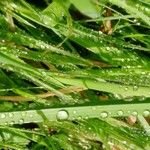
Source: leafsnapPhyllospadix scouleri, commonly known as Scouler's surfgrass, is a species of seagrass native to the Pacific coast of North America. It thrives in intertidal and subtidal zones, particularly in rocky areas, where it can form dense beds that provide essential habitats for a variety of marine organisms. The plant features long, narrow leaves that can grow up to 1 meter in length, arranged in tufts at the base. During the summer months, it also produces small flowers on long stalks that extend above the water's surface. Scouler's surfgrass plays a crucial role in stabilizing shorelines and preventing erosion by absorbing wave energy with its dense root system. Furthermore, it contributes to improving water quality by filtering pollutants from runoff before they enter coastal ecosystems. Despite its ecological significance, Phyllospadix scouleri populations have been declining due to human activities such as coastal development and pollution. Therefore, conservation efforts are essential for its survival.
🎭 Psychic abilities, protection. It represents food, concealment and resilience.
Care Guide
💧 Water Every 7 days
Scouler's surfgrass, native to coastal marine environments, thrives best with regular moisture and should be watered weekly to maintain its health. As an aquatic plant, its growth is heavily influenced by water availability. Therefore, monitoring water conditions is crucial for ensuring its optimal vitality.
☀️ Light Full sun
Scouler's surfgrass is found in habitats with plentiful sunlight, such as the shallow margins of ponds and lakes. It favors full sun conditions, though it can also tolerate partial sun.
What are the sunlight requirements for Scouler's surfgrass?
Scouler's surfgrass, botanically known as Phyllospadix scouleri, thrives in conditions that provide full sun, requiring above 6 hours of sunlight daily, but it can also tolerate partial sun, with about 3-6 hours of sunlight. It's essential to observe the patterns of sunlight movement through your garden to find the ideal spots that offer a balance of light and shade, ensuring the plants are happy and healthy. This perennial herbaceous plant is often found in open habitats such as meadows and grasslands, showcasing its preference for sunlit environments.
How can artificial lighting be used for indoor plants?
Artificial lighting serves as a crucial solution for indoor plants, especially when natural sunlight is insufficient, like during winter or in less sunny spaces. LEDs are a favorable option for indoor lighting, as they can be customized to provide specific light wavelengths needed by plants. Full sun plants require 30-50W/sq ft, partial sun plants need 20-30W/sq ft, and full shade plants require 10-20W/sq ft of artificial light. Position the light source 12-36 inches above the plant to replicate natural sunlight and ensure the lighting mimics the natural daylight hours, typically 8-12 hours per day, to promote optimal growth.
What are the symptoms of inadequate light for Scouler's surfgrass?
Scouler's surfgrass displays multiple symptoms when it experiences inadequate lighting, including smaller new leaves, leggy or sparse growth, faster leaf drop, slower or no new growth, paler new leaves, chlorosis (leaves turning yellow), sunscald, leaf curling, wilting, and leaf scorching. These symptoms can be indicative of the plant not receiving enough light, being overexposed to sunlight, or struggling with other light-related stressors. It's crucial to monitor these signs closely to ensure the health and well-being of your Scouler's surfgrass.
What solutions exist for improving light conditions for Scouler's surfgrass?
Improving light conditions for Scouler's surfgrass involves several approaches. Indoors, gradually move the plant to a sunnier spot each week until it gets at least 6 hours of direct sunlight daily, using a south-facing window for maximum exposure. Artificial lighting, like desk lamps or grow lights, can be used for at least 8 hours daily if the plant is large or immovable. Outdoors, gently transition your plants to sunnier locations weekly to prevent sunburn. Managing obstructions, such as pruning trees or relocating plants, can also significantly enhance sunlight access. Transplanting smaller plants during their dormant period to sunnier spots can improve light exposure and plant health.
🌡️ Temperature 15–37.8°C
Scouler's surfgrass can tolerate a broad range of temperatures, but its distribution can still be restricted by particular combinations of moisture and heat. It performs best in warm summer conditions with sufficient rainfall or watering. Extended periods of cloudy, rainy weather or prolonged high temperatures increase the risk of Scouler's surfgrass dying. In winter, protecting the plant from cold can improve its chances of survival.
💨 Humidity
🪴 Soil
🌱 Fertilizer
Scouler's surfgrass needs balanced nutritional fertilizers to ensure healthy rhizome and foliage growth. For best results, provide light feeding in early spring and add a booster in midsummer. Be sure to follow the product instructions for the correct amount to prevent eutrophication. It's also important to dissolve the fertilizers in water to avoid direct contact with the roots.
🪴 Pot & Repot
✂️ Pruning
Scouler's surfgrass is a marine plant characterized by its ribbon-like leaves, commonly found in intertidal zones. To maintain its health, it is best to prune it in the spring by removing any dead foliage. When pruning, make sure to cut above the healthy tissue. Proper pruning promotes growth, reduces the risk of disease, and helps stabilize sandy substrates. For more detailed information, consult reliable horticultural sources.
🌿 Propagating
🐛 Diseases & pets
☠️ Toxicity
Characteristics
- Plant Type
- Herb
- Life Cycle
- Perennial
- Genus
- Phyllospadix
- Family
- Zosteraceae
- Hardiness Zone
- 8-11
- Mature Height
- 10 cm
- Mature Spread
- 20 cm to 40 cm
- Leaf Color
- Dark Green, Sea Green
- Leaf Type
- Evergreen
- Bloom Time
- Late spring, Early summer, Mid summer
- Planting Time
- Spring, Summer, Autumn
- Harvest Time
- Late summer, Early fall, Mid fall
- Native Area
- Mexico