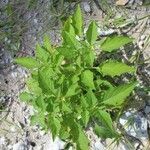
Physalis angulata
فیسالیس · Cutleaf groundcherry · Balloon-cherry · Gooseberry · Angular winter-cherry
Description
Source: leafsnapPhysalis angulata is an erect, herbaceous, annual plant belonging to the nightshade family Solanaceae. It reproduces by seed. Its leaves are dark green and roughly oval, often with tooth shapes around the edge. The flowers are five-sided and pale yellow; the yellow-orange fruits are borne inside a balloon-like calyx. It is native to the Americas, but is now widely distributed and naturalized in tropical and subtropical regions worldwide. The plant produces edible fruit that can be eaten raw, cooked, jammed, etc. However, all other parts of the plant are poisonous. Members of the Toba-Pilagá ethnic group of Gran Chaco traditionally eat the ripe fruits raw.
🌳 One lesser-known aspect of cutleaf groundcherry is its potential role as a bioindicator of soil health and heavy metal contamination. The plant has been observed to preferentially absorb certain metals, such as nickel and copper, making it useful for monitoring soil pollution levels and for bioremediation.
🎭 Security, ease and safeguarding
Care Guide
💧 Water
The cutleaf groundcherry, which comes from a moderately moist habitat, thrives best in well-drained soil with weekly watering. It can grow successfully both indoors and outdoors. Applying mulch during its growing season helps retain moisture, promoting optimal growth and resilience.
How should I water my Cutleaf groundcherry plant?
To water Cutleaf groundcherry, you have several options: you can use a garden hose with a spray nozzle, a watering can, or any common watering tool. Cutleaf groundcherry is not too particular about the source of water it receives, whether it's rainwater, tap water, or filtered water. However, it's important to avoid watering this plant from above as it may harm the leaves and flowers and even lead to disease. A drip irrigation system is often the best method for watering, ensuring even and direct application of water to the soil. When dealing with a Cutleaf groundcherry in a container, you can follow a similar watering approach but change the tools you use, such as using a cup, watering can, or tap, to water the soil directly.
What should I do if I give my Cutleaf groundcherry plant too much water or too little water?
To remedy underwatering for Cutleaf groundcherry, the solution is simple: start watering it regularly when you notice it lacks moisture. However, overwatering is a more serious problem, especially if not detected early. Overwatering can lead to diseases, causing the plant to decline and eventually die. To prevent this, choose a suitable location for planting with adequate sunlight to dry the soil and good drainage to prevent water from pooling. If your potted Cutleaf groundcherry is overwatered, consider transferring it to a new pot. The previous container may have poor drainage or lacked sufficient drainage holes. When repotting, ensure loose soil and an efficiently draining pot are used.
How frequently should I water my Cutleaf groundcherry?
To keep your Cutleaf groundcherry healthy and thriving, it's important to water it consistently throughout the growing season. In the spring, you'll want to water it about once a week. As the weather gets warmer, you may need to increase the frequency to two to three times per week. However, it's crucial not to exceed this rate as it can harm the plant. Regardless of how often you water, make sure the soil remains moist but not overly wet. If your Cutleaf groundcherry is in a pot, watering requirements are slightly different. Potted plants tend to dry out faster, so you'll need to water them more frequently. In most cases, plan to water a container-grown Cutleaf groundcherry a few times per week, compared to just once per week for an in-ground plant.
How much water does my Cutleaf groundcherry plant require?
There are multiple methods for deciding how much water to give your Cutleaf groundcherry. One approach is to feel the soil and water until the first six inches are moist. Another option is to use a set measurement, such as approximately two gallons per week, adjusting for heat and soil dryness. However, following strict guidelines can lead to overwatering. When growing in a container, ensure all soil layers are moist, either by feeling the soil or noticing water exiting the drainage holes.
How do I know if I'm watering my Cutleaf groundcherry enough?
Cutleaf groundcherry can be tricky to water properly. On one hand, their deep roots need to be moistened weekly. However, these plants are highly prone to root rot, which can cause browning. While underwatering is less of a concern, as these plants can survive without much water, they will wilt and develop dry leaves if left without water for too long.
☀️ Light Full sun
Cutleaf groundcherry does best when it gets plenty of sunlight throughout the day, reflecting the brightness of its original habitats—open fields and forests. Excessive sun won’t harm it, but insufficient light can impede its growth.
What are the sunlight requirements for Cutleaf groundcherry?
Cutleaf groundcherry requires above 6 hours of sunlight to thrive, highlighting the importance of full sun exposure for its growth. It's essential to monitor the movement of sunlight through your garden carefully to ensure that your plants receive a harmonious balance of light and shade. This balance is crucial for their health and happiness. The plant originates from environments like open fields and forests, where sunlight is abundant. Although it can handle overexposure to sunlight, a lack of adequate sunlight may impede its growth.
How does artificial lighting support the growth of indoor Cutleaf groundcherry plants?
Indoor Cutleaf groundcherry plants require adequate lighting, particularly when natural sunlight is insufficient, such as in winter or less sunny spaces. Artificial lighting serves as an essential supplement, promoting faster and healthier growth. Opting for the right type of artificial light, like LED lights, allows customization to provide specific wavelengths needed by the plants. Full sun plants need 30-50W/sq ft, partial sun plants 20-30W/sq ft, and full shade plants 10-20W/sq ft of artificial light. The correct placement involves having the light source 12-36 inches above the plant, and mimicking natural daylight hours is recommended, with most plants needing 8-12 hours of light per day.
What are the common symptoms of inadequate light in Cutleaf groundcherry?
When Cutleaf groundcherry is cultivated indoors and doesn't receive sufficient light, several symptoms can occur, including smaller new leaves, leggy or sparse growth, faster leaf drop, slower or halted new growth, and lighter-colored or chlorotic leaves. These symptoms indicate light deficiency. Chlorosis refers to the leaves losing their green color and turning yellow due to a breakdown of chlorophyll, which affects photosynthesis. Excessive sunlight can cause sunscald, leaf curling as a defense mechanism, wilting due to increased transpiration, and leaf scorching, evidenced by brown, dry, and crispy leaf edges.
What solutions can address light deficiencies in Cutleaf groundcherry?
To remedy light deficiencies in Cutleaf groundcherry, you can gradually move indoor plants to sunnier locations each week until they reach at least 6 hours of direct sunlight daily, using a south-facing window for maximum exposure. If the plant is large or not easily movable, consider supplementing with artificial light, keeping a lamp on for at least 8 hours daily or investing in professional grow lights. For outdoor plants, moving them gradually to sunnier spots helps avoid sunburn. To maximize sunlight for ground plants, identify and reduce obstructions such as overhanging branches, or consider transplanting smaller plants to sunnier locations with good drainage during their dormant period.
🌡️ Temperature 15–37.8°C
Cutleaf groundcherry is native to habitats with temperatures between 68 and 100 °F (20 to 38 ℃). This species prefers warm conditions and will need additional warmth during cooler seasons.
What is the native temperature range for Cutleaf groundcherry?
Cutleaf groundcherry thrives in environments where temperatures range from 68 to 100 °F (20 to 38 °C). This plant prefers warm conditions and requires measures to maintain heat during cooler seasons to ensure optimal growth.
Does Cutleaf groundcherry have any cold tolerance?
Yes, Cutleaf groundcherry possesses some degree of cold tolerance and generally does not need any additional protection when the temperature is above a certain tolerable growing minimum. However, if temperatures are expected to fall below this minimum threshold, temporary cold protection measures such as wrapping the plant with plastic film, fabric, or other suitable materials should be implemented. These protective measures must be removed once the temperature rises again.
How should you care for Cutleaf groundcherry during low temperatures?
Cutleaf groundcherry exhibits moderate tolerance to low temperatures, but it thrives best when temperatures are kept above a specific suitable growth minimum. During winter, it is important to ensure the temperature stays above the tolerable growing temperature minimum. Should the temperature drop below the limit growth temperature, the plant's leaves may begin to droop and in severe cases, wilt and fall off. To mitigate frost damage, trimming off the damaged parts is advised. Furthermore, wrapping the plant with non-woven fabric or cloth and constructing a wind barrier for cold wind protection before the cold season can help maintain its health.
What should you do if Cutleaf groundcherry experiences high temperatures?
During the summer, it is crucial to keep Cutleaf groundcherry below a certain suitable growth temperature maximum. Exceeding the tolerable growth temperature maximum can cause the leaves to lighten in color, dry and wither at the tips, curl, and increase the plant's susceptibility to sunburn. To counteract damage from high temperatures, trim away the sunburned and dried-up parts. Relocate the plant to a shaded area during midday and afternoon sun or use a shade cloth for protection. Additionally, watering the plant in the morning and evening to maintain soil moisture is beneficial.
💨 Humidity normal (40-60%)
This plant will thrive in moderate humidity, which is probably the level in your home. However, misting it a few times a week can be very beneficial. Make sure the room has good ventilation.
🪴 Soil 5-7
🌱 Fertilizer
Cutleaf groundcherry responds well to regular, light applications of fertilizer to encourage healthy leaf development. You should apply fertilizer to Cutleaf groundcherry roughly once a month during the summer. Nitrogen is essential for foliage, and providing nitrogen-rich sources helps Cutleaf groundcherry thrive.
🪴 Pot & Repot
✂️ Pruning
🌿 Propagating
🐛 Diseases & pets
☠️ Toxicity
Characteristics
- Plant Type
- Herb
- Life Cycle
- Annual, Perennial
- Genus
- Physalis
- Family
- Solanaceae
- Hardiness Zone
- 8-11
- Mature Height
- 30 cm to 49 cm
- Mature Spread
- 30 cm
- Leaf Color
- Green
- Leaf Type
- Deciduous
- Flower Color
- Yellow
- Flower Size
- 0.76 cm to 1.02 cm
- Bloom Time
- Early summer, Mid summer
- Planting Time
- Spring
- Harvest Time
- Mid summer, Late summer
- Native Area
- Egypt, Belize, Honduras, Mexico, Guatemala, Peru, Dominican Republic, Panama, Jamaica, Colombia, Bahamas, Cuba, Haiti, Bolivia, Venezuela, Brazil, Guyana, Oman, El Salvador, Nicaragua, Ecuador, Costa Rica