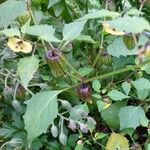
Physalis philadelphica
Tomatillo · Husk-tomato · Tomatillo ground-cherry · Large-flower tomatillo · Mexican Ground-Cherry
Description
Source: leafsnapPhysalis philadelphica, commonly known as the tomatillo or Mexican husk tomato, is a plant species native to Mexico and Central America. This plant belongs to the nightshade family and is closely related to tomatoes. It typically grows between 1 to 2 meters tall and has a sprawling habit with branches that can spread out to 1 meter wide. The fruit of Physalis philadelphica is enclosed in a papery husk that turns brown when ripe. The fruit itself is small, round, and green when unripe, maturing to a yellow or purple color. It has a tart flavor with hints of citrusy sweetness. The plant prefers full sun exposure but can also tolerate partial shade in hot climates. It thrives in well-drained soil with moderate moisture levels for optimal growth. Physalis philadelphica has been cultivated for centuries by indigenous people in Mexico as an important food crop used in various traditional dishes such as salsa verde and mole sauce. In recent years, it has gained popularity worldwide due to its unique flavor profile and versatility in cooking. In addition to its culinary uses, Physalis philadelphica also possesses medicinal properties, such as anti-inflammatory effects, due to its high content of flavonoids like quercetin and kaempferol. Overall, Physalis philadelphica is an intriguing plant species offering both culinary delights and potential health benefits for those who consume it regularly.
🌳 Tomatillo, commonly known as the key ingredient in salsa verde, has also long been used in Mexico to dye wool yellow because of its natural pigment. Studies indicate tomatillo is rich in vitamins and antioxidants, creating opportunities for pharmaceutical and cosmetic product development. Additionally, its high nutrient content makes it a valuable feed source for animals.
🎭 Security, ease and safeguarding
Care Guide
💧 Water Every 7 days
Tomatillos thrive in consistently moist soil, but it's important to prevent waterlogging. They need to be watered weekly, as they are neither drought-tolerant nor require high humidity. Typically grown outdoors, tomatillos benefit from natural rainfall, which usually meets their hydration needs for optimal growth during the growing season.
How should I water my Tomatillo plant?
The Tomatillo has specific water preferences and is also particular about how you water it. If you don't use the correct watering technique, you could end up damaging your tomatoes. To water Tomatillo properly, it is best to apply water directly to the soil in a slow and gentle manner. Avoid pouring all the water at once or using overhead watering. While you should water slowly, it is important to water deeply to ensure the entire soil surrounding your Tomatillo is adequately moist.
What should I do if I give my Tomatillo plant too much or too little water?
If you notice that you have given too much water to your Tomatillo plant and are worried about the risk of disease, there are a few steps you can take. First, it's often best to uproot the plant from its current spot and let its roots dry out a bit before replanting it in a new location with well-draining soil. If you're growing the Tomatillo in a pot, you might also consider moving it to a pot with better drainage. Conversely, if you're not giving your plant enough water, simply increase the frequency of watering it.
How frequently should I give water to my Tomatillo plant?
Tomatillo needs a lot of water during its growing season. To meet this need, you should water it frequently in the spring and summer. At the beginning of the season, water it once or twice a week. As the season goes on, increase the frequency of your watering. In the summer, depending on the weather, you may need to water it twice a day or more. Once your Tomatillo is done with its major growth phases, you can reduce the watering to about once a week until the end of the season.
How much water does my Tomatillo plant need?
Tomatillos are very popular plants, and many gardeners, both professional and amateur, have successfully grown them. Because of this, we have a good understanding of how to care for these plants, including knowing how much water they need. On average, a Tomatillo plant should receive about 1 - 1.5 inches of water per week, which should be evenly spread throughout the week when watering. As the weather gets warmer, you may need to give them more water, but normally, two inches per week is a good amount to start with.
How do I know if I am giving enough water to my Tomatillo plant?
Both underwatering and overwatering can cause problems for your Tomatillo plant, and they often have similar symptoms. For instance, overwatering or underwatering can result in foliage discoloration and wilting. When your Tomatillo is underwatered, you will notice its leaves curling and drooping initially. Additionally, the leaves may become less vibrant. Underwatering can also inhibit growth and overall development because Tomatillo plants require a substantial amount of water, including their flowers. On the other hand, overwatering is more likely to lead to diseases like rot, and you might detect unpleasant odors coming from the soil. The symptoms of underwatering become apparent more quickly than those of overwatering. Furthermore, if you observe excessive standing water or waterlogged soil, it is likely an indication of overwatering.
☀️ Light Full sun
Tomatillos thrive best when they are exposed to ample sunlight each day, which promotes healthy growth. Their native habitat receives a substantial amount of sunlight daily. They can tolerate moderate light, but too much or too little can impede their growth and development.
What are the sunlight requirements for tomatillo plants?
Tomatillo plants thrive best in environments that mimic their native habitat, which is characterized by ample sunlight. They require full sun, defined as more than 6 hours of sunlight per day, to support healthy growth. Though tomatillos can also tolerate partial sun, approximately 3-6 hours of sunlight daily, their growth and development may not be as robust. It's essential to observe how sunlight moves through your garden and select locations that offer a mix of light and shade to meet the needs of your plants effectively.
What should I do if natural sunlight is insufficient for my tomatillo plants?
If your tomatillo plants are indoors or in a location where natural sunlight is insufficient, especially during winter or in less sunny spaces, artificial lighting can be a vital solution. Indoor plants benefit significantly from adequate lighting for optimal growth. LED lights are a popular choice because they can be customized to provide specific wavelengths of light needed by plants. For full sun plants, you'll need 30-50W/sq ft of artificial light, partial sun plants require 20-30W/sq ft, and full shade plants need 10-20W/sq ft. Ensure the light source is placed 12-36 inches above the plant and mimic natural daylight hours, with most plants needing 8-12 hours of light per day.
What are the common symptoms of inadequate light in tomatillo plants?
Tomatillo plants not receiving enough light may exhibit several symptoms indicating stress due to light deficiency. New leaves might grow smaller, and the plant could become leggy or show sparse growth due to longer spaces between leaves or stems. There might be an accelerated leaf drop as the plant attempts to conserve resources, coupled with slower or no new growth as it enters survival mode. Pale or irregularly colored new leaves indicate a lack of chlorophyll. Exposure to excessive sunlight might cause chlorosis, or yellowing of leaves, sunscald, leaf curling, wilting, and leaf scorching, evidencing the delicate balance required in providing tomatillos with the right amount of sunlight.
How can I improve my tomatillo plant's light exposure?
To improve light exposure for tomatillo plants, gradually introduce them to sunnier locations, aiming for at least 6 hours of direct sunlight daily. Use a south-facing window and keep curtains open during the day for indoor plants. For those large or not easily movable, consider supplementing with artificial light, such as desk, ceiling lamps, or professional plant grow lights, for at least 8 hours a day. Outdoors, move plants gradually to avoid sunburn, and if obstructions like trees block sunlight, think about pruning. For plants in the ground, especially smaller ones, transplanting during the dormant period with good drainage and ample sunlight can also help.
🌡️ Temperature 15–37.8°C
Tomatillo is native to temperate regions and prefers temperatures between 68 to 100 °F (20 to 38 ℃). The plant thrives in warm climates. Seasonal temperature adjustments may be necessary to maintain optimal growing conditions.
What is the preferred growing temperature for Tomatillo?
Tomatillo, known botanically as Physalis philadelphica, thrives in temperate regions and prefers temperatures ranging from 68 to 100 °F (20 to 38 °C). It is well-suited to warm climates and has strong cold resistance, making it adaptable to various conditions. To ensure optimal growth, seasonal temperature adjustments might be necessary. Even though Tomatillo is cold-resistant, if winter temperatures are expected to drop below the plant's tolerance limit, it's important to provide cold protection by covering the plant with materials like soil or straw. Additionally, watering the plant abundantly before the first freeze in autumn helps maintain moisture in the soil, preventing drought and water scarcity during winter and early spring.
How does Tomatillo react to low temperatures?
Tomatillo is known for its cold tolerance, performing best when temperatures are maintained above its minimum suitable growth temperature. If temperatures drop below its tolerable growing minimum during winter, the plant might not show immediate signs of distress; however, this could lead to a decrease in sprouting or a complete lack of sprouting in the following spring. To mitigate any potential issues, it's recommended to remove any parts of the plant that have failed to sprout in the spring.
What should I do if Tomatillo experiences high temperatures?
During the summer months, it's crucial to ensure that the Tomatillo plant remains below its maximum suitable growth temperature. Exposure to temperatures above its tolerable maximum can result in the leaves becoming lighter, curling, being prone to sunburn, and, in severe cases, causing the entire plant to wilt and dry out. To protect the plant, you should trim away any sunburned and dried-up parts. Moving the plant to a location that offers shade during the midday and afternoon sun, or using a shade cloth, can provide necessary protection. Additionally, watering the plant in the morning and evening can help maintain soil moisture, which is vital for the plant's survival in high temperatures.
💨 Humidity normal (40-60%)
This plant will thrive in moderate humidity, which is probably the level in your home. However, misting it a few times a week can be very beneficial. Make sure the room has good ventilation.
🪴 Soil 6-7
🌱 Fertilizer
The tomatillo plant needs adequate nutrients for optimal fruit production. Fertilize in early spring to encourage new growth and flowering. Regular feeding keeps the plant healthy, helps it produce more flavorful fruit, and prevents nutrient-deficiency problems like yellowing leaves and poor fruit yield.
🪴 Pot & Repot
✂️ Pruning
🌿 Propagating
🐛 Diseases & pets
☠️ Toxicity
Characteristics
- Plant Type
- Herb
- Life Cycle
- Annual
- Genus
- Physalis
- Family
- Solanaceae
- Hardiness Zone
- 7-11
- Mature Height
- 91 cm
- Mature Spread
- 91 cm
- Leaf Color
- Green
- Leaf Type
- Deciduous
- Flower Color
- Yellow
- Flower Size
- 0.76 cm to 1.52 cm
- Bloom Time
- Late spring, Early summer, Mid summer
- Planting Time
- Spring
- Harvest Time
- Mid summer
- Native Area
- Mexico