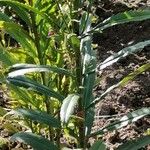
Physostegia virginiana
Obedience · Obedient plant · False dragonhead · Virginia False Dragonhead · American dragonhead
Description
Source: leafsnapPhysostegia virginiana, commonly known as the obedient plant or false dragonhead, is a herbaceous perennial native to North America. A member of the mint family, it can grow to a height of 3 to 4 feet. The plant features lance-shaped leaves arranged in opposite pairs along the stem and produces spikes of tubular flowers in shades of pink, white, or purple from mid-summer through early fall. The name "obedient plant" derives from its unique characteristic: when a flower is pushed in any direction, it will stay in that position for a while before gradually returning to its original orientation. This intriguing trait makes it an interesting addition to any garden. Physostegia virginiana prefers moist soil and partial shade but can tolerate full sun if adequately watered. Its nectar-rich flowers attract bees, butterflies, and hummingbirds, making it a superb choice for pollinator gardens. Traditionally, Native Americans used the roots of this plant as a remedy for various ailments such as headaches and stomach problems. However, caution is advised when handling the plant, as some individuals may experience skin irritation from contact with its leaves. Overall, Physostegia virginiana is an attractive perennial that adds color and interest to gardens while also providing significant benefits for pollinators.
💡 The flowers of the obedient plant form a spike-shaped inflorescence. During the flowering season, these blooming spikes sway gracefully in the wind, creating an unforgettable display.
🌳 The obedient plant is frequently overlooked for its ability to provide nectar to pollinators, giving it considerable ecological importance. Beyond this ecological role, the obedient plant is widely valued as an ornamental, used to beautify gardens with its showy spikes of flowers that bloom from summer into fall. The flowers are sometimes included in floral arrangements, showing the obedient plant's versatility beyond being merely a wildflower.
🎭 Achievement spanning a lifetime
Care Guide
💧 Water Every 7 days
The obedient plant thrives in moist conditions, preferring consistent hydration but tolerating short periods of dryness. To support its growth, especially during the growing season when evaporation and transpiration rates are higher, it should be watered weekly. Naturally adapted to outdoor environments, the obedient plant benefits from regular moisture to maintain optimal health.
How should I water my Obedient plant?
To care for the Obedient plant, it is important to use filtered water at room temperature. This is because tap water may contain harmful particles for the plant's health. Additionally, the water should not be too cold as it can shock the plant which prefers warm environments. Avoid watering the plant from above as it can lead to problems with the foliage. Instead, water the plant by applying filtered room temperature water directly to the soil until it is completely soaked. This helps moisten the roots and supports their spread through the soil to collect necessary nutrients.
What should I do if I give my Obedient plant too much water or not enough water?
Both overwatering and underwatering can harm the health of your Obedient plant, but overwatering is more common. If the plant gets too much water, the stems and leaves may wilt and turn yellow. Overwatering for a long time can also cause diseases like root rot, mold, and mildew, which can be deadly for the plant. Underwatering is less likely since the Obedient plant can tolerate drought reasonably well. However, it is still possible, and if it happens, the leaves may become brittle and brown. It's crucial to recognize the signs of overwatering early so you can take action. Some diseases resulting from overwatering, like root rot, may be irreversible if not addressed promptly. If you notice early signs of overwatering, reduce watering immediately and check the soil drainage. If the soil doesn't drain well, replace it with a loose, well-draining potting mix. Conversely, if your Obedient plant shows signs of being underwatered, simply increase regular watering until the signs improve.
How often do I need to water my Obedient plant?
If your Obedient plant is in a pot, the best way to check if it needs water is by sticking your finger into the soil. If the top two to three inches of soil feel dry, then it's time to give it some water. For Obedient plants grown outdoors in the ground, you can use a similar method to test the soil. If you find that the top few inches of soil have dried out, it's time to water. Typically, during spring and early fall, you'll need to water this plant approximately once a week. However, in extremely hot weather, you may need to water it two or more times a week. It's worth noting that mature, well-established Obedient plants can withstand drought quite well.
How much water does my Obedient plant require?
To properly water your Obedient plant, don't hold back on the amount of water you give. Make sure the first two to three inches of soil are dry, then water generously and thoroughly. It's important to let the soil get completely soaked. Add enough water that it flows out of the drainage holes at the bottom of the pot. If you don't see any excess water draining, you may not have watered enough. On the other hand, be careful not to let water accumulate in the soil, as this can harm the plant. Additionally, if water isn't draining well from the pot, it could mean the soil doesn't drain properly, which is bad for the plant's health. Avoid this by using well-draining soil. If the plant is outside, it only needs about 1 inch of rain per week.
How do I water my Obedient plant as it grows?
The water needs of the Obedient plant can change throughout different growth stages. In the first few years of its life or after transplanting, it requires more water due to the energy spent on developing new roots. These roots need extra moisture to support future growth. However, after a few seasons, the plant requires less water. Another stage where it may need more water is during the bloom period, as flower development requires a significant amount of moisture.
☀️ Light Full sun
The obedient plant prefers locations bathed in abundant sunlight for ideal growth and health. It can, however, cope with moderate sun exposure. Native to sun-flooded habitats, this plant suffers when light is inadequate, producing stunted growth, and when light is excessive, causing leaf scorch.
What are the sunlight requirements for an obedient plant?
The obedient plant, known botanically as Physostegia virginiana, thrives in full sun, requiring above 6 hours of sunlight daily for optimal growth and health. It can also tolerate partial sun, with about 3-6 hours of sunlight. However, the plant's growth can suffer if it receives too little light, leading to stunted growth, or too much direct sunlight, which can cause leaf scorching. It's important to observe how sunlight moves through your garden and choose spots that offer the right balance of light and shade to ensure the plant's happiness.
How can artificial lighting support the growth of obedient plants indoors?
Indoor obedient plants benefit from adequate lighting, especially when natural sunlight is lacking, such as in winter or less sunny locations. Artificial lights, such as LED lights, provide essential support for these plants, offering customized wavelengths suited to their needs. Full sun plants need an intensity of 30-50W/sq ft, partial sun plants require 20-30W/sq ft, and full shade plants need 10-20W/sq ft of artificial light. To mimic natural conditions, the light source should be placed 12-36 inches above the plant and kept on for 8-12 hours per day, depending on the plant species' natural daylight hours.
What are the symptoms of insufficient or excessive sunlight exposure in obedient plants?
Obedient plants may exhibit various symptoms due to insufficient or excessive sunlight. Insufficient light can lead to smaller new leaves, leggy or sparse growth, faster leaf drop, slower or no new growth, and lighter-colored or chlorotic leaves. Excessive sunlight, on the other hand, may cause chlorosis, sunscald, leaf curling, wilting, and leaf scorching. These symptoms highlight the plant's inability to adapt to either extreme light conditions, affecting its growth, color, and overall health.
How can you improve sunlight exposure for obedient plants?
To optimize sunlight exposure for obedient plants, gradually acclimate them to sunnier conditions. For indoor plants, move them closer to a south-facing window, ensuring they get at least 6 hours of direct sunlight daily, or use artificial lighting options like grow lights or lamps for at least 8 hours a day. Outdoors, transition plants to sunnier spots gradually to prevent sunburn. Reducing obstructions, such as pruning branches that shade your plants, can also help. Transplanting smaller plants during their dormant period to a location with better sunlight and drainage is beneficial. Note that while affected parts of the plant may not recover from light deficiencies, new growth will be healthy with improved light exposure.
🌡️ Temperature 0–35°C
Obedient plant is native to areas where temperatures fall between 68 and 95 °F (20 to 35 ℃). It favors warm conditions, but during harsh winters or extreme summers it benefits from environmental adjustments to maintain its preferred temperatures.
What is the Obedient plant and where is it indigenous to?
The Obedient plant, known botanically as Physostegia virginiana, is indigenous to regions where temperatures range from 68 to 95 °F (20 to 35 °C). As a heat-loving plant, it thrives in areas that reflect these temperature conditions.
Does the Obedient plant need protection from cold winters?
Obedient plant has a strong cold resistance, so special frost protection measures are usually not necessary during winter. However, in regions where temperatures are expected to drop below -35°C, some form of cold protection is advised, such as covering the plant with soil or straw. Additionally, before the first freeze in autumn, it's recommended to water the plant abundantly to maintain soil moisture, which helps prevent drought and water scarcity during winter and early spring.
How does the Obedient plant react to low temperatures?
The Obedient plant is cold-tolerant and thrives best when temperatures are above 20°C. It should ideally be kept above 0°C during the winter. If temperatures fall below -35°C, there might not be noticeable changes during winter, but there could be a decrease in sprouting or no sprouting at all in spring. The solution for this is to remove any parts in spring that have failed to sprout.
What are the symptoms and solutions for the Obedient plant in high temperatures?
In high temperatures, particularly above 35°C, the Obedient plant's leaves may turn lighter, become prone to curling, and susceptible to sunburn, potentially causing the entire plant to wilt and dry in severe cases. To alleviate these issues, trim away the sunburned and dried parts of the plant. Relocating the plant to a shaded area or using a shade cloth can protect it from the midday and afternoon sun. Additionally, watering the plant in the morning and evening will help keep the soil moist and the plant healthy.
💨 Humidity
🪴 Soil 6-7
🌱 Fertilizer
The best time to fertilize an Obedient plant is in early spring, when it is coming out of dormancy and starting active growth. Fertilization supplies essential nutrients for healthy development. Although the Obedient plant has relatively low fertilizer requirements, an annual feeding can improve its survival and encourage better, longer-lasting flowers.
Why do I have to put fertilizer on my Obedient plant?
Fertilization is beneficial to the Obedient plant for multiple reasons. Primarily, it provides essential nutrients that contribute to the plant's growth both above and below the ground. However, the fertilization requirements for Obedient plants are relatively low. In some cases, they can survive without fertilization. Nonetheless, yearly fertilization can be highly advantageous for Obedient plants. It not only helps maintain the plant's life but also promotes the development of longer-lasting, improved flowers. Therefore, those who wish to enhance the appearance of their Obedient plants should regularly fertilize them.
When should I fertilize my Obedient plant?
The best time to fertilize an Obedient plant is in late winter to early spring when it is transitioning from dormancy to active growth. Fertilizing during this time promotes healthy growth and sets the plant up for a successful season. While spring is generally the most beneficial time to fertilize, it is also okay to fertilize in the fall. However, summer and winter are not recommended times for feeding an Obedient plant.
When is it not a good idea to fertilize my Obedient plant?
To avoid overfertilization and its complications, it is best to only fertilize your Obedient plant in late winter and early spring. One annual feeding during this time is sufficient. Fertilizing during spring, summer, and fall can easily lead to overfertilization, except if you didn't fertilize in spring, then it is acceptable to feed the plant in fall. Furthermore, there is no need to fertilize during the winter as the Obedient plant is in a dormant phase and does not produce new growth.
What kind of fertilizer does my Obedient plant require?
For an Obedient plant, general-purpose fertilizers with a balanced mix of the three main plant nutrients are suitable. However, there are certain nutrient blends that can be even more beneficial. Many gardeners believe that higher levels of phosphorus result in stronger roots and better flowers. Considering that the Obedient plant is a flowering plant, using a phosphorus-rich fertilizer may be the best approach. Granular or liquid fertilizers can be used, as long as they contain sufficient nutrients. In addition to manufactured fertilizers, organic methods like compost and manure can greatly improve the soil for your Obedient plant's growth.
How can I help you fertilize your Obedient plant?
To fertilize an Obedient plant, the most common method is to use granular or pellet fertilizer. It's important to remember that the best time to fertilize is when the plant is transitioning from its winter dormant phase to active growth. In early spring, you should wait for the plant to start sprouting shoots before applying the fertilizer. Alternatively, some people may opt for liquid fertilizer, which should be diluted with water before application. Whether you choose granular or liquid fertilizer, it's always recommended to moisten the soil before, during, and after fertilization.
🪴 Pot & Repot 2-3 years
When repotting an Obedient plant, select a pot 1-2 inches (2.5–5.1 cm) larger that provides good drainage. Use a well-draining potting mix. Repot in spring or fall, making sure the root ball sits slightly below the pot’s rim. Water thoroughly after repotting and keep the plant in a warm spot with indirect sunlight.
✂️ Pruning
The obedient plant is known for its tall, spiky flowers and its ability to withstand stem manipulation. For bushier growth and more blooms, prune the plant from early to late spring. To control its spread and enhance its health, regularly remove any damaged stems and spent flowers. This will help maximize blooming while minimizing stress throughout its growth cycle.
🌿 Propagating
🐛 Diseases & pets
☠️ Toxicity
Characteristics
- Plant Type
- Herb
- Life Cycle
- Perennial, Annual
- Genus
- Physostegia
- Family
- Lamiaceae
- Hardiness Zone
- 3-10
- Mature Height
- 76 cm
- Mature Spread
- 61 cm to 91 cm
- Leaf Color
- Green
- Leaf Type
- Deciduous
- Flower Color
- Pink, White, Purple, Lavender
- Flower Size
- 2.54 cm to 5.08 cm
- Bloom Time
- Mid summer
- Planting Time
- Spring
- Harvest Time
- Mid summer, Late summer