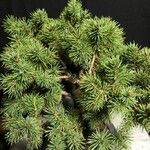
Picea glauca
Dwarf Alberta Spruce · White spruce · Western white spruce · Black Hills spruce · Porsild spruce
Description
Source: leafsnapPicea glauca, commonly known as the white spruce, is a coniferous tree species native to North America. It is a medium to large-sized tree that can grow up to 30 meters tall, featuring a conical shape and dense foliage. The needles of the white spruce are blue-green and measure approximately 1-2 cm in length. Its cones are cylindrical and can grow up to 10 cm long. White spruce is commonly found in boreal forests across Canada, Alaska, and parts of the northern United States. It prefers well-drained, slightly acidic soils but can tolerate a wide range of soil types. This tree has many uses, including timber production, ornamental purposes, and as windbreaks or shelterbelts to protect agricultural land against wind erosion or snowdrifts. The white spruce also provides habitat for many wildlife species. Birds such as grouse and woodpeckers use it for nesting sites, while mammals like moose rely on it for food during the winter months when other sources are scarce. Overall, Picea glauca is an ecologically and economically important species, contributing significantly to the versatility and resilience of North American forests.
💡 The white spruce is a cold-tolerant tree with a wide geographic range. Historically, Native Americans used it for both culinary and medicinal purposes. It was also commonly used for construction, fuel, and recreation. Today, the white spruce remains an abundant species frequently used in modern construction and has provided food and shelter for centuries.
🌳 White spruce is more than an attractive feature of northern landscapes; it also has practical uses beyond ordinary lumber. Its durable fibers are important in producing high-quality paper products. Interestingly, the resonant wood of white spruce is used to make soundboards for musical instruments such as pianos and violins, so it vibrates at the heart of human artistic expression.
🎭 Everlasting life, endurance, fortitude
Care Guide
💧 Water Every 7 days
White spruce flourishes in cold, boreal climates with moderate moisture and consistent humidity. To ensure healthy growth, water the tree every 1-2 weeks, particularly during its growth periods. While it is usually cultivated outdoors, monitoring soil moisture is essential for maintaining its optimal health.
When Should I Water My White Spruce?
Timely watering of white spruce is crucial for its overall health and growth, aiding in metabolic activities and vibrant growth. The primary indicator for watering is soil dryness; the top 1-2 inches of soil should dry out before watering again, which can be tested by inserting a finger into the soil. Additionally, needle color changes to a duller green or brown, and plant droop, particularly at the top or branch ends, signal the need for water. Watering is most effective in the early morning or late evening to minimize evaporation. Overwatering risks include root rot and needle discoloration, while under-watering can lead to drought stress, evidenced by wilting and stunted growth.
How Should I Water My White Spruce?
White spruce, once established, prefers less frequent but deep watering sessions that saturate the root zone, mimicking its natural boreal forest environment. Utilizing a soaker hose or drip irrigation system targets the root zone directly, avoiding foliage wetness which can lead to disease. The use of a moisture meter can prevent over-watering. It's important to water the soil thoroughly to the depth of the root ball or beyond, focusing on the root zone and avoiding the leaves to prevent fungal infections. Ensure that there is no standing water around the plant to avoid root rot.
How Much Water Does White Spruce Really Need?
White spruce requires water to keep its shallow root system moist, especially in potted conditions where the frequency of watering is guided by the pot size. For a mature plant, approximately 1-2 liters per watering session is suggested. Adequate hydration is indicated by healthy green needles and sturdy growth, with signs of under-watering including wilting or yellowing needles. Over-watering signs are yellow or browning needles and excessive needle drop. Both over and under-watering make the plant susceptible to stress and infestations. Using organic mulch can help retain soil moisture and reduce evaporation, with adjustments to watering based on the soil's moisture levels.
What Kind of Water is Best for White Spruce?
White spruce thrives with distilled water, which is free from minerals and chemicals, although rainwater is also excellent if clean. Tap water is a last resort due to its chlorine content, which the plant is sensitive to, causing leaf burn. A moderate sensitivity to fluoride suggests using filtered water as an alternative to reduce harmful chemicals. Letting tap water sit for 24 hours before use or using a carbon filter for dechlorination can make it safer. Water at room temperature is ideal to avoid shocking the plant.
How Do White Spruce's Watering Needs Change with the Seasons?
In spring, active growth necessitates consistent soil moisture through regular watering. The summer heat increases evaporation, requiring adjustments in watering frequency to maintain soil moisture without overwatering. During autumn, as the plant prepares for dormancy, reduce watering frequency while keeping the soil lightly moist. Winter demands minimal watering, allowing the topsoil to dry out between sessions, as the plant's reduced activity makes it vulnerable to root rot in wet conditions.
☀️ Light Full sun
White spruce does best in sites that receive abundant sunlight throughout the day. A place where sunlight reaches it continuously during daylight hours promotes healthy growth. It also tolerates locations with some degree of shade. Both too much and too little sun can be harmful to its health.
What are the sunlight requirements for growing White Spruce?
White Spruce requires conditions with plentiful illumination throughout the day to thrive healthily. It benefits from locations where sunlight can permeate for the majority of the day. While it endures well in slightly moderated light conditions, both overexposure and underexposure to sunlight can adversely affect its growth. For optimal development, ensuring the plant receives above 6 hours of sunlight classifies as full sun, whereas about 3-6 hours is considered partial sun. Observing how sunlight moves through your garden will help in choosing spots that provide the right balance of light and shade, ensuring the plants' well-being.
How can artificial lighting be used for White Spruce indoors?
Indoor White Spruce plants require adequate lighting for optimal growth, especially in conditions where natural sunlight is insufficient, such as during winter or in less sunny spaces. Artificial lights, like LED lights, offer a vital solution by providing the specific wavelengths of light needed. For full sun plants, 30-50W/sq ft of artificial light, for partial sun plants 20-30W/sq ft, and for full shade plants 10-20W/sq ft is recommended. The light source should be placed 12-36 inches above the plant to mimic natural sunlight and turned on for 8-12 hours per day to replicate natural daylight hours.
What are some important symptoms of light deficiency in White Spruce?
White Spruce shows several symptoms when exposed to light deficiency, including smaller new leaves compared to older ones, leggy or sparse growth due to elongated spaces between leaves or stems, an early drop of older leaves, delayed or halted growth, pale new leaves indicating a lack of chlorophyll, chlorosis leading to yellowed leaves, sunscald from intense sunlight exposure, leaf curling as a defense against excessive sunlight, wilting due to loss of turgor pressure, and leaf scorching characterized by brown, dry edges on leaves. These symptoms suggest inadequate light conditions.
What solutions can help improve light conditions for White Spruce?
To improve light conditions for White Spruce, gradually moving the plant to sunnier locations each week until it receives at least 6 hours of direct sunlight daily is beneficial. For indoor plants, using a south-facing window with open curtains during the day or employing artificial lighting such as desk, ceiling lamps, or professional plant grow lights for at least 8 hours daily can provide additional light. Outdoors, it's crucial to adjust the plant to sunlight gradually to prevent sunburn. Reducing obstructions by pruning or relocating the plants to sunnier areas ensures better sunlight exposure. Note that parts of the plant affected by previous insufficient sunlight may not recover, but subsequent new growth should be healthy.
🌡️ Temperature 0–25°C
The white spruce is a temperate woody species that favors a temperature range of 32 to 77 ℉ (0 to 25 ℃). In its native habitats it grows in cooler climates with average temperatures from -22 to 30 ℉ (-30 to -1 ℃). During colder seasons it can endure temperatures down to -58 ℉ (-50 ℃) by entering dormancy.
What temperature range is preferable for the white spruce?
The white spruce prefers a temperature range of 32 to 77 ℉ (0 to 25 ℃). It thrives in cooler climates, with its native growth environment's average temperatures ranging from -22 to 30 ℉ (-30 to -1 ℃). During colder seasons, the white spruce can adjust to temperatures as low as -58 ℉ (-50 ℃) by becoming dormant. This plant is highly cold-tolerant and does not require additional frost protection measures during the winter. To prepare for winter, it is recommended to generously water the plant before the first freeze in autumn. This ensures the soil stays moist and enters a frozen state, which helps in preventing drought and water scarcity for the plant throughout the winter and early spring.
What are the important symptoms to look for in white spruce related to temperature?
For white spruce, low winter temperatures below -40°C can cause branches to become brittle and dry during spring, with no new shoots emerging. Although the plant is extremely cold-tolerant, such extreme cold without visible damage in winter can lead to these issues in spring. In cases of high temperatures exceeding 25°C, white spruce may experience significant leaf drop, and in severe cases, the entire plant may wither and die. To manage these conditions, prune away any dead branches that failed to produce new leaves in spring for cold damage. For heat damage, trim the sunburned and dried-up parts, move the plant to a shadier location, or use a shade cloth to protect it from the midday and afternoon sun. Additionally, watering the plant in the morning and evening helps keep the soil moist and supports the plant's recovery.
💨 Humidity normal (40-60%)
This plant will thrive in moderate humidity, which is probably the level in your home. However, misting it a few times a week can be very beneficial. Make sure the room has good ventilation.
🪴 Soil 5-6
🌱 Fertilizer
White spruce has specific nutrient needs and does not require heavy fertilization. Fertilizing in spring is best for encouraging optimal growth. Providing nutrients improves its vigor, increases resistance to pests and diseases, and helps preserve its long lifespan.
Why should I put fertilizer on my White spruce tree?
To support the healthy growth of White spruce, it is recommended to fertilize them during the spring. Since these plants have a long lifespan, it is crucial to provide the necessary support. By adding nutrients to the soil, the plant's health can be improved, helping it to better resist common pests and diseases that can hinder growth or shorten its lifespan.
When should I put fertilizer on my White spruce tree?
The growing medium sometimes lacks sufficient nutrients for healthy growth. However, White spruce is unique compared to garden annuals and perennials because it does not need a lot of additional nutrients. For White spruce, the ideal time for fertilization is in the spring, before new growth begins.
When is it best not to put fertilizer on my White spruce?
While some plants benefit from regular monthly or weekly fertilization, White spruce is not one of them. This particular plant does not need much additional nutrients and can actually suffer if given too much fertilizer. To prevent this, it is important to only apply fertilizer during the spring season and refrain from doing so in the summer, fall, and winter. Additionally, it is advised not to add any fertilizer or organic matter to the soil during these seasons.
What kind of fertilizer does my White spruce tree need?
The age of your plant influences the type of fertilizer, but it's important to note that White spruce does not need excessive nutrients. It's best to choose a balanced plant food that supports healthy root development and growth, while avoiding fertilizers that have high nitrogen levels.
How do I make my White spruce tree grow better?
When fertilizing White spruce, it is crucial to consider both the timing and method of application. Add the fertilizer at the base of the plant during the spring. Take care not to let any of the fertilizer come into contact with the trunk. If you are using granulated fertilizer, cover the pellets with a thin layer of soil to promote proper absorption into the soil.
🪴 Pot & Repot 2-3 years
When repotting White spruce, choose a pot 1–2 inches (2.5–5.1 cm) larger with ample drainage. Use a well-draining potting mix. Repot in spring or fall, making sure the root ball sits slightly lower than the rim of the flower pot. Water thoroughly after repotting and place it in a warm spot with indirect sunlight.
✂️ Pruning
The white spruce is an evergreen conifer with a pyramidal shape and blue-green needles. It is best to prune it during the winter when it is dormant, as this minimizes sap loss. Start by removing any damaged branches, and then thin out any overcrowded ones. This will improve air circulation and light penetration, promoting healthier growth while maintaining the tree's natural form.
🌿 Propagating
🐛 Diseases & pets
☠️ Toxicity
Characteristics
- Plant Type
- Tree
- Life Cycle
- Perennial
- Genus
- Picea
- Family
- Pinaceae
- Hardiness Zone
- 2-6
- Mature Height
- 14.94 m to 39.93 m
- Mature Spread
- 1.52 m to 2.44 m
- Leaf Color
- Green, Blue
- Leaf Type
- Evergreen
- Flower Color
- Red, Yellow, Green, Brown, Orange, Burgundy, Gold
- Flower Size
- 3.81 cm to 6.35 cm
- Bloom Time
- Late spring, Early summer
- Planting Time
- Spring, Summer, Autumn, Winter
- Harvest Time
- Mid summer, Late summer
- Native Area
- Canada