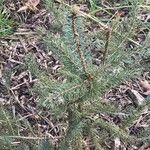
Picea mariana
Black spruce · Bog spruce · Shortleaf black spruce · Swamp spruce
Description
Source: leafsnapPicea mariana, commonly known as black spruce, is a species of coniferous tree native to the northern regions of North America. This slow-growing evergreen can reach heights of up to 20 meters and features a narrow, conical shape. The needles are short and dark green, and its small cones mature to a brownish-purple color. Adapted to cold climates, black spruce can tolerate harsh conditions such as permafrost, droughts, and wildfires. It plays a crucial role in the boreal forest ecosystem by providing habitat for wildlife, including moose and various bird species. Additionally, it is valued for timber production. The wood of black spruce is lightweight yet strong, making it ideal for construction purposes, such as building homes or producing paper products like newsprint and tissue paper. Overall, Picea mariana holds significant ecological importance while also being economically valuable due to its versatile wood properties.
🌳 The dense wood of black spruce is valued not just for construction but also hides a musical secret: it is commonly chosen for soundboards in high-quality pianos. Because the species grows slowly in cold climates, its grain is tight and consistent, producing a clear, superior tone and thus playing an essential role in creating beautiful music that is heard around the world. This use is often overshadowed by the timber industry, yet it stands as a testament to the versatility and cultural significance of black spruce.
🎭 It is an adaptable tree that grows rapidly and establishes dominance throughout its territory.
Care Guide
💧 Water Every 7 days
Black spruce thrives in cool, boggy environments that provide moderate moisture and consistent humidity. It is best to water the plant every 1-2 weeks, as it can handle short periods of dryness. Typically found outdoors, black spruce can endure the seasonal changes in water availability characteristic of its native boreal forests.
☀️ Light Full sun
Black spruce grows best in places that receive abundant sunlight throughout the day. Locations with occasional shade are tolerable, but the tree shows optimal growth when it has sufficient natural light. Because of the habitat it comes from, black spruce can withstand different light conditions. Excessive or insufficient sunlight can impact the plant’s health.
🌡️ Temperature 0–25°C
Black spruce grows best in environments with temperatures between 32 and 77°F (0 and 25°C). Its native habitats have similar temperature conditions. Each season, adjust temperatures as needed to keep within this range for optimal growth.
What is the ideal temperature range for growing Black spruce?
The ideal temperature range for growing Black spruce, or Picea mariana, is between 32 to 77°F (0 to 25°C). This range is optimal for its growth, mimicking its native habitat conditions. It is important to regulate the temperature seasonally to remain within this range to support the plant's optimal growth. Black spruce is very cold-tolerant and doesn't need extra frost protection in winter. However, to prepare for winter, it's recommended to water the plant generously before the first freeze in autumn to keep the soil moist and prevent drought and water scarcity during the colder months.
How does Black spruce react to temperatures below -35°C?
Black spruce is exceptionally cold-tolerant, but if winter temperatures fall below -35°C, the tree can experience issues during the spring. While you might not notice immediate changes during winter, the branches may become brittle and dry when warmer weather arrives, and the tree may fail to produce new shoots. To manage this, prune away any dead branches in the spring to help encourage new growth and maintain plant health.
What should I do if the Black spruce is exposed to high temperatures?
Black spruce struggles with high temperatures, especially when they exceed 25°C. Excessive heat can cause significant leaf drop, and in severe cases, the plant might wither and die. To protect and care for your Black spruce under such conditions, trim away any parts of the plant that appear sunburned or dried out. Relocate the plant to a shaded area or use a shade cloth to protect it from the intense midday and afternoon sun. Additionally, water the plant in the morning and evening to ensure the soil remains moist, helping to mitigate the stress caused by high temperatures.
💨 Humidity normal (40-60%)
This plant will thrive in moderate humidity, which is probably the level in your home. However, misting it a few times a week can be very beneficial. Make sure the room has good ventilation.
🪴 Soil 4-6
🌱 Fertilizer
Black spruce has specific nutrient needs and does not require heavy fertilization. Spring is the best time to apply fertilizer for optimal growth. Providing nutrients improves its health, strengthens its resistance to pests and diseases, and helps maintain its long lifespan.
🪴 Pot & Repot Every 12 months
✂️ Pruning
The black spruce is characterized by its tall, narrow, conical shape and requires minimal pruning. For the best results, prune between early and late winter. Focus on removing any dead or damaged branches to maintain the tree's health while preserving its natural shape. Always use clean tools during pruning to improve sunlight and air circulation, which helps reduce pests and diseases.
🌿 Propagating
🐛 Diseases & pets
☠️ Toxicity
Characteristics
- Plant Type
- Tree
- Life Cycle
- Perennial
- Genus
- Picea
- Family
- Pinaceae
- Hardiness Zone
- 3-6
- Mature Height
- 9.14 m to 15.24 m
- Mature Spread
- 1.83 m to 3.66 m
- Leaf Color
- Green
- Leaf Type
- Evergreen
- Flower Color
- Yellow, Purple, Red, Brown, Lavender, Burgundy, Gold
- Flower Size
- 2.54 cm
- Bloom Time
- Early summer, Mid summer
- Planting Time
- Spring, Summer, Autumn
- Harvest Time
- Mid summer, Late summer