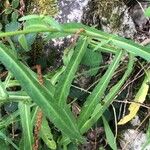
Picris hieracioides
Hawkweed oxtongue · Hawkweed · Hawkweed Picris · Ox-tongue · Hawkweed Ox-tongue
Description
Source: leafsnapPicris hieracioides, commonly known as hawkweed oxtongue, is a perennial herbaceous plant in the Asteraceae family. Native to Europe and western Asia, it has also been introduced to North America. The plant can grow up to 1 meter tall and features a basal rosette of lance-shaped leaves with toothed edges. Its hairy stem supports small yellow flowers that bloom from June through August. Hawkweed oxtongue thrives in well-drained soils under full sun or partial shade and can be found in meadows, pastures, roadsides, waste areas, and other disturbed sites. It is considered an invasive species in some regions due to its rapid spread through wind-dispersed seeds. The plant has medicinal uses due to the presence of compounds such as flavonoids, which exhibit anti-inflammatory properties. Traditionally, it was used to treat skin conditions like eczema and psoriasis. Overall, Picris hieracioides is an interesting perennial with attractive yellow flowers found in diverse habitats across Europe and North America. However, its invasive potential warrants careful monitoring.
Care Guide
💧 Water Every 7 days
Hawkweed oxtongue flourishes in meadows and fields, where it prefers soil that stays consistently moist but not waterlogged. To achieve this balance, it's best to water the plant weekly. It grows most effectively outdoors, where it can take advantage of natural rainfall during its active growth phases.
How should I water my Hawkweed oxtongue plant?
To ensure the health of the Hawkweed oxtongue, it is recommended to water it with filtered water that is at room temperature. Tap water may contain harmful particles, so using filtered water is preferable. The plant is used to a warm environment, so it is best to avoid using cold water, as it can be a shock to the plant. Additionally, it is not recommended to water the plant from above, as it can cause issues with the foliage. Instead, simply apply filtered room temperature water to the soil until it is fully soaked. This helps to moisten the roots and allows them to spread and collect the necessary nutrients.
What should I do if I give my Hawkweed oxtongue too much or too little water?
Overwatering is a more common issue than underwatering for the health of your Hawkweed oxtongue. When the plant receives too much water, its stems and leaves may wilt and turn yellow. Prolonged overwatering can also lead to diseases like root rot, mold, and mildew, which can be fatal for the plant. Underwatering is less common because the plant can tolerate drought, but it is still possible. When underwatering occurs, the leaves become brittle and brown. It's important to recognize the signs of overwatering early on. Some diseases caused by overwatering, like root rot, cannot be reversed if not addressed promptly. If you see signs of overwatering, reduce your watering schedule and check the soil's drainage. If it drains poorly, replace it with a well-draining potting mix. On the other hand, if signs of underwatering are present, water the plant more regularly until the signs disappear.
How often should I give water to my Hawkweed oxtongue?
If your Hawkweed oxtongue is in a pot, you can determine if it needs water by checking the soil. Stick your finger in the soil and if the top two to three inches are dry, it's time to water it. If you're growing your Hawkweed oxtongue outdoors, you can use the same method to test the soil. Once the top few inches of soil have dried out, it's time to water it. In the spring and early fall, you'll likely need to water about once a week. During very hot weather, you may need to increase watering to twice a week or more. It's worth noting that mature and well-established Hawkweed oxtongue plants are quite drought-resistant.
How much water does my Hawkweed oxtongue plant need?
To properly water your Hawkweed oxtongue plant, make sure the first two to three inches of soil are dry. Water the plant thoroughly until the soil is completely soaked. It is important to add enough water that excess water flows out of the drainage holes at the bottom of the pot. If you don't see excess water draining, it means you haven't watered enough. However, be cautious not to let water accumulate in the soil as it can harm the plant. On the other hand, if water doesn't drain properly, it may indicate poorly draining soils, which is bad for the plant's health. If the plant is outside, it requires about 1 inch of rain per week.
How do I water my Hawkweed oxtongue as it grows?
The water needs of the Hawkweed oxtongue vary depending on its growth stages. When the plant is young or has just been transplanted, it requires more water to support root development. This is because new roots need extra moisture to thrive. As the plant matures, it needs less water. However, during the bloom period, the plant may require additional watering due to the high moisture demands of flower development.
☀️ Light Full sun
Hawkweed oxtongue thrives when it gets plenty of sunlight, mirroring the sunny conditions of its natural habitat. Excessive shade or insufficient light can stunt its growth and harm the plant's health. Every stage of its development depends on steady light exposure.
What are the sunlight requirements for Hawkweed oxtongue?
Hawkweed oxtongue requires full sun, which means it needs more than 6 hours of sunlight daily. It's important to observe how sunlight moves through your garden to pick spots that offer a balance of light and shade, ensuring the plants receive the right amount of sunlight for optimal growth.
Why is sunlight essential for Hawkweed oxtongue?
Sunlight is crucial for Hawkweed oxtongue as it mimics the sunny conditions of its natural habitat. Insufficient sunlight can stunt the plant's growth and negatively impact its health. Every development stage of the plant relies on consistent exposure to light to thrive.
How can artificial lighting support Hawkweed oxtongue growth indoors?
When natural sunlight is insufficient, particularly in winter or less sunny spaces, artificial lighting becomes essential for Hawkweed oxtongue's growth indoors. LED lights are preferred for their ability to provide specific wavelengths needed by plants. For full sun plants like Hawkweed oxtongue, 30-50W/sq ft of artificial light is needed. Position the light source 12-36 inches above the plant, ensuring it receives 8-12 hours of light per day to mimic natural sunlight conditions.
What are the common symptoms of inadequate light in Hawkweed oxtongue?
Common symptoms of light deficiency in Hawkweed oxtongue include small, new leaves, leggy or sparse growth, faster leaf drop, slower or no new growth, lighter-colored or chlorotic leaves, sunscald, leaf curling, wilting, and leaf scorching. These symptoms indicate the plant is not receiving enough sunlight or is being overexposed to it, adversely affecting its health.
What are the solutions to light-related issues for Hawkweed oxtongue?
To solve light-related problems for Hawkweed oxtongue, gradually increase its exposure to sunlight if it's showing signs of deficiency. For indoor plants, move them to a sunnier spot or use artificial light to ensure they get at least 6 hours of direct sunlight. For outdoor plants, find the best location with sufficient sunlight and avoid sudden changes to prevent sunburn. Also, reduce obstructions like trees by pruning and, if necessary, transplant smaller plants to areas with better sunlight exposure and drainage.
🌡️ Temperature 5–35°C
Hawkweed oxtongue comes from areas with moderate temperatures and ideally thrives between 68 and 95 °F (20 and 35 °C). Adjusting temperatures seasonally is recommended to replicate its natural habitat and encourage healthy growth.
What is the ideal temperature range for growing Hawkweed oxtongue?
Hawkweed oxtongue, botanically known as Picris hieracioides, thrives best in environments with moderate temperatures, ranging ideally between 68 to 95 °F (20 to 35 °C). To promote healthy growth, mimicking its native habitat conditions by adjusting temperatures seasonally is advisable. This flexibility in temperature helps the plant to flourish in a variety of climates.
Does Hawkweed oxtongue require frost protection during winter?
Hawkweed oxtongue possesses strong cold resistance, meaning special frost protection measures are typically not necessary. However, in regions where winter temperatures are expected to drop below -25°C, providing some form of cold protection is important. Covering the plant with materials such as soil or straw can safeguard it against extreme cold. Furthermore, it's recommended to water the plant abundantly before the first freeze in autumn, ensuring the soil remains moist and thus, helping the plant to prevent drought and water scarcity during winter and the early spring months.
How does Hawkweed oxtongue react to low temperatures, and what are the solutions?
Hawkweed oxtongue is notably cold-tolerant, thriving best when temperatures stay above 20°C and should be kept above 0°C during winter. In conditions where the temperature falls below -25°C, the plant may not exhibit noticeable changes during winter; however, a decrease in sprouting or a complete lack thereof could occur come springtime. The recommended solution for such scenarios involves removing any parts of the plant that have failed to sprout in the spring, to encourage new growth and vitality.
What should be done if Hawkweed oxtongue is exposed to high temperatures?
During the summer, it is vital to ensure that Hawkweed oxtongue is kept at temperatures below 35°C. Exposure to temperatures exceeding 38°C can lead to leaves turning lighter in color, becoming prone to curling, suffering from sunburn, and, in severe cases, resulting in the entire plant wilting and drying out. To mitigate these issues, it is advisable to trim away the affected parts of the plant. Relocating the plant to a shaded area or using a shade cloth to protect it from the midday and afternoon sun can also be beneficial. Additionally, watering the plant in the morning and evening helps maintain soil moisture and supports the plant during extreme heat.
💨 Humidity
🪴 Soil 6-7
🌱 Fertilizer
Hawkweed oxtongue requires regular fertilization to encourage flowering but does not tolerate too much. It needs small, frequent doses of fertilizer throughout its life cycle, especially during the peak period of active growth and while it is flowering. You should feed your Hawkweed oxtongue until it stops blooming.
🪴 Pot & Repot
✂️ Pruning
🌿 Propagating
🐛 Diseases & pets
☠️ Toxicity
Characteristics
- Plant Type
- Herb
- Life Cycle
- Biennial, Perennial
- Genus
- Picris
- Family
- Asteraceae
- Hardiness Zone
- 5-9
- Mature Height
- 0.15 m to 1.22 m
- Mature Spread
- 30 cm
- Leaf Color
- Green, Dark Green
- Leaf Type
- Semi-evergreen
- Flower Color
- Yellow
- Flower Size
- 1.02 cm to 2.03 cm
- Bloom Time
- Early summer, Mid summer
- Planting Time
- Spring, Summer
- Harvest Time
- Mid summer