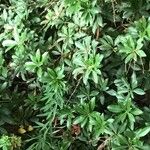
Pieris japonica
Japanese Pieris · Japanese-andromeda · Lily-of-the-valley-bush · Lily-of-the-valley shrub · Asebi
Description
Source: leafsnapPieris japonica, also known as Japanese pieris or lily-of-the-valley shrub, is a popular evergreen that belongs to the Ericaceae family. Originating from Japan and Taiwan, it is widely cultivated in gardens and landscapes for its attractive foliage, showy flowers, and ease of maintenance. Typically reaching up to 10 feet in height with a spread of 6-8 feet, Pieris japonica boasts glossy, dark green leaves that are lance-shaped or elliptical. New growth emerges as bright red or bronze-colored leaves, which gradually turn green as they mature. In early spring (March-April), the plant produces clusters of small, bell-shaped flowers in white or pink hues. These highly fragrant flowers attract bees, butterflies, and other pollinators. Pieris japonica prefers moist, well-drained soil with an acidic pH of 4.5-6. It thrives in partial shade but can also tolerate full sun, provided it receives adequate moisture during hot summer months. Minimal pruning is required, apart from removing dead wood or shaping the shrub after the flowering season ends. Overall, Pieris japonica is an excellent choice for gardeners seeking an attractive evergreen shrub. Its year-round interest, due to foliage color variation and beautiful spring blooms, makes it a popular choice among gardeners worldwide!
🌳 Japanese pieris departs from conventional plant uses. Rather than traditional practices, specialty nurseries collect its nectar, which attracts bees and butterflies and thus supports a diverse pollinator community. However, it must be handled carefully because its leaves contain toxic andromedotoxins. In addition, Japanese pieris’s attractive appearance makes it a popular choice for hedges and foundation plantings in landscape design.
🎭 Glad
Care Guide
💧 Water Every 7 days
Japanese pieris, which originates from mountain forest understories, thrives in environments with consistent moisture and partial shade. It prefers evenly moist, acidic soil and should be watered every 1-2 weeks. Although it can tolerate moderate drought, it is typically grown as an ornamental shrub, with its lush evergreen foliage reflecting the availability of water.
When should I water my Japanese Pieris?
Timely watering of Japanese Pieris is essential for its health, promoting growth and flowering. You should water the plant when the soil surface appears dry. Touch the soil to judge; if it feels dry, it's time to water. Key indicators that your plant needs water include dry soil, wilting, leaf discoloration, and slow growth. However, beware of overwatering, as it can lead to root rot, indicated by yellowing leaves and a decline in plant vigor. Conversely, late watering can cause wilting, brown leaf tips, and slowed growth, which could be detrimental to the plant's health.
How should I water my Japanese Pieris?
Watering your Japanese Pieris correctly is crucial to avoid under or overwatering issues. Bottom-watering is effective; allow the plant's base to sit in water until the topsoil is moist, ensuring adequate drainage afterward. Alternatively, use a watering can with a long spout to target the base of the plant, avoiding foliage which is sensitive to moisture. Employing a moisture meter can help gauge the soil's moisture level accurately, aiding in maintaining optimal hydration. Focus on watering the soil's base without wetting the leaves to prevent fungal diseases.
How much water does Japanese Pieris really need?
The water needs of Japanese Pieris depend on root depth, pot size, and plant size. Shallow-rooted, it requires frequent but modest watering to keep the soil consistently moist. Indications of adequate hydration include dark green leaves, robust stems, and abundant flowers, alongside moist soil that isn't waterlogged. Overwatering can lead to root rot and disease, while under watering may cause wilting and reduced vitality. To mimic its high-humidity natural habitat, consider regular misting, use filtered or distilled water, and ensure the pot has proper drainage.
What kind of water is best for Japanese Pieris?
Japanese Pieris flourishes with rainwater or distilled water, due to its sensitivity to chlorine and fluoride commonly found in tap water. Letting tap water sit for 24 hours can evaporate chlorine, making it safer. Distilled or rainwater is preferred to avoid fluoride and excess mineral build-up, which could harm the plant. Room temperature water is ideal as extreme temperatures can shock the plant's roots. Overwatering poses a risk, so ensure the top inch of soil dries out before re-watering.
How do Japanese Pieris's watering needs change with the seasons?
Japanese Pieris's watering needs vary by season. In spring, focus on maintaining moist soil for growth without waterlogging. Summer demands more frequent watering due to increased evaporation. Water early in the morning or late in the evening to minimize loss and prevent mildew. Autumn requires less water as the plant prepares for dormancy, with emphasis on decreasing watering as temperatures drop. Winter's dormancy means significantly reduced watering, allowing soil to dry before watering again, but prevent complete dryness for extended periods.
☀️ Light Partial sun
Japanese pieris prefers a place that gets plenty of sun each day, but it can also thrive in areas with either more or less light. Excessive sun can cause sunburn, while too little light can hinder growth. It comes from an environment with varied light conditions.
What are the sunlight requirements for Japanese Pieris?
Japanese Pieris requires about 3-6 hours of sunlight daily to be considered in partial sun, while more than 6 hours is necessary for full sun conditions. It's crucial to observe the movement of sunlight through your garden to find the ideal balance of light and shade for your plants, helping ensure their well-being. Whether it's a spot with ample sun each day or an area with less light, Japanese Pieris can adapt. However, it is important to note that overexposure can cause sunburn, while insufficient light can stunt the plant's growth.
How do artificial lights help indoor Japanese Pieris plants?
Artificial lighting plays a vital role in the growth of indoor Japanese Pieris plants, especially when natural sunlight is insufficient, like in winter or less sunny areas. LED lights are recommended because they can be customized to provide specific wavelengths needed by the plants. Full sun plants require 30-50W/sq ft, partial sun plants need 20-30W/sq ft, and full shade plants need 10-20W/sq ft of artificial light. The light source should be placed 12-36 inches above the plant to mimic natural sunlight, and most plants need 8-12 hours of light per day to mimic natural daylight hours.
What are the symptoms of inadequate lighting for indoor Japanese Pieris?
When Japanese Pieris is grown indoors under insufficient light conditions, it might exhibit symptoms like smaller new leaves, leggy or sparse growth, faster leaf drop, slower or no new growth, and lighter-colored or chlorotic leaves. Excessive sunlight can lead to symptoms such as sunscald, leaf curling, wilting, and leaf scorching. These signs indicate either a lack of or too much sunlight, affecting the plant’s chlorophyll content and overall health.
How can I address inadequate sunlight for my Japanese Pieris?
For plants with inadequate sunlight, gradually moving them to sunnier spots each week until they receive the needed 3-6 hours of direct sunlight daily can help them adapt. If the plant is too large or not easily movable, consider using a desk or ceiling lamp for at least 8 hours daily or invest in professional plant grow lights. Outdoor plants should also be moved gradually to better spots to prevent sunburn. Minimizing obstructions like pruning trees or transplanting smaller plants to sunny locations with good drainage can improve sunlight access. Remember, while parts of the plant that suffered from low light may not recover, new growth after increasing light exposure should be healthy.
🌡️ Temperature 5–32.2°C
Japanese pieris grows best at temperatures from 41 to 90 ℉ (5 to 32 ℃) and is a temperate woody plant. It needs a cold dormant period during winter, making it suitable for outdoor cultivation in regions with mild winters.
What are the essential growing conditions for Japanese pieris?
The essential growing condition for Japanese pieris, a temperate woody plant, involves a temperature range of 41 to 90°F (5 to 32°C). This plant thrives in areas with mild winters as it requires a cold dormant period. Due to its strong cold resistance, Japanese pieris generally does not need special frost protection measures. However, in anticipation of temperatures dropping below its cold tolerance threshold, it's advised to protect the plant by wrapping its trunk and branches with materials like non-woven fabric or cloth. Additionally, to prevent drought and water scarcity during the winter and early spring, it's recommended to water the plant abundantly before the first freeze in autumn, ensuring the soil remains moist and enters a frozen state.
How should you care for Japanese pieris in cold temperatures?
Japanese pieris shows a strong tolerance to cold, thriving above certain minimum temperature thresholds. Despite its resilience, extremely low temperatures can lead to symptoms such as brittleness and drying of branches by spring, with no new shoots emerging. To manage these cold temperature impacts, it's advisable to prune away any dead branches that have failed to produce new leaves as part of the spring care routine.
What measures should be taken for Japanese pieris in high temperatures?
In high temperatures, especially during summer, it's crucial to ensure that Japanese pieris remains below certain maximum temperature thresholds to prevent stress and damage. Symptoms of high temperature stress include lighter leaf color, dry and withered tips, and increased susceptibility to sunburn. To mitigate these issues, trim away any sunburned and dried parts of the plant. Relocate the plant to a shadier location or use a shade cloth to protect it from the midday and afternoon sun. Additionally, maintain soil moisture by watering the plant in the morning and evening.
💨 Humidity normal (40-60%)
This plant will thrive in moderate humidity, which is probably the level in your home. However, misting it a few times a week can be very beneficial. Make sure the room has good ventilation.
🪴 Soil 4-6
🌱 Fertilizer
To encourage healthy growth, feed your Japanese pieris in early spring. Regular feeding boosts overall health, producing robust growth, better tolerance of harsh conditions, and increased resistance to pests and diseases. Follow a consistent fertilizing routine for your Japanese pieris to maintain lively, deeply colored foliage and a full, lush look.
Why should I put fertilizer on my Japanese pieris?
No matter what kind of Japanese pieris you have, regularly fertilizing it is important to promote its overall health. Providing the right nutrients will result in stronger growth and increased resilience to challenging growing conditions. Additionally, it will enhance the plant's ability to fend off diseases and pests. Maintaining the foliage of your Japanese pieris is crucial as it is one of its most attractive features. To achieve this, establish a consistent fertilization routine tailored to the specific needs of your Japanese pieris. This method will encourage the development of vibrant, colorful leaves and an overall lush appearance.
When should I put fertilizer on my Japanese pieris plant?
To ensure the healthy growth of your Japanese pieris, it is recommended to fertilize it in late winter or early spring. This will provide the necessary nutrients needed for growth once the weather becomes warmer. If you live in a warm climate region, it is also beneficial to fertilize your Japanese pieris again in early fall. This not only adds additional nutrients to the soil for the following growing season, but also helps the plant withstand winter cold without damage to its foliage. By fertilizing earlier, the branches will have enough time to grow and become hardy enough for the winter.
When should I not put fertilizer on my Japanese pieris plant?
There are a few times throughout the year when it's best not to fertilize your Japanese pieris. The first instance is during the early and mid-winter months when the plant is dormant and doesn't require any feeding. It's also not recommended to fertilize during late spring and throughout summer. These times are typically hotter and drier, which can have a negative impact on the plant if fertilized. To prevent any issues, it's wise to stick to a fertilization schedule that involves feeding only in early spring and early fall.
What kind of fertilizer does my Japanese pieris plant need?
For a Japanese pieris, nitrogen is usually the most important nutrient, but phosphorus and potassium should not be disregarded. It is recommended to provide a balanced fertilizer like a 10-10-10 to ensure the plant receives adequate amounts of all three main nutrients. However, a more refined nutrient ratio often promotes optimal growth. Fertilizers with slightly higher nitrogen content, such as a 10-6-4 ratio, can be particularly effective. Granular or liquid-based fertilizers can both be used for fertilization purposes.
How should I feed my Japanese pieris?
To fertilize your Japanese pieris, you have two options: using granular fertilizer or liquid fertilizer. With granular fertilizer, simply sprinkle it on the soil at the appropriate time. This type of fertilizer releases nutrients gradually. It's a good idea to lightly water your plant before applying the fertilizer. However, using liquid fertilizer is less common. To use it, mix the fertilizer with water and pour it around the base of your plant. Sometimes, it's beneficial to conduct a soil test before fertilizing to determine if any adjustments to the pH are necessary.
🪴 Pot & Repot 2-3 years
When repotting Japanese pieris, select a pot 1–2 inches (2.5–5.1 cm) larger with ample drainage. Use a well-draining potting mix. Repot in spring or fall, making sure the root ball sits slightly lower than the rim of the flower pot. Water thoroughly after repotting and place in a warm spot with indirect sunlight.
✂️ Pruning
Japanese pieris is known for its evergreen foliage and fragrant flowers. To encourage growth and maintain its shape, it's best to prune the plant in late spring after it has finished flowering. During pruning, remove any dead wood and trim unruly branches. This will enhance air circulation and access to sunlight, which improves the plant's health and aesthetic appeal. Additionally, proper pruning boosts resistance to pests and diseases.
🌿 Propagating
🐛 Diseases & pets
☠️ Toxicity
Characteristics
- Plant Type
- Shrub
- Life Cycle
- Perennial
- Genus
- Pieris
- Family
- Ericaceae
- Hardiness Zone
- 5-8
- Mature Height
- 0.91 m to 3.96 m
- Mature Spread
- 3.96 m
- Leaf Color
- Green, Red, White, Variegated
- Leaf Type
- Evergreen
- Flower Color
- White, Pink
- Flower Size
- 0.51 cm to 0.76 cm
- Bloom Time
- Spring
- Planting Time
- Spring, Autumn
- Harvest Time
- Early summer, Mid summer
- Native Area
- Japan, China