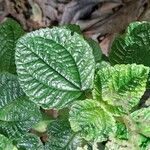
Pilea inaequalis
West Indian Clearweed
Care Guide
💧 Water Every 7 days
☀️ Light Partial sun
West Indian clearweed is native to habitats like forest understories and rocky locations, where it experiences natural shade. It favors partial sun but can tolerate both full sun and full shade, showing its versatile, hardy nature.
What are the sunlight requirements for West Indian Clearweed?
West Indian Clearweed (Pilea inaequalis) thrives in partial sun, requiring about 3 to 6 hours of sunlight daily. It's important to observe how sunlight moves through your garden throughout the day to choose spots that provide a perfect balance of light and shade. This balance ensures the plants' happiness and health.
🌡️ Temperature 20–37.8°C
West indian clearweed comes from tropical areas, where the weather is usually warm and humid. Consequently, it is adapted to high heat and humidity. It is sensitive to sudden temperature shifts and prefers a steady thermal environment, so indoor temperature fluctuations should be avoided. It generally cannot tolerate cold and needs warmer conditions to grow. If the surrounding temperature falls too low, the plant may stop growing or even die.
What is West Indian clearweed?
West Indian clearweed, scientifically known as Pilea inaequalis, is a plant species belonging to the family Urticaceae. Despite the provided data not detailing its characteristics, the absence of essentials, symptoms, or additional information suggests that more specific details about its appearance, habitat, and uses may need to be sought from botanical databases or literature dedicated to the study of plants and their biological aspects.
💨 Humidity
🪴 Soil 6-8
🌱 Fertilizer
West indian clearweed needs the most fertilizer when it is actively growing, primarily in spring, summer, and early fall. Fertilizing is necessary to supply essential nutrients that the soil may lack, supporting healthy root and stem development and encouraging attractive foliage, which is a key characteristic of this plant.
🪴 Pot & Repot Every 12 months
✂️ Pruning
West Indian clearweed has semi-succulent, oval, serrated leaves and thrives when regularly pruned from early to late spring. To promote growth, maintain its shape, and improve air circulation, remove any dead or yellowing leaves and leggy stems. This practice also helps reduce the risk of pests, ensuring a healthier plant overall.
🌿 Propagating
🐛 Diseases & pets
☠️ Toxicity
Characteristics
- Plant Type
- Herb
- Life Cycle
- Perennial
- Genus
- Pilea
- Family
- Urticaceae
- Hardiness Zone
- 10-12
- Mature Height
- 15 cm to 30 cm
- Mature Spread
- 20 cm to 40 cm
- Leaf Color
- Forest Green, Dark Green
- Leaf Type
- Evergreen
- Flower Size
- 0.20 cm to 0.25 cm
- Bloom Time
- Mid spring, Late spring, Summer, Early fall
- Planting Time
- Summer, Autumn
- Harvest Time
- Summer, Fall
- Native Area
- Venezuela, Jamaica