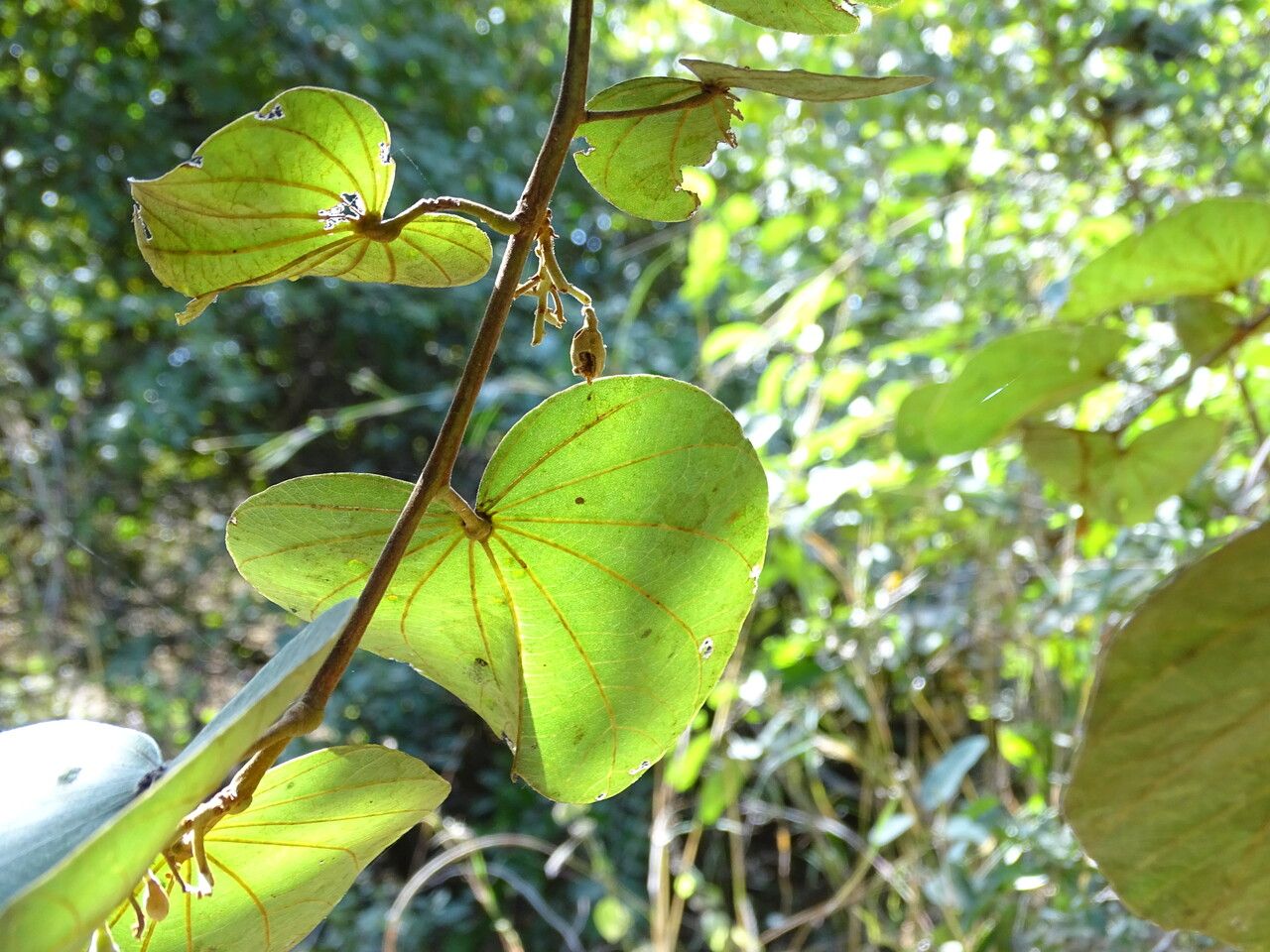
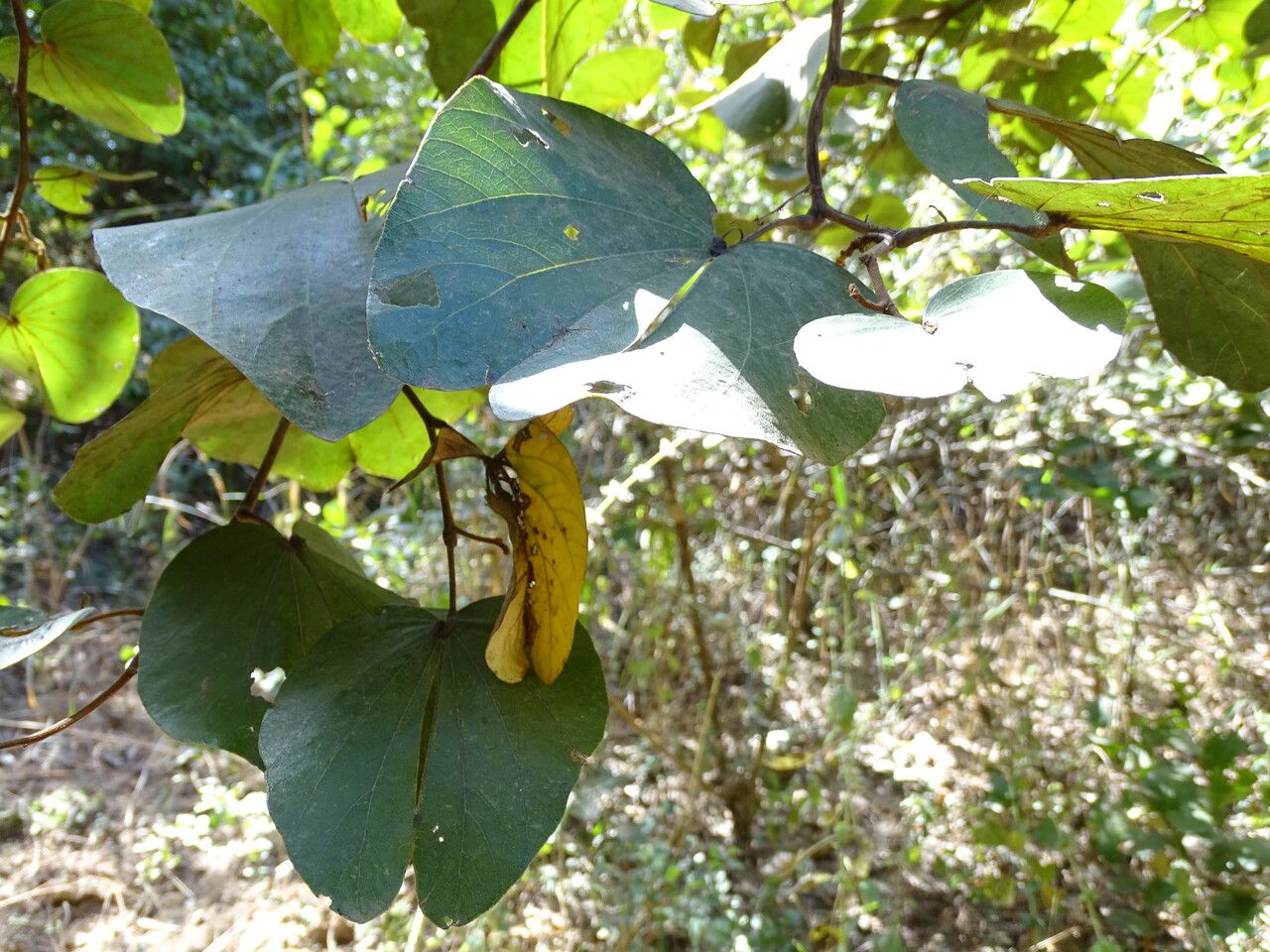
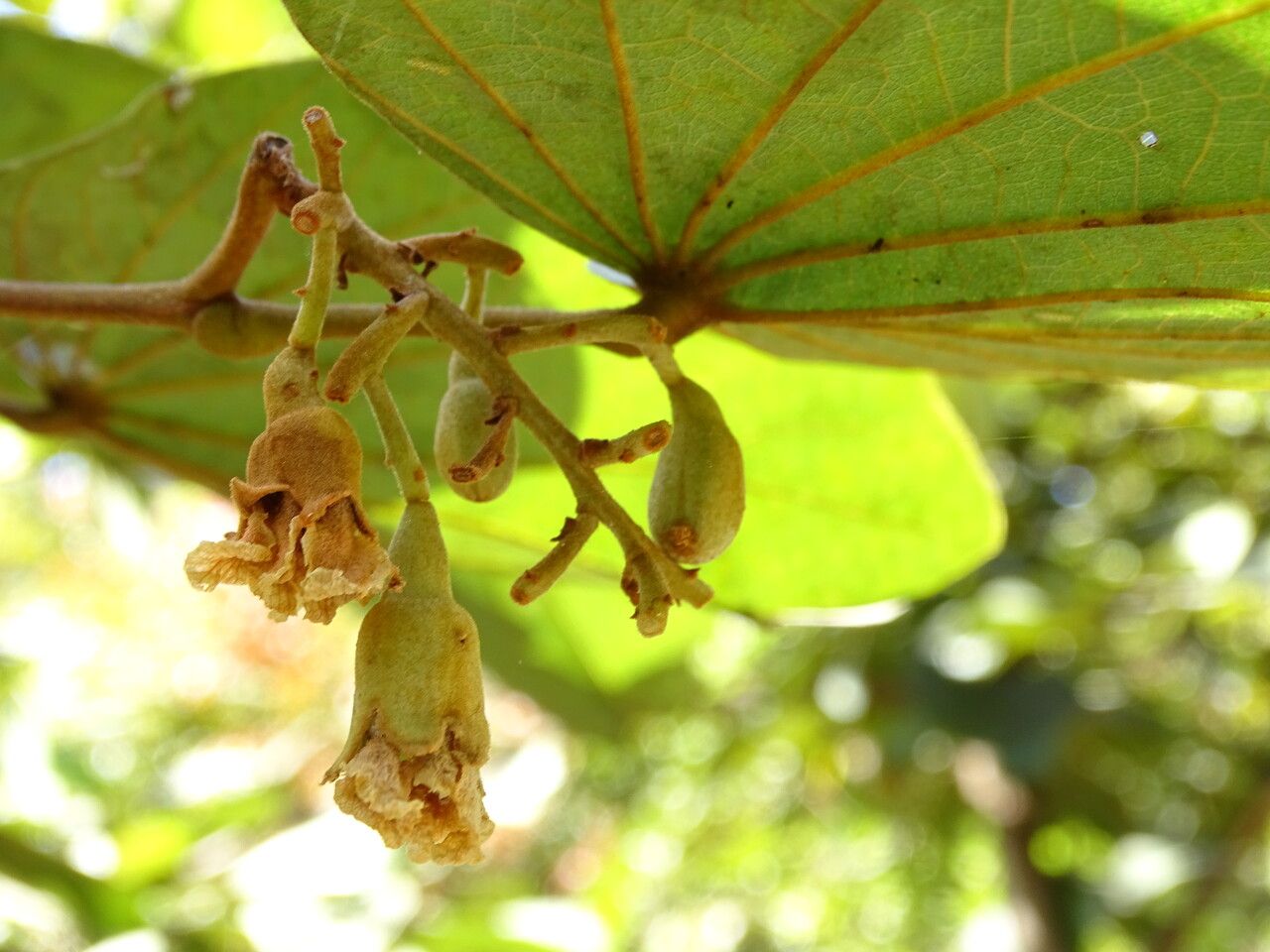
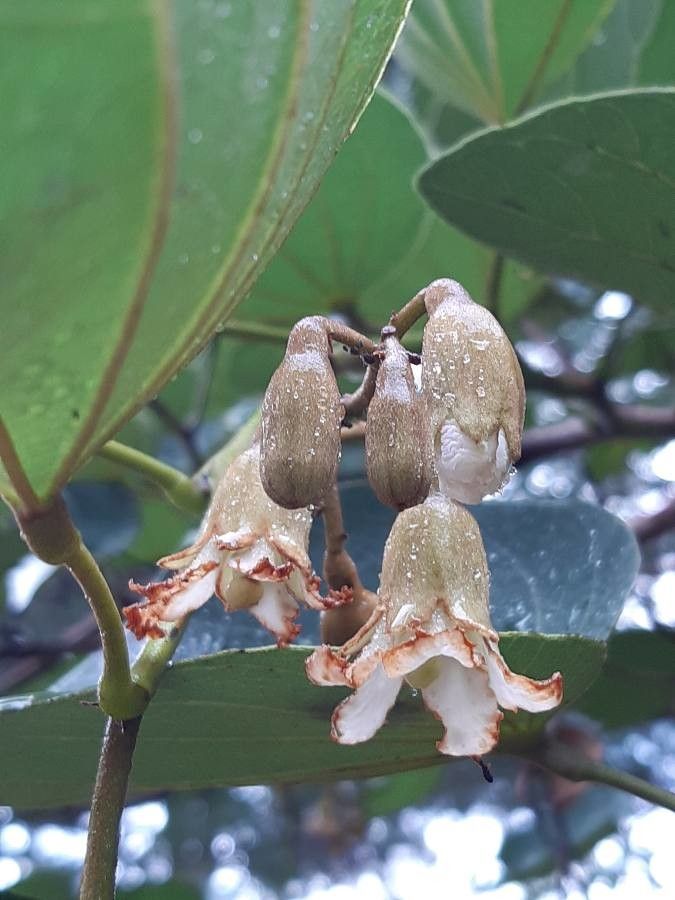
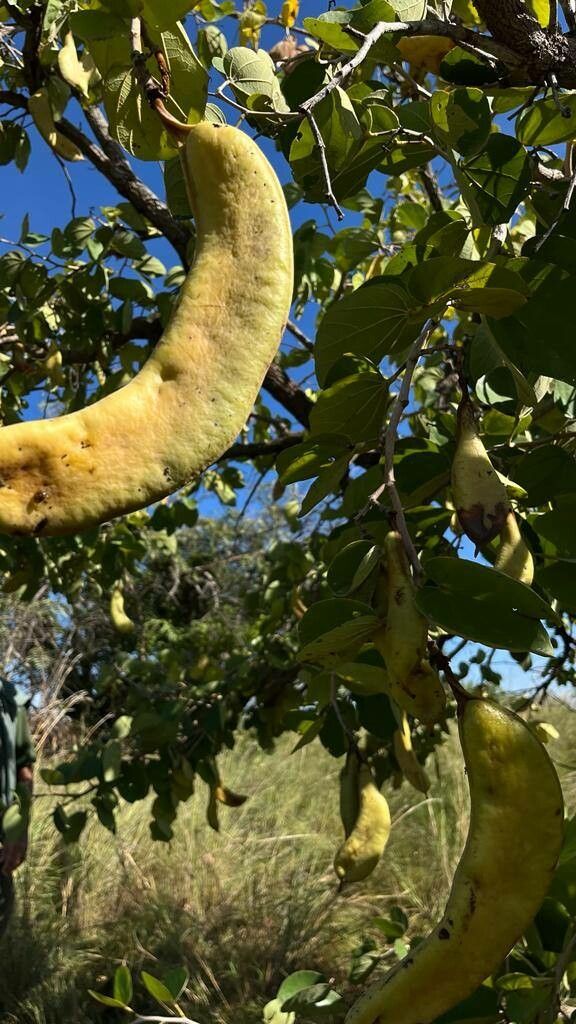
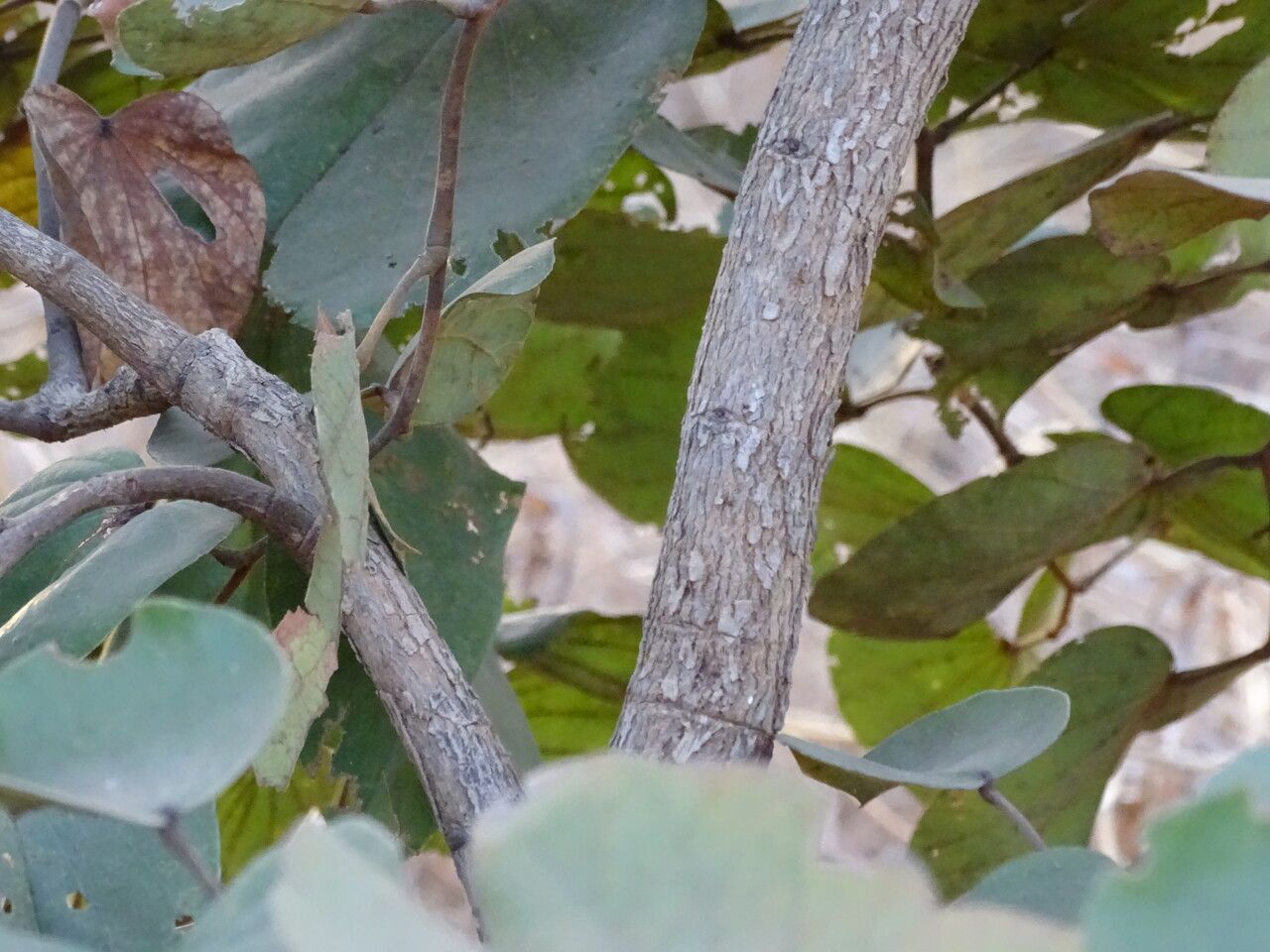
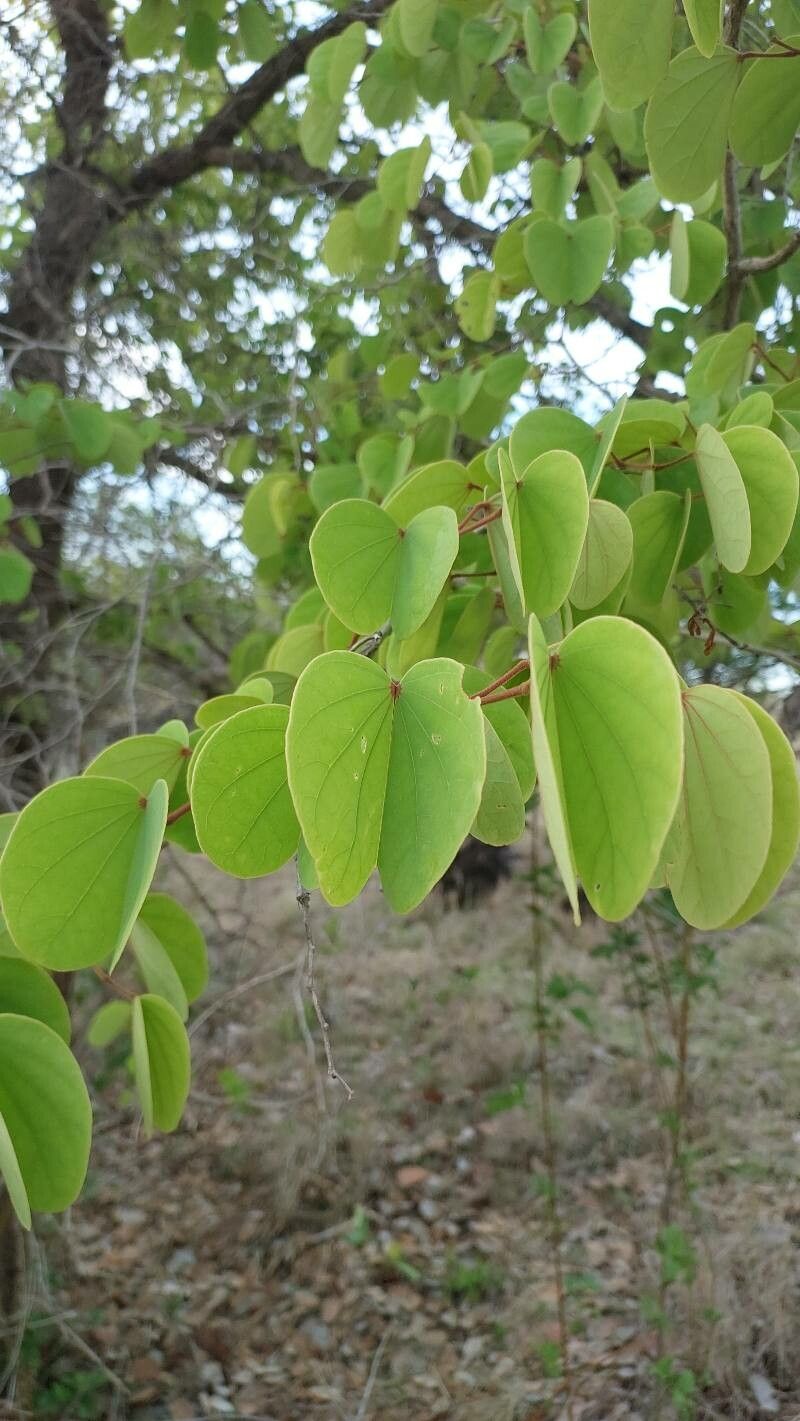
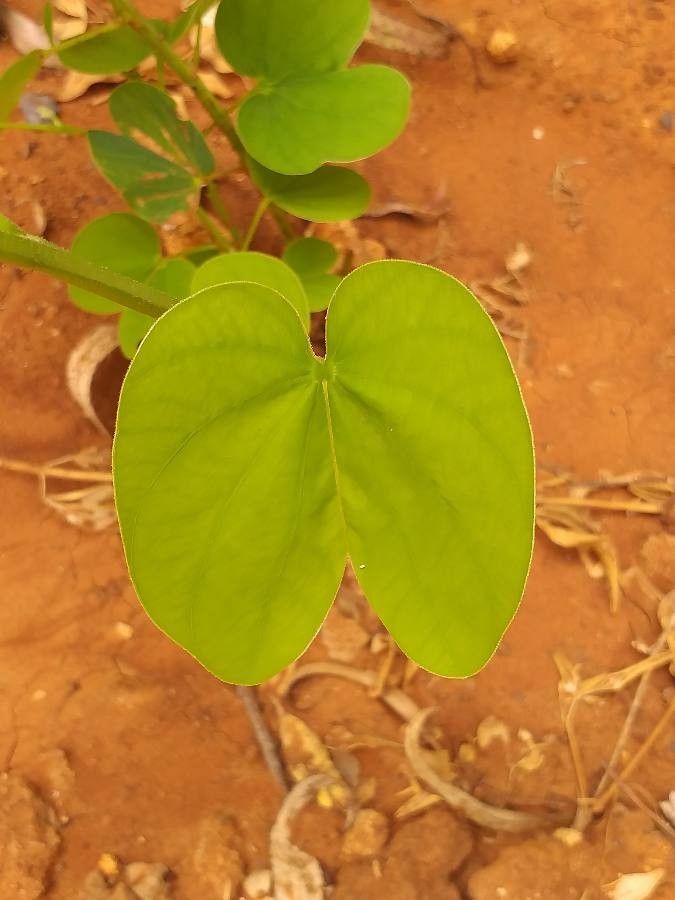
Piliostigma thonningii, commonly known as the African wild almond or the monkey cutlass tree, is a deciduous tree species native to Africa. This tree belongs to the Fabaceae family and can grow up to 20 meters in height. It features dark brown, rough bark and compound leaves with 5-7 oval-shaped leaflets.
The African wild almond produces small yellow flowers that bloom from November to February. These flowers are followed by fruit pods containing seeds that can be consumed by both humans and animals. The seeds are rich in oil, making them valuable for soap production or as a cooking oil.
Piliostigma thonningii is widely used in traditional medicine to treat various ailments, including diarrhea, fever, and skin infections. It also holds cultural significance for some African tribes, who use its bark to make traditional clothing.
Despite its importance and numerous uses, Piliostigma thonningii is threatened by deforestation due to human activities such as logging and agricultural land clearance. Conservation efforts are essential to protect this valuable species from extinction and to promote sustainable practices among local communities that depend on it for their livelihoods.
Botanical profile.
- Genus
- Piliostigma
- Family
- Fabaceae
Other names.