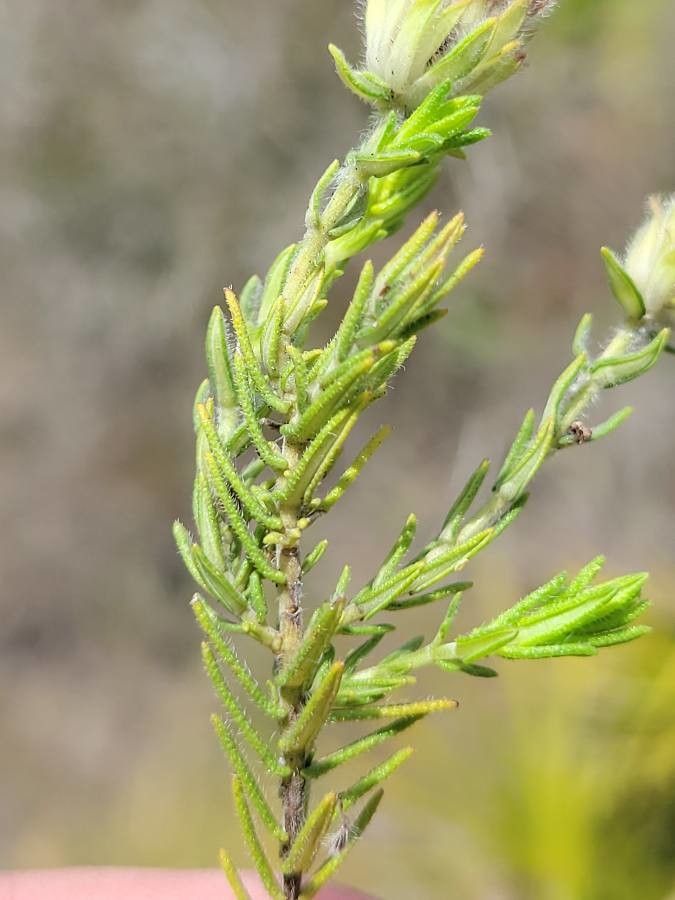
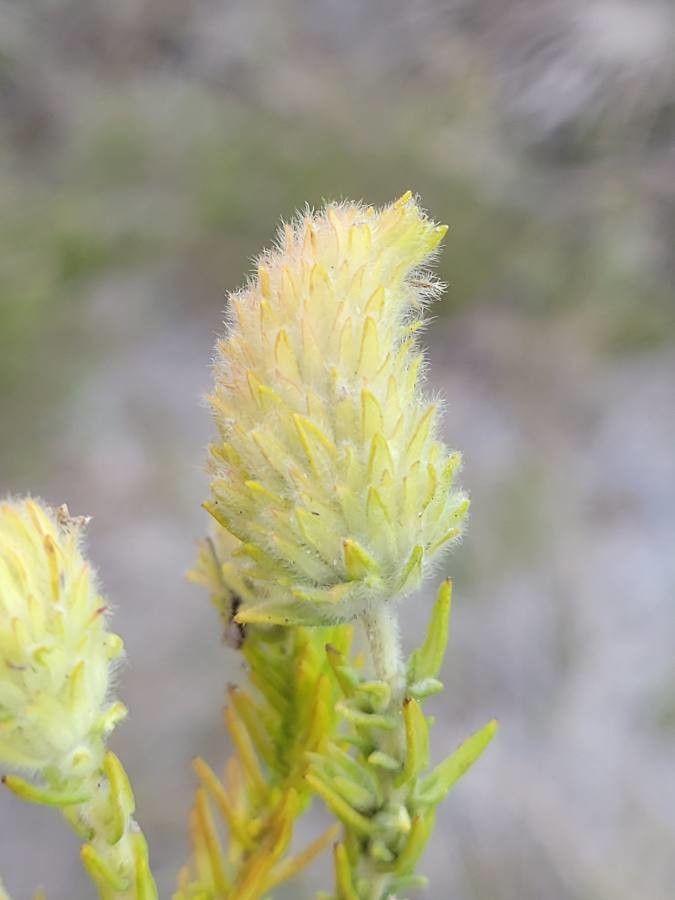
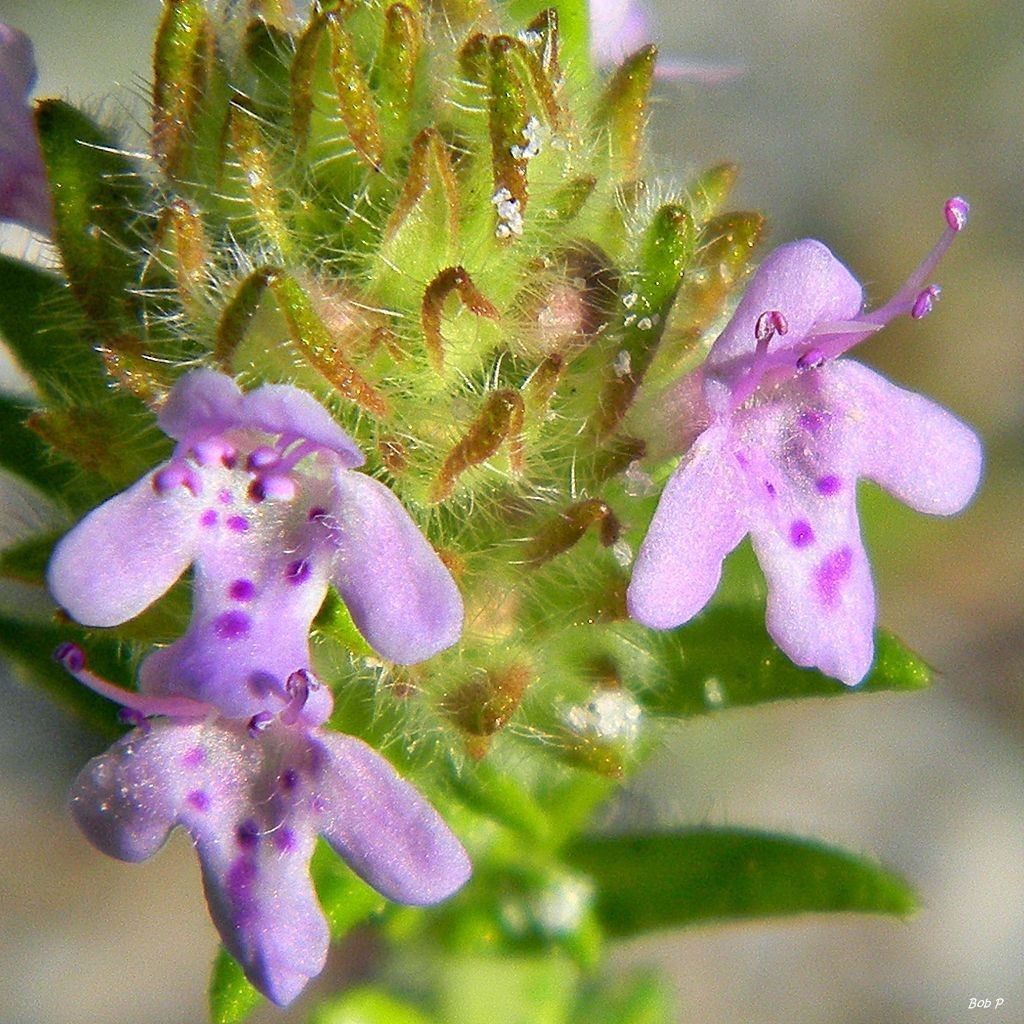
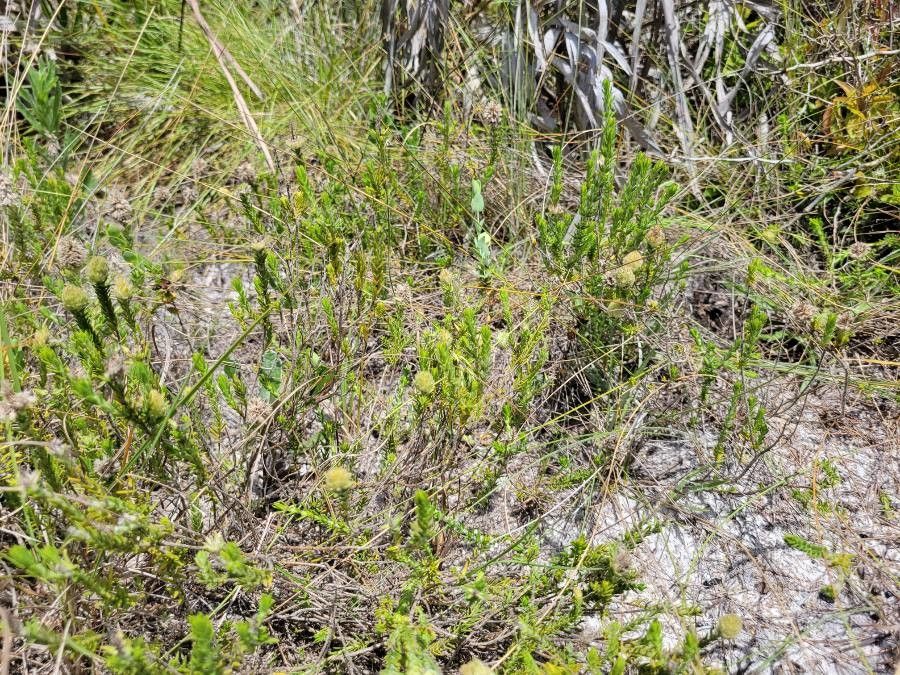
Piloblephis is a monotypic genus of flowering plant in the family Lamiaceae, first described in 1838. It contains only one known species, Piloblephis rigida, the wild pennyroyal, or pennyroyal native to Florida, southern Georgia, and the Bahamas.
Wild pennyroyal is resistant to many diseases and typically does not suffer from them. Regarding care, this plant is fairly low maintenance. Outdoors it needs only light watering, and larger specimens usually do not require pruning. Smaller specimens, however, should be trimmed after they have finished blooming. Wild pennyroyal is suitable for anyone with an outdoor area, such as a garden or deck, and does not demand extensive gardening experience.
How to keep Piloblephis Rigida.
Light
Wild pennyroyal performs best with abundant sunlight and is suited to spots that receive continuous light throughout the day. It can tolerate some shade, but achieves its strongest growth in brighter conditions. Excessive shade will hinder its growth, while too much light can stress the plant. Having originated in areas with high daily sun exposure, it is well adapted to those conditions.
Water
Wild pennyroyal is well-suited to semi-arid environments due to its drought tolerance. It thrives with minimal moisture and occasional rainfall, requiring low-maintenance watering only every 2-3 weeks. This plant flourishes in well-draining soils, making it ideal for rocky terrains where water is scarce.
Temperature
Wild pennyroyal naturally occurs in habitats where temperatures typically range from 68 to 95 °F (20 to 35 ℃). It grows best in these warmer conditions. Seasonal shifts in temperature may require extra care.
Fertilizer
Proper timing is important when fertilizing Wild pennyroyal. Apply fertilizer in early spring and continue monthly until early summer. Fertilizer encourages lovely blooms and supplies energy during both dormancy and active growth phases.
Pruning
Wild pennyroyal has fragrant leaves and stems. To keep the plant healthy and encourage bushier growth, prune it in early spring. This will remove any dead or diseased branches, enhancing air circulation and reducing the risk of fungal diseases. As a result, the plant will have a more compact form and produce vibrant blooms.
Botanical profile.
- Plant Type
- Shrub
- Life Cycle
- Perennial
- Genus
- Piloblephis
- Family
- Lamiaceae
- Hardiness Zone
- 9-10
- Mature Height
- 30 cm to 91 cm
- Mature Spread
- 15 cm to 30 cm
- Leaf Color
- Dark Green
- Leaf Type
- Deciduous
- Flower Color
- White
- Flower Size
- 2.54 cm
- Bloom Time
- Spring
- Planting Time
- Spring, Summer
- Harvest Time
- Late spring, Early summer, Mid summer
- Native Area
- Bahamas
Other names.
Reader questions.
What are the sunlight requirements for Wild Pennyroyal?
Wild Pennyroyal, or Piloblephis rigida, thrives best in full sunlight, requiring more than 6 hours of sunlight per day for optimal growth. It can also grow in partial sun, defined as about 3-6 hours of sunlight daily. However, excessive shade can limit its growth, while too much direct sunlight can stress the plant. It's essential to observe the movement of sunlight through your garden to find spots that offer a balance of light and shade, ensuring the plant's health and happiness.
What is the native environment of wild pennyroyal?
Wild pennyroyal, known botanically as Piloblephis rigida, is native to environments that typically exhibit a temperature range of 68 to 95 °F (20 to 35 °C). It thrives best in these warmer climates, where the conditions are favorable for its growth and survival. The seasonal adjustments in temperature may necessitate additional care to ensure the plant continues to flourish in varying climatic conditions.
How does artificial lighting support indoor growth of Wild Pennyroyal?
Indoor plants like Wild Pennyroyal need adequate lighting to grow well, especially when natural sunlight is insufficient, such as in winter or less sunny spaces. Artificial lighting provides a crucial solution, promoting faster and healthier growth. Opt for LED lights that can be customized to deliver specific wavelengths your plants require. Full sun plants need 30-50W/sq ft of artificial light, partial sun plants 20-30W/sq ft, and full shade plants 10-20W/sq ft. The appropriate distance for light placement is 12-36 inches above the plant, and most plants benefit from 8-12 hours of light per day.
How does cold weather affect wild pennyroyal, and what measures should be taken?
Wild pennyroyal has some cold tolerance and generally does not need extra protection when the temperature is above 0°C. However, if the temperature is expected to drop below 0°C, temporary measures should be taken to protect the plant from cold damage. This can include wrapping the plant with plastic film, fabric, or other suitable materials to insulate it against the cold. Once the temperature rises again, these protective coverings should be removed promptly to prevent any adverse effects on the plant.
What are the symptoms of insufficient light in Wild Pennyroyal?
Symptoms of insufficient light in Wild Pennyroyal include smaller new leaves, leggy or sparse growth, faster leaf drop, slower or halted new growth, and pale or irregularly colored new leaves. Conditions such as chlorosis (yellowing leaves due to chlorophyll breakdown), sunscald (pale or damaged areas on leaves/stems), leaf curling (as a defense mechanism to reduce exposed surface area), wilting (loss of turgor pressure causing drooping), and leaf scorching (brown, dry edges on leaves) can also occur either from too much sunlight or as signs of stress when the plant is not receiving adequate light.
What are the symptoms of low temperature exposure in wild pennyroyal, and how can they be addressed?
When exposed to temperatures below -5°C, wild pennyroyal may exhibit symptoms such as drooping leaves. In mild cases, the plant can recover, but in severe cases, the leaves will wilt and eventually fall off. To address the frost damage, trim off the frost-damaged parts of the plant. Before encountering low temperatures again, protect the plant by wrapping it with non-woven fabric or cloth and constructing a wind barrier to shield it from cold winds. This can help prevent further damage and promote recovery.
What solutions can be implemented for Wild Pennyroyal experiencing insufficient light?
To address insufficient light for Wild Pennyroyal, indoors, gradually move the plant to a sunnier location until it receives at least 6 hours of direct sunlight daily, using a south-facing window for maximum exposure. Consider artificial lighting, such as desk, ceiling, or professional plant grow lights, keeping them on for at least 8 hours daily. Outdoors, gradually acclimate your plants to sunlight by moving them to a sunnier location each week, avoiding sudden changes to prevent sunburn. For ground plants, minimize sunlight obstructions by pruning trees or relocating the plants to sunnier spots, ensuring they're moved during their dormant period for the best acclimatization and growth.
What effects do high temperatures have on wild pennyroyal, and what solutions are recommended?
During the summer, it's essential to ensure that wild pennyroyal is kept below 35°C to prevent heat stress. When the temperature exceeds 41°C, the plant may show signs of stress such as lighter leaf color, dry and withered leaf tips, curling leaves, and increased susceptibility to sunburn. To mitigate these issues, trim away sunburned and dried-up parts of the plant. Move the plant to a shaded area or use a shade cloth to protect it from the midday and afternoon sun. Additionally, watering the plant in the morning and evening can help keep the soil moist and reduce heat stress.