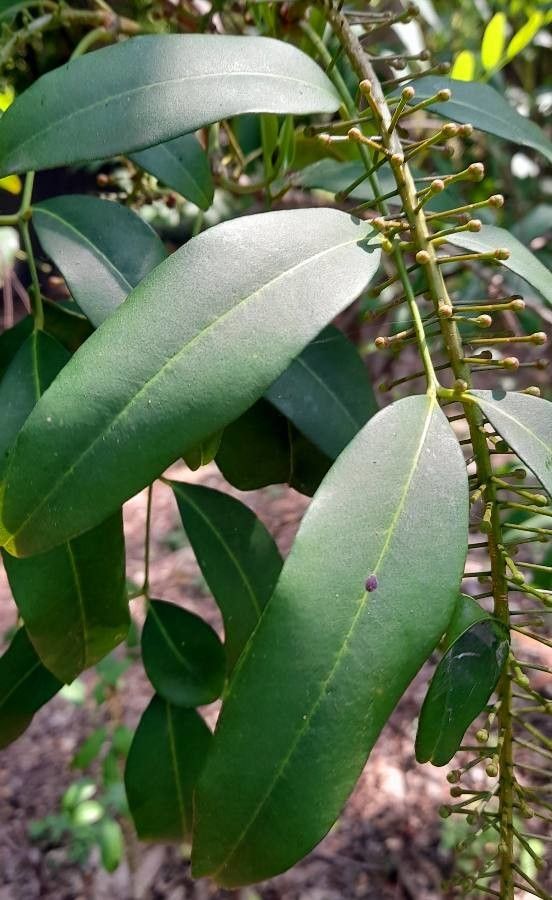
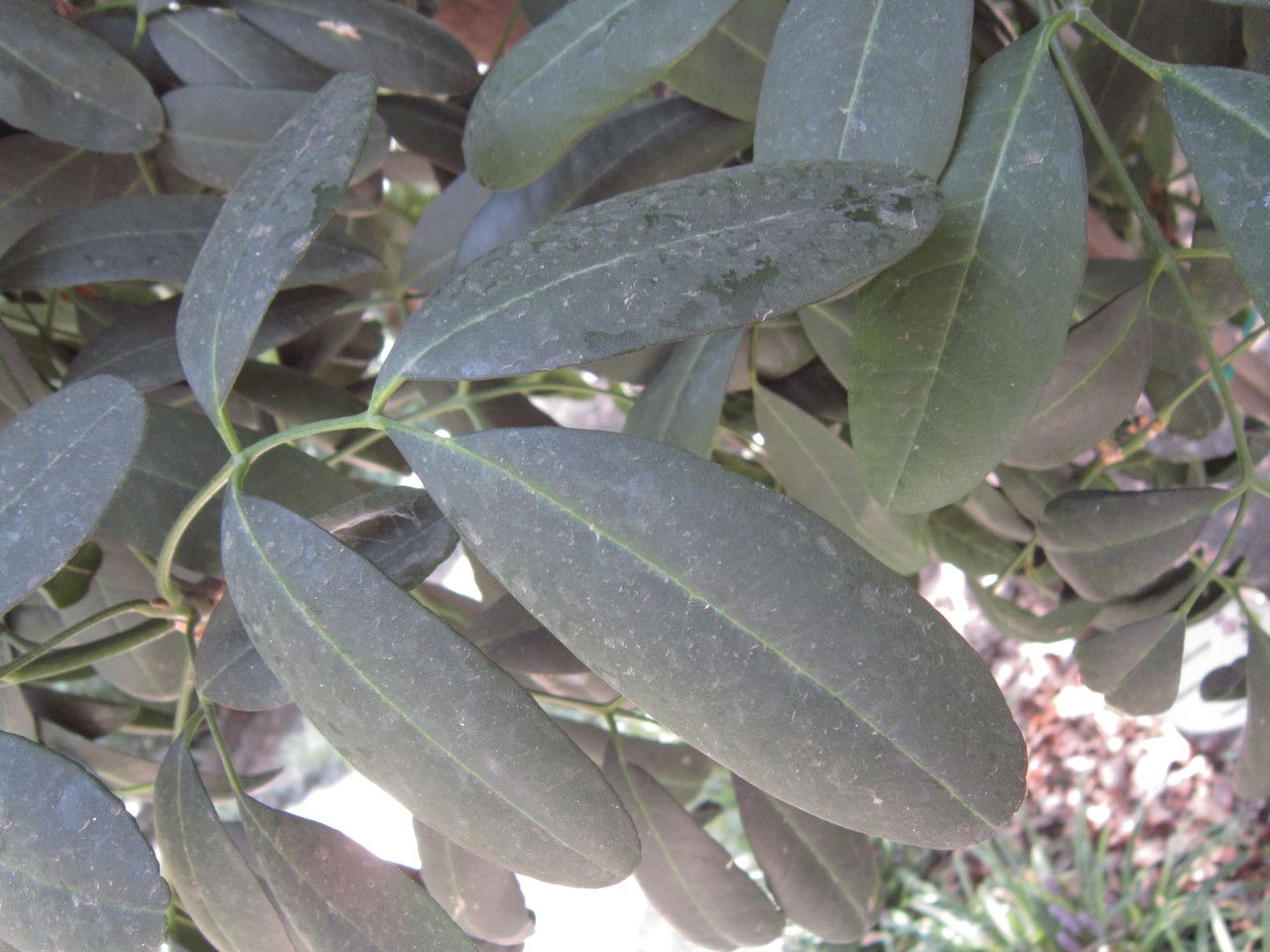
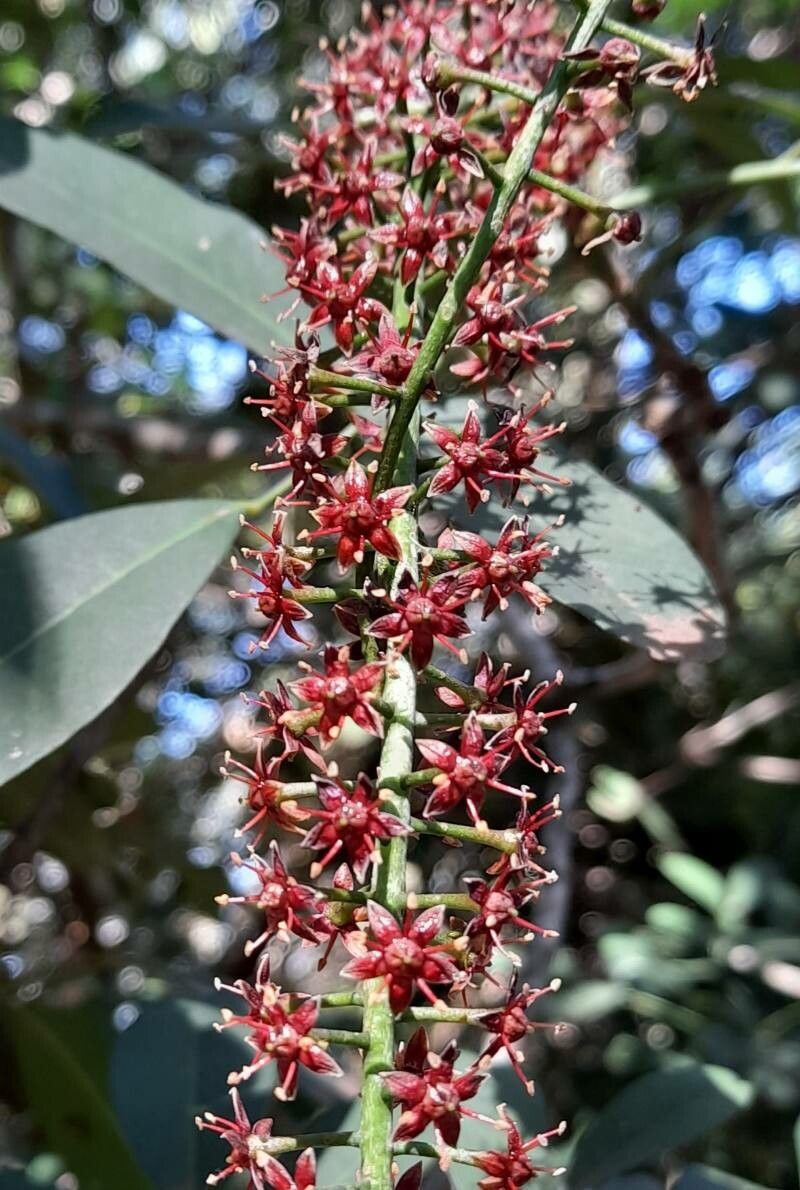
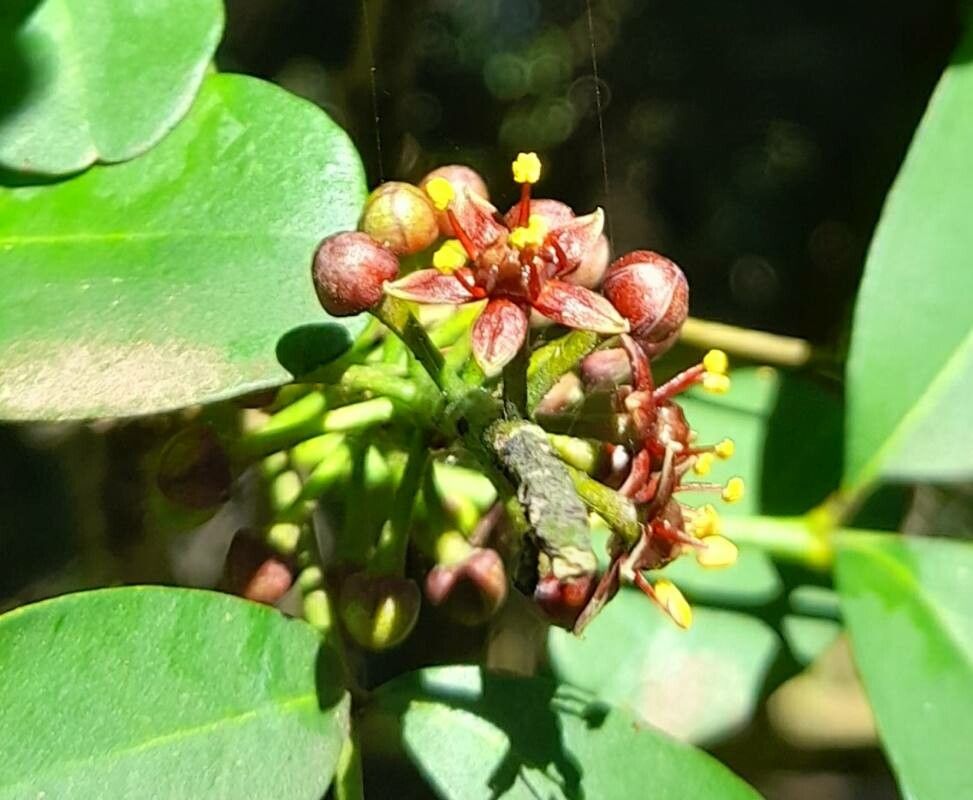
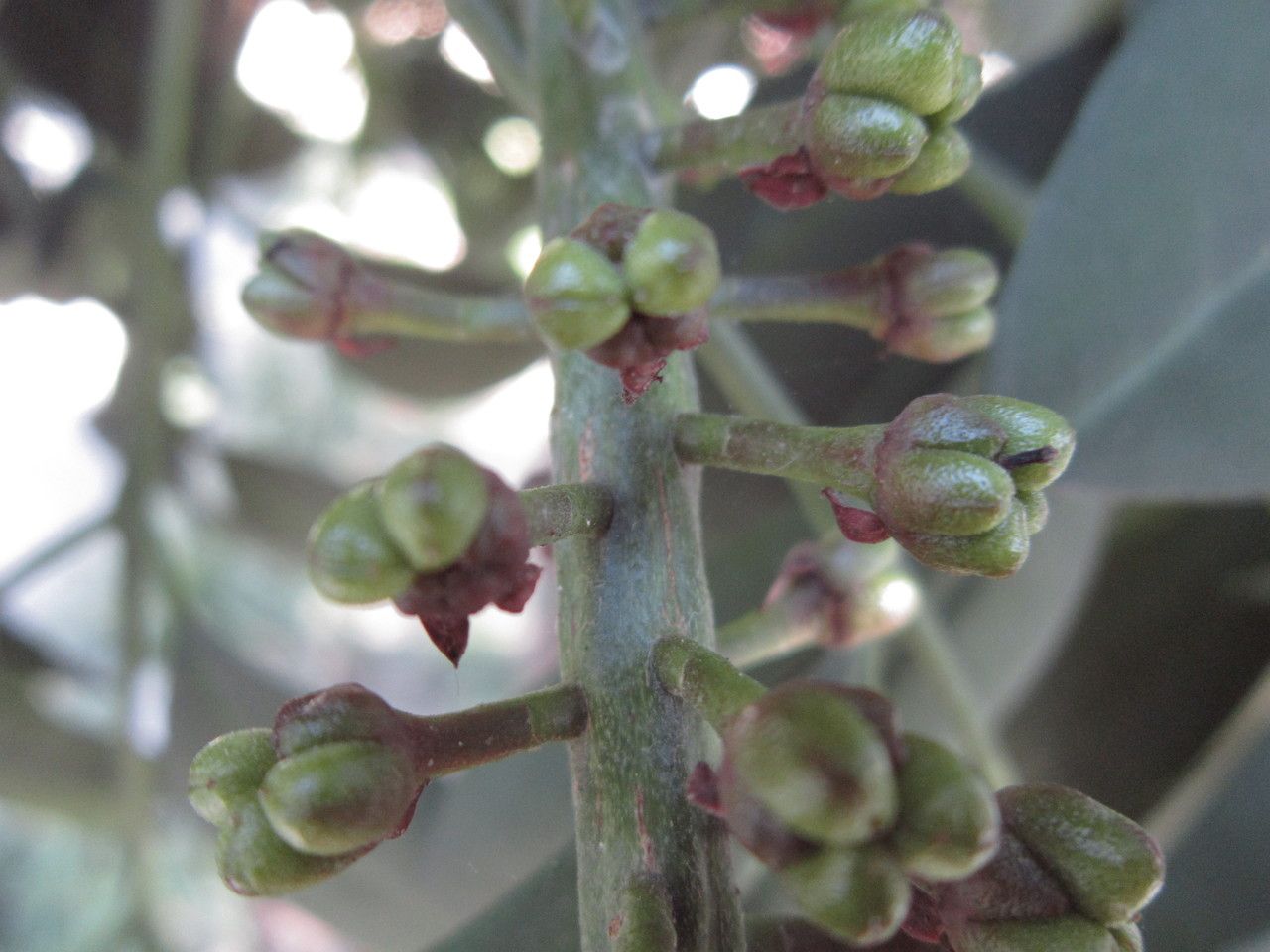
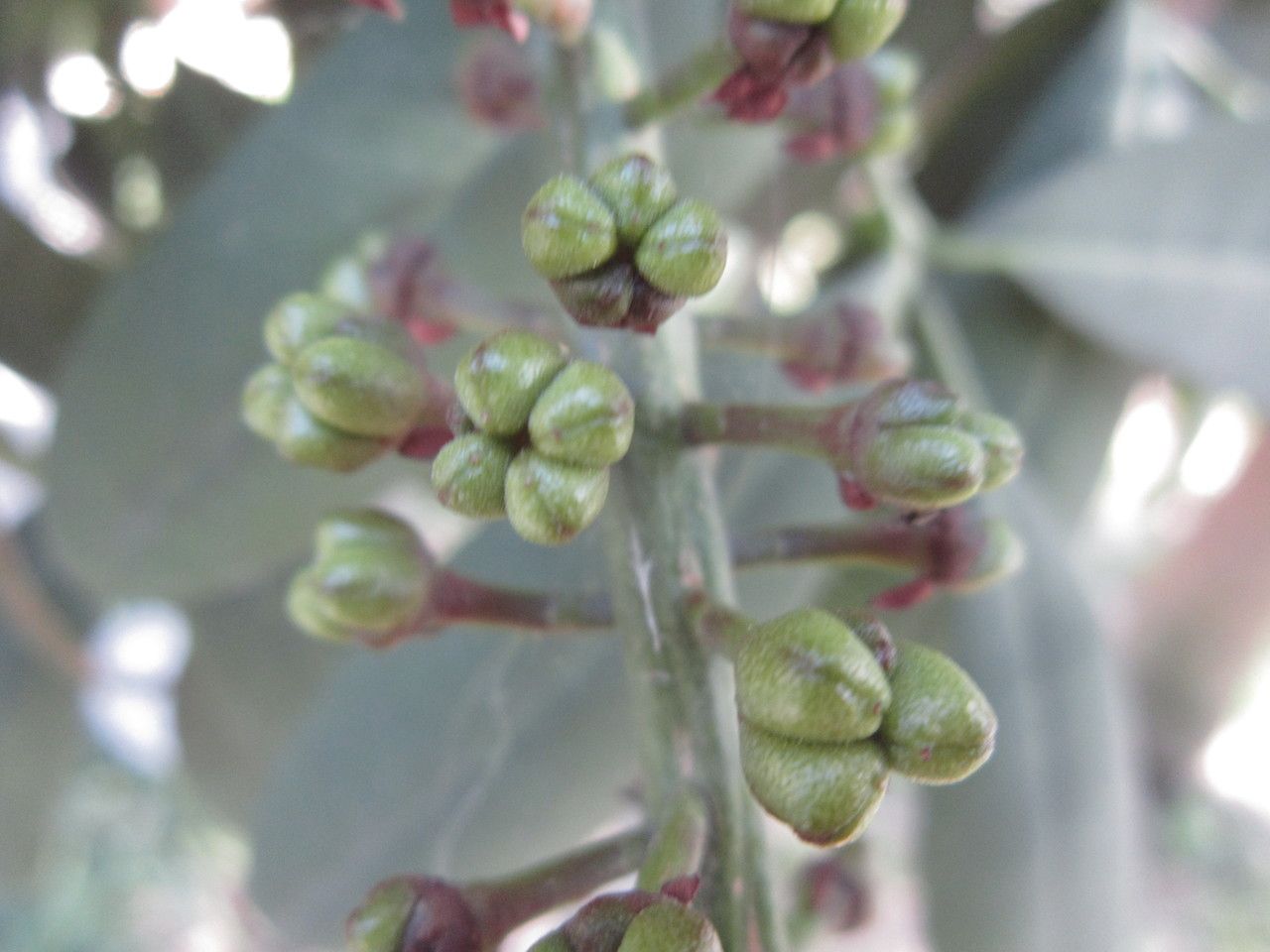
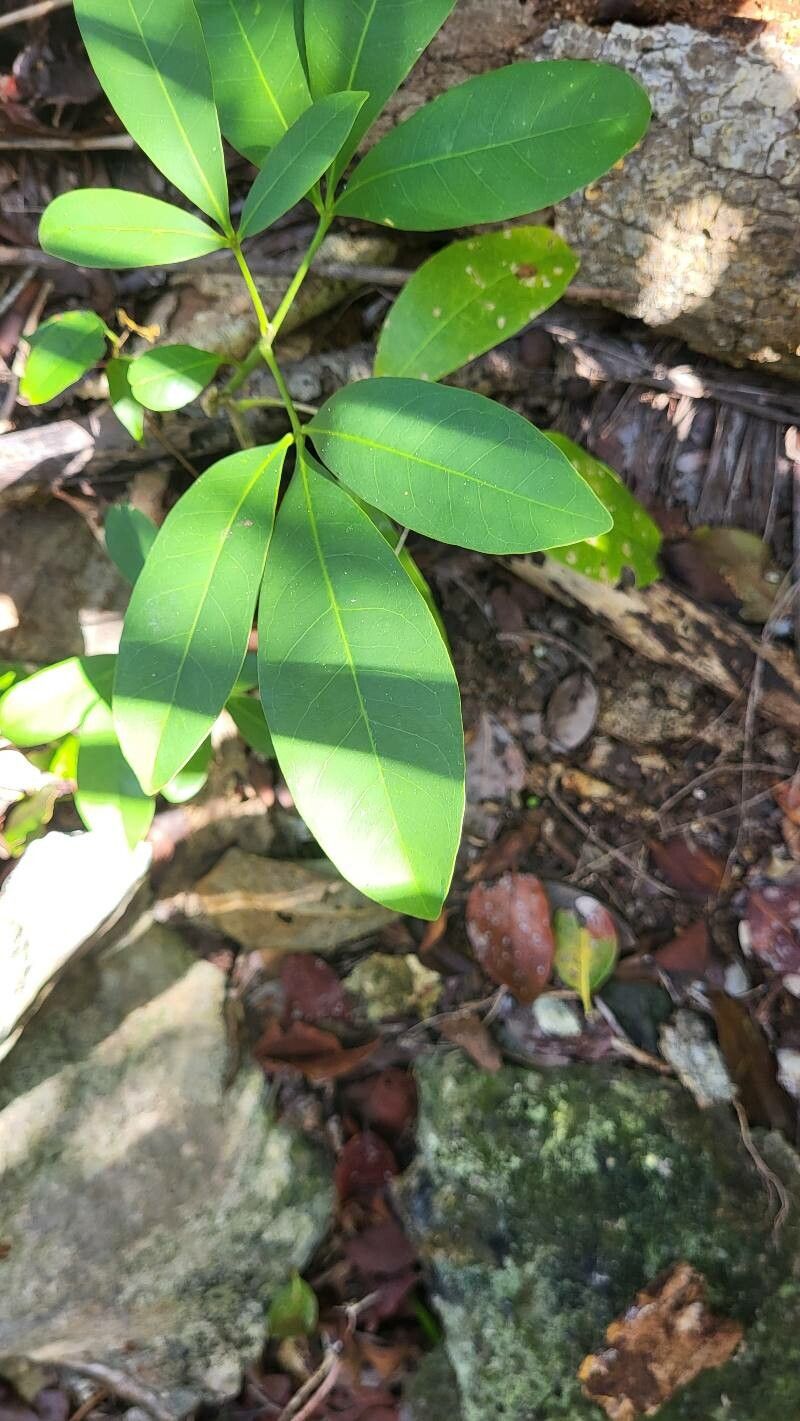
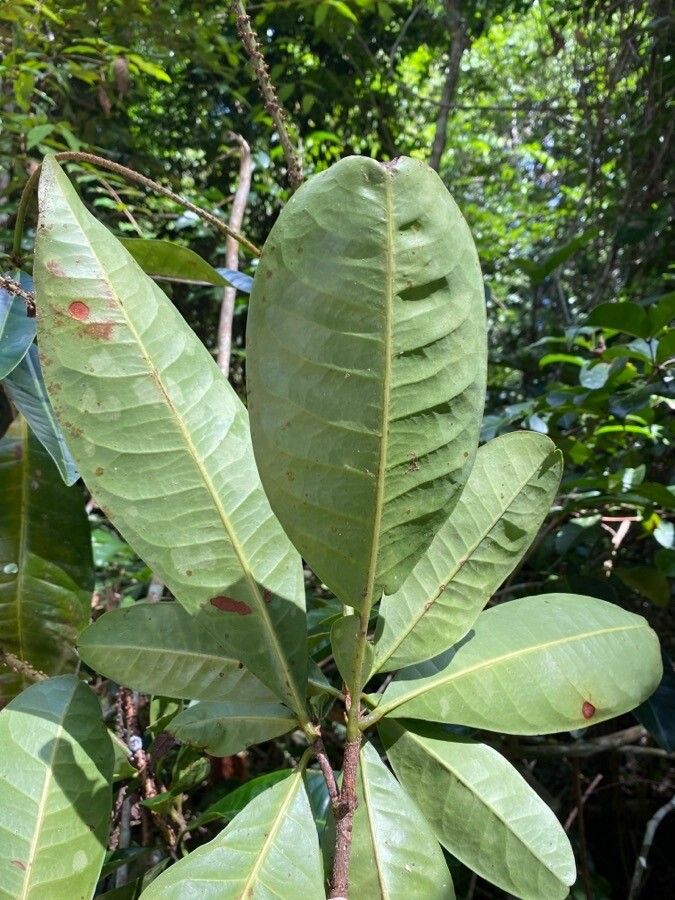
Pilocarpus pennatifolius, commonly known as Jaborandi, is a shrub or small tree native to South America. It belongs to the Rutaceae family and is renowned for its medicinal properties. This plant features dark green leaves, which are deeply divided into five to nine leaflets, and small white flowers that bloom in clusters. Its fruit is a small black drupe.
For centuries, indigenous people in South America have used Jaborandi as a natural remedy for various ailments, including fever, headaches, and digestive problems. The plant contains an alkaloid called pilocarpine, which stimulates the parasympathetic nervous system and increases saliva production.
In modern medicine, pilocarpine extracted from Jaborandi is used to treat conditions such as dry mouth caused by radiation therapy or Sjogren's syndrome. It is also applied topically to treat glaucoma by reducing intraocular pressure.
Jaborandi can be cultivated in tropical regions with well-drained soil and partial shade. The leaves are harvested when mature for medicinal purposes but must be collected under expert supervision due to their potential toxicity if not prepared correctly.
Overall, Pilocarpus pennatifolius, or Jaborandi, holds significant importance in traditional medicine due to its therapeutic properties. These benefits have been validated through various studies, making Jaborandi an essential plant species of interest today.
Botanical profile.
- Genus
- Pilocarpus
- Family
- Rutaceae
Other names.