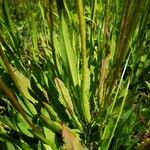
Pilosella caespitosa
King-devil · Meadow Hawkweed · Yellow Fox-and-cubs · Yellow Hawkweed · Yellow King-devil
Description
Source: leafsnapPilosella caespitosa (synonym Hieracium caespitosum, commonly known as meadow hawkweed, yellow hawkweed,field hawkweed, king devil, yellow paintbrush, devil's paintbrush, yellow devil, yellow fox-and-cubs, and yellow king-devil) is like several other Pilosella species and has a similar appearance to many of the hawkweeds.
Care Guide
💧 Water
Meadow hawkweed flourishes in well-drained, moderately moist environments. Despite its drought tolerance, it requires weekly watering. As an outdoor perennial, it benefits from good drainage while retaining enough moisture to support its growth, especially in regions with irregular rainfall.
How should I water my Meadow hawkweed?
To properly water the Meadow hawkweed, opt for filtered water at room temperature. This plant is sensitive to tap water as it may contain harmful particles. Since Meadow hawkweed thrives in warm environments, it's best to avoid using cold water, as it can shock the plant. When watering, refrain from overhead watering as it could lead to foliage issues. Instead, focus on saturating the soil with filtered room temperature water. This practice benefits the plant by keeping the roots moist and facilitating nutrient absorption.
What should I do if I give my Meadow hawkweed too much water or too little water?
Overwatering is a more common problem for Meadow hawkweed than underwatering. When Meadow hawkweed receives too much water, its stems and leaves may wilt and turn yellow. Prolonged overwatering can also cause diseases like root rot, mold, and mildew that can kill the plant. Underwatering is less common, but can still happen. When Meadow hawkweed is underwatered, its leaves become brittle and brown. It's important to notice signs of overwatering early so you can take action. Some diseases caused by overwatering may not be fixable if you wait too long. If you see early signs of overwatering, reduce your watering schedule and check the soil. If the soil drains poorly, replace it with a well-draining potting mix. If your Meadow hawkweed shows signs of not getting enough water, increase your watering until the signs go away.
How frequently do I need to water my Meadow hawkweed?
If your Meadow hawkweed is in a pot, the most precise way to determine if it needs water is to check the soil by plunging your finger into it. If the top few inches of soil feel dry, then it's time to water. The same method applies if you have planted the Meadow hawkweed outdoors in the ground. Check the top few inches of soil and if it's dry, water the plant. Typically, you'll need to water this plant about once a week during spring and early fall. However, during extremely hot weather, you might need to water it twice or even more times per week. On the positive side, mature and well-established Meadow hawkweed plants have a remarkable ability to withstand drought.
How much water does my Meadow hawkweed plant need?
To effectively water your Meadow hawkweed, be generous with the amount of water you provide. Make sure the top two to three inches of soil are dry before watering, and then give the plant a thorough watering that completely saturates the soil. It's important to provide enough water that it flows through the drainage holes at the bottom of the pot. If you don't see excess water draining out, you may not have given enough water and should adjust accordingly. However, be cautious of overwatering, as this can harm the plant. If water starts to accumulate in the soil, it's a dangerous sign and should be avoided. Additionally, if water doesn't drain properly through the pot, it may indicate that the soil doesn't drain well, which is not good for the plant's health. Lastly, if the plant is outside, receiving about 1 inch of rain per week should be sufficient.
How should I water my Meadow hawkweed as it grows?
The water needs of Meadow hawkweed can vary depending on its growth stages. In the first few years or after transplanting, it requires more water due to the focus on developing new roots for future growth. These roots perform better with slightly more moisture. As the plant matures, it will need less water, except during the bloom period when flower development requires a significant amount of moisture.
☀️ Light Full sun
Meadow hawkweed does best in abundant sunlight but can tolerate light shade. It comes from habitats with plentiful sun exposure. A combination of bright light and some shade encourages its healthy growth. Too much or too little light can adversely affect its wellbeing and development.
What are the sunlight requirements for Meadow Hawkweed (Pilosella caespitosa)?
Meadow Hawkweed thrives best under full sunlight conditions, requiring above 6 hours of sunlight daily, but it can also adapt to partial sun, receiving about 3-6 hours of sunlight. It originates from environments where sun exposure is plentiful, ensuring its growth is healthy when there's a balance between strong light and slight shade. Insufficient or excessive sunlight may adversely affect the plant's health and development. It's essential to observe your garden's sunlight patterns to choose the best spots that provide an ideal balance of light and shade, accommodating the plant's needs and ensuring its happiness.
How does artificial lighting affect Meadow Hawkweed, and what are the best practices?
In scenarios where natural sunlight is insufficient, especially during winter or in less sunny indoor spaces, artificial lighting becomes crucial for optimal growth of Meadow Hawkweed. Artificial lights can promote faster, healthier growth by supplying the necessary light spectrum. LED lights are recommended due to their efficiency and customization capabilities to match specific plant needs. Full sun plants like Meadow Hawkweed require 30-50W/sq ft of artificial light, while proper placement (12-36 inches above the plant) and mimicking natural daylight hours (8-12 hours per day) are essential for simulating an ideal growing environment.
What are the symptoms of incorrect lighting conditions for Meadow Hawkweed?
Meadow Hawkweed demonstrates various symptoms when exposed to inadequate lighting, including smaller new leaves, leggy or sparse growth, faster leaf drop, slower or halted growth, and lighter-colored new leaves indicating insufficient sunlight exposure. Conversely, excessive sunlight can cause chlorosis, where leaves lose their green color and turn yellow, sunscald with visible damage on leaves or stems, leaf curling as a defense against sun exposure, wilting from loss of water, and leaf scorching marked by brown dry edges on leaves. Monitoring these symptoms is essential for maintaining the plant's health.
How can you address lighting issues for Meadow Hawkweed both indoors and outdoors?
To address lighting issues for Meadow Hawkweed, gradual adjustment to sunlight exposure is key. For indoor plants, gradually moving them to a sunnier location, using a south-facing window, or supplementing with artificial lighting for at least 8 hours daily can improve light access. Outdoors, slowly transitioning the plants to sunnier spots while avoiding sudden changes that could lead to sunburn is advisable. If light obstruction is a problem, consider pruning or transplanting during the plant's dormant period to a location with better sunlight and drainage. It's important to note that while parts of the plant affected by poor lighting might not recover, new growth should be healthy following these adjustments.
🌡️ Temperature 5–35°C
Meadow hawkweed is naturally suited to temperatures from 41 to 95°F (5 to 35 ℃), which reflects its native temperate habitat. Because it is a hardy plant, seasonal temperature adjustments are usually not needed.
What is the natural temperature adaptation range for Meadow hawkweed?
Meadow hawkweed, scientifically known as Pilosella caespitosa, is naturally adapted to thrive in temperatures ranging from 41 to 95°F (5 to 35°C), reflecting its origin in temperate environments. This hardy plant typically does not require seasonal temperature adjustments due to its strong cold resistance. However, during winters with temperatures expected to drop below -25°C, it is advisable to provide cold protection by covering the plant with soil or straw. To prepare for winter, watering the plant abundantly before the first freeze in autumn is recommended to ensure the soil remains moist and enters a frozen state, thereby reducing the risk of drought and water scarcity.
How does Meadow hawkweed respond to low temperature conditions?
Meadow hawkweed is notably cold-tolerant, thriving best when the temperature remains above 5°C. While the plant generally handles winter conditions well and should be kept above -20°C, a drop in temperature below -25°C might not show immediate noticeable changes during the winter; however, there could be a significant decrease in sprouting or no sprouting at all come springtime. The recommended solution for such instances in spring is to remove any parts of the plant that have failed to sprout, promoting healthier growth for the remainder of the plant.
What should be done if Meadow hawkweed experiences high temperatures?
During the summer months, it is crucial to ensure that Meadow hawkweed's temperature does not exceed 35°C. Should the temperature rise beyond 38°C, the plant may exhibit signs of stress, such as a lighter coloration of the leaves, curling, susceptibility to sunburn, and in severe cases, wilting and drying out completely. To mitigate these effects, removing sunburned and dried up parts of the plant is advised. Additionally, relocating the plant to an area with shade from the midday and afternoon sun or utilizing a shade cloth can help. Ensuring that the plant is watered in the morning and evening will keep the soil moist and help the plant cope with high temperatures.
💨 Humidity
🪴 Soil 6-7
🌱 Fertilizer
The best time to fertilize a Meadow hawkweed is in early spring, when it is coming out of dormancy and starting active growth. Fertilization supplies essential nutrients for healthy development. Although Meadow hawkweed has fairly low fertilizer requirements, applying fertilizer annually can improve its survival and encourage better, longer-lasting flowers.
🪴 Pot & Repot
✂️ Pruning
To manage the growth and shape of meadow hawkweed, prune the plant in early to late spring. Trim away any dead stems and reduce the plant's height to encourage denser growth. Be careful not to prune too heavily, as this can stress the plant. By following these steps, you can control the spread of meadow hawkweed, enhance its health, and keep your garden looking tidy, all in line with expert horticultural advice.
🌿 Propagating
🐛 Diseases & pets
☠️ Toxicity
Characteristics
- Plant Type
- Herb
- Life Cycle
- Perennial
- Genus
- Pilosella
- Family
- Asteraceae
- Hardiness Zone
- 5-9
- Mature Height
- 76 cm
- Mature Spread
- 40 cm
- Leaf Color
- Green, Blue
- Leaf Type
- Deciduous
- Flower Color
- Yellow
- Flower Size
- 1.52 cm to 2.03 cm
- Bloom Time
- Late spring, Early summer, Mid summer
- Planting Time
- Spring, Autumn
- Harvest Time
- Summer
- Native Area
- Turkey, Sweden, Austria, Czech Republic, Slovakia, Bulgaria, Poland, Greece, Croatia, Slovenia, Belarus, Ukraine, Serbia, Uzbekistan, Lithuania, Hungary, Germany, Switzerland, Estonia, Mongolia, Finland, Bosnia and Herzegovina, Romania, Latvia, France