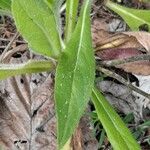
Pilosella cymosa
Hawkweed · Cymose mouse-ear hawkweed · Tall Hawkweed · Yellow button · Goldilocks
Care Guide
💧 Water
Cymose mouse-ear hawkweed thrives in areas with moderate rainfall and needs consistent watering, about once a week. It grows best outdoors, where it can take advantage of natural rain cycles. The plant has adapted to balance drought conditions with excess moisture, maintaining optimal moisture levels for healthy growth.
How should I water my Cymose mouse-ear hawkweed?
When watering the Cymose mouse-ear hawkweed, it is best to use filtered water at room temperature. Tap water can have harmful particles, so filtered water is better. The plant prefers warm water because it is used to a warm environment. Cold water can be a shock to its system. Avoid overhead watering as it can cause problems with the foliage. Instead, water the soil directly until it is completely soaked. This helps moisten the roots and allows them to spread and collect nutrients.
What do I do if I give my Cymose mouse-ear hawkweed too much or too little water?
Both overwatering and underwatering can harm the health of your Cymose mouse-ear hawkweed, but overwatering is more common. When this plant gets too much water, its stems and leaves may wilt and turn yellow. Overwatering for a long time can also cause diseases like root rot, mold, and mildew, which can kill the plant. Underwatering is less likely because the plant can tolerate low water levels, but it can still happen. In this case, the leaves of the plant become brown and brittle. It’s important to notice the signs of overwatering early and take immediate action. Some diseases caused by overwatering, like root rot, may not be reversible if left untreated for too long. If you see signs of overwatering, reduce your watering schedule right away. Check the soil quality, and replace it if it doesn't drain well. If you see signs of underwatering, simply increase your watering frequency until the signs go away.
How often do I need to water my Cymose mouse-ear hawkweed plant?
If your Cymose mouse-ear hawkweed plant is in a pot, the most precise way to determine if it needs water is by checking the soil. You can do this by sticking your finger into the soil. If the top two to three inches of soil feel dry, it's time to water the plant. If you have the Cymose mouse-ear hawkweed planted outdoors in the ground, you can use a similar method to check the soil. Once again, if the top few inches of soil are dry, it's time to water the plant. In general, during the spring and early fall, you should water this plant about once a week using this method. However, during hot weather, you may need to increase the frequency to about twice a week or more. It's worth mentioning that mature and well-established Cymose mouse-ear hawkweed plants can tolerate drought well.
How much water does my Cymose mouse-ear hawkweed require?
To properly water your Cymose mouse-ear hawkweed, make sure the first two to three inches of soil are dry. Give the plant a thorough watering until the soil is completely soaked, allowing excess water to drain through the pot's drainage holes. If you don't see excess water draining, you may have underwatered the plant. Avoid letting water accumulate in the soil, as this is harmful. Additionally, ensure the pot has good drainage to prevent soil from becoming waterlogged. If the plant is outside, 1 inch of rain per week is enough.
How do I water my Cymose mouse-ear hawkweed as it grows?
The water needs of the Cymose mouse-ear hawkweed can vary depending on its growth stages. In the first few years of its life or when it has been recently transplanted, it will require more water than usual. This is because the plant will be focusing on growing new roots to support future growth, and these roots need additional moisture. As the plant matures over a few seasons, it will require less water. Additionally, during the bloom period, the plant will need more water due to the energy it puts into flower development. So, during this time, you may need to provide it with extra water.
☀️ Light Partial sun
Cymose mouse-ear hawkweed occurs naturally in places like forest understories or rocky areas, where it receives natural shade. It prefers partial sun but can also grow in full sun or full shade, demonstrating its versatile and hardy nature.
What are the sunlight requirements for plants?
Plants have varying sunlight requirements, ranging from partial sun, which is about 3-6 hours of sunlight, to full sun, requiring above 6 hours of sunlight daily. It's crucial to observe the movement of sunlight through your garden to identify spots that offer the ideal mix of light and shade, ensuring your plants thrive. Different plants need diverse amounts of light, underscoring the importance of choosing a location that caters to their specific sunlight needs.
What are the essentials for growing Cymose mouse-ear hawkweed?
Cymose mouse-ear hawkweed thrives in environments similar to forest understories or rocky areas, benefiting from natural shade. This perennial herbaceous plant prefers partial sun but can also adapt to full shade, showcasing its versatility. For indoor plants not getting enough natural sunlight, especially during winter or in areas with less sun, artificial lighting provides a critical solution. LED lights, which can be tailored to deliver specific wavelengths needed for plant growth, are recommended. Depending on the plant's sunlight needs, the wattage per square foot varies: 30-50W for full sun plants, 20-30W for partial sun plants, and 10-20W for full shade plants. The light source should be positioned 12-36 inches above the plant, and for most species, 8-12 hours of light per day mimic natural daylight hours effectively.
What are the symptoms of light deficiency in plants?
Cymose mouse-ear hawkweed can show several symptoms when exposed to insufficient light, including smaller new leaves, leggy or sparse growth, faster leaf drop, slower or no new growth, and leaves that are lighter in color or develop irregular color patterns. Other symptoms linked to excessive sunlight exposure include chlorosis, where leaves turn yellow because of chlorophyll breakdown, sunscald characterized by damaged plant tissue, leaf curling as a defense to minimize water loss, wilting due to high transpiration, and leaf scorching seen as brown, dry patches on leaves. These symptoms indicate the plant's struggle with its current light condition, whether too little or too much.
How can I address light-related issues in my plants?
To address light-related issues, adjusting the plant's exposure to sunlight is key. For indoor plants, gradually shift them to sunnier spots to achieve 3-6 hours of direct sunlight daily, or use artificial lighting such as desk lamps or professional grow lights for at least 8 hours daily. For outdoor plants, it's vital to gradually move them to brighter locations, avoiding sudden changes that could cause sunburn. Furthermore, reducing obstructions like overhanging branches can significantly increase sunlight exposure. Transplanting smaller plants during their dormant period ensures they get enough light without stressing them unduly. Remember, while adjustments can promote new healthy growth, parts of the plant already affected by poor light may not fully recover.
🌡️ Temperature 10–35°C
Cymose mouse-ear hawkweed is native to areas with mild temperatures and grows best within a range of 50 to 95 °F (10 to 35 ℃). In harsher climates, seasonal temperature adjustments might be required to preserve its longevity.
What is the ideal temperature range for Cymose mouse-ear hawkweed?
Cymose mouse-ear hawkweed, scientifically known as Pilosella cymosa, thrives best in moderate temperature regions. The ideal temperature range for its growth is between 50 to 95 °F (10 to 35 °C). To ensure the plant's longevity, it might be necessary to make seasonal temperature adjustments, especially in harsh climates.
Does Cymose mouse-ear hawkweed require frost protection during winter?
Cymose mouse-ear hawkweed is notable for its strong cold resistance, thus special frost protection measures are usually not necessary. However, in areas where winter temperatures are anticipated to drop below -25°C, it's important to provide extra cold protection. This can be accomplished by covering the plant with insulating materials such as soil or straw. Additionally, watering the plant abundantly before the first freeze in autumn helps to ensure the soil remains moist and enters a frozen state, which aids in preventing drought and water scarcity for the plant during winter and early spring.
How does low temperature affect Cymose mouse-ear hawkweed?
Cymose mouse-ear hawkweed is cold-tolerant and performs best in temperatures above 10°C. If the temperature drops below -25°C, while there might not be any visible changes during winter, it could lead to a decrease in sprouting or even no sprouting at all in spring. To counteract this, it's advisable to remove any parts of the plant that have failed to sprout once the warmer temperatures of spring arrive.
How does high temperature affect Cymose mouse-ear hawkweed?
During the summer, Cymose mouse-ear hawkweed should be kept at temperatures below 35°C. Should the temperature rise above 41°C, the plant's leaves may lighten in color and become prone to curling, suffering from sunburn, and in severe instances, the entire plant may wilt and dry out. To help the plant recover from high temperatures, trim away sunburned and dried-up parts. Moving the plant to a shaded location or using a shade cloth to protect it from the midday and afternoon sun can be beneficial. Additionally, watering the plant in the morning and evening helps keep the soil moist and assists in cooling the plant.
💨 Humidity
🪴 Soil 6-7
🌱 Fertilizer
One fertilizer application in spring is generally enough for Cymose mouse-ear hawkweed, although repeated feedings can optimize growth. Apply about once a month to every six weeks. Fertilizing improves the leaves' appearance and function, helping maintain even color and a healthy texture. It also promotes root development and nutrient uptake, supporting long-term plant health.
🪴 Pot & Repot
✂️ Pruning
The cymose mouse-ear hawkweed is characterized by its small yellow flowers and hairy leaves. To promote growth, prune dead stems in early spring, and lightly shape the plant later to encourage blooming. Proper pruning improves air circulation, reduces the risk of disease, and maintains the plant's vigor. Always use clean tools to prevent infection and ensure a healthy and vibrant display.
🌿 Propagating
🐛 Diseases & pets
☠️ Toxicity
Characteristics
- Plant Type
- Herb
- Life Cycle
- Perennial
- Genus
- Pilosella
- Family
- Asteraceae
- Hardiness Zone
- 6-10
- Mature Height
- 30 cm to 76 cm
- Mature Spread
- 20 cm to 30 cm
- Leaf Color
- Green, Dark Green
- Leaf Type
- Semi-evergreen
- Flower Color
- Yellow
- Flower Size
- 1.02 cm to 1.52 cm
- Bloom Time
- Late spring, Early summer, Mid summer
- Planting Time
- Spring, Summer
- Harvest Time
- Summer