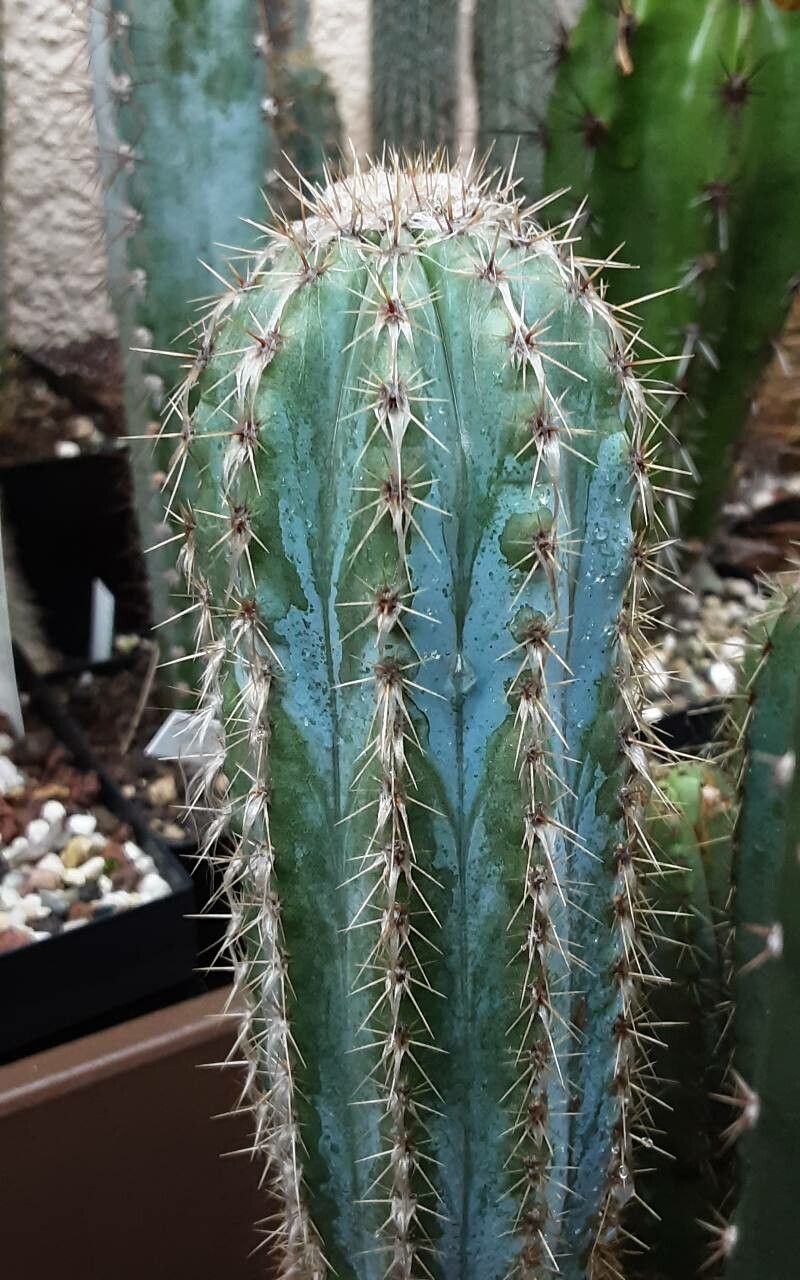
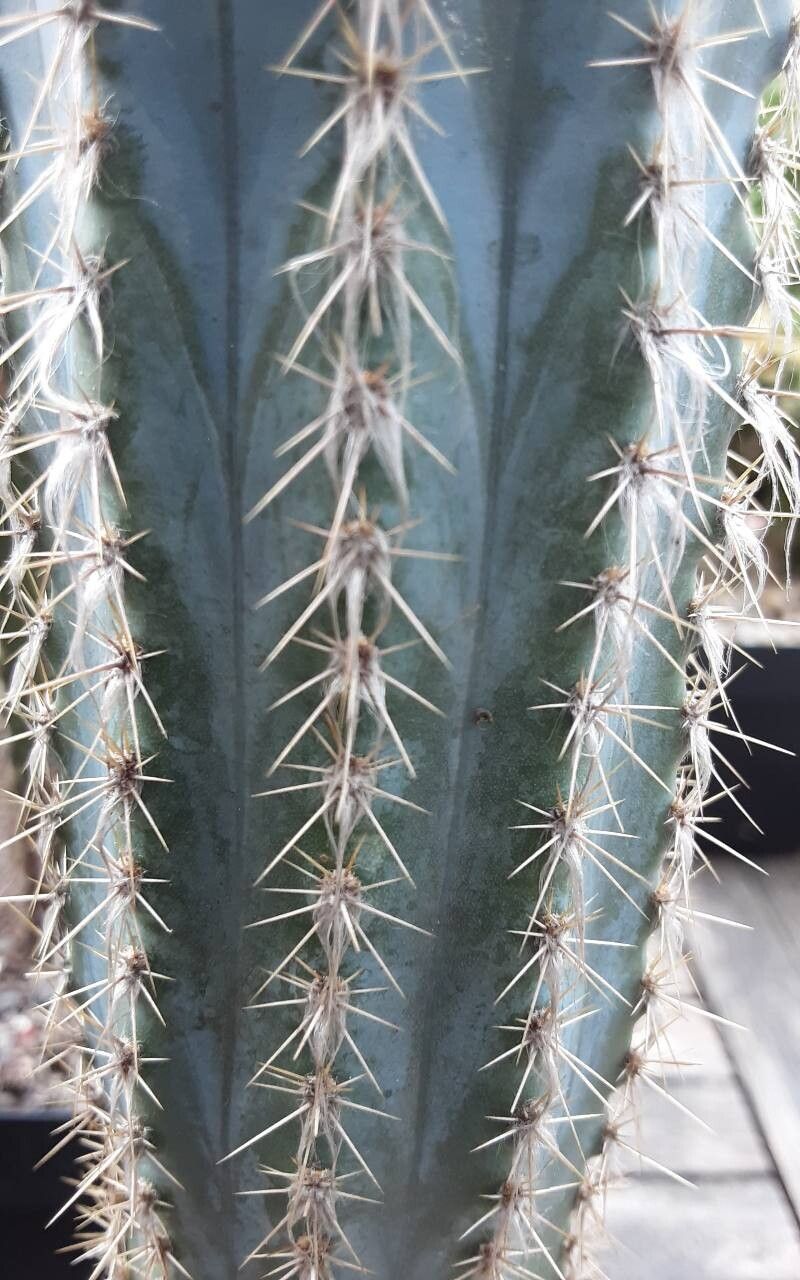
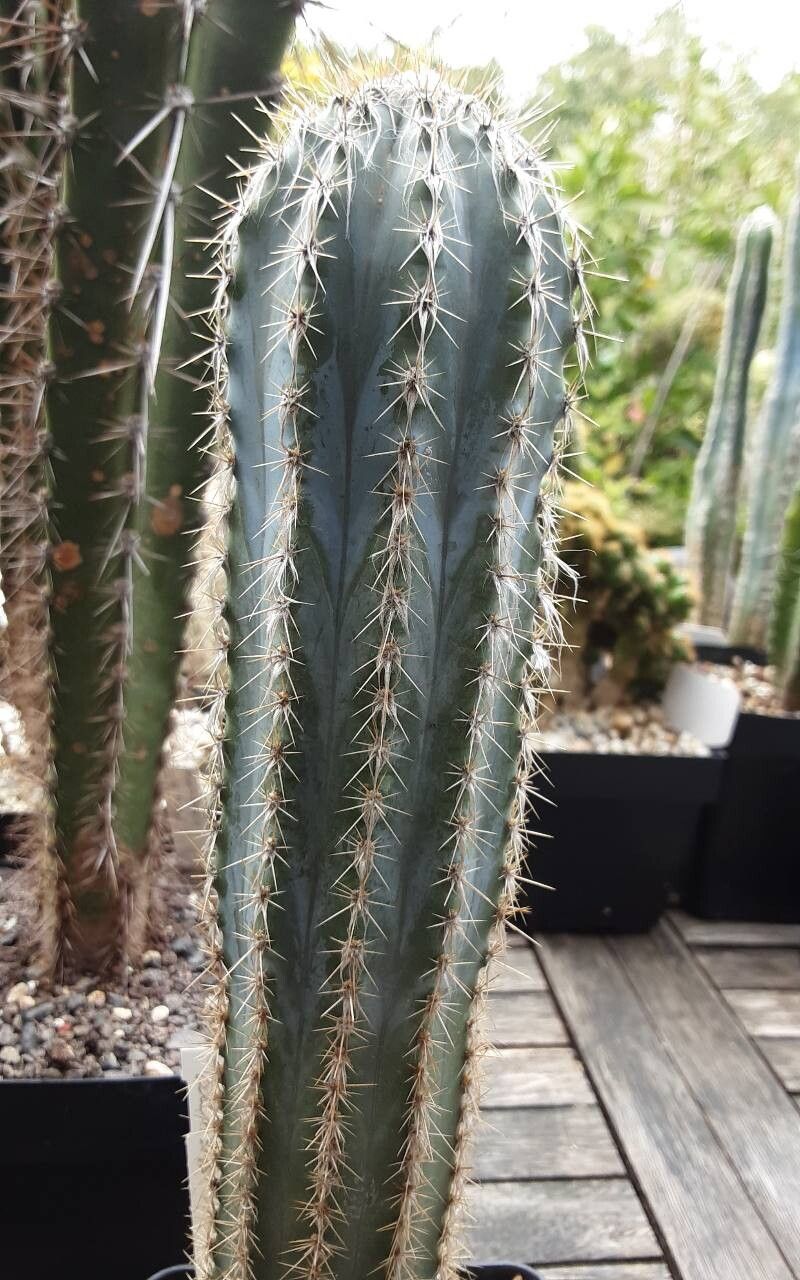
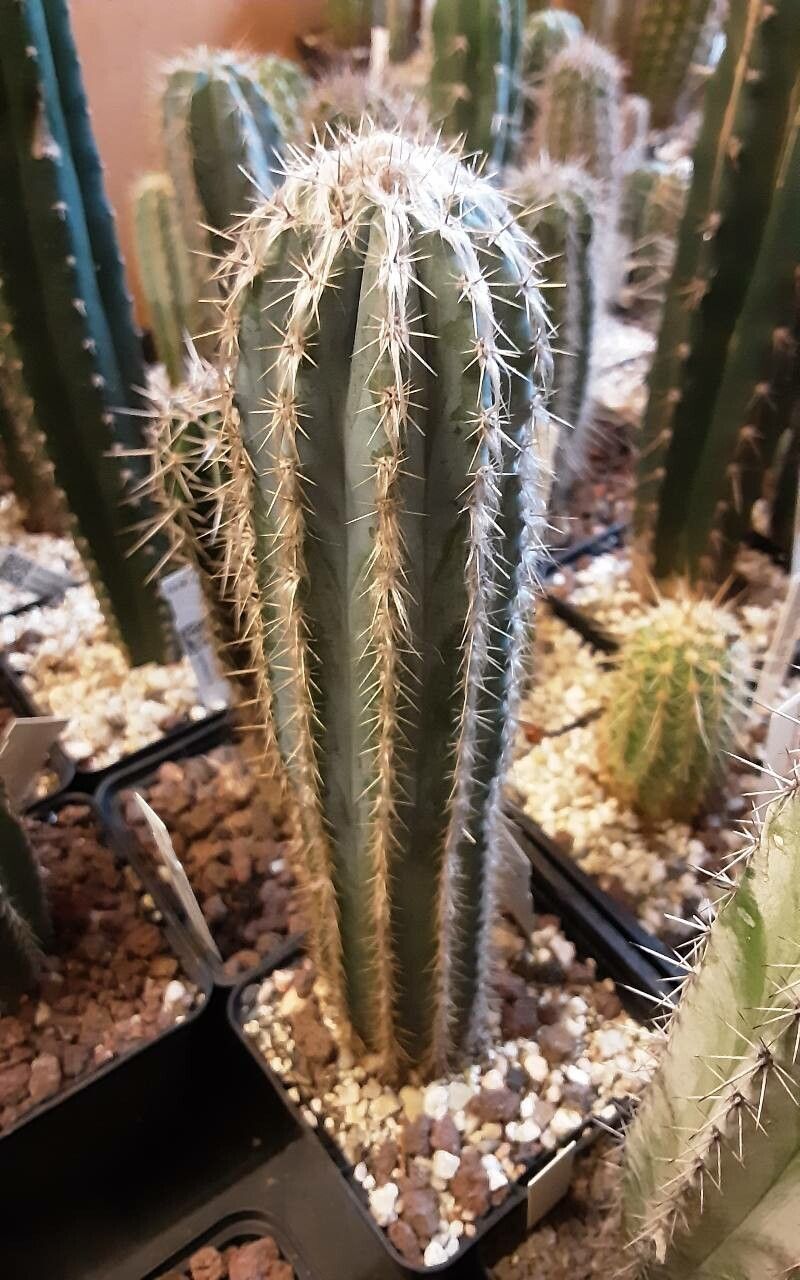
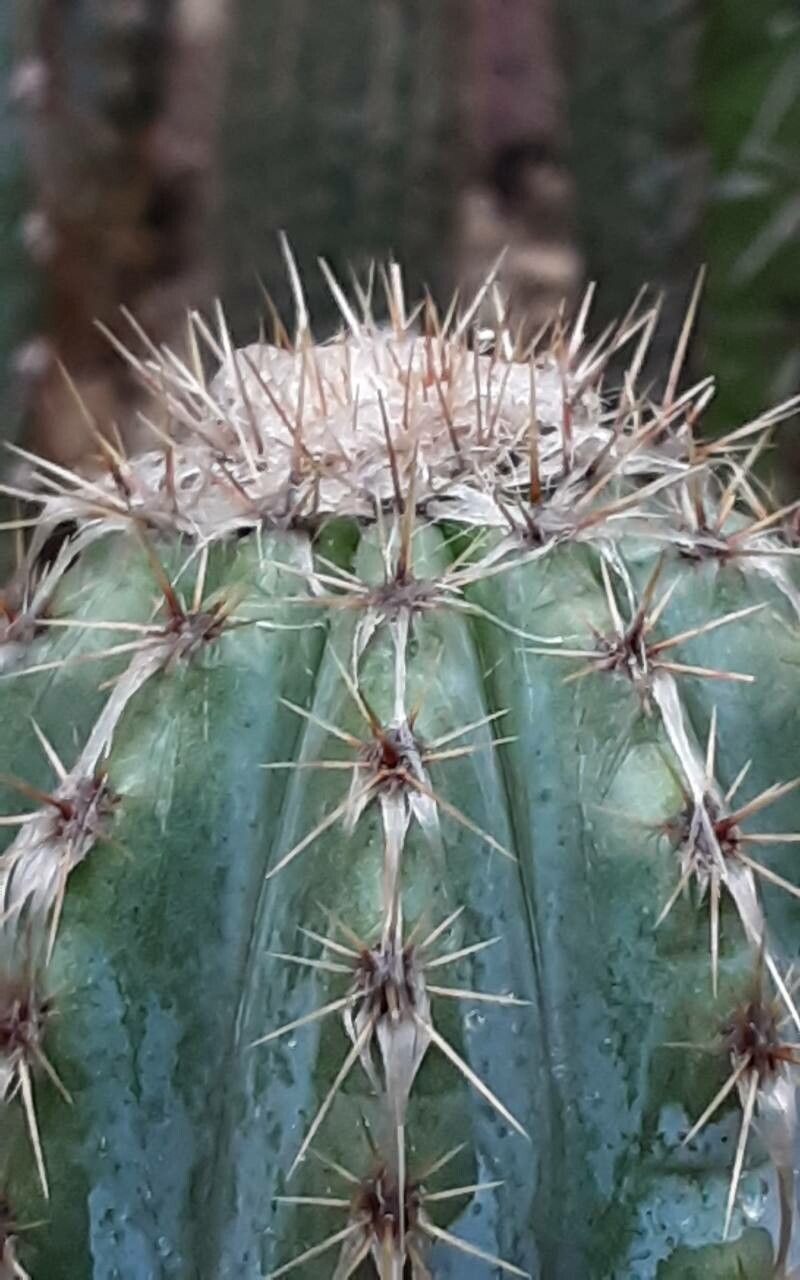
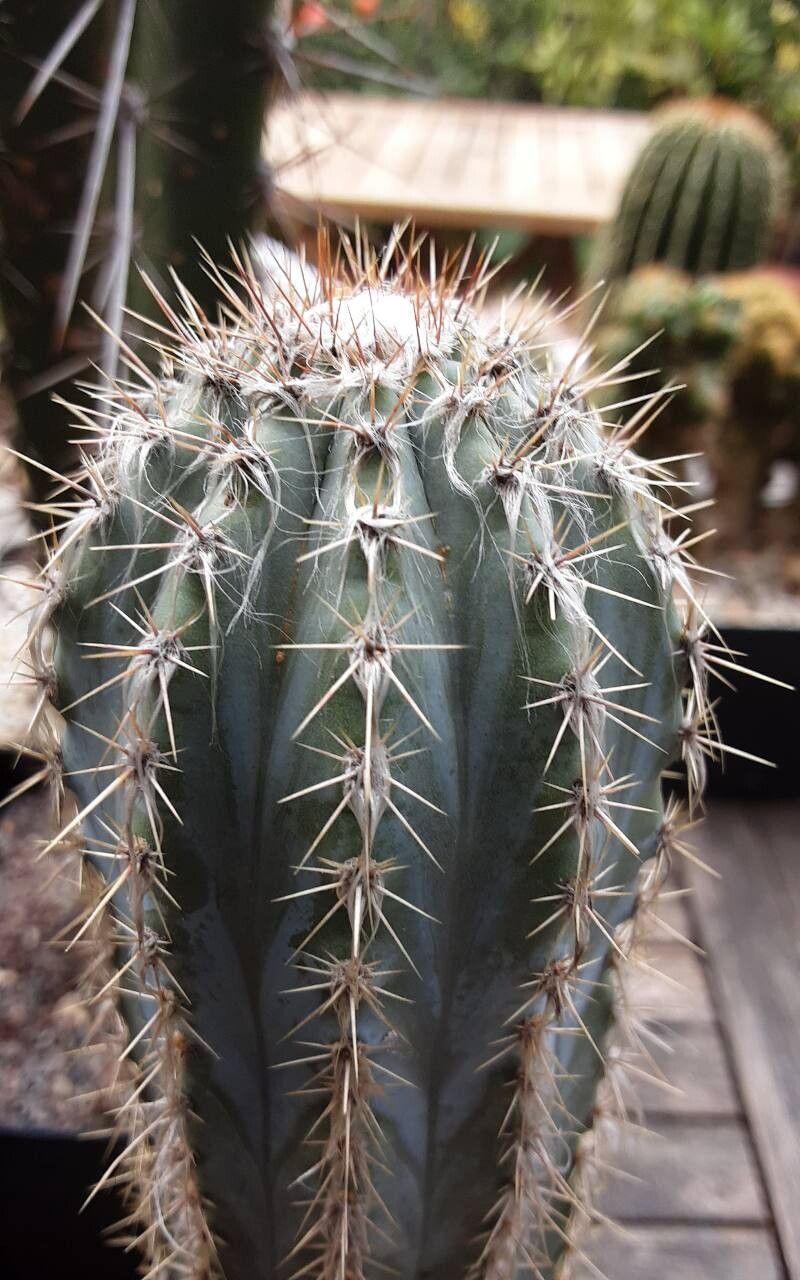
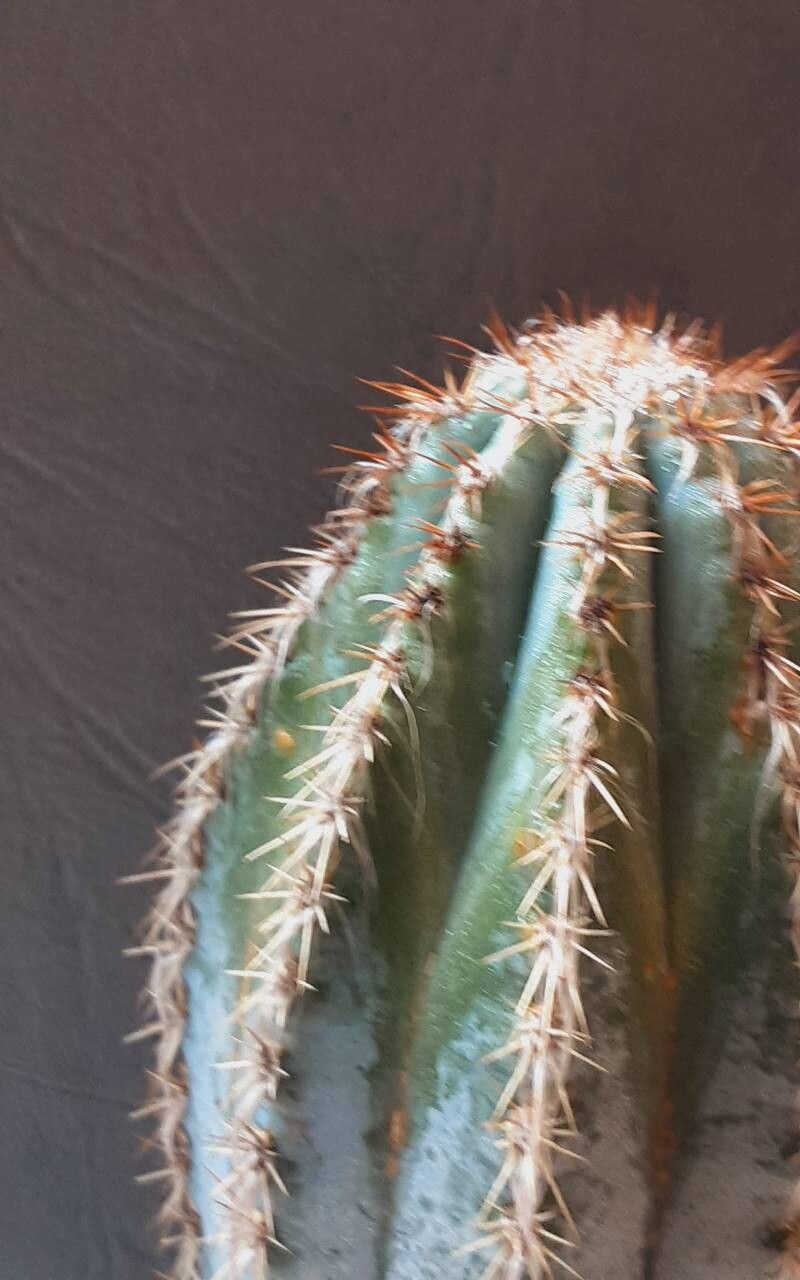
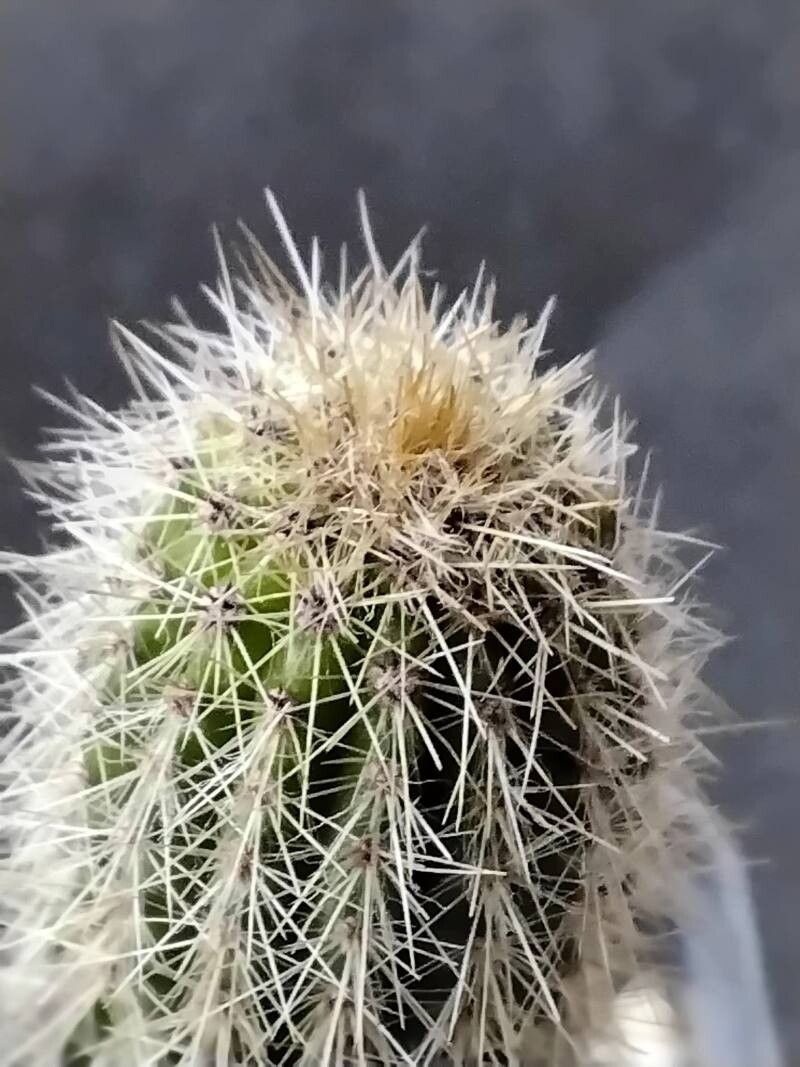
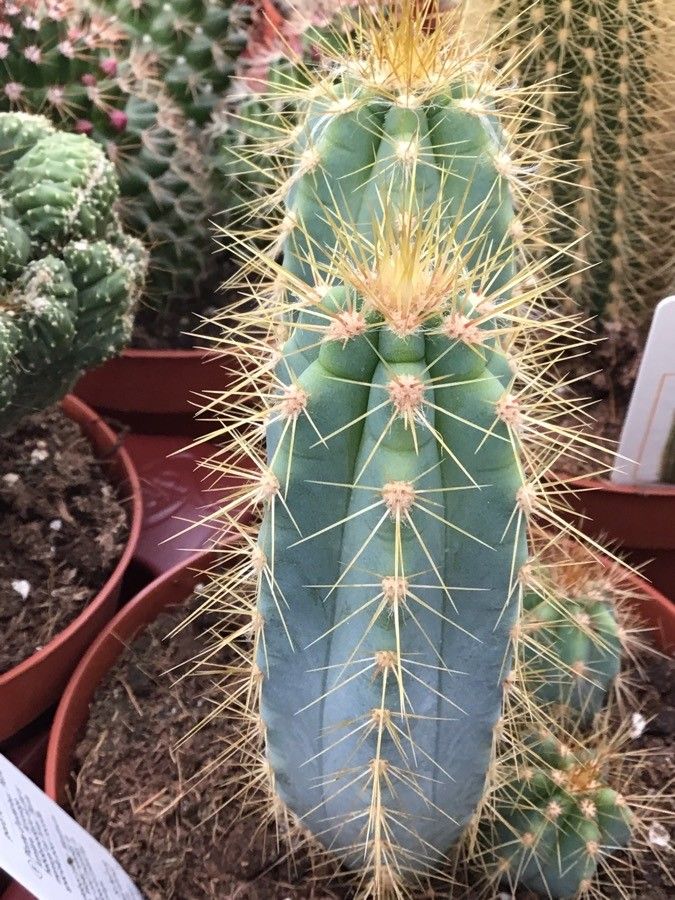
Pilosocereus alensis, the Sonoran old man cactus, is a species of cactus native to Western Mexico, from Sonora south to Jalisco. The hairs protect the flower buds. Flowers open at night in June and give off the odor of ammonia, attracting bats for pollination.
Pilosocereus alensis demonstrates strong disease resistance and typically stays healthy under normal care. That said, it can be prone to mealybugs, which may cause some damage but are usually not a serious problem. Regarding care, Pilosocereus alensis is drought tolerant and does not need frequent watering. It can survive long periods without water and requires little fertilizer. However, it is very susceptible to root rot if lighting is poor and it is overwatered. Overall, Pilosocereus alensis is well suited for people who prefer low-maintenance plants, but it is important to understand and meet its basic needs. It is particularly appropriate for people who are away for long periods and might forget to water regularly.
How to keep Pilosocereus Alensis.
Light
Originating from arid areas, Pilosocereus alensis performs best in full sun, as its native habitat has intense sunlight and very little shade. It can also tolerate partial sun, providing some flexibility in its growth.
Water
Pilosocereus alensis is a drought-tolerant plant that requires watering only when the soil has completely dried out. During the growing season, water it once or twice a week, and reduce the frequency in the winter. It's best to use rainwater or distilled water to prevent soil compaction that can result from using tap water. Additionally, be careful not to splash water on the stem to avoid the risk of rotting.
Temperature
Pilosocereus alensis prefers warm conditions and needs relatively high temperatures during the growing season to encourage growth and metabolic activity. It does well with plenty of sunlight, suitable moisture, and good airflow. It can be damaged by very low temperatures or by excessive watering. Likewise, it's important to maintain balance and avoid extreme heat or overly dry conditions.
Fertilizer
Pilosocereus alensis only needs light applications of fertilizer once or twice a year during the growing season. Do not fertilize in winter or in summer when it is dormant. Cut back on feeding after repotting and wait a couple of months following repotting before you begin fertilizing again. Fertilizing helps maintain healthy growth and promotes flowering.
Pruning
Pilosocereus alensis is known for its tall, columnar shape and vibrant blue-green stems. To keep the plant healthy and looking its best, prune it in early spring. This will help remove any weak or crossing stems, improve airflow, and encourage growth. Regularly snipping the tips will maintain the plant's shape and density, as well as help prevent pests and diseases. Be sure to sterilize your tools before pruning to avoid any potential infections.
Botanical profile.
- Plant Type
- Succulent
- Life Cycle
- Perennial
- Genus
- Pilosocereus
- Family
- Cactaceae
- Hardiness Zone
- 9-11
- Mature Height
- 2.13 m to 3.96 m
- Mature Spread
- 49 cm to 91 cm
- Leaf Color
- Blue, Green
- Leaf Type
- Evergreen
- Flower Color
- White
- Flower Size
- 5.08 cm to 6.35 cm
- Bloom Time
- Summer
- Planting Time
- Spring, Summer, Autumn
- Harvest Time
- Late summer, Early fall, Mid fall
- Native Area
- Mexico