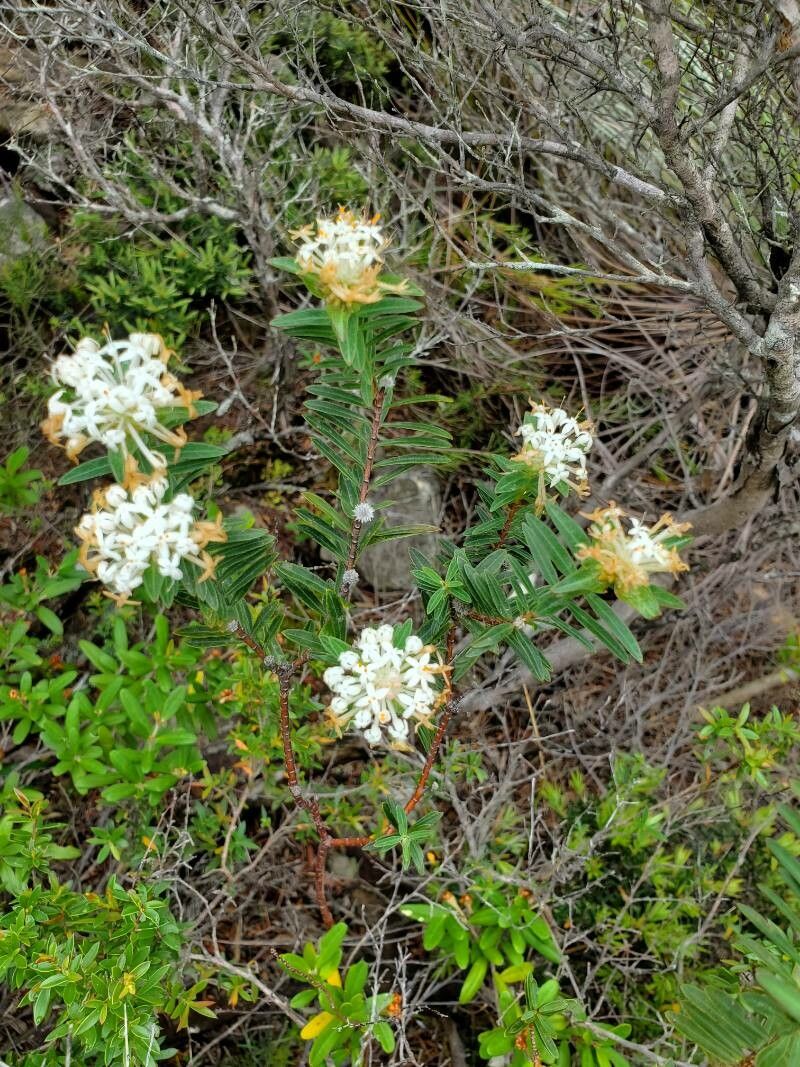
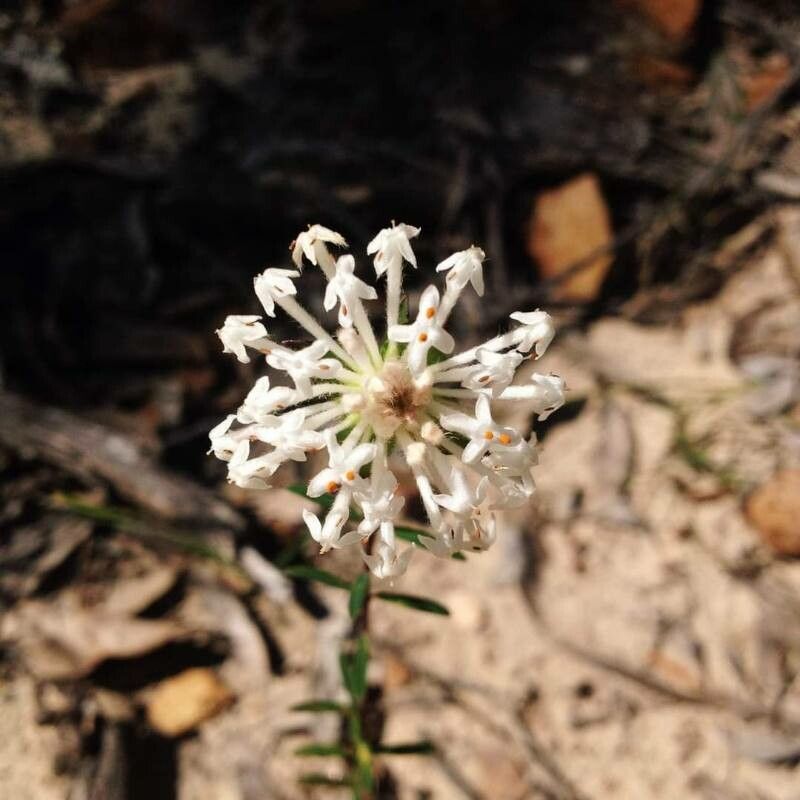
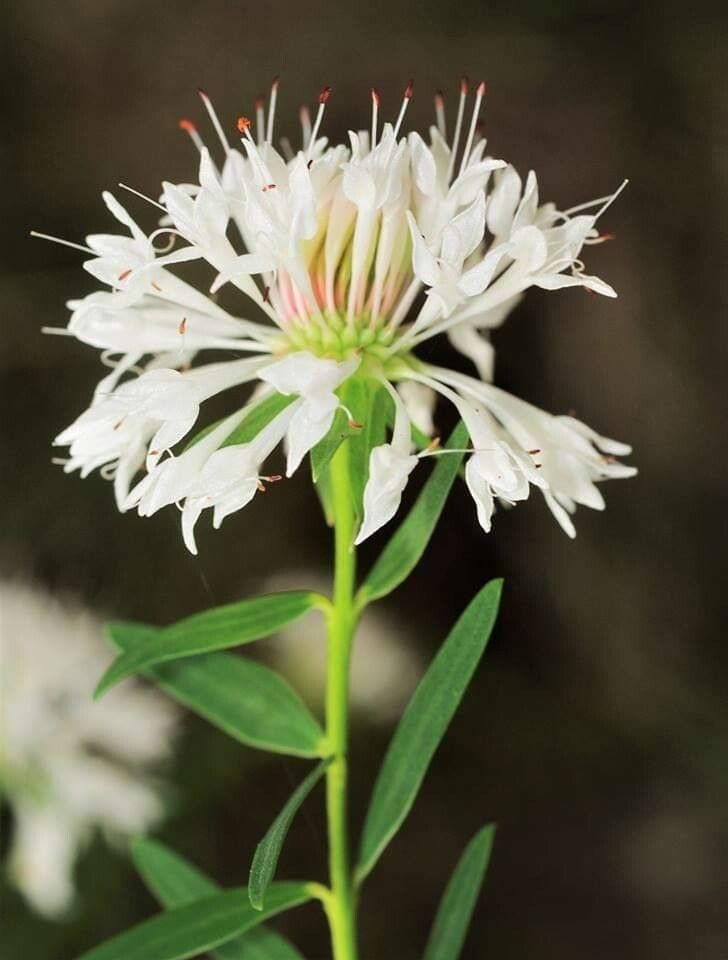
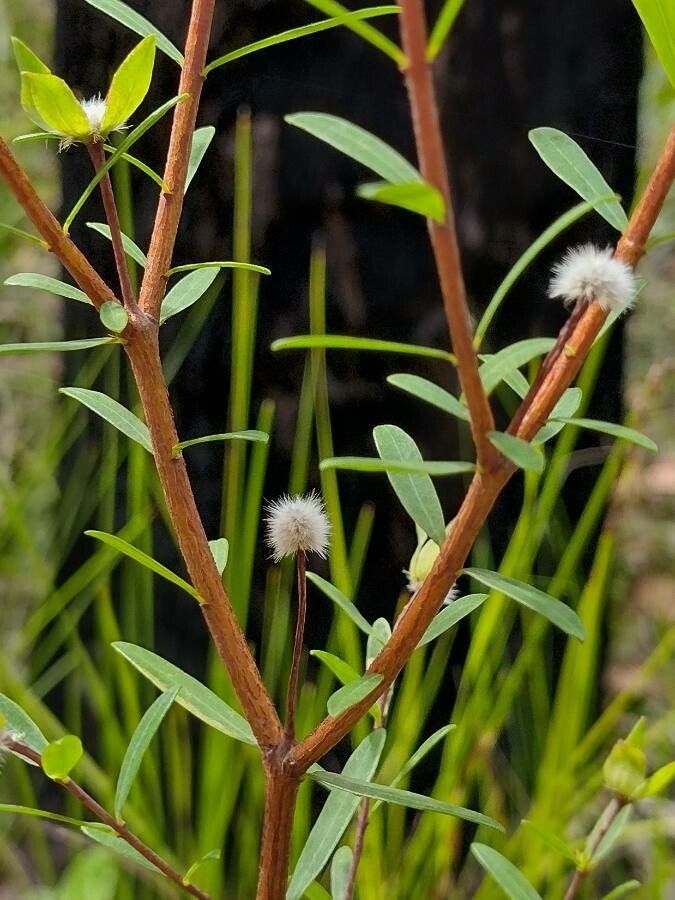
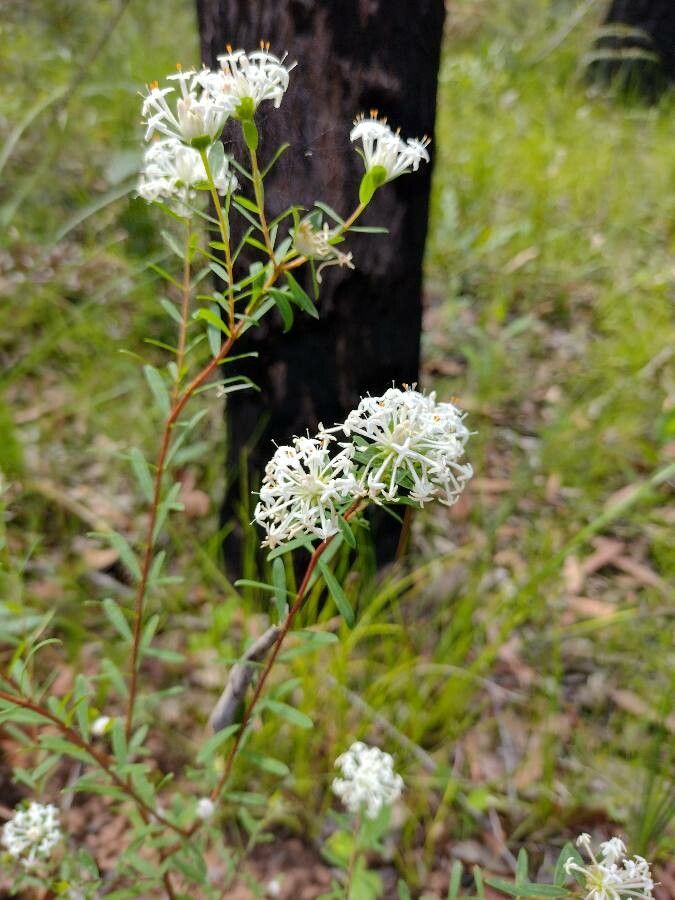
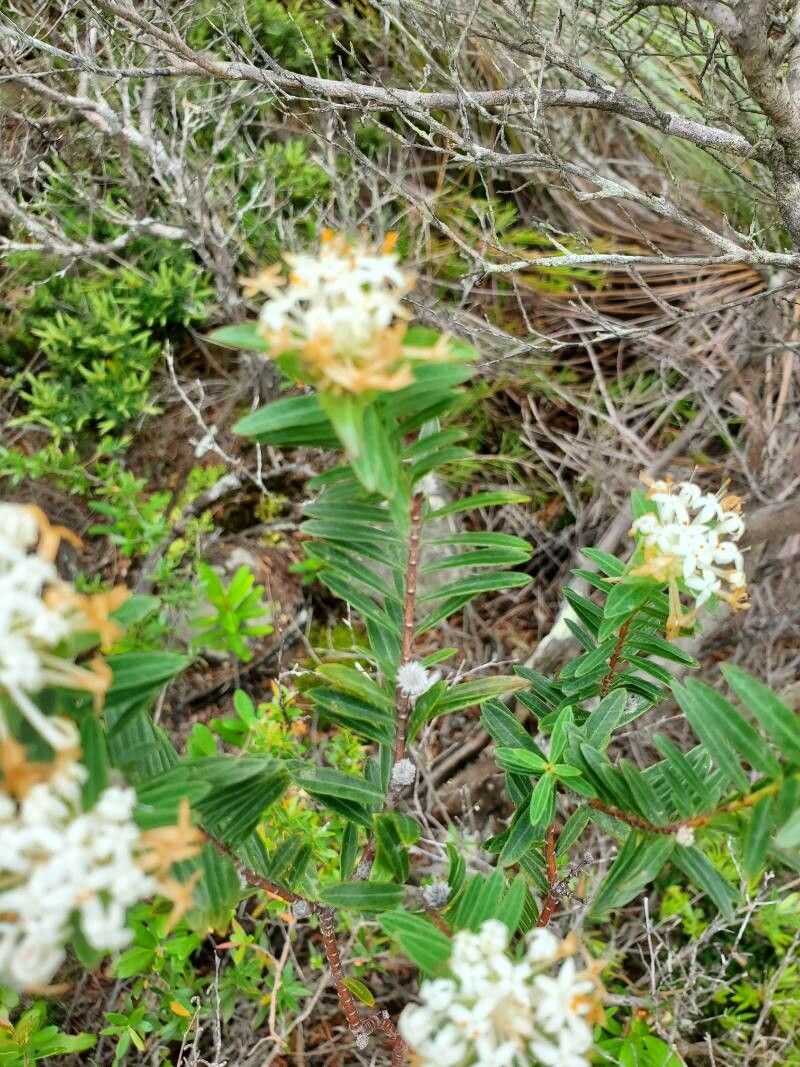
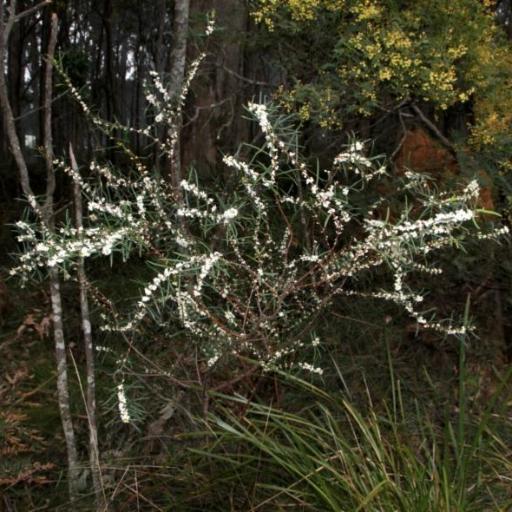
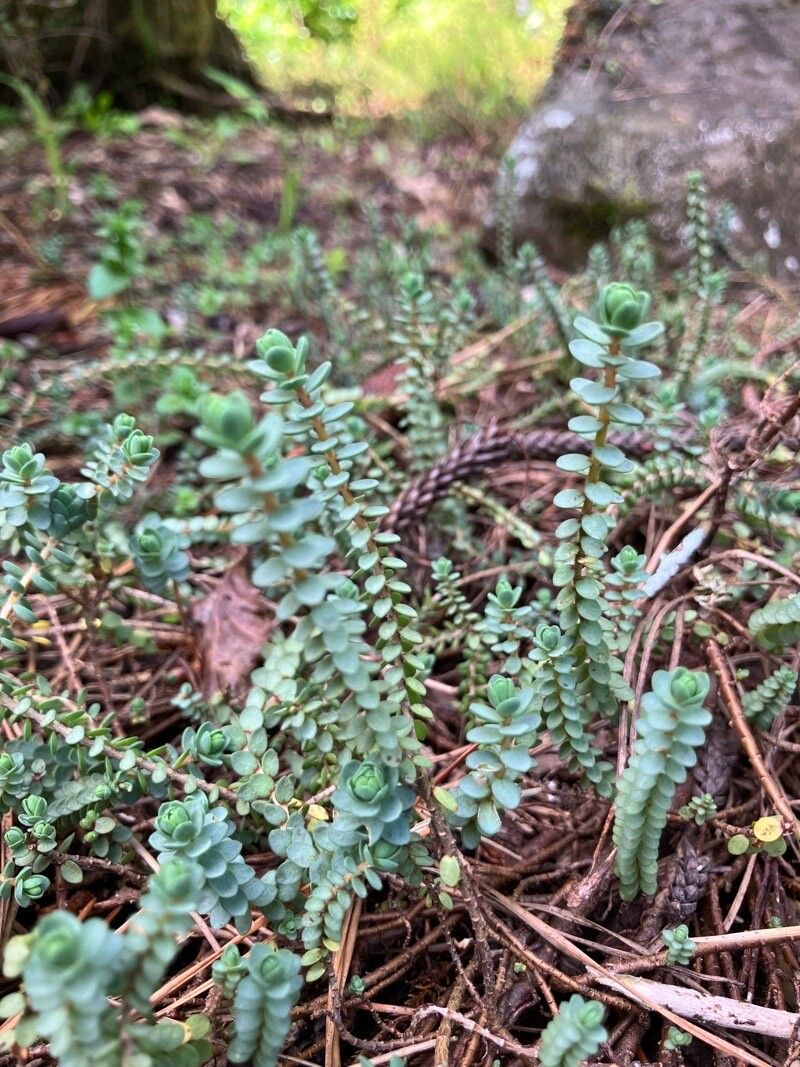
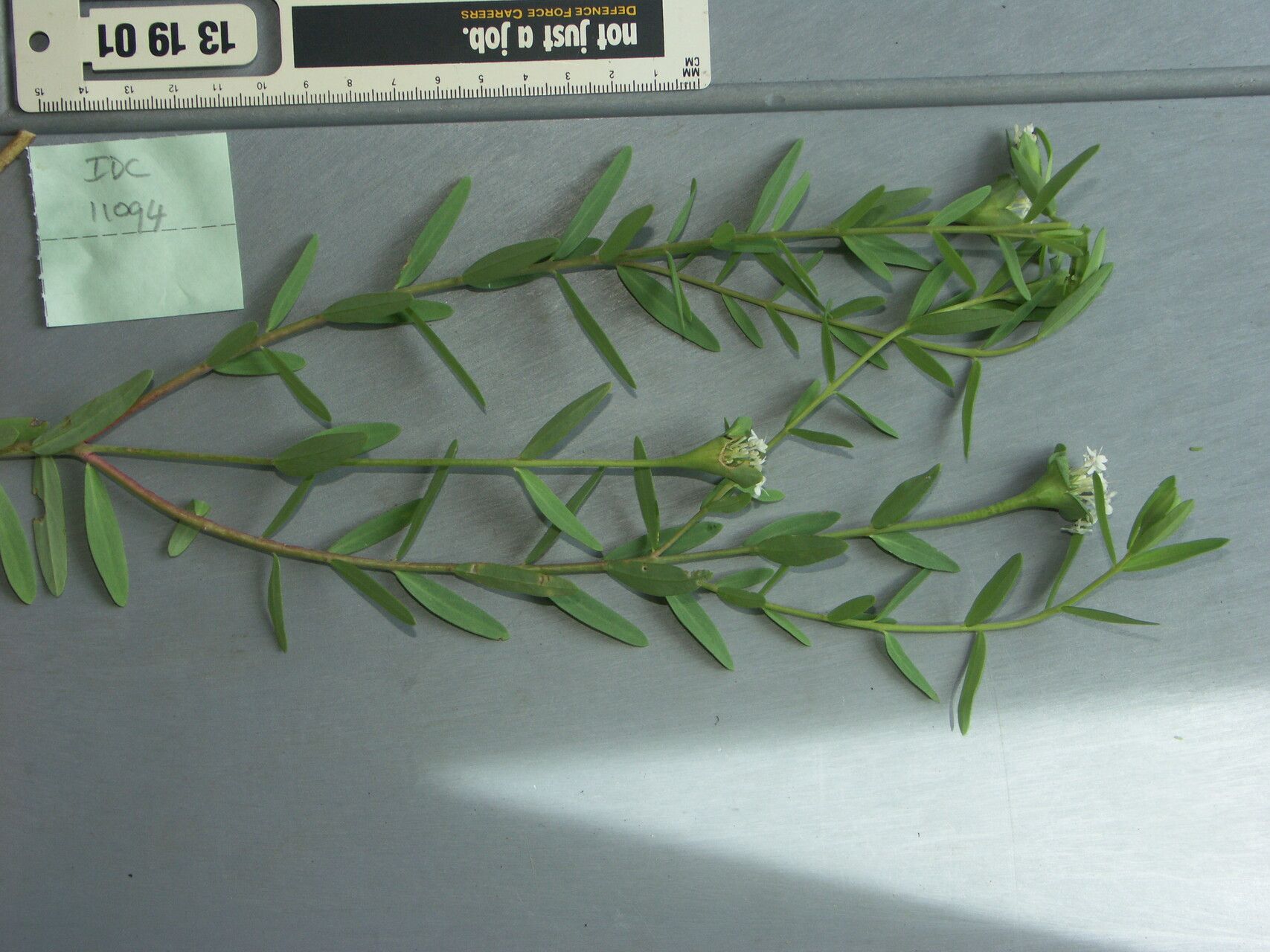
Pimelea linifolia, commonly known as slender rice flower is a common, variable shrub widespread throughout eastern Australia. It has narrow leaves arranged in opposite pairs, and usually white flowers arranged in heads of seven or more on the ends of the stems, with four lance-shaped bracts at the base of the inflorescence. The plant may be toxic to livestock.
Queen of the bush is well resistant to disease and is typically not susceptible to illnesses. As for care, the plant is fairly low-maintenance. When grown outdoors it needs only light watering, and larger plants usually don’t require pruning. Smaller plants, however, should be pruned after they finish blooming. Queen of the busht is suitable for anyone with an outdoor area, like a garden or deck, and does not need a lot of gardening experience.
How to keep Pimelea Linifolia.
Light
Queen of the bush is native to habitats like forest understories and rocky sites, where it grows in natural shade. It prefers partial sun but can tolerate full sun or full shade, showing its adaptable, hardy nature.
Water
The queen of the bush flourishes in temperate regions and prefers soil that remains evenly moist. Once the plant is established, it can tolerate some drought conditions. To keep the plant hydrated, water it weekly. Additionally, using mulch outdoors helps retain soil moisture and supports growth during its active season.
Temperature
Queen of the bush shows strong adaptability to a range of climate conditions, whether in scorching summers or chilly winters. However, it does have an optimal temperature range for growth. When temperatures become excessively high, the plant is susceptible to heat and humidity stress, which can lead to its death. In regions where temperatures approach the lower limit of its cold tolerance, it is important to implement insulation measures to protect the plant.
Fertilizer
Correct timing is essential when fertilizing Queen of the bush. Apply fertilizer in early spring and continue monthly until early summer. Fertilizer encourages attractive blooms and supplies energy during both dormant periods and active growth.
Pruning
To enhance blooms and maintain a tidy appearance, it's best to prune the queen of the bush annually. This task is ideally performed from early to late winter while the plant is dormant. Focus on removing dead wood and lightly trimming any overgrowth. This practice improves air circulation and light penetration, promoting healthier growth and more vibrant flowers.
Botanical profile.
- Plant Type
- Shrub
- Life Cycle
- Perennial
- Genus
- Pimelea
- Family
- Thymelaeaceae
- Hardiness Zone
- 9-11
- Mature Height
- 49 cm to 91 cm
- Mature Spread
- 49 cm to 91 cm
- Leaf Color
- Dark Green
- Leaf Type
- Evergreen
- Flower Color
- White
- Flower Size
- 0.51 cm to 1.02 cm
- Bloom Time
- Fall
- Planting Time
- Spring, Summer, Autumn
- Harvest Time
- Winter
Other names.