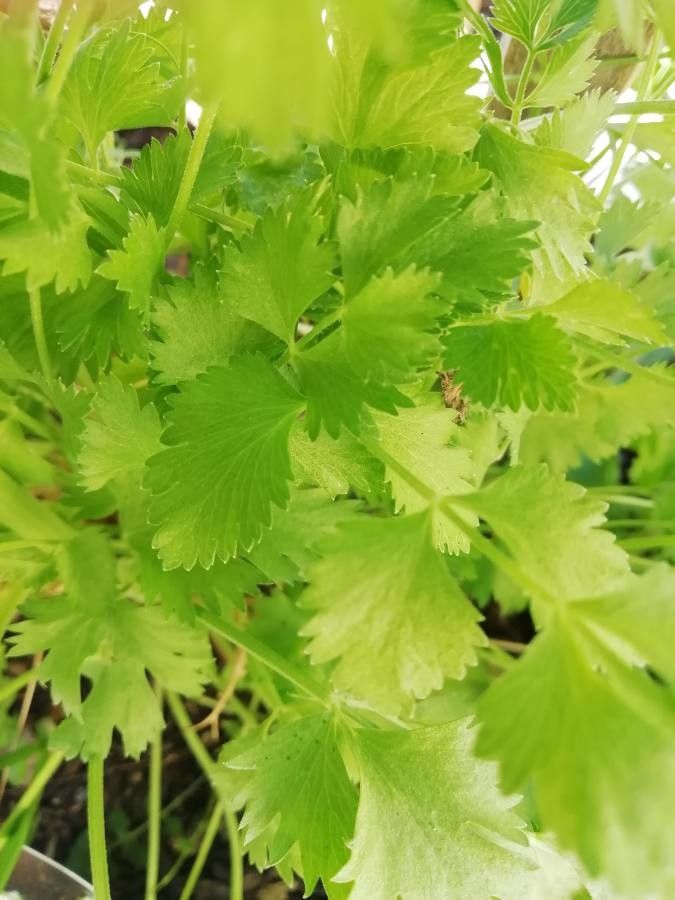
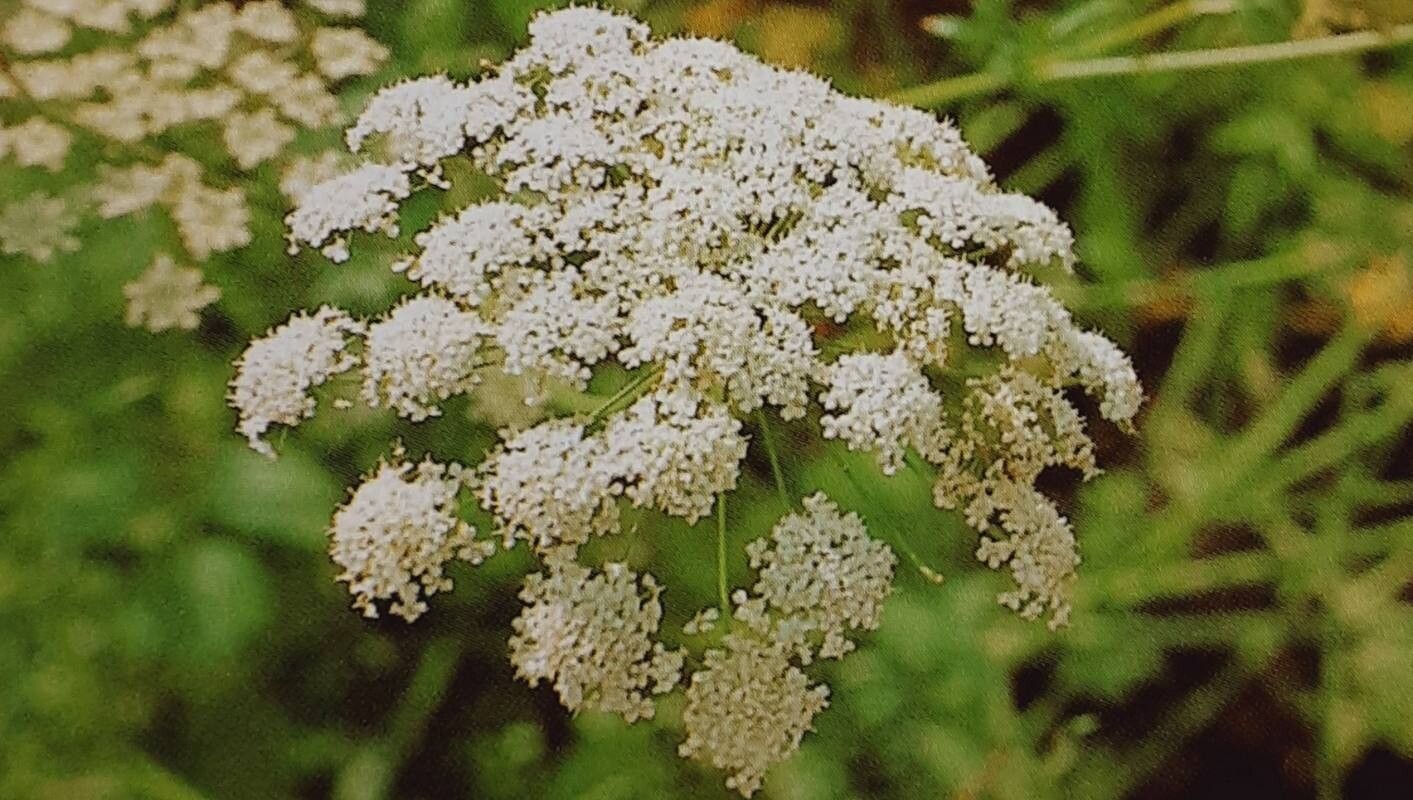
Goats' burnet saxifrage has good resistance to disease and is generally not susceptible to illnesses. However, it can be affected by pests and diseases present in its surroundings. These infections are usually not serious. For care, this plant requires a moderate level of maintenance. It should be pruned regularly to keep a neat appearance and promote healthy growth. Fertilizing can also help encourage flowering. Goats' burnet saxifrage is suitable for anyone with outdoor space, such as a garden or patio, and does not need extensive care experience. It may require more attention when grown indoors.
How to keep Pimpinella Tragium.
Light
Goats' burnet saxifrage is native to habitats like forest understories or rocky areas, where it grows under natural shade. It prefers partial sun but can adjust to full sun or full shade, showing its versatile, hardy character.
Water
Goats' burnet saxifrage thrives in environments with moderate moisture and requires weekly watering. It prefers well-drained soil to prevent root rot, which reflects its natural habitat in regions with regular rainfall. This outdoor plant is neither drought-tolerant nor overly dependent on humidity.
Temperature
Goats' burnet saxifrage can tolerate a wide range of temperatures, though its range may still be restricted by different combinations of moisture and heat. It does best in warm summer conditions with sufficient rainfall or watering. Long periods of cloudy, rainy weather, as well as prolonged high temperatures, can raise the chance of Goats' burnet saxifrage dying. In winter, adequate protection from cold can increase the plant's survival rate.
Fertilizer
A single spring application of fertilizer is generally sufficient for Goats' burnet saxifrage, though multiple feedings can boost growth. Feed once every month to a month and a half. Fertilization improves the leaves' appearance and function, helping maintain even color and a healthy texture. It also encourages root development and enhances nutrient absorption for long-term plant health.
Pruning
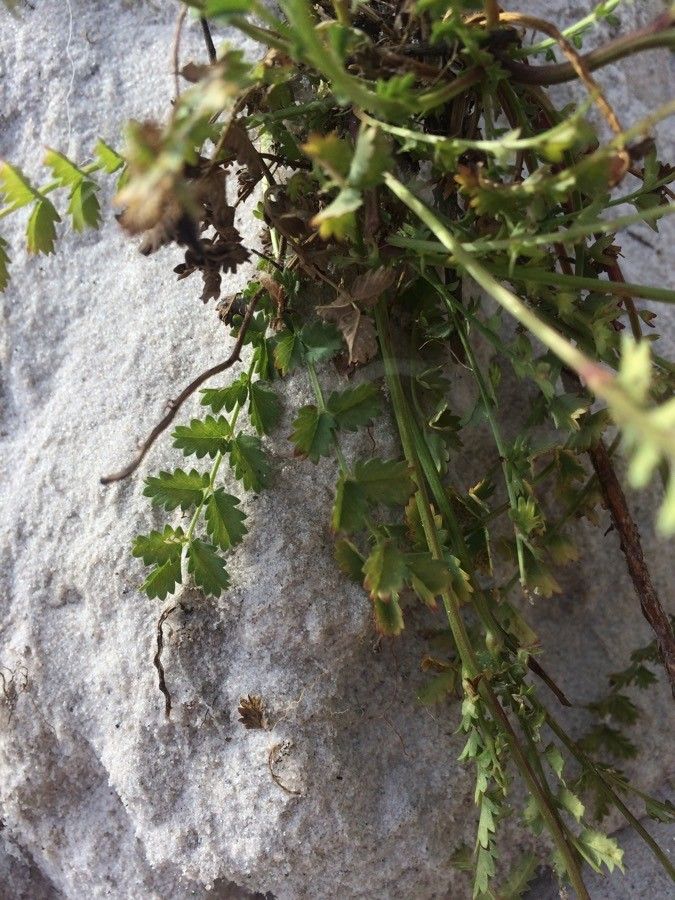
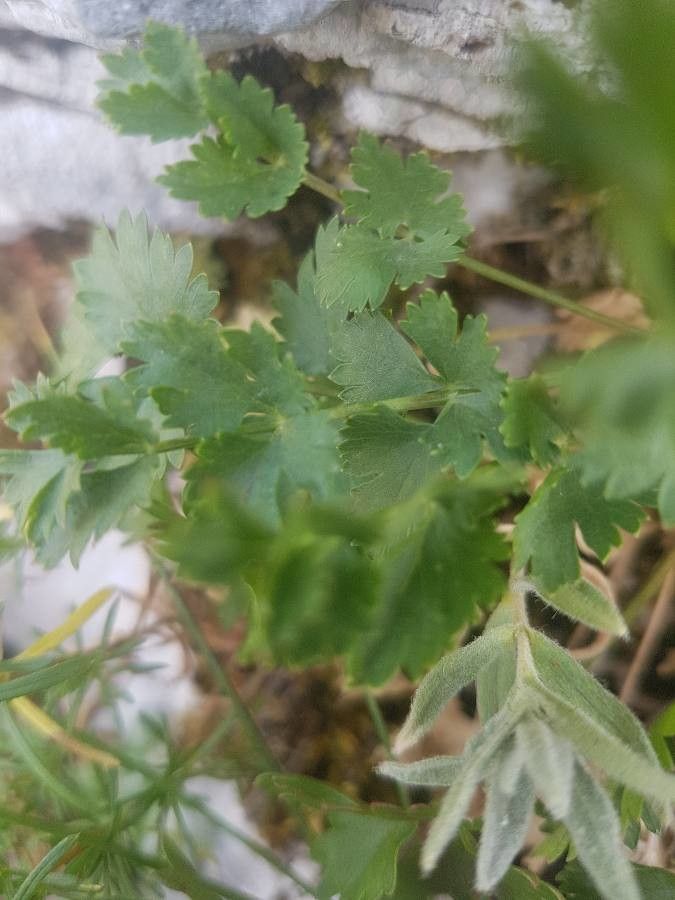
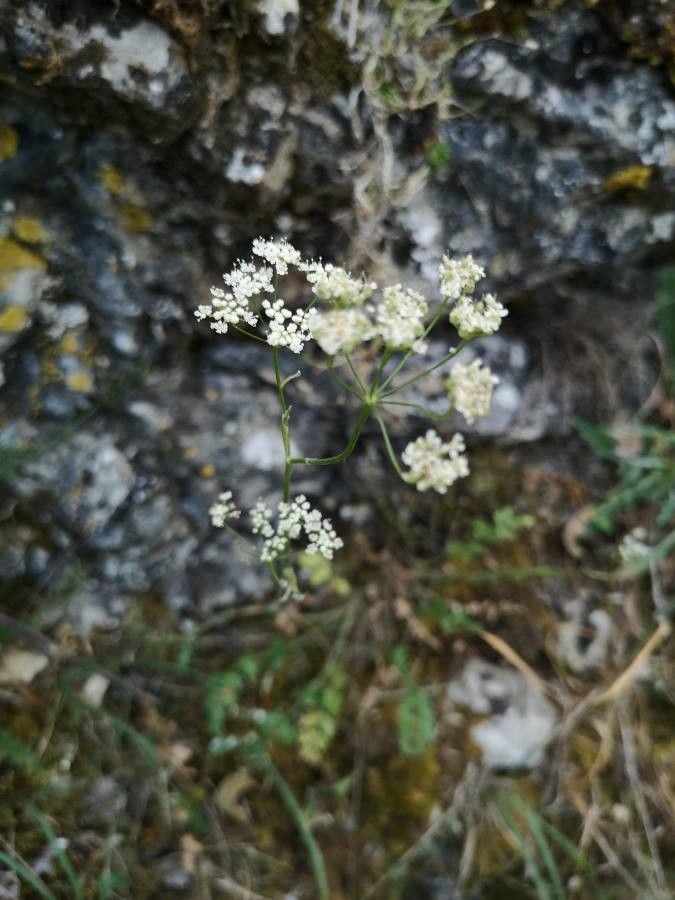
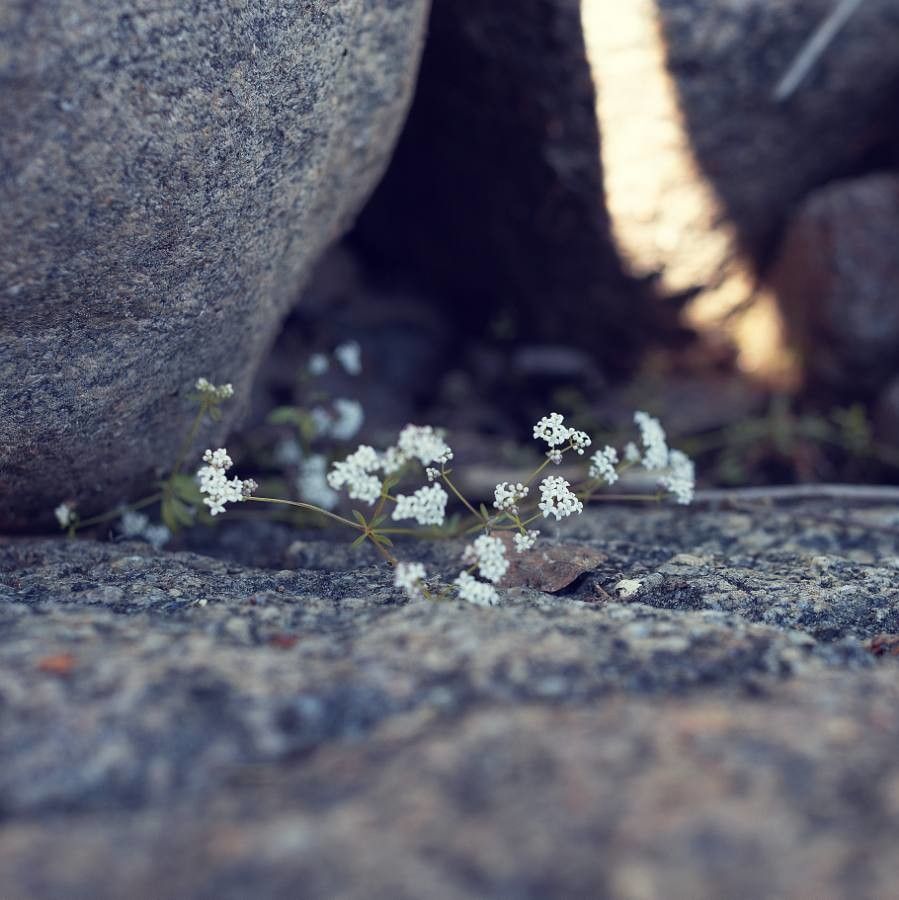
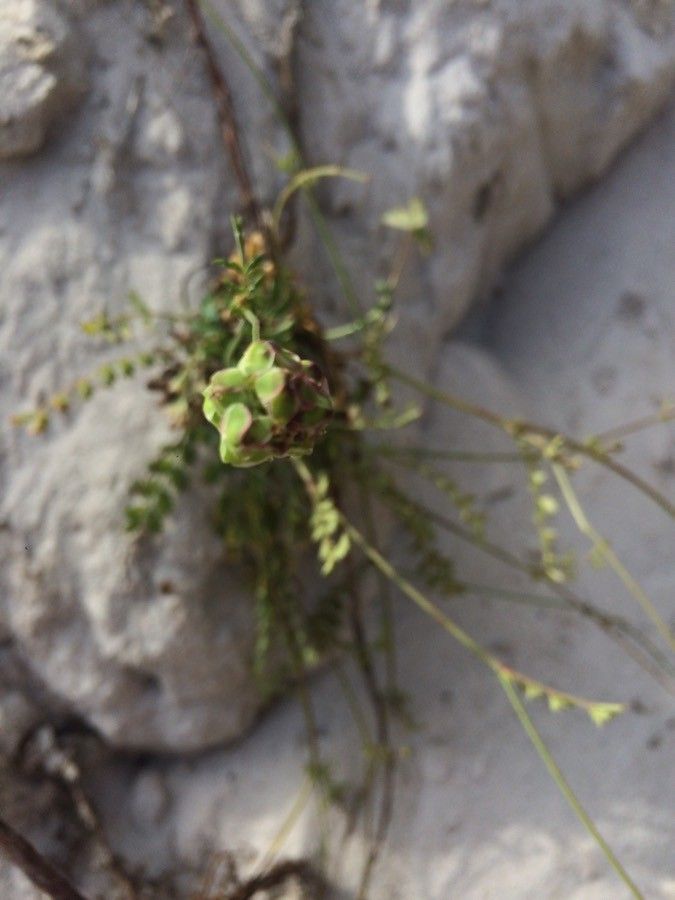
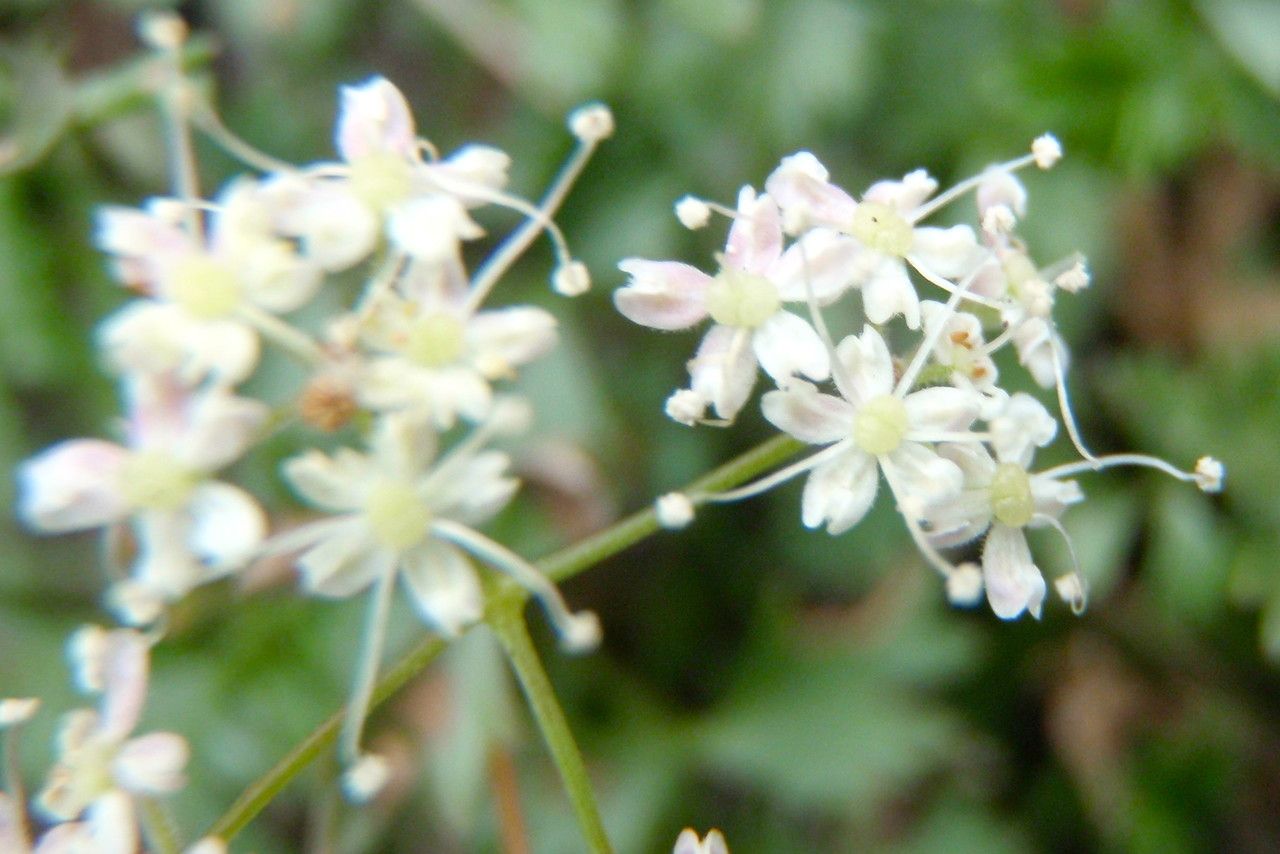
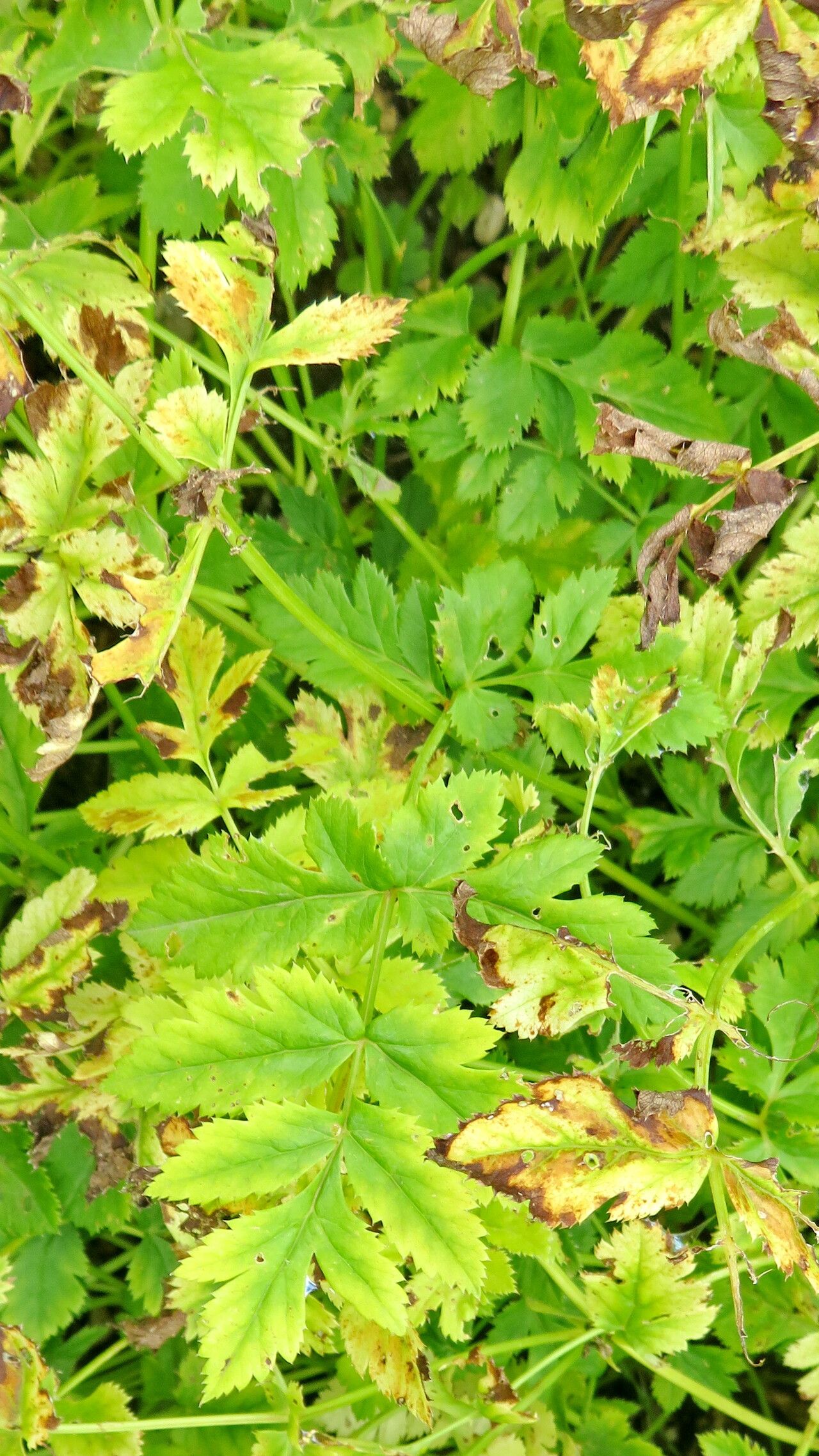
Goats' burnet saxifrage has finely divided leaves and small white flowers. To improve growth and airflow, prune the plant between early and late spring. This involves removing dead stems and thinning the plant to encourage flowering, control its size, and rejuvenate older plants, resulting in more vibrant displays.
Botanical profile.
- Plant Type
- Herb
- Life Cycle
- Perennial
- Genus
- Pimpinella
- Family
- Apiaceae
- Hardiness Zone
- 5-9
- Mature Height
- 61 cm
- Mature Spread
- 20 cm to 40 cm
- Leaf Color
- Green, Dark Green
- Leaf Type
- Deciduous
- Flower Color
- White
- Flower Size
- 0.20 cm to 0.25 cm
- Bloom Time
- Early summer, Mid summer
- Planting Time
- Spring, Summer
- Harvest Time
- Late summer, Early fall
Other names.
Reader questions.
What are the sunlight requirements for Goats' burnet saxifrage?
Goats' burnet saxifrage thrives under various sunlight conditions. Preferred sunlight is partial sun, where it gets about 3-6 hours of sunlight, but it can also tolerate full shade conditions. Full sun, requiring above 6 hours of sunlight, is also tolerable. It's vital to observe the movement of sunlight through your garden to find spots that offer the right mix of light and shade, ensuring the plants remain healthy and happy.
What is Goats' burnet saxifrage?
Goats' burnet saxifrage is a plant known botanically as Pimpinella tragium. Currently, specific details such as its essential characteristics, possible symptoms it may cause, or additional information were not provided.
How can artificial lighting support indoor growth of plants?
Indoor plants, including Goats' burnet saxifrage, may need supplementary lighting, particularly when natural sunlight is insufficient, such as during winter or in less sunny rooms. Artificial lights, especially LED lights, can be tailored to provide the specific wavelengths needed by your plants. The general guideline is that full sun plants require 30-50W/sq ft of artificial light, partial sun plants need 20-30W/sq ft, and full shade plants need 10-20W/sq ft. The lights should be placed 12-36 inches above the plants for 8-12 hours a day to mimic natural daylight conditions.
What are some common symptoms of insufficient sunlight for Goats' burnet saxifrage?
Insufficient sunlight can lead to several symptoms in Goats' burnet saxifrage, including smaller new leaves, leggy or sparse growth, faster leaf drop, slower or no new growth, and lighter-colored or yellow leaves (chlorosis). Sunscald, leaf curling, wilting, and leaf scorching are signs of excessive sunlight exposure, indicating that the plant is not in its ideal light environment.
How can I address light deficiency or excess sunlight for my plants?
To cope with light deficiency in indoor settings, gradually move plants to brighter areas or use artificial lighting, such as desk or professional grow lights, for at least 8 hours a day. For outdoor plants, transition them slowly to sunny spots to avoid sunburn. Removing obstructions and transplanting to sunnier locations can also help. It's crucial to understand that parts of the plant damaged by insufficient light might not recover, but new growth will be healthy with improved light conditions.