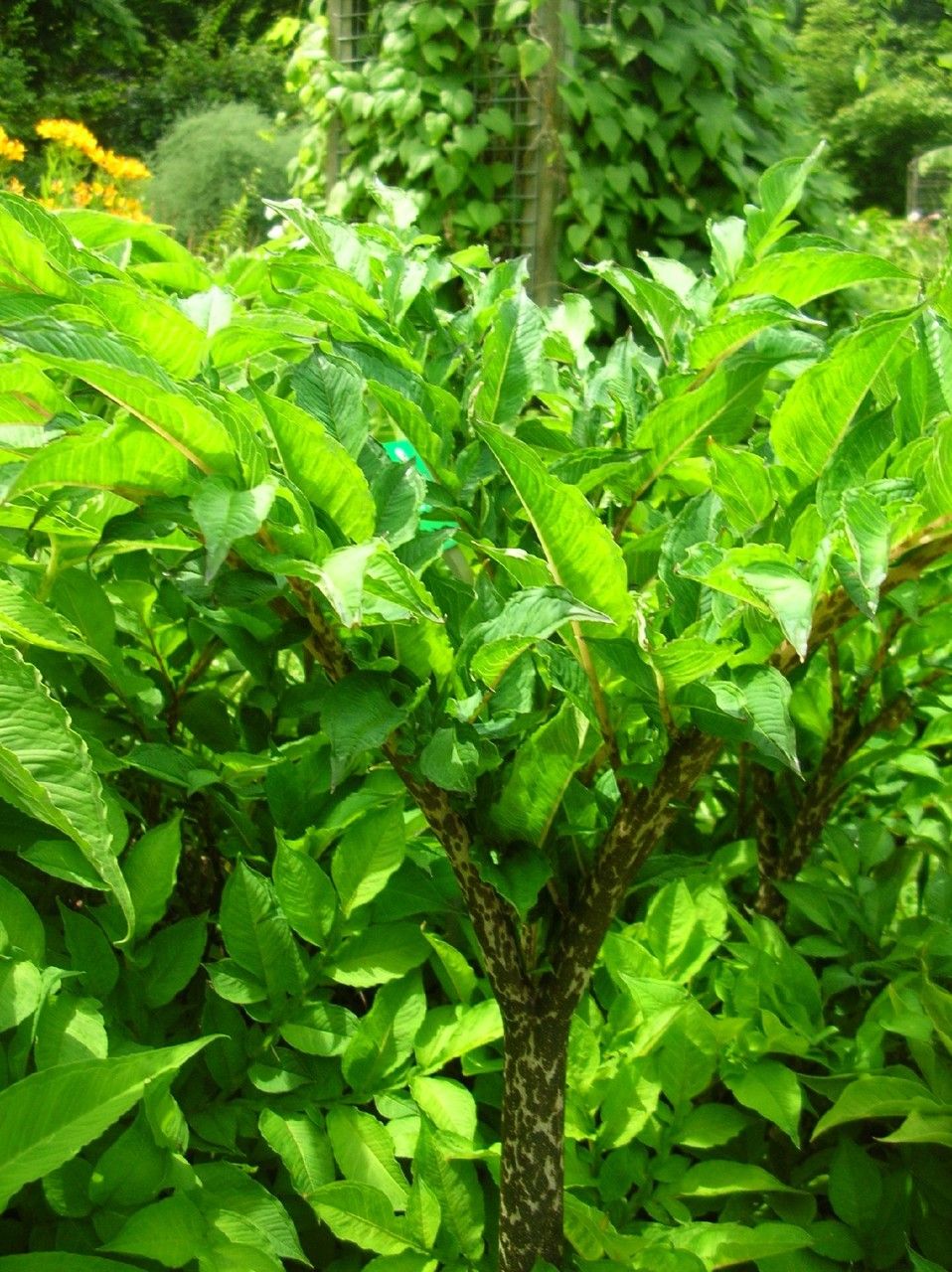
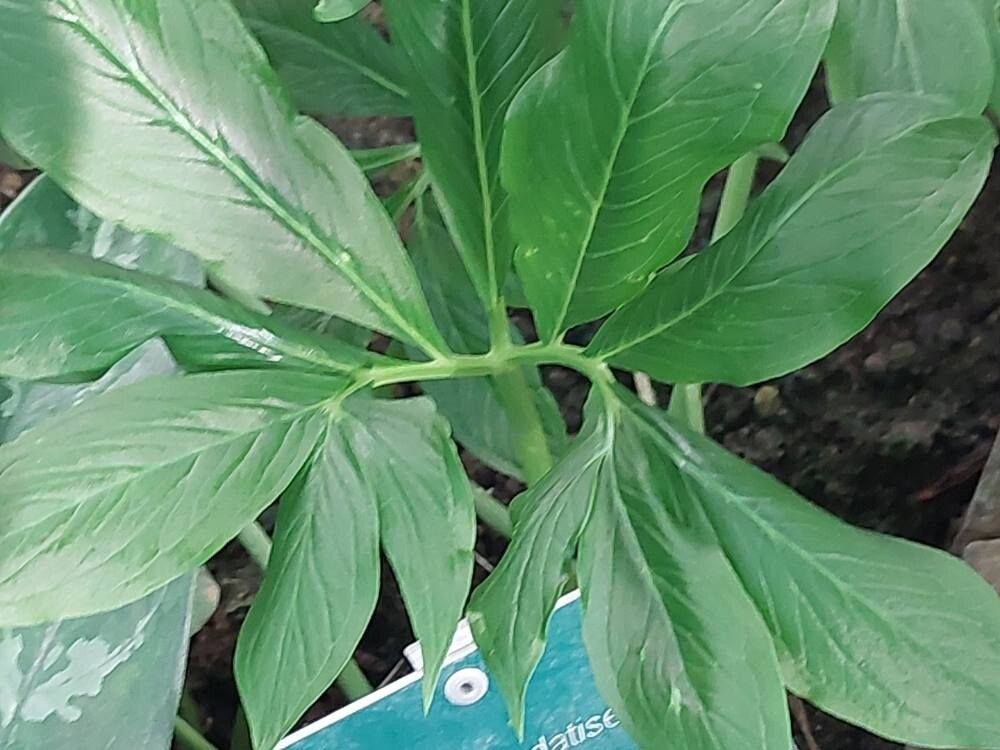
Pinellia ternata, commonly known as the Chinese jack-in-the-pulpit or crow-dipper, is a perennial herb native to China, Japan, and Korea. It belongs to the Araceae family, which also includes popular houseplants like philodendrons and peace lilies.
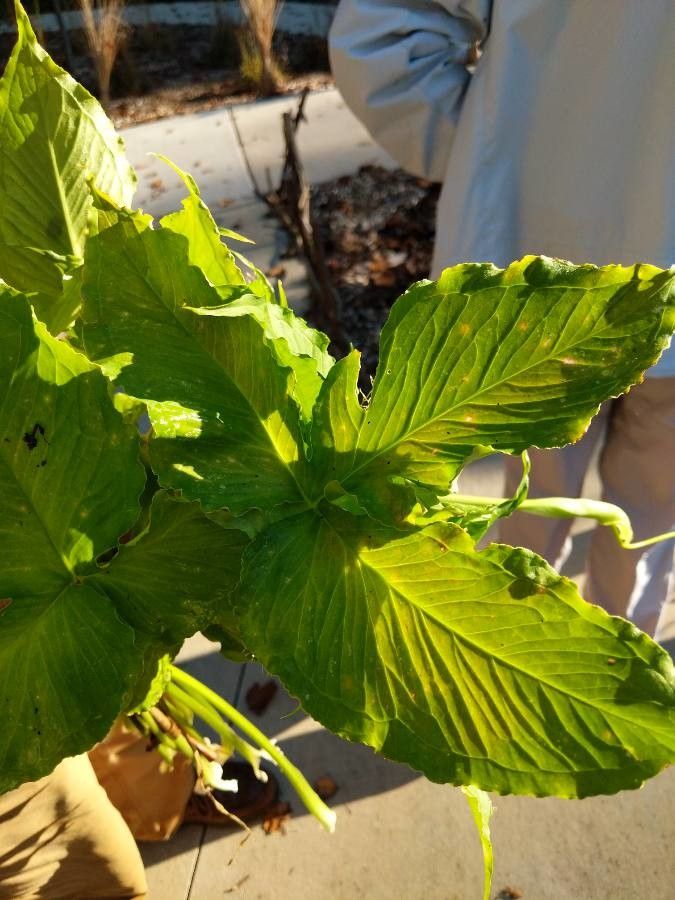
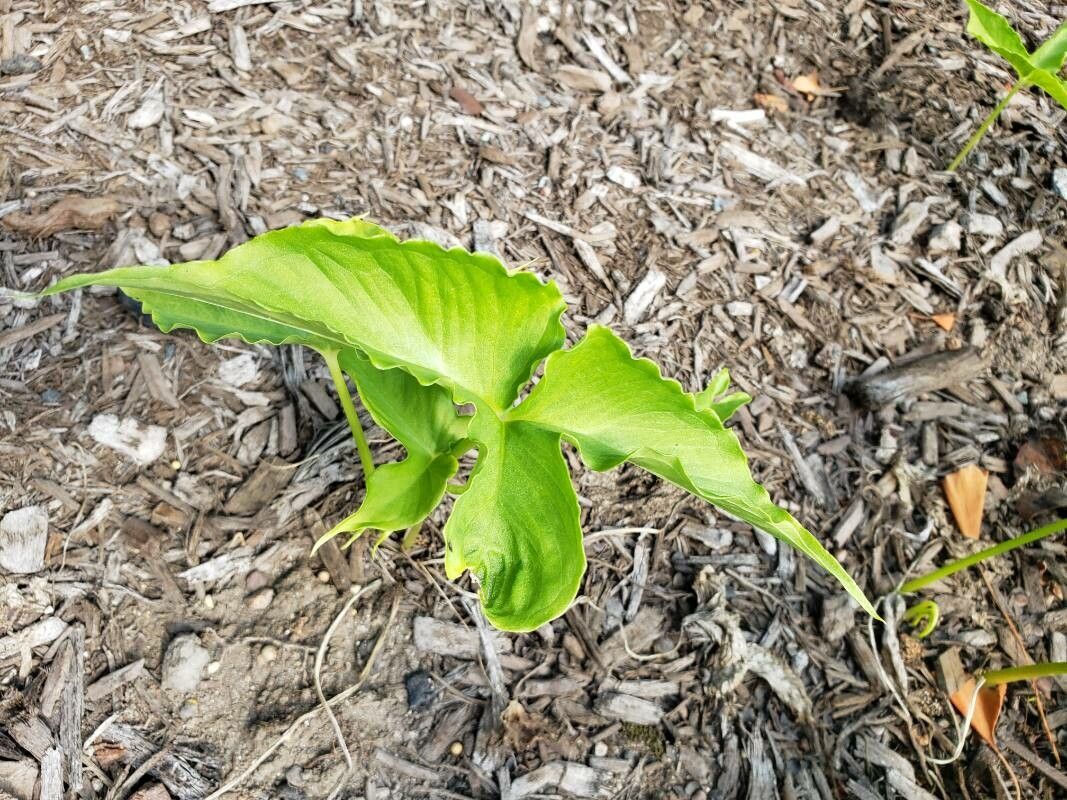
This plant features distinctive large, green, arrowhead-shaped leaves. In late spring or early summer, it produces small, white flowers encased in a green spathe or hood-like structure, adding to its unique appearance.
For centuries, Pinellia ternata has found use in traditional Chinese medicine due to its medicinal properties. It contains active compounds such as alkaloids, flavonoids, and terpenoids, which demonstrate anti-inflammatory, anti-tumor, and anti-bacterial effects.
However, caution is necessary because the plant is toxic if ingested raw. It contains high levels of calcium oxalate crystals, which can irritate the mouth and throat if not properly prepared before consumption.
Pinellia ternata can be cultivated both indoors as a houseplant and outdoors in shaded areas with moist soil. It thrives in well-draining soil and requires regular watering, but care should be taken not to overwater, as this can cause root rot.
Overall, Pinellia ternata is an intriguing ornamental plant with potential medicinal benefits. However, it must be handled carefully due to its toxicity when consumed raw.
Crowdipper is fairly disease-resistant and typically does not contract illnesses easily. That said, it can be vulnerable to pests and diseases present in its environment. These problems are generally mild. As for care, the plant needs moderate maintenance. It should be pruned on a regular basis to preserve a tidy appearance and support healthy growth. Fertilizing can also encourage flowering. Crowdipper is well suited for anyone with outdoor space, like a garden or patio, and does not demand extensive care experience. If grown indoors, it may need additional attention.
How to keep Pinellia Ternata.
Light
The crowdipper grows best with ample sunlight, though it can tolerate moderate light as well. Native to regions that are usually sunny, this plant performs better with plenty of light. Too little exposure can inhibit its growth, while excessively intense sunlight may be damaging.
Water
Crowdipper, a plant native to the moist woodlands of East Asia, thrives in consistently humid environments and can adapt to different water conditions. For optimal health, water it weekly. As an herbaceous perennial, Crowdipper is best grown outdoors, where it can benefit from natural rainfall and grow in tune with its natural cycles.
Temperature
Crowdipper is native to climate zones with relatively moderate temperatures, between 41 and 95 °F (5 to 35 ℃). Its preferred temperatures across seasons remain within that range. Changes to its care are not necessary unless temperatures are expected to drop below or climb above this optimal range.
Fertilizer
The best time to fertilize Crowdipper is in early spring, when the flowers are beginning to form. Applying the appropriate fertilizer promotes stronger blooms and helps Crowdipper produce attractive flowers. Feeding in early spring guarantees great flowers during the season and supplies energy for its dormant growth phases.
Botanical profile.
- Plant Type
- Herb
- Life Cycle
- Perennial
- Genus
- Pinellia
- Family
- Araceae
- Hardiness Zone
- 5-9
- Mature Height
- 40 cm to 61 cm
- Mature Spread
- 20 cm
- Leaf Color
- Dark Green
- Leaf Type
- Deciduous
- Flower Color
- Green, Purple
- Flower Size
- 0.25 cm to 0.51 cm
- Bloom Time
- Early summer, Mid summer
- Planting Time
- Autumn
- Harvest Time
- Late summer, Early fall
- Native Area
- Vietnam, Japan, Koppen, South Korea, China
Other names.
Reader questions.
What sunlight conditions do Crowdipper plants require?
Crowdipper plants flourish well in generous exposure to sunlight, thriving best under conditions that mimic their native regions abundant in sunlight. They require more than 6 hours of sunlight daily (full sun) for optimal growth, but can also sustain growth with about 3-6 hours of sunlight (partial sun). Insufficient sunlight may hinder their growth, while too much intense sunlight could be detrimental. It's essential to observe how sunlight moves through your garden to select spots that ensure a balance of light and shade, promoting the plants' well-being.
What is the ideal climate for Crowdipper?
The Crowdipper thrives in climate zones with moderate temperatures, ranging from 41 to 95 °F (5 to 35 °C). Its ideal temperature fits within this range across different seasons, making adjustments to its care unnecessary unless temperatures are expected to deviate significantly from this optimal zone. The plant has strong cold resistance and usually does not require special frost protection measures. However, if winter temperatures are anticipated to drop below the growth limit temperature, it's crucial to protect the plant by covering it with soil or straw and watering it abundantly before the first freeze to ensure the soil remains moist.
How can artificial lighting support Crowdipper plant growth?
Artificial lighting plays a crucial role in supporting Crowdipper plants' growth, especially when natural sunlight is insufficient, like in winter or less sunny indoor spaces. Adequate lighting is vital for optimal growth. LED lights are recommended due to their customizability to provide specific wavelengths needed by plants. Full sun plants generally require 30-50W/sq ft of artificial light, partial sun plants need 20-30W/sq ft, and full shade plants need 10-20W/sq ft. The light source should be placed 12-36 inches above the plant to mimic natural sunlight, and plants usually need 8-12 hours of light per day.
How does Crowdipper react to low temperatures?
Crowdipper is cold-tolerant and performs best in temperatures above its minimum suitable growth temperature. During winter, it's important to keep the temperature above the tolerable growing minimum. If temperatures fall below the growth limit temperature, the plant may not exhibit noticeable changes during winter but could experience reduced sprouting or fail to sprout in spring. The recommended solution for spring is to remove any parts of the plant that have failed to sprout.
What are the symptoms of inadequate lighting for Crowdipper plants?
Symptoms of inadequate lighting in Crowdipper plants include smaller new leaves compared to older ones, leggy or sparse growth due to increased spaces between leaves or stems, faster leaf drop as the plant conserves resources, halted growth as plants enter survival mode, pale or irregularly colored new leaves indicating a shortage of chlorophyll and nutrients, chlorosis or yellowing of leaves due to chlorophyll breakdown, sunscald characterized by pale or necrotic areas from intense sunlight exposure, leaf curling as a defense against excessive sunlight, wilting due to increased water loss through transpiration, and leaf scorching with brown, crispy edges from too much sunlight.
What should be done if Crowdipper experiences high temperatures?
In summer, it is crucial to keep Crowdipper's temperature below its maximum suitable growth level. Exceeding the tolerable maximum growing temperature can lead to lighter leaf color, curling, susceptibility to sunburn, and, in severe cases, wilting and drying of the entire plant. To mitigate these effects, trim away the sunburned and dried-up parts, move the plant to a shadier location or use a shade cloth during the midday and afternoon sun. Additionally, watering the plant in the morning and evening helps keep the soil moist and reduces temperature stress.
What solutions can help Crowdipper plants thrive in different lighting conditions?
To ensure Crowdipper plants thrive, gradually increase their sun exposure for indoor plants by moving them each week until receiving at least 6 hours of sunlight daily, using south-facing windows for natural light, and considering artificial lights for additional support. For outdoor plants, adapt them gradually to sunnier spots to avoid sunburn. Reducing obstructions like pruning trees can also help. If needed, transplant smaller plants during their dormant period to better-lit locations with good drainage. Note that parts of the plant affected by insufficient light might not recover, but new growth should be healthy with improved conditions.