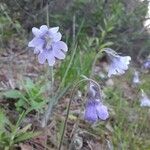
Pinguicula caerulea
Blue-Flower Butterwort · Blueflower butterwort
Description
Source: leafsnapPinguicula caerulea, commonly referred to as blue butterwort, blueflower butterwort, or violet butterwort, is a flowering plant species in the carnivorous butterwort (Pinguicula) genus and bladderwort family (Lentibulariaceae). It is a perennial dicot. It grows in moist sandy pineland habitat in the south-east USA. Caerulus is Latin for from the sky or sea and refers to the color of the flowers.
Care Guide
💧 Water
☀️ Light Partial sun
Blueflower butterwort is native to sunny habitats, including open bogs and sunlit wetlands. It prefers full sun but can also tolerate partial sun.
What are the sunlight requirements for a Blueflower butterwort (Pinguicula caerulea)?
The Blueflower butterwort (Pinguicula caerulea) requires full shade conditions, meaning it should receive less than 3 hours of sunlight daily. It's important to observe the way sunlight moves through your garden to find spots that offer a good balance of light and shade. This careful placement ensures the plants' happiness and health.
🌡️ Temperature 15–35°C
Blueflower butterwort prefers moderate temperatures, about the range people generally find comfortable. It does best in conditions that are neither too hot nor too cold. The primary concern with high temperatures is sunburn, so providing some shade in summer is recommended to prevent overheating. When temperatures fall, Blueflower butterwort goes dormant. If you want it to keep growing continuously, you need to keep temperatures higher during winter. Frost can damage the plant and should be avoided.
💨 Humidity
🪴 Soil 5-6
🌱 Fertilizer
🪴 Pot & Repot 2-3 years
When repotting Blueflower butterwort, select a pot 1-2 inches (2.5–5.1 cm) larger with ample drainage. Use a well-draining potting mix. Repot in spring or fall, ensuring that the root ball is slightly lower than the rim of the flower pot. Water thoroughly after repotting and place in a warm spot with indirect sunlight.
✂️ Pruning
The Blueflower Butterwort is known for its striking blue flowers and carnivorous leaves. For best results, prune lightly in early spring to remove any dead or damaged leaves, which will improve both growth and appearance. Be careful not to prune too heavily, as this can cause stress to the plant. Regularly removing leaves helps increase air circulation, which reduces the risk of pests and diseases and encourages blooming.
🌿 Propagating
🐛 Diseases & pets
☠️ Toxicity
Characteristics
- Plant Type
- Herb
- Life Cycle
- Perennial
- Genus
- Pinguicula
- Family
- Lentibulariaceae
- Hardiness Zone
- 8-9
- Mature Height
- 0 cm to 30 cm
- Mature Spread
- 3 cm to 8 cm
- Leaf Color
- Green
- Leaf Type
- Deciduous
- Flower Color
- Blue
- Flower Size
- 2.54 cm
- Bloom Time
- Early spring, Mid spring
- Planting Time
- Spring, Summer
- Harvest Time
- Late spring, Early summer