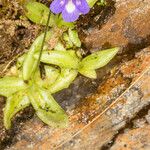
Pinguicula leptoceras
Southern butterwort · Hairy-spurred Butterwort
Care Guide
💧 Water
The Southern butterwort flourishes in humid environments, needing consistent moisture and watering twice a week. It is typically grown indoors, where it benefits from a controlled humidity level. As a carnivorous plant, it supplements its nutrient intake by capturing prey, making it a fascinating addition to indoor water gardens.
How should you water your Southern butterwort?
To properly hydrate your Southern butterwort, it's recommended to grow it in a pot with good drainage holes and place it in a plastic dish or tray. Fill the dish with about a third to half an inch of water, allowing it to naturally draw moisture from the pot as the soil dries. Be sure to keep the dish from completely drying out and adjust the amount of water based on how quickly the plant absorbs it. Avoid using terra cotta pots unless you place them inside a larger pot. This is because terra cotta allows water to seep through, filtering out dissolved solids. Place the water only in the outer pot. The mineral content of the water you use is crucial in watering your Southern butterwort effectively. If possible, collect rainwater as it is the safest option. Distilled water and water from a reverse osmosis system are also good alternatives. Purified water can be used, but it may contain some minerals within the range that the Southern butterwort can tolerate. It is safe to use tap water with less than 50 parts per million of total dissolved solids. You can easily measure this by purchasing a low-cost meter. To ensure the chlorine in tap water dissipates, fill your watering device 24 hours before using it.
What do I need to do if I give the Southern butterwort too much or too little water?
If a Southern butterwort is overwatered, you may notice brown spots on the undersides of leaves, white mold in the soil, and a generally wilted appearance. This wilting occurs because the plant is unable to draw water into its stem. Overwatering can lead to root rot, which can be identified by a bad smell. To remedy this, remove the plant from its soil, rinse it with distilled water, trim away the rotted roots and affected leaves, rinse once more with distilled water, and replant in fresh soil. On the other hand, if a Southern butterwort is underwatered, you will observe brittle leaves. To address this issue, cut away any affected leaves, ensure the soil is adequately moist, and mist the leaves. If a Southern butterwort is underwatered, it is important to resume watering as soon as possible. However, due to root damage, the plant's leaves may initially turn yellow and dry out. Over time, the plant will gradually recover.
How frequently should I water my Southern butterwort?
The tray method is often used to water insectivorous plants, such as the Southern butterwort. To do this, you should place the plant in a pot with multiple drainage holes and then place the pot on a tray or dish that is filled about one-third of the way with water. As the soil dries, the plant will naturally draw up the water. It's important to add water promptly once the water level in the tray drops, and not to let the dish completely dry out. This will help you gauge the frequency of watering the plant. Since the Southern butterwort is native to humid environments, finding the right balance between watering and allowing the soil to dry out is crucial. During the active seasons (spring to autumn), the soil should not be allowed to dry out completely. In these seasons, water the plant 2-3 times per week in spring and fall, and more frequently in summer to keep the soil moist. However, during the winter and early spring, the Southern butterwort goes dormant, and its watering needs change. To care for it during this period, you should reduce the amount of water you give it. Allow some of the soil to dry out and let the water level in the tray dry out for a few days before adding more water. If you live in a naturally dry environment, you may need to mist the Southern butterwort in addition to regular watering to replicate its natural humid growing conditions. It is best to mist the plant in the morning. Proper water spraying is especially important in dry areas.
How much water does my Southern butterwort require?
The Southern butterwort is a carnivorous plant that thrives in humid environments and is often kept as a houseplant. To successfully care for one, you'll need to recreate its native growing conditions, which means maintaining high humidity levels. These plants naturally prefer areas with high humidity and low nutrients, so if you live in a place with naturally high humidity, you can grow them outdoors in a bog garden. This type of garden provides the necessary humidity for plants that require it. However, most people choose to grow Southern butterworts as houseplants. To ensure the plant stays hydrated, it's best to use a pot that retains moisture, such as plastic or a self-watering pot. The tray method is the most effective way to replenish the water supply for these insectivorous plants. You'll want to make sure that the water level in the tray pots covers the small hole at the bottom and add water before the trays dry out. The amount of water you add should be enough to keep the pots from drying out, allowing your Southern butterwort to continue growing well.
Do I need to water Southern butterwort differently when I grow it indoors instead of outdoors?
When growing southern butterwort indoors, they need less water due to less sunlight. The more light they get, the more water they need. It's important to provide them with adequate light and water for their health. However, you should also aim to create a humid environment for indoor plants. One way to do this is by growing them in a terrarium or as part of a plant display in an aquarium. These enclosed environments will help keep the necessary humid air from escaping, but be sure to maintain good air circulation.
☀️ Light Partial sun
Southern butterwort is native to places with dappled light, such as the forest understory or rocky sites that provide natural shade. It prefers partial sun but can also tolerate full sun.
What are the sunlight requirements for Southern Butterwort?
Southern butterwort thrives best in conditions where it can receive full sun, typically found in environments like open bogs and sunny wetlands. It can, however, adapt to and tolerate partial sun conditions. Full sun is defined as receiving more than 6 hours of direct sunlight per day, while partial sun refers to receiving between 3 to 6 hours of sunlight per day. It's important to watch how sunlight moves through your garden to identify spots that provide a balance of light and shade, ensuring the plant's well-being.
How can artificial lighting be used for Southern Butterwort indoor plants?
Indoor Southern butterwort plants require adequate lighting for optimal growth, especially when natural sunlight is insufficient. Artificial lights, like LED, can significantly benefit plant growth by providing essential wavelengths of light. For full sun plants, an artificial light intensity of 30-50W per square foot is recommended, with the light source placed 12-36 inches above the plant. Additionally, mimicking natural daylight hours as closely as possible, most plants will need about 8-12 hours of artificial light per day.
What are common symptoms of light deficiency in Southern Butterwort?
When Southern butterwort does not receive sufficient light, it exhibits symptoms including smaller new leaves, leggy or sparse growth, faster leaf drop, and slower or no new growth. Insufficient sunlight can also lead to lighter-colored new leaves, chlorosis (yellowing) due to excessive sunlight, sunscald on leaves or stems, leaf curling to minimize water loss, wilting from loss of water pressure, and leaf scorching from excessive sunlight.
What solutions can help Southern Butterwort with light deficiency?
To address light deficiency in Southern Butterwort, indoor plants can be moved to a spot with ample filtered light, ideally 1-2 meters away from a window, and may benefit from artificial lighting like desk or ceiling lamps for at least 8 hours a day. Outdoor plants should be gradually moved to sunnier locations weekly to adapt without getting sunburned. For ground plants, reducing obstructions such as pruning trees or transplanting to a sunnier location with good drainage can significantly help. It's important to note that parts of the plant damaged by insufficient light may not recover, but new growth after increasing light exposure should be healthy.
🌡️ Temperature 10–35°C
Although Southern butterwort can tolerate some heat, it prefers and grows best in cooler seasons and becomes dormant in summer. In very hot summer weather, provide shade to prevent scorching from strong sunlight. Reduce or stop watering during the hottest period to avoid root rot. It grows vigorously in winter and spring, and as long as temperatures do not fall too low, it will continue to grow steadily.
What are the ideal temperature conditions for Southern butterwort?
Southern butterwort thrives in moderate temperatures, similar to those that humans generally find comfortable. It grows best in environments that are neither too hot nor too cold, ideally above 20°C during winter to prevent entering a dormant state or risking frost damage. To continue growth through winter, higher temperatures must be maintained, and when temperatures drop below freezing, it's crucial to keep the plant from freezing by providing adequate warmth. Additionally, during high summer temperatures, providing shade can prevent sunburn and excessive heat exposure.
What should I do if my Southern butterwort is exposed to low temperatures?
If exposed to low temperatures, Southern butterwort shows tolerance within a specific range, optimally between 20°C and 38°C, and should be kept above 5°C during winter. Exposure to temperatures below 1°C may lead to leaves darkening, wilting, and eventually turning brown due to water-soaked necrosis. If such damage occurs, it's recommended to trim away frost-damaged parts and move the plant to a warmer indoor setting or set up a makeshift greenhouse. Ensuring the plant receives ample sunlight, preferably near a south-facing window, and considering supplemental lighting if natural light is insufficient, are key steps in recovery.
How should I care for Southern butterwort during high temperatures?
During periods of high temperature, specifically when it exceeds 38°C, Southern butterwort's growth may slow, and its leaves may lighten in color and become susceptible to sunburn. To manage this, trim away any sunburned or dried parts of the plant. Move it to a cooler location where it is protected from the intense afternoon sun. Watering the plant in the morning and evening is critical to keep the soil moist and help the plant cope with the heat. Such measures will prevent further damage and support the plant through extreme temperature conditions.
💨 Humidity
🪴 Soil 5-6
🌱 Fertilizer
Southern butterwort only requires light fertilizer applications once or twice a year during the growing season. Do not fertilize in winter or in summer when the plant is dormant. Use less fertilizer for repotted specimens and wait a couple of months after repotting before feeding. Fertilizing helps sustain healthy growth and promotes blooms.
🪴 Pot & Repot 2-3 years
When repotting Southern butterwort, select a pot 1-2 inches (2.5–5.1 cm) larger with ample drainage. Use a well-draining potting mix. Repot in spring or fall, making sure the root ball is slightly lower than the rim of the pot. Water thoroughly after repotting and place in a warm spot with indirect sunlight.
✂️ Pruning
The Southern butterwort requires minimal pruning, which is best done from early to late spring. Carefully trim away dead foliage and spent flowers, making sure to avoid the central rosette. This will encourage healthy growth and help prevent disease. Proper pruning not only improves the plant's appearance but also ensures the effectiveness of its insect-catching leaves.
🌿 Propagating
🐛 Diseases & pets
☠️ Toxicity
Characteristics
- Plant Type
- Herb, Succulent
- Life Cycle
- Perennial
- Genus
- Pinguicula
- Family
- Lentibulariaceae
- Hardiness Zone
- 6-9
- Mature Height
- 5 cm to 15 cm
- Mature Spread
- 3 cm to 8 cm
- Leaf Color
- Light Green, Yellow
- Leaf Type
- Semi-evergreen
- Flower Color
- Purple, Lavender
- Flower Size
- 1.52 cm to 2.54 cm
- Bloom Time
- Mid spring, Late spring, Early summer
- Planting Time
- Spring, Summer
- Harvest Time
- Summer
- Native Area
- Italy, Switzerland, Austria, France