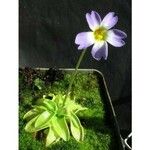
Pinguicula primuliflora
Southern butterwort · Hedge Barberry · Primrose Butterwort
Description
Source: leafsnapPinguicula primuliflora ( /ˌpɪˈŋgwɪkjələ ˌpɹɪmjʊləˈfloːɹə/ ), commonly known as the southern butterwort or primrose butterwort, is a species of carnivorous plant belonging to the genus Pinguicula. It is native to the southeastern United States. The typical variety forms a white flower in blooming. Like other butterworts, it has sticky adhesive leaves which attract, capture and digest arthropod prey in order to supply the plant with nutrients such as nitrogen not found in the nutrient poor, acidic soil that it grows in. Its name derives from the fact it is usually the first one to flower in the spring.
Care Guide
💧 Water
The Southern butterwort flourishes in moist environments, needing high humidity and constant dampness to thrive. Watering it twice a week helps maintain its health and vitality. This plant is ideal for indoor spaces such as terrariums or bathrooms, where it can effectively manage moisture levels and demonstrate its adaptability to humid conditions.
☀️ Light Partial sun
Southern butterwort comes from habitats with plenty of sunlight, for example open bogs and sunlit wetlands. It prefers full sun but can also tolerate partial sun.
🌡️ Temperature 15–35°C
Southern butterwort prefers moderate temperatures, similar to what most people find comfortable. It does best when conditions are not excessively hot or cold. The primary concern with high heat is sunburn, so providing some shade in summer is recommended to keep temperatures from getting too high. When it becomes cooler, the plant goes into dormancy. To keep it growing year-round, you must keep winter temperatures warmer. Frost can harm the plant and should be avoided.
💨 Humidity
🪴 Soil 5-6
🌱 Fertilizer
🪴 Pot & Repot 2-3 years
When repotting Southern butterwort, select a pot 1-2 inches (2.5–5.1 cm) larger with ample drainage. Use a well-draining potting mix. Repot in spring or fall, making sure the root ball is slightly lower than the rim of the pot. Water thoroughly after repotting and place in a warm spot with indirect sunlight.
✂️ Pruning
The southern butterwort is a small carnivorous plant known for its sticky leaf rosettes that trap insects. To promote healthy growth and prevent rot, it's important to prune dead or diseased leaves and old flowers from early to late spring. Be sure to use sterilized tools when pruning to keep the plant free from disease.
🌿 Propagating
🐛 Diseases & pets
☠️ Toxicity
Characteristics
- Plant Type
- Herb
- Life Cycle
- Perennial
- Genus
- Pinguicula
- Family
- Lentibulariaceae
- Hardiness Zone
- 7-10
- Mature Height
- 5 cm to 10 cm
- Mature Spread
- 5 cm to 8 cm
- Leaf Color
- Light Green, Yellow Green
- Leaf Type
- Semi-evergreen
- Flower Color
- Lavender
- Flower Size
- 1.02 cm to 2.03 cm
- Bloom Time
- Spring, Early summer
- Planting Time
- Spring, Autumn
- Harvest Time
- Late spring, Summer