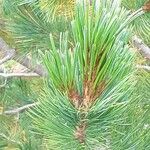
Pinus cembra
Arolla pine · Arolla pinetree · Swiss stone pine · Swiss Pine · Zirbelkiefer
Description
Source: leafsnapPinus cembra, commonly known as the Swiss stone pine or Arolla pine, is a species of coniferous tree native to the Alps and Carpathian Mountains of Europe. This slow-growing evergreen can reach heights of up to 25 meters and features a conical shape with dense foliage. Its needles are blue-green in color, growing in pairs and measuring up to 10 cm long. The cones, which are cylindrical or oval-shaped and also reach up to 10 cm in length, have scales equipped with small prickles. The Swiss stone pine is highly valued for its wood, which is used in furniture making, construction, and carving. Additionally, it has medicinal properties; its needles contain essential oils with antiseptic qualities that can be effective for treating respiratory issues such as coughs and colds. Ecologically, the Swiss stone pine provides important habitat for various bird species, including crossbills and nutcrackers, which feed on its seeds. Its deep root system also contributes to preventing soil erosion on steep slopes. However, climate change threatens Pinus cembra in its natural Alpine habitat, with pests like bark beetles posing significant risks if not managed. Conservation efforts are in place, including reforestation programs aimed at increasing the tree's population in its native regions and promoting sustainable forestry practices where the species has been introduced outside Europe's mountainous areas.
Care Guide
💧 Water Every 7 days
Swiss stone pine thrives in alpine regions, preferring moderate moisture and consistent hydration, though it can tolerate brief dry spells. When cultivated, it needs watering every 1-2 weeks. This tree flourishes in climates with cold seasons where the soil stays adequately moist without the risk of waterlogging.
How should I water my Swiss stone pine tree?
Watering your Swiss stone pine is a simple task. To do so, you can turn on your garden hose and slowly soak the soil. This is particularly effective for mature trees that require a lot of water. However, for smaller trees, you can use a watering can or a smaller tool. It's important to avoid overhead watering as it can cause disease, especially for young trees.
What should I do if I give too much or too little water to my Swiss stone pine?
Overwatering can happen if the soil doesn't drain well, which can cause the Swiss stone pine to decline. In that case, you can improve drainage or move the plant to a better location. If the plant is in a pot, you may need to use looser soil and a container that drains better. Overwatered plants can also get diseases, so it's important to treat them promptly. If your Swiss stone pine is underwatered, the solution is simple: water it more often and it will recover. You can determine if your plant is overwatered by looking at the foliage, especially new growth. Discolored or easily breakable new growth is a sign of too much moisture. Standing water or slow drainage in the growing area also indicate overly moist soil. Underwatered Swiss stone pines have sparse, brown leaves. Consider recent rainfall or high temperatures if you see these symptoms, as they can be contributing factors.
How many times do I need to water my Swiss stone pine?
A mature Swiss stone pine is highly drought tolerant and typically doesn't require much water, relying mainly on natural rainfall. However, during the hottest months of the year, it may benefit from weekly watering. In general, outside of these hot months, watering may not be necessary at all, unless the tree is newly planted. In that case, regular watering is recommended to ensure the soil moisture remains consistent and to aid in root establishment. It's crucial to avoid overwatering, as Swiss stone pines do not thrive in waterlogged conditions. When unsure, it's better to withhold watering rather than risk overdoing it.
How much water does my Swiss stone pine tree need?
During the height of summer, watering your Swiss stone pine becomes necessary. Normally, it requires about one inch of water per week. However, this amount may vary depending on the amount of rainfall. If it has rained one inch or more during the week, you can skip watering your Swiss stone pine. It's important to note that newly planted Swiss stone pines need more water during the initial establishment period. Typically, they should be watered once every one to two weeks for the first few growing seasons.
How often should I water my Swiss stone pine throughout the year?
The Swiss stone pine tree has different water needs throughout the year. In the summer months, when it's the hottest, this tree will need the most water. During this time, it's recommended to water the tree about once per week if there is no rain. However, during other times of the year, the Swiss stone pine can often survive without any water at all. In the spring and fall, there may be rare occasions where you might need to provide some water if the weather is exceptionally hot. Unlike many other plants, the Swiss stone pine does not go into full dormancy in the winter, so it continues to grow even during the coldest months. However, the water needs during winter are generally low as the cool temperatures do not cause the soil to dry out quickly.
☀️ Light Full sun
Swiss stone pine needs plenty of sunshine to grow vigorously, though it can tolerate lower light levels. Sunlight encourages its best health and vigor, but too much exposure can scorch the leaves. Conversely, insufficient light may result in poor growth. Native to sunny habitats, Swiss stone pine flourishes in comparable conditions.
What are the sunlight requirements for Swiss stone pine?
Swiss stone pine requires full sun exposure, which means it needs more than 6 hours of sunlight per day to thrive. However, it can also tolerate partial sun, about 3-6 hours of sunlight. This plant originates from environments rich in sunlight, making full exposure critical for its optimal health and vigor. Too much sun can lead to leaf-scorching, while insufficient light might cause poor growth. It's essential to watch the sunlight movement through your garden to find spots that offer a good balance of light and shade.
Can Swiss stone pine grow under artificial lighting?
Yes, Swiss stone pine can grow under artificial lighting, especially when natural sunlight is insufficient. This is particularly useful in winter or for indoor spaces that don't get enough sunlight. Artificial lights, such as LED lights, can be set up to provide the specific wavelengths of light required by the plant. Full sun plants need 30-50W per square foot, partial sun plants require 20-30W per square foot, and full shade plants need 10-20W per square foot. The light source should be placed 12-36 inches above the plant, mimicking natural sunlight as closely as possible, with the duration matching the natural daylight hours, typically 8-12 hours per day.
What are the signs of inadequate light in Swiss stone pine?
Symptoms of inadequate light in Swiss stone pine include new leaves growing smaller than the older ones, leggy or sparse growth due to longer spaces between leaves or stems, faster leaf drop as older leaves are shed early to conserve resources, slower or no new growth indicating the plant is in survival mode, lighter-colored new leaves suggesting a lack of chlorophyll, chlorosis where leaves lose their green color and turn yellow, sunscald indicated by pale, bleached, or necrotic areas on the plant, leaf curling as a defense mechanism against excessive sunlight, wilting from increased water loss through transpiration, and leaf scorching seen as brown, dry, and crispy leaf edges.
How can I improve light conditions for my Swiss stone pine?
To improve light conditions for Swiss stone pine, gradually move the plant to sunnier locations until it receives at least 6 hours of direct sunlight daily. For indoor plants, use a south-facing window and keep curtains open for maximum exposure. If the plant is large or not easily movable, consider using artificial lights for at least 8 hours a day. Outdoors, avoid sudden changes in light intensity to prevent sunburn. If trees block sunlight, prune them to allow more light through. For smaller plants that can be moved, transplant them to a spot with ample sunlight and good drainage during their dormant period, which is usually late winter or early spring.
🌡️ Temperature 0–32.2°C
Swiss stone pine comes from cold mountainous areas and tolerates temperatures of 32 to 89.6°F (0 to 32°C). To reproduce its natural habitat, a cool climate is preferred. During warmer times, offer shade or move it to a cooler location.
What is the native climate for Swiss stone pine?
Swiss stone pine is native to cold mountainous regions and thrives in temperatures ranging from 32 to 89.6°F (0 to 32°C). It is best suited for cool climates and requires shade or cooler areas during warmer seasons to mimic its natural environment. Despite its high cold tolerance, in anticipation of winter, it's advisable to water the plant generously before the first freeze in autumn to maintain soil moisture through the cold months.
How does Swiss stone pine handle low winter temperatures?
Swiss stone pine is extremely tolerant of cold weather, capable of withstanding winter temperatures down to -35°C. Although it may not show immediate damage in winter even below this threshold, branches can become brittle and dry, potentially failing to produce new shoots by spring. To mitigate damage, pruning dead branches that haven't sprouted new leaves in spring is recommended.
What should I do if the Swiss stone pine experiences high temperatures?
Swiss stone pine struggles in high temperatures, particularly when the mercury climbs above 32°C. Symptoms of distress include significant leaf drop, or in extreme cases, the plant may wither and die. To help the plant cope, trim away sunburned and dried parts, move it to a shady location away from the midday and afternoon sun, or provide shade with a cloth. Ensuring the soil remains moist with morning and evening watering is also crucial under these conditions.
What is the botanical name of Swiss stone pine?
The botanical name for Swiss stone pine is Pinus cembra.
💨 Humidity
🪴 Soil 5-6
🌱 Fertilizer
Swiss stone pine has specific nutrient needs and does not require heavy fertilization. Spring is the best time to apply fertilizer for optimal growth. Supplying nutrients enhances its health, strengthens its resistance to pests and diseases, and helps sustain its long lifespan.
Why should I put fertilizer on my Swiss stone pine?
To promote healthy growth in Swiss stone pine, it is recommended to fertilize it in spring. This plant has a lengthy lifespan and requires support. By adding nutrients to the soil, the plant's overall health can be enhanced, enabling it to better withstand typical pests and diseases that may hinder growth or reduce its lifespan.
When should I fertilize my Swiss stone pine tree?
Sometimes, the growing medium can't provide enough nutrients for healthy growth. However, Swiss stone pine is unique compared to other garden plants. It doesn't need an excessive amount of additional nutrients. The ideal time to fertilize Swiss stone pine is in the spring, before new growth begins.
When should I not add fertilizer to my Swiss stone pine?
While some plants benefit from regular fertilization, the Swiss stone pine is not one of them. It does not have high nutrient requirements and adding too much fertilizer can harm it. To care for a Swiss stone pine, only apply fertilizer in the spring and avoid adding any during the summer, fall, and winter seasons. Additionally, refrain from adding any organic matter to the soil during those times.
What kind of plant food does my Swiss stone pine tree need?
The age of your plant is important when choosing fertilizer, but remember that Swiss stone pine doesn't need a lot of extra nutrients. Look for a balanced plant food that supports healthy root development and growth, but avoid high nitrogen content fertilizers.
How can I make my Swiss stone pine grow better?
To effectively fertilize Swiss stone pine, it is crucial to consider both the timing and application method. In the spring, distribute the fertilizer around the plant's base, making sure to keep it away from the trunk. If you choose to utilize granulated fertilizer, simply cover the pellets with a thin layer of soil to promote better absorption into the soil.
🪴 Pot & Repot Every 12 months
✂️ Pruning
The Swiss stone pine is a slow-growing conifer characterized by its bluish-green needles. To minimize sap loss and the risk of infection, it is best to prune it during the winter. When pruning, concentrate on removing dead branches and thinning out crowded areas. Proper pruning enhances air circulation and light access, which in turn boosts overall health and encourages robust growth and an attractive appearance.
🌿 Propagating
🐛 Diseases & pets
☠️ Toxicity
Characteristics
- Plant Type
- Tree
- Life Cycle
- Perennial
- Genus
- Pinus
- Family
- Pinaceae
- Hardiness Zone
- 3-7
- Mature Height
- 24.99 m to 35.05 m
- Mature Spread
- 3.05 m to 4.57 m
- Leaf Color
- Green, Blue
- Leaf Type
- Evergreen
- Flower Color
- Yellow, Green, Brown
- Flower Size
- 2.54 cm to 7.62 cm
- Bloom Time
- Early summer, Mid summer
- Planting Time
- Spring, Summer
- Harvest Time
- Early fall, Mid fall
- Native Area
- Germany, Austria, Italy, Switzerland, Slovakia, Poland, Romania, Croatia, Slovenia, Ukraine, France