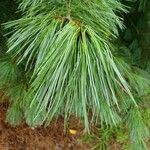
Pinus monticola
California mountain pine · Idaho White Pine · Mountain white pine · Silver pine · Western white pine
Description
Source: leafsnapWestern white pine (Pinus monticola), also called silver pine and California mountain pine, is a species of pine in the family Pinaceae. It occurs in mountain ranges of northwestern North America. It is the state tree of Idaho and is sometimes known as the Idaho pine.
🎭 Optimism, Sympathy
Care Guide
💧 Water Every 7 days
Western white pine thrives in well-drained, moisture-rich conditions, showcasing a moderate tolerance to drought. To best support its growth, watering should mimic natural rainfall patterns, ideally every two weeks. As an evergreen, the western white pine needs consistent soil moisture to maintain year-round growth and healthy foliage, particularly when grown outdoors.
How should I water my Western white pine tree?
Watering your Western white pine is a simple task. A garden hose is the best tool for mature trees, as they may require a large volume of water. For smaller trees, a watering can or similar tool will do. It's important to avoid overhead watering to prevent disease, especially when the tree is young.
What can I do if I give my Western white pine tree too much water or not enough water?
Overwatering can occur when the soil does not drain properly, causing the Western white pine to decline. To fix this, you can either improve the soil's drainage or relocate the plant to a better spot. If you have your pine in a pot, you may need to use looser soil and a container with better drainage. Overwatering can lead to diseases, so it's important to address them promptly. If your pine is underwatered, simply water it more frequently and it will recover. To determine if your pine is overwatered, check the foliage, especially new growth. Discolored or fragile new growth indicates excess moisture. Standing water or slow drainage in the growing area also suggest overly moist soil. Sparse, brown leaves are a sign of underwatering. Consider recent rainfall or hot weather as possible causes for these symptoms.
How often do I need to water my Western white pine?
A mature Western white pine is highly adaptable to drought conditions and can survive solely on rainfall. Only during the hottest months of the year, approximately once per week, may you need to water it. However, in other seasons, watering may not be necessary at all. It's important to note that newly planted trees require regular watering to establish their roots and maintain soil moisture. Nonetheless, be cautious not to overwater as standing water is not tolerated by Western white pines. When unsure, it's safer to avoid watering too much.
How much water does my Western white pine tree need?
During the height of summer, you may need to water your Western white pine. On average, giving it one inch of water per week is sufficient. However, the amount can vary if there has been significant rainfall. If it has rained one inch or more in a given week, you don't need to water the tree. Keep in mind that newly planted Western white pines require more water during the initial establishment period. Typically, you should water them once every one to two weeks for the first few growing seasons.
What is the best way to water my Western white pine at different times of the year?
During the summer months, the Western white pine tree requires the most water due to hot weather. It is advisable to water the plant once a week if there is no rainfall. However, this plant can often survive without any water during other times of the year. In spring and fall, providing some water may be necessary if the weather gets exceptionally hot, though this is not common. Unlike many other plants, the Western white pine does not go into full dormancy in winter, meaning it continues to grow during the coldest months. Nevertheless, the water requirements in winter are still relatively low as the cool temperatures do not cause the soil to dry out quickly.
☀️ Light Full sun
Western white pine generally does best in places that receive abundant sunlight during the day, though it also tolerates conditions where light is filtered or reduced for part of the day. In the wild it commonly grows in open areas with plenty of light. If it does not get enough sun, its growth can become stunted and its overall health may decline. Conversely, excessively intense light, particularly without intervals of relief, can harm the plant.
How much sunlight should Western white pine get per day to grow healthy?
To ensure healthy growth, Western white pine needs a minimum of 3-6 hours of sunlight each day. However, most plants that can handle partial sun also do well in full sun. They require less light for photosynthesis, making them more adaptable compared to plants that specifically need full sun or part shade.
What kind of sunlight does Western white pine require?
Western white pine thrives in full or partial sun exposure. It thrives best when exposed to direct morning light, although it requires protection from the intense afternoon sun during the summer. Excessive hot afternoon sun in temperate environments can cause the plant's leaves to burn, resulting in both aesthetic and health issues for the plant.
Does sunlight harm Western white pine? How can we keep Western white pine safe from the sun and heat?
When moving Western white pine from indoors to outdoors, it is important to protect them from direct sunlight to prevent damage. The best way to do this is by gradually moving the pots from a shaded area to a brighter spot. However, even plants that are used to the sun can still be harmed by extreme heat. During a heatwave, it is crucial to keep the soil consistently moist so that the plants can handle the excessive heat levels. To protect sensitive Western white pine during extreme weather, you can move them to areas with afternoon shade or use a shade cloth to cover them.
Does Western white pine need to stay away from the sun? Should I shield Western white pine from the sunlight?
Western white pine benefits from bright morning sun and some full sun exposure, but they may struggle with the harsh, hot midday sun of summer. When planted in the ground, the pine can slowly acclimate to the increasing summer sun intensity. However, potted plants that have been indoors or in a protected area can get hurt if suddenly exposed to direct summer sun during the hottest part of the day. To safeguard the plant from the intense afternoon sun, it is best to plant or position it in a shaded spot underneath taller trees, plants, or near a building or landscape feature.
What will happen if Western white pine does not get enough sunlight?
When Western white pine does not receive enough sunlight, it may appear pale green or have drooping, yellow leaves. Although some leaf drop is normal, if leaves are falling but no new ones are growing in their place, it indicates a problem. Inadequate light can result in weak, pale new growth that is susceptible to insects. By being observant of these signs and adjusting the lighting conditions, you can make a significant improvement.
🌡️ Temperature 5–32.2°C
Western white pine is indigenous to cool mountain habitats and grows well in temperatures ranging from 41 to 89.6 °F (5 to 32 ℃). It prefers cooler conditions but can tolerate warmer weather if provided with adequate water and shade. Seasonal care may involve increasing watering during summer heatwaves.
What temperature is best for Western white pine?
The Western white pine thrives best in temperatures ranging from 65 to 80℉ (18 to 27℃). During the primary growing phase, it can tolerate temperatures as high as 95℉ (35℃) and as low as 15℉ (-10℃). This species is able to survive freezing winters, as it is tolerant of low temperatures. The recommended temperature range for optimal growth is 65 to 80℉ (18 to 27℃), with the highest tolerable range being 85 to 95℉ (30 to 35℃), and the lowest tolerable range being -5 to 15℉ (-20 to -10℃) or below.
Do I need to change the temperature for Western white pine at different stages of growth?
According to research, when temperatures are consistently higher for a long time, Western white pine may start to show slow growth. This is particularly noticeable during the development of axillary buds and the growth of main shoots. To promote healthy growth after germination or transplanting, it is recommended to keep temperatures cool and steady at around 65℉ (18℃).
How can I make sure that Western white pine stays warm during cold seasons?
Western white pine can tolerate freezing temperatures if planted in the ground, as long as the temperature does not drop below 15℉ (-10℃) during winter. However, if planted in pots or containers, it is crucial to provide protection for the roots from the winter cold. This can be done by wrapping the container in a blanket or bringing it inside where it will be shielded from the elements.
If the temperature is too high or too low, how will Western white pine be harmed?
Western white pine is more likely to suffer greater harm from consistently high temperatures rather than from consistently low temperatures. When the temperature rises too much, heat stress triggers hormone imbalances that reduce seed germination and photosynthesis efficiency. This can be observed through wilting, leaf browning, and in some cases, the death of the plant. On the other hand, if the temperature drops too low, the plant's functions such as nutrient uptake and photosynthesis will stop, potentially leading to its death. Additionally, even a single freezing event during the growing season can cause a phase transition in the plant's membrane, which can halt its functions and result in death.
What do I need to remember about temperature for Western white pine?
To ensure the health of Western white pine and promote successful budding, flowering, and new growth, it is vital to maintain a consistent soil temperature. This can be achieved by consistently watering the plant, applying mulch to bare soil, and opting for shaded planting areas.
💨 Humidity
🪴 Soil 5-6
🌱 Fertilizer
Western white pine has specific nutrient needs and does not require heavy fertilization. Spring is the best time to apply fertilizer for optimal growth. Supplying nutrients improves its health, strengthens its resistance to pests and diseases, and helps maintain its long lifespan.
Why should I put fertilizer on my Western white pine tree?
To support the healthy growth of the Western white pine, it is recommended to fertilize it in the spring. This long-lived plant requires proper care and nutrition. By adding nutrients to the soil, not only does it improve the plant's overall health, but also enhances its ability to ward off common pests and diseases that may hinder growth or shorten its lifespan.
When should I fertilize my Western white pine for the best results?
In some cases, the growing medium may not provide sufficient nutrients for healthy growth. However, Western white pine behaves differently compared to typical garden plants. It does not need excess nutrients. The ideal time to fertilize this pine species is in the spring, before new growth emerges.
When is it a good idea not to add fertilizer to my Western white pine?
While some plants benefit from monthly or weekly fertilization, the Western white pine does not require excessive nutrients. Over-fertilizing can actually harm the tree and cause it to die back. To avoid this, only apply fertilizer during the spring season and refrain from doing so during the summer, fall, and winter. Additionally, avoid adding any fertilizer or organic matter to the soil during these seasons.
What kind of fertilizer does my Western white pine tree require?
The age of your plant matters when choosing the right fertilizer. However, keep in mind that Western white pine doesn't need excessive nutrients. Look for a balanced plant food that promotes healthy root development and growth. Avoid fertilizers with high nitrogen contents.
How can I give nutrients to my Western white pine?
When fertilizing Western white pine, it is crucial to consider both the timing and method of application. To provide the necessary nutrients, apply the fertilizer once in the spring at the base of the plant, being careful to avoid contact with the trunk. If using granulated fertilizer, cover the pellets with a thin layer of soil to help with proper absorption into the soil.
🪴 Pot & Repot Every 12 months
✂️ Pruning
The Western white pine is a tall conifer with slender needles. To improve its health and shape, it's best to prune it during the winter by removing any dead branches. Make sure to clean your tools before pruning to prevent the spread of disease. Proper pruning increases air circulation and sunlight exposure, which encourages growth and helps reduce the presence of pests.
🌿 Propagating
🐛 Diseases & pets
☠️ Toxicity
Characteristics
- Plant Type
- Tree
- Life Cycle
- Perennial
- Genus
- Pinus
- Family
- Pinaceae
- Hardiness Zone
- 4-8
- Mature Height
- 29.87 m to 70.1 m
- Mature Spread
- 7.92 m
- Leaf Color
- Green, Blue, White
- Leaf Type
- Evergreen
- Flower Color
- Yellow, Green, Brown, Gold
- Flower Size
- 15.24 cm
- Bloom Time
- Early summer, Mid summer
- Planting Time
- Winter
- Harvest Time
- Mid summer, Late summer