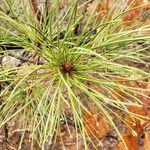
Pinus ponderosa
Bull Pine · Western Yellow-pine · Blackjack pine · Ponderosa pine · Rock pine
Description
Source: leafsnapPinus ponderosa, commonly known as the ponderosa pine, bull pine, blackjack pine, western yellow-pine, or filipinus pine is a very large pine tree species of variable habitat native to mountainous regions of western North America. It is the most widely distributed pine species in North America.: 4 Pinus ponderosa grows in various erect forms from British Columbia southward and eastward through 16 western U.S. states and has been successfully introduced in temperate regions of Europe, and in New Zealand. It was first documented in modern science in 1826 in eastern Washington near present-day Spokane (of which it is the official city tree). On that occasion, David Douglas misidentified it as Pinus resinosa (red pine). In 1829, Douglas concluded that he had a new pine among his specimens and coined the name Pinus ponderosa for its heavy wood. In 1836, it was formally named and described by Charles Lawson, a Scottish nurseryman. It was adopted as the official state tree of Montana in 1949.
🌳 Native Americans steep the needles of the ponderosa pine to brew a tea rich in vitamin C. Its cones hold tasty nuts that are often used in decoration. Ponderosa pine wood is favored for making furniture and interior work, and its resin is processed into versatile turpentine.
🎭 Optimism, Sympathy
Care Guide
💧 Water Every 7 days
Ponderosa pine needs moderate watering, ideally every 1-2 weeks, to thrive. Being an evergreen, it keeps its foliage year-round and requires consistent soil moisture. Native to regions with regular rainfall, ponderosa pine is also resilient during dry periods.
How should I water my Ponderosa pine tree in the best way?
Watering your Ponderosa pine is a simple task. To do so, you can use your garden hose to slowly soak the soil. This is especially useful for mature trees that require a lot of water. However, smaller trees can be watered with a watering can or other small tools. It's important to avoid overhead watering, as too much moisture on the leaves can cause disease, particularly for young trees.
What should I do if I give my Ponderosa pine tree too much water or not enough water?
Overwatering can occur when the soil does not drain properly, which can cause a Ponderosa pine to decline. If this happens, you can improve the soil's drainage or relocate the tree to a better spot. If you have a potted pine, you may need to repot it with looser soil in a container that allows for better drainage. Overwatering can also lead to diseases in the plant, which should be treated promptly. To remedy underwatering, simply water the plant more frequently. To determine if your pine is overwatered, examine the foliage, particularly the new growth, for discoloration or easy breakage. Standing water or slow drainage in the plant's area can also indicate excessive moisture. Conversely, underwatered pines may have sparse, brown leaves. Consider recent rainfall and high temperatures if you notice these symptoms to help determine the cause.
How often should I give water to my Ponderosa pine tree?
A mature Ponderosa pine is highly drought tolerant and can survive on rainfall alone. During the hottest months, it may need to be watered once a week, but in other seasons, it probably won't need any additional watering. The only exception is for newly planted trees, which require regular watering to establish their roots. However, it's important to avoid overwatering, as Ponderosa pines don't tolerate standing water. When in doubt, it's better to not water the tree too much.
How much water is required for my Ponderosa pine?
During the peak of summer, it is necessary to water your Ponderosa pine, usually with one inch of water per week. However, if it has rained more than one inch that week, you can skip watering. Additionally, newly planted Ponderosa pines require more frequent watering during their initial years, typically every one to two weeks.
How should I give water to my Ponderosa pine tree during different times of the year?
The Ponderosa pine tree requires the most water in the summer when it's hottest. During this time, water the plant once a week if there is no rainfall. In other seasons, the plant can survive without water. However, in spring and fall, you may need to give it some water if the weather is exceptionally hot, though this is rare. Unlike many other plants, the Ponderosa pine keeps growing during the coldest months of winter as it doesn't fully go dormant. Nevertheless, water needs during winter will still be low since cool temperatures prevent the soil from drying out quickly.
☀️ Light Full sun
Ponderosa pine does best in locations that get sun for most of the day and can tolerate sites where the sun’s rays are somewhat filtered. Native to areas with ample sunlight, inadequate light slows its growth, while excessive exposure can stress or injure the tree.
What are the sunlight requirements for growing Ponderosa pine successfully?
Ponderosa pine requires full sun exposure to thrive, which means it should receive more than 6 hours of sunlight daily. However, it can also grow in partial sun conditions, receiving about 3-6 hours of sunlight. It's important to monitor the sunlight patterns in your garden to ensure your Ponderosa pine gets the optimal balance of light and shade. This approach will promote the health and happiness of your plants.
How does insufficient or excessive sunlight affect Ponderosa pine?
The Ponderosa pine thrives in abundant sunlight but can suffer in conditions of insufficient or excessive light. Lack of enough sunlight can lead to slower growth, while too much sunlight can stress or damage the tree. For indoor Ponderosa pines where natural sunlight is limited, especially during winter or in less sunny locations, artificial lighting can be an effective solution. Using the right type of artificial light, such as LED lights, and adjusting the light's intensity and duration to mimic natural sunlight can promote healthier growth.
What are the symptoms of light deficiency in Ponderosa pine?
Symptoms of light deficiency in Ponderosa pine include the development of smaller new leaves, leggy or sparse growth, faster leaf drop, slower or halted new growth, lighter-colored new leaves, and chlorosis. Additionally, excessive sunlight exposure can lead to symptoms such as sunscald, leaf curling, wilting, and leaf scorching, indicating that the plant is struggling with the light conditions.
What solutions can help manage improper sunlight exposure for Ponderosa pine?
To manage improper sunlight exposure for Ponderosa pine, gradually moving plants to a location with adequate sunlight is essential. For indoor plants, consider using artificial lights if direct sunlight is insufficient, ensuring at least 8 hours of light daily. For outdoor plants, avoid sudden changes in sunlight exposure to prevent sunburn. Observing the environment for sunlight obstructions and considering transplanting to a sunnier location with good drainage can also help manage sunlight exposure for ground-planted Ponderosa pines.
🌡️ Temperature 0–32.2°C
The ponderosa pine is a temperate woody species that favors a temperature range of 32 to 90℉ (0 to 32℃). It is native to regions with hot summers and cold winters, with average summer temperatures of 60 to 70℉ (16 to 21℃) and average winter temperatures of 20 to 30℉ (-7 to -1℃). During winter it can tolerate brief periods of extreme cold as low as -40℉ (-40℃).
What are the temperature preferences and native climate of the Ponderosa Pine?
The Ponderosa Pine is a temperate woody plant that thrives in areas with hot summers and cold winters. It prefers a temperature range of 32 to 90°F (0 to 32°C), with average summer temperatures of 60 to 70°F (16 to 21°C) and average winter temperatures of 20 to 30°F (-7 to -1°C). This plant is adaptable to short periods of extreme cold down to -40°F (-40°C) in winter. Given its high cold tolerance, the Ponderosa Pine does not require extra frost protection measures during the winter months. However, it is advisable to water the plant generously before the first freeze in autumn to ensure the soil stays moist and enters a frozen state, which helps prevent drought and water scarcity for the plant during winter and early spring.
What should you do if the Ponderosa Pine experiences temperatures below -35°C?
Although the Ponderosa Pine is extremely cold-tolerant, winter temperatures should ideally be maintained above -35°C. If temperatures do drop below this threshold, the plant may not show immediate signs of distress during the winter, but come spring, the branches might become brittle and dry, and new shoots may fail to emerge. In such cases, it is recommended to prune away any dead branches that have not produced new leaves in the spring as a remedial measure.
How does the Ponderosa Pine react to high temperatures, and what measures should be taken?
The Ponderosa Pine is susceptible to damage from high temperatures. Once the temperature exceeds 32°C (90°F), the plant may undergo significant leaf drop, and in severe cases, it could wither and die. To combat the effects of high temperatures, trim away any sunburned and dried-up parts of the plant. It's also beneficial to move the plant to a location that provides shade during the midday and afternoon sun, or to use a shade cloth to protect it. Ensuring the soil is moist by watering the plant in the morning and evening is also crucial for its survival in high temperatures.
💨 Humidity
🪴 Soil 6-7
🌱 Fertilizer
Ponderosa pine has specific nutrient needs and does not require heavy fertilization. Fertilizing in spring is the best time for optimal growth. Providing nutrients improves its health, increases its resistance to pests and diseases, and helps sustain its long lifespan.
Why should I put fertilizer on my Ponderosa pine tree?
To ensure a thriving Ponderosa pine, it is recommended to fertilize in the spring. This plant has a long lifespan and requires support. By enriching the soil with nutrients, you can enhance its overall health and make it more resilient against pests and diseases that can hinder its growth or reduce its lifespan.
When should I fertilize my Ponderosa pine tree?
While the growing medium may not always provide sufficient nutrients for healthy growth, Ponderosa pine differs from garden annuals and perennials in that it doesn't demand a large amount of additional nutrients. For optimal results, it is recommended to fertilize Ponderosa pine in the spring prior to the emergence of new growth.
When shouldn't I fertilize my Ponderosa pine?
While some plants benefit from regular fertilization, the Ponderosa pine does not require excessive nutrients. Over-fertilizing can actually harm the tree and cause it to wither. It is best to only apply fertilizer during spring and avoid doing so in the other seasons - summer, fall, and winter. Additionally, refrain from adding any additional fertilizer or organic matter to the soil during those times.
What kind of fertilizer does my Ponderosa pine tree need?
The age of your plant affects the fertilizer it needs. Ponderosa pine doesn't need much extra nutrients, so look for a balanced plant food that promotes healthy root development and growth. Avoid fertilizers with high nitrogen levels.
How can I give nutrients to my Ponderosa pine tree?
Properly applying fertilizer to Ponderosa pine is crucial, just like timing. In the spring, apply the fertilizer near the plant's base, while avoiding contact with the trunk. If using granulated fertilizer, cover the pellets with a thin layer of soil to enhance absorption into the soil.
🪴 Pot & Repot Every 12 months
✂️ Pruning
Winter pruning is beneficial for Ponderosa pines as it helps maintain their health and shape. Focus on removing dead or damaged branches to improve air circulation and prevent pests. Be cautious not to prune too heavily, as this can lead to excessive sap loss. Regular pruning encourages stronger growth and helps prevent the risk of hazardous branch failures.
🌿 Propagating
🐛 Diseases & pets
☠️ Toxicity
These investigations show that the needles and tips of ponderosa pines are toxic as well as a potent inducer of abortion. Because the lesions caused by pine tips, rosin gum, and dehydroabietic acid are similar, toxicosis is probably caused by the diterpene abietane acids that are present in all three.
Characteristics
- Plant Type
- Tree
- Life Cycle
- Perennial
- Genus
- Pinus
- Family
- Pinaceae
- Hardiness Zone
- 3-7
- Mature Height
- 70.1 m
- Mature Spread
- 7.01 m to 9.14 m
- Leaf Color
- Green, Yellow
- Leaf Type
- Evergreen
- Flower Color
- Yellow, Red
- Bloom Time
- Late spring, Early summer
- Planting Time
- Spring, Autumn
- Harvest Time
- Mid summer, Late summer, Early fall
- Native Area
- Mexico