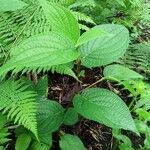
Piper aduncum
Spiked pepper · Higuillo de hoja menuda · Bamboo Piper · Spiked pepperbush · False Matico
Description
Source: leafsnapPiper aduncum, commonly known as spiked pepper or the matico plant, is a species of flowering plant in the Piperaceae family. It is native to Central and South America and can be found in countries such as Brazil, Colombia, Ecuador, Peru, and Venezuela. The plant can grow up to 10 meters tall, with a trunk diameter of up to 30 centimeters. It has large, heart-shaped leaves with pointed tips, arranged alternately along the stem. When crushed, the leaves emit a strong, aromatic scent. For centuries, indigenous people in South America have used Piper aduncum for medicinal purposes. The leaves contain essential oils that possess antifungal, antibacterial, and anti-inflammatory properties, making them useful for treating various ailments such as wounds, skin infections, and respiratory problems. Beyond its medicinal properties, Piper aduncum is also utilized in traditional practices such as aromatherapy. Its pleasant scent is known to help relieve stress. Economically, the plant is significant due to its essential oil content, which is used in the production of perfumes and soaps. Overall, Piper aduncum is a versatile species with numerous applications ranging from traditional medicine and aromatherapy to commercial perfume production. It plays an important role in both the culture and economy of Central and South America.
Care Guide
💧 Water Every 7 days
Spiked pepper prospers in moderately moist conditions and typically needs watering every 2-3 weeks. While it can tolerate some dryness, it thrives with occasional misting, particularly during periods of active growth or in environments with low indoor humidity. Ensuring proper hydration and drainage is essential for maintaining the plant's health.
How should I water my Spiked pepper plant in the most effective way?
Your Spiked pepper is not picky about how you water it, so you can use a variety of common tools to moisten the soil. Watering cans, hoses, or even cups will do the job. Regardless of the tool you choose, it's important to water the soil directly. Be sure to evenly moisten all areas of the soil to provide water to every part of the root system. Using filtered water is recommended to avoid harmful particles from tap water. Water at or slightly above room temperature is also beneficial, as extremely hot or cold water can be shocking to the Spiked pepper. However, the Spiked pepper generally responds well to any type of water you give it.
What do I do if I give my Spiked pepper plant too much or too little water?
Outdoor plants, especially newly planted ones or seedlings, are prone to lack of watering. It is important to water them regularly for a few months until they become established and can rely on rain. However, when potted, overwatering is more likely. If you accidentally overwater your potted plant, stop watering it immediately. Check the roots for any signs of root rot and remove affected roots. Applying a fungicide can help prevent further damage. Repot the plant in well-draining soil. On the other hand, if the plant is underwatered, simply water it more frequently. The leaves will droop and dry out, but will regain fullness once properly watered. Adjust your watering frequency as soon as you notice underwatering.
How frequently should I water my Spiked pepper plant?
To ensure the healthy growth of most outdoor plants, rainfall is usually sufficient. However, in areas with less rainfall, it is important to water your plants adequately. During the spring and fall, watering every 2 weeks is usually enough, but in the summer, more frequent watering is needed. In the winter, when plants grow slower and require less water, it is best to water sparingly or not at all. If your Spiked pepper is young or newly planted, it is recommended to water it more frequently to help it establish and become more adaptable to drought conditions. For potted plants, there are two main approaches to determine how often to water your Spiked pepper. The first method is to follow a set watering schedule, such as once every week or every other week. However, this may not always be suitable as it does not consider the specific growing conditions of your plant. The watering frequency can also vary depending on the season, particularly during summer when the plant's water needs are the highest. An alternative method is to monitor the soil moisture and water the plant only when the top few inches of soil have completely dried out. This is typically around one-third to one-half the depth of the pot.
How much water does my Spiked pepper plant need?
To water your Spiked pepper, you don't always need a lot of water. If only a few inches of soil have dried since the last watering, give the plant about five to ten ounces of water. You can also check the soil moisture to determine how much water to give. If more than half of the soil has dried out, give more water until you see it draining from the pot's holes. If your Spiked pepper is outside and it rains a lot, it may not need extra watering. When it's young, give it 1-2 inches of rain per week. As it grows, it can rely on rainwater, but if there's no rain for 2-3 weeks during hot weather, give it a full watering to prevent stress.
How can I know if I'm giving enough water to my Spiked pepper plant?
Overwatering is a common issue for the Spiked pepper, and there are specific signs to watch out for. When a Spiked pepper is overwatered, its leaves turn yellow and may fall off. Additionally, excessive watering can make the plant shrink and develop root rot. Conversely, an underwatered Spiked pepper will start to droop and its leaves may become brown and fragile. Regardless of whether you notice signs of overwatering or underwatering, it is important to take action and revive the health of your Spiked pepper.
☀️ Light Full sun
Spiked pepper does best in spots with plenty of light, though it can tolerate moderate illumination. Excessive light may scorch the leaves, while too little can cause sparse growth. Remember, its native habitats experienced steady light.
What are the sunlight requirements for Spiked Pepper plants?
Spiked Pepper (Piper aduncum) requires full sun, which means it thrives in conditions where it gets more than 6 hours of sunlight daily. It can also manage in partial sun, receiving about 3-6 hours of sunlight. It's vital to observe how sunlight moves through your garden to find spots that offer the perfect balance of light and shade, ensuring the plant's well-being.
How should Spiked Pepper plants be cared for in terms of light?
Spiked pepper plants prefer abundant illumination but can tolerate moderate levels. Excessive sunlight can cause leaf scorch, while insufficient light may lead to sparse growth. The plant's natural habitat is in consistently lighted areas. When natural sunlight isn't enough, especially in winter, artificial lighting can be a great alternative to promote healthy growth. Useful types of artificial light include LEDs, which can be customized to provide specific wavelengths needed by the plant. For full sun, plants require 30-50W/sq ft of artificial light, partial sun plants need 20-30W/sq ft, and full shade plants need 10-20W/sq ft. The light source should be placed 12-36 inches above the plant, with a duration mimicking natural daylight hours, typically 8-12 hours per day.
What symptoms indicate Spiked Pepper plants are receiving insufficient light?
Symptoms of insufficient light in Spiked Pepper plants include smaller new leaves, leggy or sparse growth, faster leaf drop, reduced or halted new growth, lighter-colored new leaves, chlorosis (leaves turning yellow due to chlorophyll breakdown), sunscald (damage from intense light), leaf curling as a defense mechanism against excessive light, wilting due to increased water loss, and leaf scorching characterized by brown, crispy leaf edges.
How can I address light-related issues with my Spiked Pepper plants?
To address light-related issues in Spiked Pepper plants, gradually move the plants to a sunnier location to receive at least 6 hours of direct sunlight daily. For indoors, use south-facing windows and keep curtains open, or use desk, ceiling lamps, or professional grow lights for at least 8 hours daily. For outdoor plants, make transitions to sunnier spots gradual to avoid sunburn. Minimize obstructions by pruning obstructive trees or transplanting smaller plants to better lit areas. Note that parts of the plant affected by previous poor light conditions might not recover, but new growth should be healthy following these adjustments.
🌡️ Temperature 20–37.8°C
Spiked pepper originates from climate zones with temperatures between 68 and 100.4 °F (20 to 38 ℃). It prefers warmer conditions, so adjustments may be necessary in winter to maintain a suitable temperature.
What is the native climate for Spiked pepper and how should it be cared for?
Spiked pepper, botanically known as Piper aduncum, thrives in Climate Zones with temperatures ranging from 68 to 100.4 °F (20 to 38 °C). This plant loves warm climates and requires some care during the winter to maintain an appropriate temperature. Since it is extremely heat-loving, exposure to cold can harm it, therefore in autumn, it's advisable to bring any outdoor-grown Spiked pepper plants indoors, placing them near a bright window, yet away from heaters. To promote growth, maintaining temperatures above 20°C during the winter season is beneficial, while temperatures nearing 0°C are known to adversely affect the plant.
How does low temperature impact Spiked pepper, and what are the recommended solutions?
Spiked pepper's preference for warm temperatures means that it does not tolerate low temperatures well, thriving best when the temperature remains above 20°C. During winter, temperatures should be kept above 0°C, as falling below -5°C can cause the leaves to lighten in color. Frost damage may lead to a gradual change to brown or black in color, accompanied by wilting and drooping. Solutions include trimming off the frost-damaged parts and moving the plant to a warm environment indoors for cold protection. Placing the plant near a south-facing window ensures ample sunlight, but the plant should not be placed near heaters or air vents as this can cause excessive dryness.
What effects does high temperature have on Spiked pepper, and how can these issues be addressed?
During the summer months, it's important to keep Spiked pepper below 38°C to avoid heat stress. When temperatures soar above 43°C, the leaves may lighten in color, making the plant prone to sunburn. To mitigate damage, trim away the sunburned and dried-up parts of the plant. Moving the plant to a shaded location, particularly away from the midday and afternoon sun, can help. Additionally, watering the plant in the morning and evening ensures the soil remains moist, which is crucial for its health during high temperatures.
💨 Humidity
🪴 Soil 5-7
🌱 Fertilizer
Fertilization is essential for the care of Spiked pepper. Regular feeding during the growing season maintains the energy for its showy leaves and supports overall growth. Neglecting fertilization can cause unhealthy foliage, reduced ornamental appeal, and stunted or weak growth that is prone to breaking.
🪴 Pot & Repot
✂️ Pruning
To care for spiked pepper, perform selective pruning from early to late winter. This helps remove damaged branches and encourages healthy growth in the spring. Trim excessively long stems to improve size and air circulation, which also helps control its invasive tendencies. Always use sharp, clean tools and wear gloves because the plant may have irritants.
🌿 Propagating
🐛 Diseases & pets
☠️ Toxicity
Characteristics
- Plant Type
- Tree, Shrub
- Life Cycle
- Perennial
- Genus
- Piper
- Family
- Piperaceae
- Hardiness Zone
- 9-11
- Mature Height
- 5.49 m to 6.1 m
- Mature Spread
- 1.52 m to 3.05 m
- Leaf Color
- Forest Green, Dark Green
- Leaf Type
- Evergreen
- Flower Color
- White
- Flower Size
- 2.54 cm
- Bloom Time
- All year round
- Planting Time
- Spring, Summer, Autumn, Winter
- Harvest Time
- All year round
- Native Area
- Belize, Honduras, Mexico, Guatemala, Peru, Dominican Republic, Trinidad and Tobago, Panama, Jamaica, Colombia, Cuba, Bolivia, Venezuela, Brazil, Guyana, El Salvador, Nicaragua, Ecuador, Suriname, Costa Rica