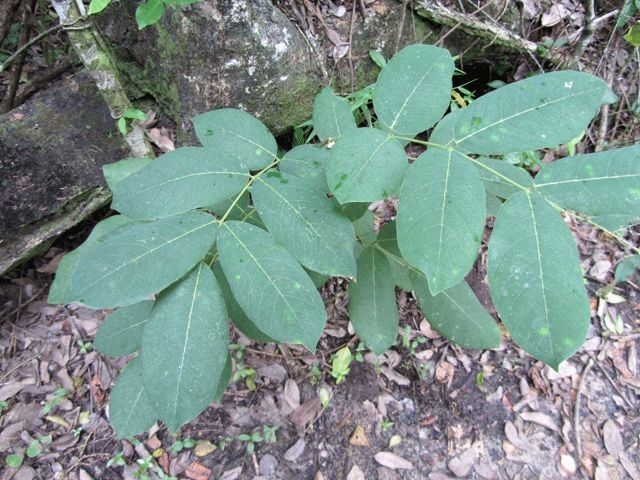
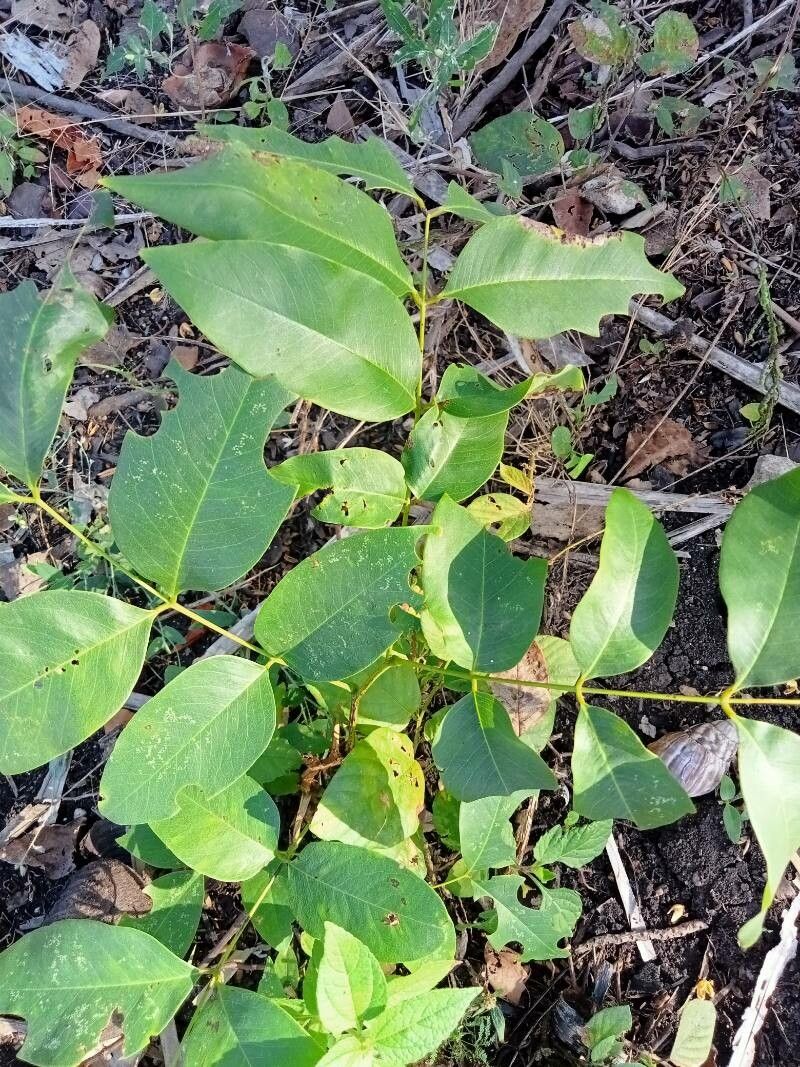
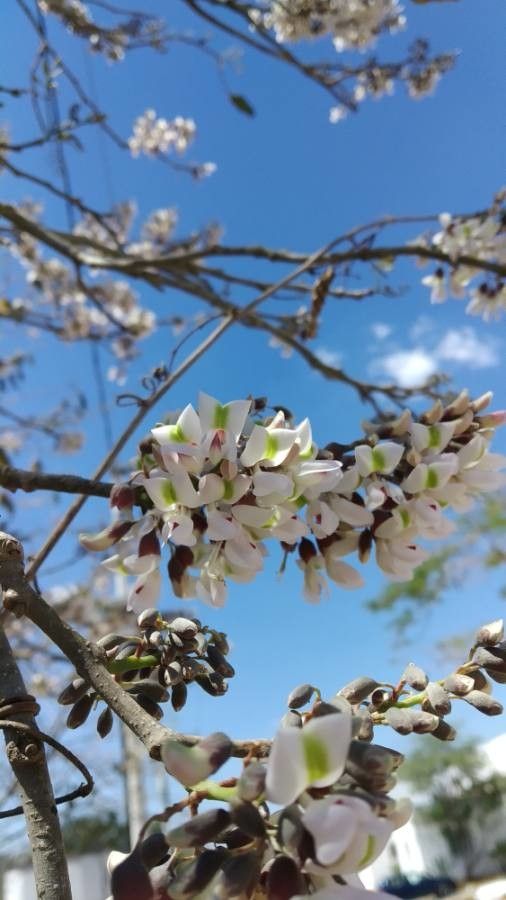
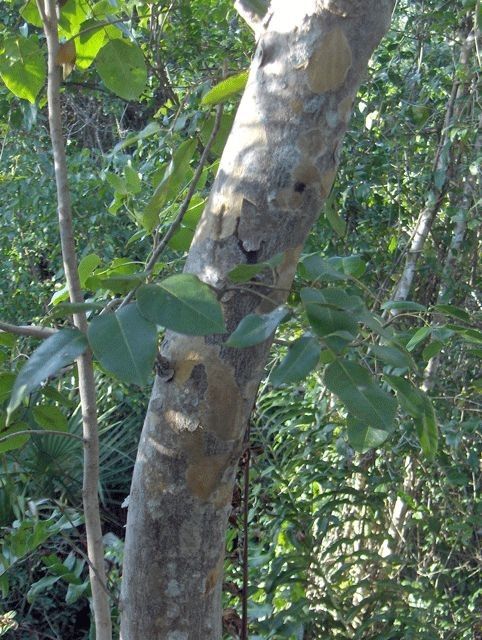
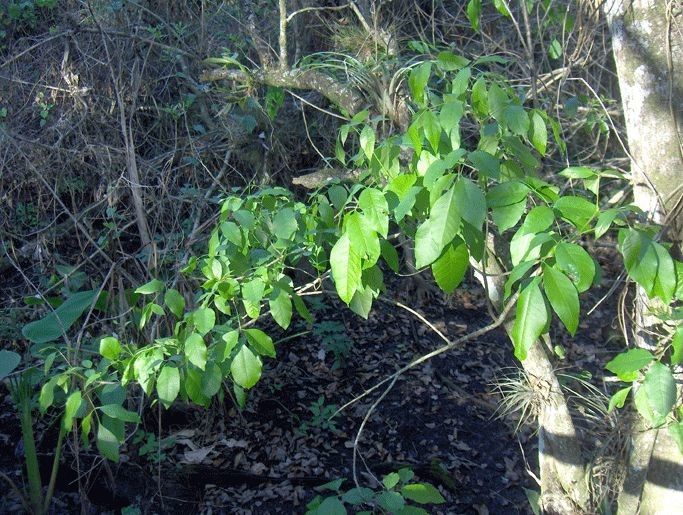
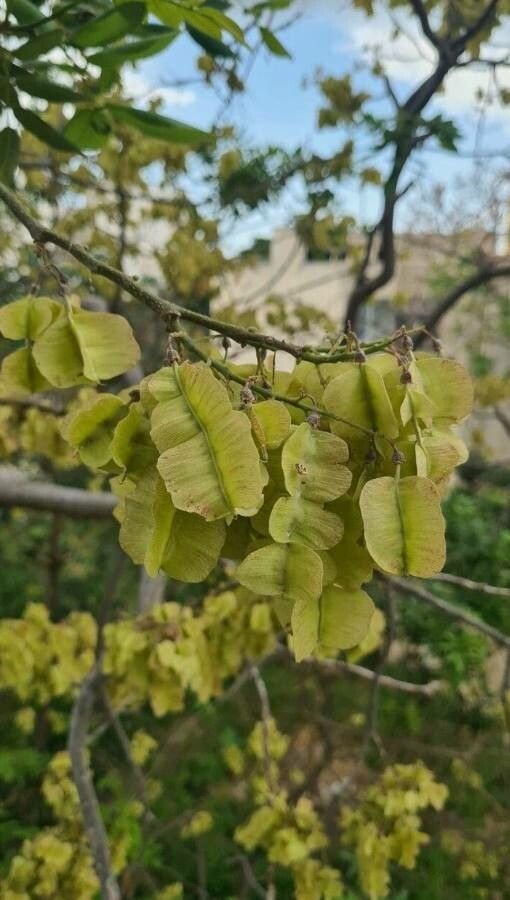
Piscidia piscipula, commonly named Florida fishpoison tree, Jamaican dogwood, or fishfuddle, is a medium-sized, deciduous, tropical tree native to the Greater Antilles (except Puerto Rico), extreme southern Florida (primarily the Florida Keys) and the Bahamas, and the coastal region from Panama northward to the vicinity of Ocampo, Tamaulipas, Mexico. The native Taino of the West Indies discovered extracts from the tree could sedate fish, allowing them to be caught by hand. This practice led to the tree's common names—fishpoison and fishfuddle. The tree has medicinal value as an analgesic and sedative.The generic name is Latin for "fish killer", and the specific epithet is Latin for "little fish".
The Florida fishpoison tree is fairly resistant to disease and is generally not prone to illnesses. In terms of care, this plant is relatively low-maintenance. When grown outdoors it needs minimal watering, and larger specimens typically do not require pruning. Smaller plants, however, should be pruned after they have finished blooming. The Florida fishpoison tree is suitable for anyone with outdoor space, such as a garden or deck, and does not demand extensive care experience.
How to keep Piscidia Piscipula.
Light
The Florida fishpoison tree prefers very bright light similar to the noon sun, though it can tolerate less intense sunlight as well. In its native habitats it prospers with abundant sun exposure. Too much light can put the plant under stress, while too little light can impede its growth.
Water
The Florida fishpoison tree thrives in tropical climates that experience alternating periods of heavy rain and sunshine. While it prefers moist soil, it can tolerate short droughts and generally needs watering every 1 to 2 weeks. Typically grown outdoors, this tree benefits from mulching to help retain moisture during the growing season.
Temperature
The Florida fishpoison tree is native to warm climates and ideally prefers temperatures between 68 and 100 °F (20 to 38 ℃). To meet its tropical needs, keep it within this temperature range across all seasons.
Fertilizer
The best time to fertilize a Florida fishpoison tree is in early spring, when it comes out of dormancy. This encourages overall growth and flower development. Fertilizing improves the foliage, stems, and branches, while encouraging large, vibrant, and long-lasting flowers. It helps move nutrients from the roots to the flowers and enhances the plant’s health and resistance to disease.
Pruning
The Florida fishpoison tree, commonly found in tropical areas, has compound leaves and fragrant flowers. To promote healthy growth and structure, prune it in early spring using sharp tools. Light annual pruning helps control its size and improve air circulation, reducing the risk of pests. Avoid heavy pruning in late autumn or winter, and be sure to consult local guidelines for additional advice.
Botanical profile.
- Plant Type
- Tree
- Life Cycle
- Perennial
- Genus
- Piscidia
- Family
- Fabaceae
- Hardiness Zone
- 9-11
- Mature Height
- 15.24 m to 18.29 m
- Mature Spread
- 21.34 m
- Leaf Color
- Green
- Leaf Type
- Deciduous
- Flower Color
- White, Pink
- Flower Size
- 2.54 cm
- Bloom Time
- Mid spring, Late spring
- Planting Time
- Spring, Summer
- Harvest Time
- Summer
- Native Area
- Bahamas, Belize, Cuba, Honduras, Mexico, Venezuela, Nicaragua, Panama, Jamaica
Other names.
Reader questions.
What are the sunlight requirements for the Florida fishpoison tree?
The Florida fishpoison tree, known botanically as Piscidia piscipula, thrives in full sunlight, needing over 6 hours of sunlight a day, but it can also tolerate partial sun, which is about 3-6 hours of sunlight. It's important to observe how sunlight moves through your garden to find spots that offer an ideal balance of light and shade, ensuring the tree's health and happiness.
What is the ideal temperature range for the Florida fishpoison tree?
The Florida fishpoison tree thrives in a temperature range of 68 to 100°F (20 to 38°C). It loves warm environments and is very sensitive to cold. To ensure its health and growth, it's important to maintain its preferred temperature range throughout the different seasons. During colder months, particularly autumn, it's recommended to bring the outdoor-grown Florida fishpoison tree indoors. The plant should be placed near a bright window but kept at a safe distance from heaters to avoid damage. Keeping the temperature above 20°C during winter is beneficial for the plant's growth. Any exposure to temperatures approaching 0°C can be harmful.
How should I care for indoor Florida fishpoison trees with artificial lighting?
For indoor Florida fishpoison trees lacking natural sunlight, especially during winter or in less sunny spaces, artificial lighting is a crucial solution. Optimal growth is supported by using the right type of artificial light, such as LED lights, which can be customized to provide specific wavelengths needed by the plants. Full sun plants require 30-50W/sq ft, partial sun plants 20-30W/sq ft, and shade plants 10-20W/sq ft of artificial light. The light source should be placed 12-36 inches above the plant, mimicking natural sunlight for 8-12 hours per day.
What should I do if my Florida fishpoison tree is exposed to low temperatures?
If your Florida fishpoison tree is exposed to temperatures below its tolerance level, which is above 20°C, there are several steps you can take. For trees affected by frost or temperatures below -5°C, where symptoms may include leaves lightening in color or turning brown or black with wilting and drooping, it's important to trim off the frost-damaged parts promptly. Then, move the tree indoors to a warm environment for cold protection. Positioning the plant near a south-facing window ensures it gets ample sunlight. However, avoid placing it directly near heaters or air conditioning vents to prevent excessive dryness in the air.
What are the common symptoms of light deficiency in Florida fishpoison trees?
Florida fishpoison trees show several symptoms when exposed to insufficient light, including smaller new leaves, leggy or sparse growth, faster leaf drop, slower or halted growth, lighter-colored new leaves indicating a lack of chlorophyll, chlorosis (yellowing leaves), sunscald, leaf curling as a defense against excessive sunlight, wilting due to loss of hydration, and leaf scorching characterized by brown, dry edges on leaves. These symptoms highlight the plant's struggle with inadequate light conditions.
How can I protect the Florida fishpoison tree from high temperatures?
During summer, when temperatures can soar, it's crucial to keep the Florida fishpoison tree below 38°C to prevent heat stress. If temperatures exceed 43°C, the tree may experience leaf discoloration and become more susceptible to sunburn. To mitigate damage, trim away any sunburned or dried-up parts of the plant. Then, relocate your Florida fishpoison tree to a spot where it can enjoy shade, especially from the midday and afternoon sun. Watering the plant in the early morning and evening helps maintain soil moisture, offering additional relief from high temperatures.
What solutions can I apply to mitigate light deficiency symptoms in Florida fishpoison trees?
To address light deficiency in Florida fishpoison trees, gradually acclimate the plants to more sunlight by moving them to brighter spots each week until they receive at least 6 hours of direct sunlight daily. For indoor plants, consider using artificial lighting like desk lamps or professional grow lights for at least 8 hours a day if moving the plant is not feasible. Outdoors, ensure the plant is gradually introduced to brighter locations to prevent sunburn. It's crucial to minimize obstructions like trees by pruning, and for smaller plants, consider transplanting during their dormant period to spots with ample sunlight and good drainage. Although parts of the plant affected by insufficient light may not recover, new growth will be healthy following these adjustments.