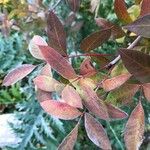
Pistacia vera
Pistachio · Green-almond · Pistachio Nut · Pistache nut
Description
Source: leafsnapThe pistachio (, Pistacia vera), a member of the cashew family, is a small tree originating from Central Asia and the Middle East. The tree produces seeds that are widely consumed as food. Pistacia vera is often confused with other species in the genus Pistacia that are also known as pistachio. These other species can be distinguished by their geographic distributions (in the wild) and their seeds which are much smaller and have a soft shell.
Care Guide
💧 Water
Pistachio plants flourish in arid environments due to their high drought tolerance. To maintain adequate moisture levels, they need watering every three weeks. As a deciduous plant, the pistachio sheds its leaves during dormancy, highlighting its adaptability to dry conditions.
What should I do if I give Pistachio plant too much water or too little water?
Pistachio plants can show signs of overwatering through yellowing, dropping, and wilting leaves. They may also appear dull and unhealthy, with mushy stems. In these cases, adjusting your watering schedule is recommended. Wilting can also be a sign of under watering, characterized by crispy and dry leaves. To determine if watering is needed, check the soil for dryness and provide a thorough watering when necessary. However, even with proper watering, the plant may exhibit yellow and dry leaves due to a damaged root system. Once the plant recovers, the yellowing will cease. When growing Pistachio plants indoors, always check the moisture levels in the pot and avoid overwatering. Look for signs of black spots, and if present, allow the soil to dry out for a few days. Overwatering can lead to root rot, so consider transferring the plant to a different pot if you observe discolored and slimy roots. Preventing root rot by avoiding overly soggy soil is crucial. When planting Pistachio outdoors, ensure that the soil is adequately watered. If the soil feels too dry upon finger testing, it may indicate underwatering. Remember to provide sufficient watering for the plant's recovery.
How frequently should I water my Pistachio tree?
The Pistachio prefers deep and infrequent watering, especially when planted in pots. Soak them in a gallon of water each time to account for the limited water storage in flower pots. If you live in a cold region, water every 3 to 5 days. Watering in the morning, when the soil is dry, is best. Check the soil inside to determine if watering is needed. If the top 2-3 inches of soil is dry, it's time for a full watering. During hot days, check the moisture daily to prevent the soil from drying out quickly in the pot. If you have a garden, you will also need to irrigate the soil. In a hot climate, water once a week when the top 2-3 inches of soil becomes too dry. Don't add water if there is already a lot of rainfall to avoid root rot. Apply mulch about 3 to 4 inches deep around outdoor plants in spring and fall to conserve water. Sandy soil drains faster, so water more frequently. With clay soil, you can wait 2-3 days before watering to prevent root rot. Keep track of waterings on a calendar and monitor the plant for drooping leaves as a sign you may need to water sooner.
How much water does my Pistachio tree need?
The Pistachio tree generally requires about a gallon of water on a regular basis. For potted Pistachio plants, it is recommended to water them deeply until water starts dripping from the bottom of the pot. After that, allow the soil to dry before watering again. You can use a water calculator or a moisture meter to determine the amount of water your plant receives in a week. During the flowering period, provide ample water but allow the moisture to evaporate afterwards to prevent root rot. If the Pistachio tree is planted outdoors and receives sufficient rainfall, it may not need additional watering. However, when the tree is young or newly planted, ensure it receives 1-2 inches of rain per week. As the Pistachio tree grows, it can rely solely on rainfall. Only in excessively hot weather or during prolonged periods without rainfall (2-3 weeks) should you consider giving the Pistachio tree a thorough watering during the cooler parts of the day to prevent damage from heat. Additional watering will be necessary during extended dry spells.
Should I change how often I water my Pistachio tree based on the time of year or the weather conditions?
The Pistachio plant requires outdoor conditions and can tolerate rain, but only needs watering during persistent dry weather. During the spring and fall, the soil should be kept moist but not soggy. It's beneficial to alternate between dry and moist soil conditions for optimal growth. In hot summer weather, water can evaporate quickly, so extra watering may be required if there is a lack of rainfall. During winter, the Pistachio needs less water as it goes dormant. Well-draining soil is recommended during this time to help with water evaporation. Once the Pistachio starts leafing out and going dormant, watering can be skipped as it can rely on fall and winter rains. When the temperature becomes warmer in the spring, cultivating the Pistachio and encouraging growth and blooming is ideal. Good drainage is crucial, especially during winter, as the Pistachio dislikes ponding or drought during flowering. When in pots, the Pistachio has limited root growth, so it needs to be well-watered, especially in the summer. Avoid cold and wet roots by providing proper drainage. Deep soaking the entire root system once or twice a week is recommended, avoiding shallow sprinkles that reach only the leaves. In the fall and winter, even during dormancy, it's important to prevent the Pistachio from drying out completely. Avoid over-watering, as the plant does not like sitting in water for extended periods, which can lead to winter damage. Applying mulch is beneficial to reduce stress, conserve water, and promote healthy blooming.
What do I need to watch out for when I water my Pistachio tree in different seasons, climates, or during different stages of growth?
If you are planting Pistachios in the ground, they primarily rely on rainfall. However, if there is a lack of rain for 2-3 weeks, you may need to give the plants a deep watering. In the summer, it's best to water them in the morning to avoid stressing the roots with a large temperature difference between the water and the roots. Avoid watering them when it's too hot outside. Start mulching them in the spring when the ground is not too cold. The age of the plants is important, as newly planted ones often fail to grow due to lack of water. Once they are established, you can reduce the watering schedule. During the fall and winter, especially if there is a water-retaining material in the soil, reduce watering. Dry winds in these seasons can dry out the plants and the newly planted ones are at risk of drought. Windy seasons generally require more watering. Potted plants dry out faster and need more watering. If you notice less blooming and leaves drying up, it's a sign they need more water. Watering potted plants can be more complicated and requires flexibility. Avoid letting the potted plants sit in water by using containers without saucers, bowls, or trays. Overwatering in the fall can result in mottled or yellowish foliage. It's always best to prevent overwatering, regardless of the climate or season. During the flowering months, you may need to increase watering frequency, but once the plants are fully grown, reduce the watering. Water them adequately every 3 to 5 days, but avoid following a strict schedule. Check the soil moisture by using your finger or a moisture meter. Be cautious not to overwater or underwater, as too much root rot can cause the plants to die.
☀️ Light Full sun
The pistachio prefers to bask in a generous amount of sunlight throughout the day, which significantly supports its robust growth. It originally grew in bright, light-filled habitats, so ensuring day-long sun exposure improves the plant's health. However, exposure to insufficient or excessive sunlight can hinder its normal growth pattern.
What are the sunlight requirements for Pistachio plants?
Pistachio plants thrive in environments with abundant sunlight, requiring more than 6 hours of sun exposure daily to maintain robust growth. Originally grown in habitats with substantial daylight, pistachios perform best with generous sunlight throughout the day. Although adequate sunlight is essential, balancing light and shade is crucial to prevent excessive exposure which can be detrimental.
How does artificial lighting support Pistachio plants indoors?
When natural sunlight is insufficient, artificial lighting becomes essential, particularly for indoor Pistachio plants or during less sunny seasons. LED lights are favored for their ability to mimic natural light conditions required by the plants, supporting their growth. For full sun plants, 30-50W per square foot of artificial light is recommended, while partial sun and full shade plants require 20-30W and 10-20W per square foot, respectively. The light source should be positioned 12-36 inches above the plant, ensuring 8-12 hours of light per day to mimic the plant's natural daylight needs.
What are the signs of improper lighting for Pistachio plants?
Pistachio plants may show various symptoms if exposed to less than ideal lighting. Common signs include smaller new leaves, leggy or sparse growth, faster leaf drop, stunted or halted growth, pale new leaves indicating insufficient chlorophyll, and symptoms of excessive sunlight such as chlorosis, sunscald, leaf curling, wilting, and leaf scorching. These symptoms reveal both the effects of inadequate sunlight and the consequences of overexposure to intense sunlight.
What solutions exist for Pistachio plants with inadequate sunlight?
For indoor Pistachio plants, gradually relocating them to sunnier spots and utilizing artificial lighting can mitigate light deficiency. Moving the plant to receive at least 6 hours of direct sunlight, paired with extended artificial lighting when necessary, supports healthy growth. Outdoors, gradually acclimating plants to sunnier locations prevents sunburn. Removing obstructions and transplanting to better-lit areas during the dormant period can also enhance sunlight access. While damaged parts might not recover, new growth will benefit from improved lighting conditions.
🌡️ Temperature 20–35°C
Pistachio is fairly adaptable to temperature, capable of withstanding higher heat and broader temperature swings. In hot conditions, attention should be paid to irrigation and providing proper shade to prevent sunburn. Conversely, pistachio has comparatively weak tolerance to cold; while it endures some chill, overly low temperatures can cause frost damage.
What is the botanic name of Pistachio?
The botanic name of Pistachio is Pistacia vera.
💨 Humidity
🪴 Soil 6-7
🌱 Fertilizer
The pistachio plant needs adequate nutrients to achieve optimal fruit production. Apply fertilizer in early spring to support new growth and bloom development. Regular feeding keeps the plant healthy, encourages more flavorful fruit, and prevents nutrient deficiency problems like yellowing leaves and poor fruit production.
Why is it necessary to add fertilizer to my Pistachio plant?
No matter which type of Pistachio plant you have, fertilizing it regularly will help promote overall health. Providing the right nutrients will result in stronger growth and increased resistance to difficult growing conditions, as well as improved ability to fight diseases and pests. Preserving the foliage of your Pistachio is important as it adds beauty to the plant. To achieve this, establish and stick to a fertilization schedule tailored to your Pistachio. This will encourage the development of vibrant and lush leaves.
When should I fertilize my Pistachio tree?
To ensure healthy growth, it's recommended to fertilize your Pistachio tree for the first time in late winter or early spring. This provides the necessary nutrients for growth once the weather warms up. If you live in a warm climate region, it's beneficial to provide an additional fertilization in early fall. This not only adds nutrients for the following growing season but also helps the tree withstand winter by becoming hardier and less likely to experience foliage damage. Fertilizing earlier in the season allows new branches to grow and withstand the cold winter.
When is the best time to not fertilize my Pistachio tree?
There are specific times of the year when fertilizing your Pistachio tree is not recommended. One of these times is during the early and mid-winter months when the tree is dormant and does not require any nutrients. Another period to avoid fertilizing is late spring and summer, as the hotter and drier weather can have a negative impact on the tree's response to fertilization. To prevent any issues, it is best to stick to a fertilization schedule that involves feeding only during the early spring and early fall.
What kind of fertilizer does my Pistachio tree need?
Nitrogen is the most important nutrient for Pistachios, but phosphorus and potassium are still necessary. Using a balanced fertilizer like 10-10-10 can be effective, but a more specific nutrient ratio like 10-6-4 usually leads to better growth. Granular or liquid-based fertilizers can be used.
How can I give nutrients to my Pistachio plant?
To fertilize your Pistachio tree, you have two options: using granular fertilizer or liquid fertilizer. If you choose granular fertilizer, simply sprinkle it on the soil at the right time. The slow-release nature of this type of fertilizer ensures a gradual release of nutrients into the soil. Before applying the fertilizer, it is advisable to lightly water your Pistachio tree. Alternatively, you can opt for the less common liquid fertilizer. To use this method, mix the liquid fertilizer with water and pour it around the base of your Pistachio tree. Before fertilizing, it may be helpful to perform a soil test. This will determine if the pH levels need to be adjusted before applying any fertilizer.
🪴 Pot & Repot Every 12 months
✂️ Pruning
Pistachio trees have narrow leaves and produce edible seeds. They are also drought-tolerant, making them a resilient choice for many growers. To maintain a healthy pistachio tree, prune it in early spring. Remove any dead or crossing branches to enhance air circulation and increase sunlight exposure. Regular pruning helps to manage the tree's size and shape, promoting healthy growth and improving fruit yield.
🌿 Propagating
🐛 Diseases & pets
☠️ Toxicity
Characteristics
- Plant Type
- Tree
- Life Cycle
- Perennial
- Genus
- Pistacia
- Family
- Anacardiaceae
- Hardiness Zone
- 9-10
- Mature Height
- 3.05 m to 3.66 m
- Mature Spread
- 3.05 m to 3.66 m
- Leaf Color
- Dark Green, Olive Drab
- Leaf Type
- Deciduous
- Flower Color
- Green, Red, Brown
- Flower Size
- 2.54 cm
- Bloom Time
- Early spring, Mid spring
- Planting Time
- Spring, Autumn
- Harvest Time
- Late summer, Early fall, Mid fall
- Native Area
- Uzbekistan, Afghanistan, Tajikistan, Turkey, Syria, Kyrgyzstan, Kazakhstan, Iraq, Iran, Turkmenistan, Lebanon