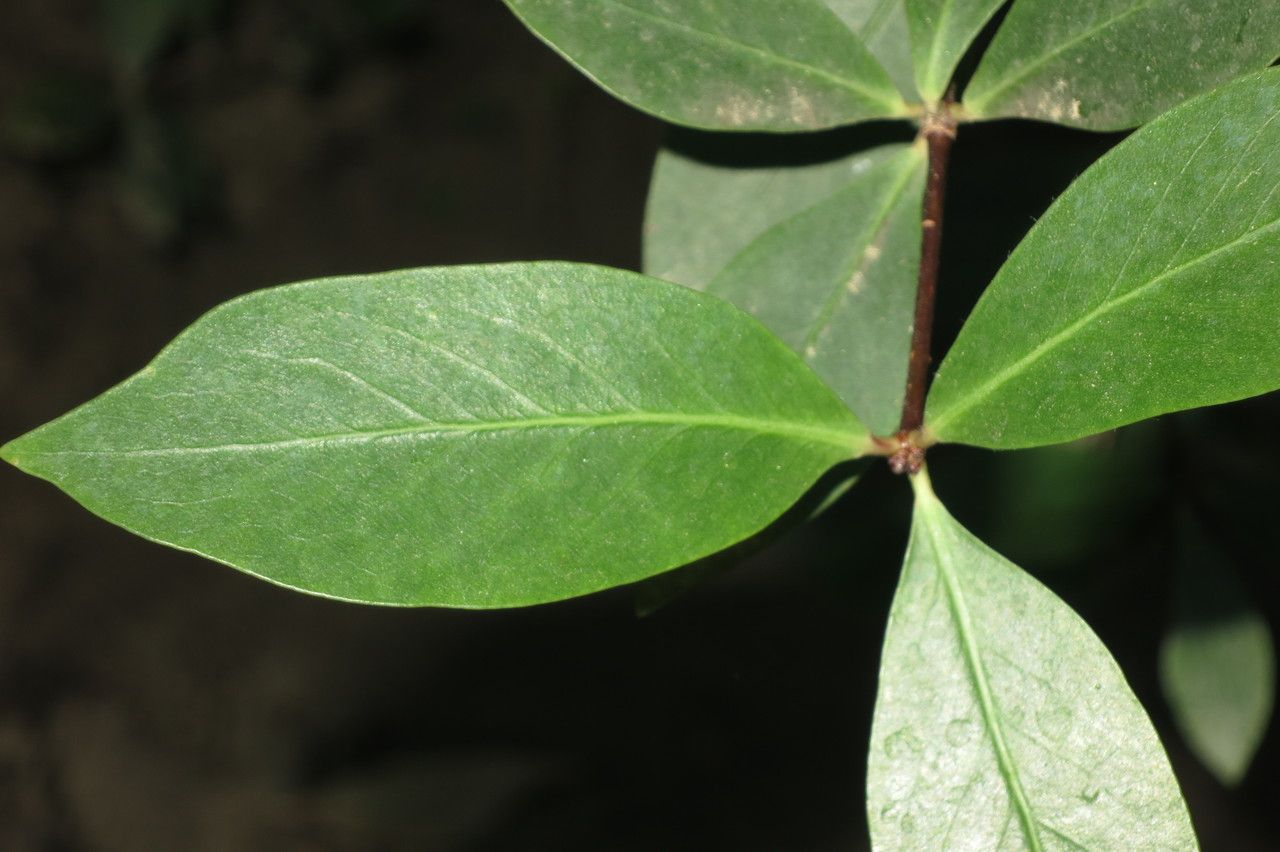
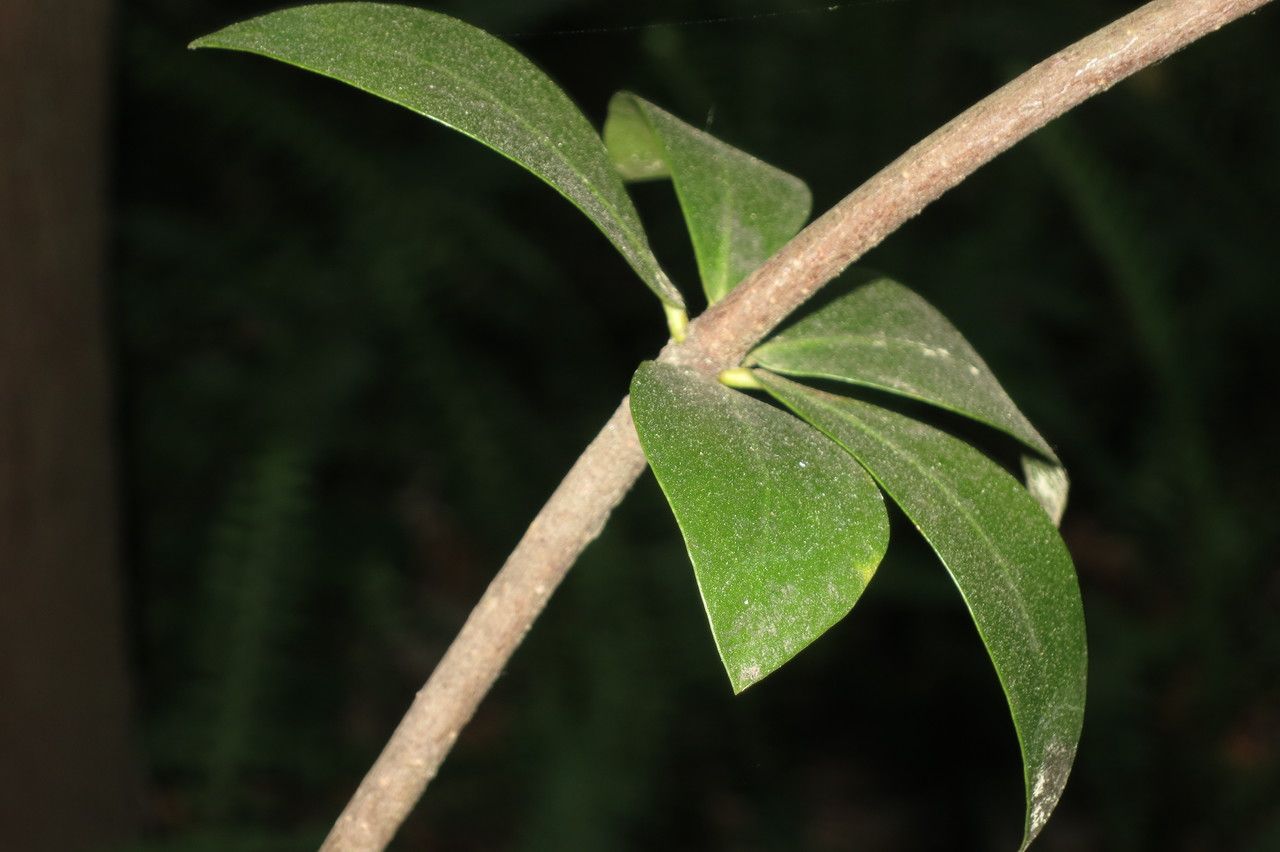
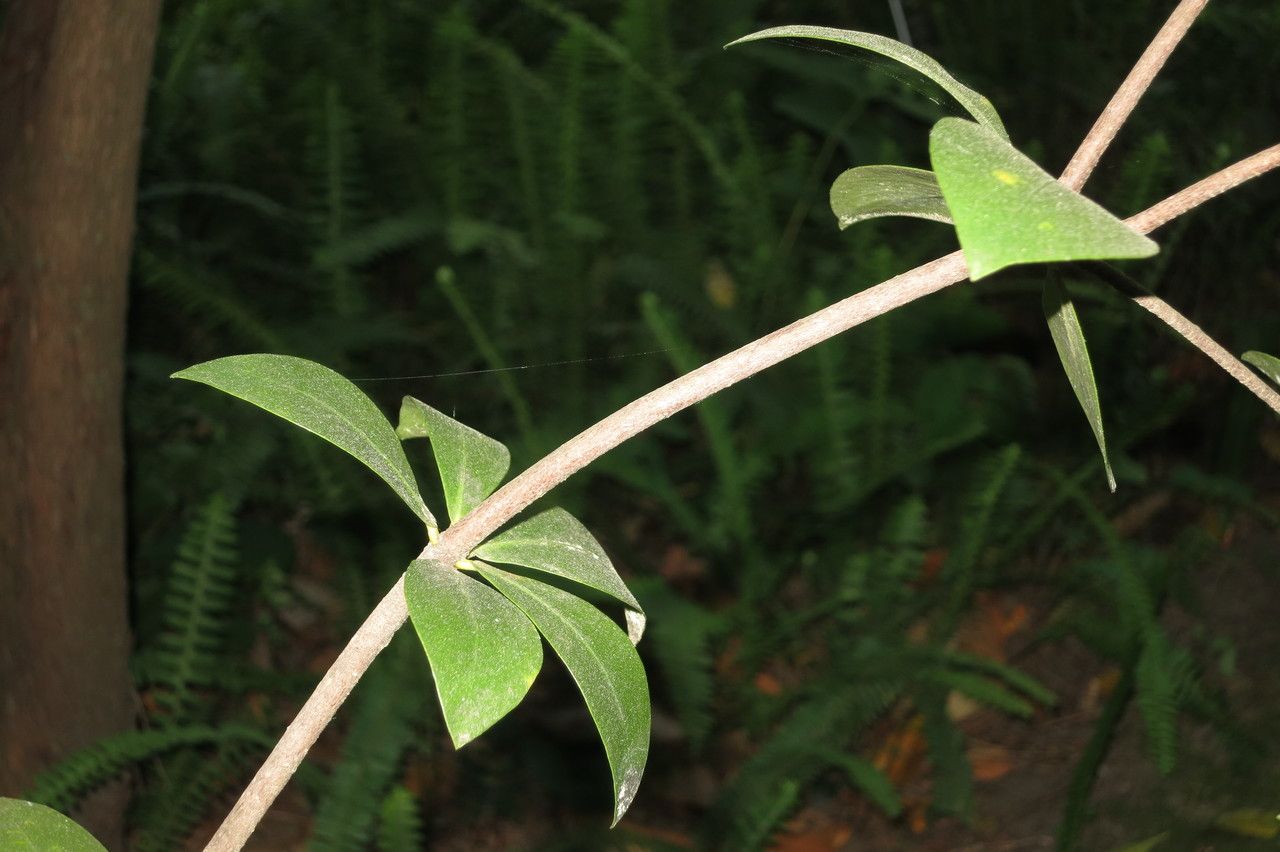
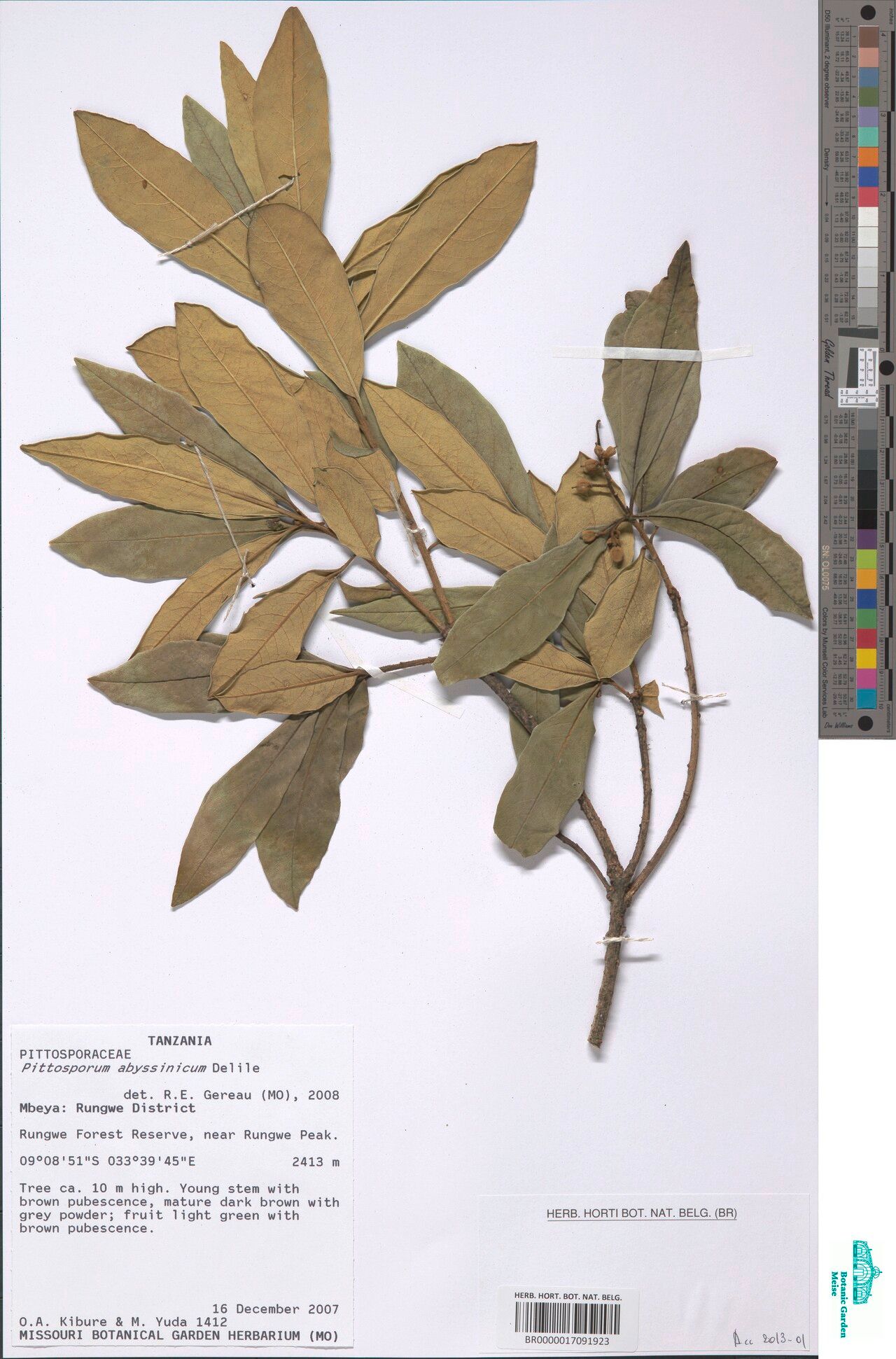
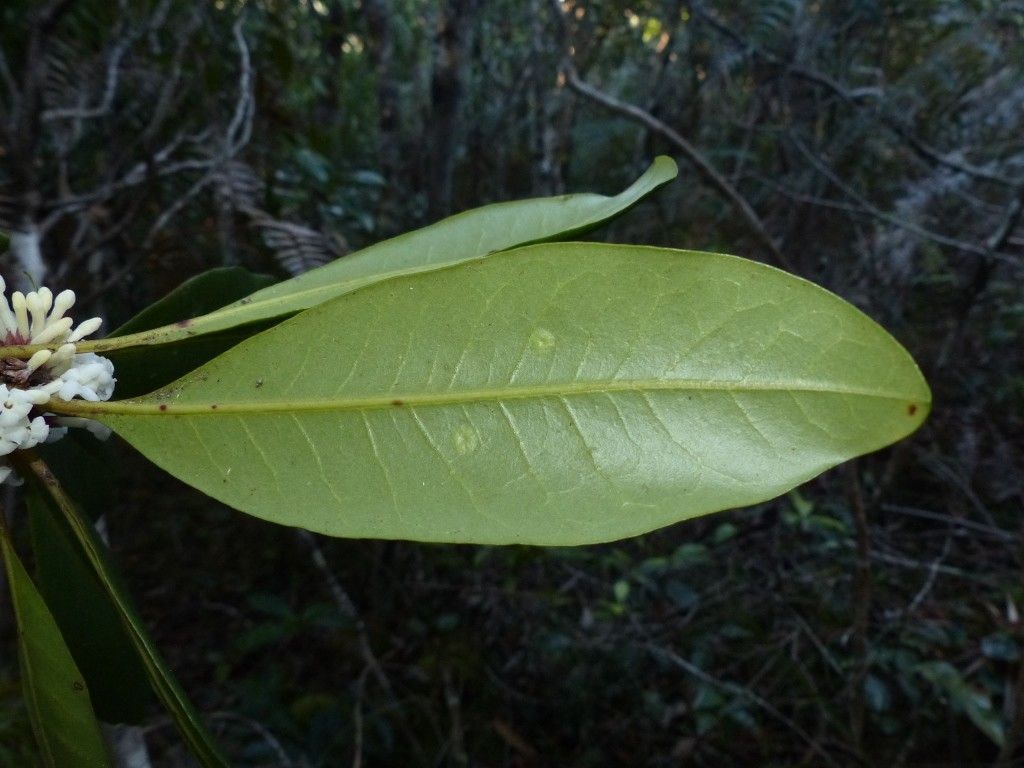
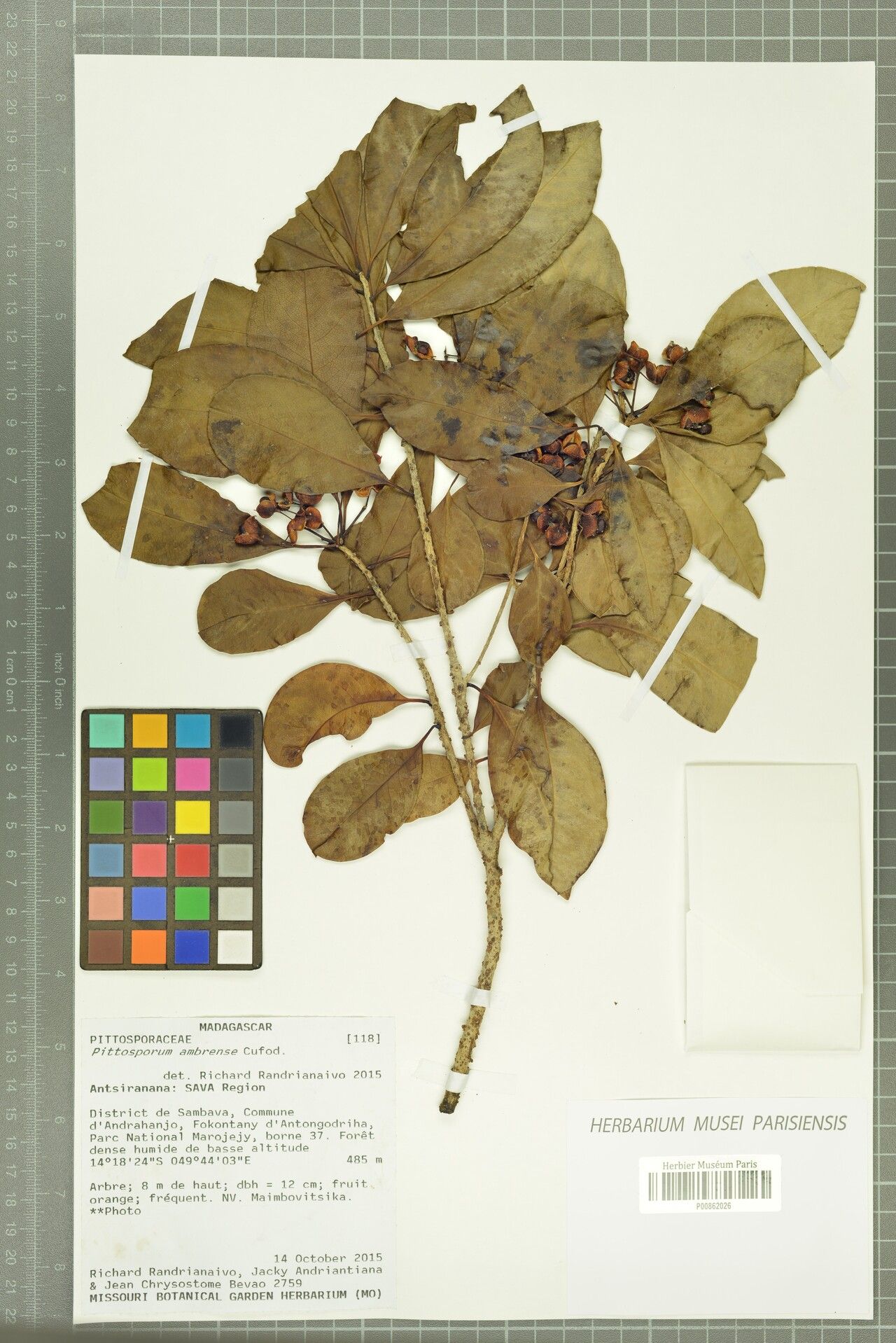
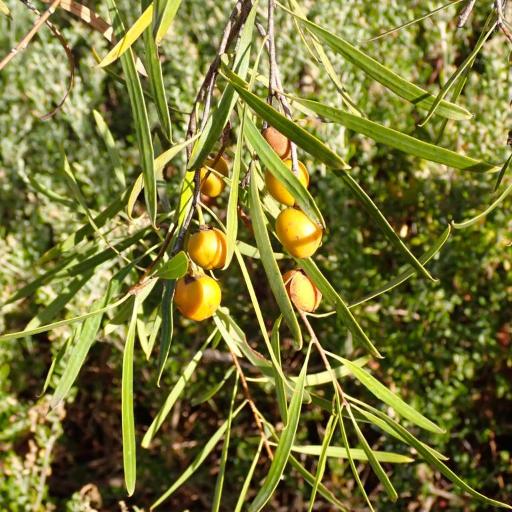
Pittosporum cornifolium, known as tāwhiri karo in Māori, is a species of plant in the Pittosporaceae family. It is an epiphytic plant endemic to the North Island and the Marlborough Sounds of the South Island, New Zealand. In the wild it is considered rare and threatened, although it occurs more frequently on offshore islands in the north-east, along with P. kirkii, the only other epiphytic member of the genus. Also grows well as a ground plant and is a popular garden ornamental with two recognised cultivars.
Perching kohukohu is quite resistant to disease and is generally unlikely to develop illnesses. Regarding care, this plant is fairly low-maintenance. When planted outdoors it needs only light watering, and larger plants typically do not require pruning. Smaller plants, however, should be pruned after they have bloomed. Perching kohukohut is suitable for anyone with an outdoor area, such as a garden or deck, and does not require much care experience.
How to keep Pittosporum Cornifolium.
Light
Perching kohukohu is native to habitats such as forest understories or rocky areas, where it grows under natural shade. It prefers partial sun but can tolerate full sun or full shade, showing its versatile and hardy nature.
Water
The Perching Kohukohu thrives in humid, sheltered environments that resemble New Zealand's understory forests. For optimal growth, it should be watered once a week, although it can withstand short dry spells. This plant is usually grown indoors, where maintaining high humidity is essential, particularly during its active growing season.
Temperature
The kohukohu plant exhibits remarkable resilience to a range of weather conditions, from hot summers to freezing winters. But, it does prefer a specific temperature range for its growth. If the temperature gets too hot, the plant might suffer from heat and humidity stress, which could lead to its death. In areas where the temperatures near its cold endurance threshold, steps should be taken to insulate the plant to safeguard it.
Fertilizer
Timing is essential when fertilizing Perching kohukohu. Apply fertilizer in early spring and continue once a month until early summer. Fertilizer encourages lovely blooms and supplies energy during both dormant and active growth phases.
Pruning
Perching kohukohu is a vibrant shrub with glossy leaves. To maintain its shape and encourage healthy growth, it is best to prune it between early and late winter. This timing allows you to remove damaged branches, promote denser foliage, and reduce the risk of pests. Be sure to sterilize your tools to prevent the spread of disease. Pruning during the plant’s dormant period also minimizes stress, helping to ensure vigorous growth in the spring.
Botanical profile.
- Plant Type
- Shrub
- Life Cycle
- Perennial
- Genus
- Pittosporum
- Family
- Pittosporaceae
- Hardiness Zone
- 9-11
- Mature Height
- 2.13 m to 3.96 m
- Mature Spread
- 1.52 m to 2.44 m
- Leaf Color
- Dark Green, Forest Green
- Leaf Type
- Evergreen
- Flower Color
- Yellow
- Flower Size
- 0.51 cm to 1.02 cm
- Bloom Time
- Mid fall, Late fall, Early winter
- Planting Time
- Spring, Summer, Autumn
- Harvest Time
- Late winter, Early spring, Mid spring
- Native Area
- New Zealand
Reader questions.
What are the sunlight requirements for Perching Kohukohu (Pittosporum cornifolium)?
Perching Kohukohu, with its botanic name Pittosporum cornifolium, thrives best when exposed to partial sun, necessitating about 3-6 hours of sunlight per day. It's important to observe how sunlight moves through your garden over the course of the day. By doing so, you can identify spots that offer an ideal balance of light and shade, which is crucial for the well-being of your Perching Kohukohu plants. This mindful approach ensures that your plants receive the right amount of sunlight to flourish.
What is the botanical name of Perching Kohukohu?
The botanical name of Perching Kohukohu is Pittosporum cornifolium.