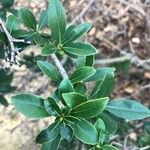
Pittosporum heterophyllum
میخک هندی · Chinese Pittosporum · Garden Pittosporum · Eastern Pittosporum · פיטוספורום סיני
Description
Source: leafsnapPittosporum heterophyllum, commonly known as Chinese Pittosporum, is a species of plant in the genus Pittosporum. Native to China and Tibet, it is a broadleaf evergreen shrub that grows to a maximum of 8–10 feet (2.4–3.0 m) tall. It has long been grown in gardens ornamentally, especially as a hedge or screen, in temperate gardens for its densely packed green foliage and the fragrant white to yellow flowers it produces in spring. As a landscaping plant, it is known for being more cold hardy than Pittosporum tobira and can be grown in hardiness zones 7-9 on the USDA scale.
Care Guide
💧 Water
The Chinese pittosporum thrives in subtropical climates characterized by periodic rainfall and high humidity. It prefers soil that is both evenly moist and well-draining, needing watering every two weeks. Once the plant is established, it demonstrates a moderate tolerance to drought, allowing it to adapt to different climates while minimizing the risk of root rot.
How should I water my Chinese pittosporum plant?
Your Chinese pittosporum is not very particular about how you water it. You can use any common watering tool like a watering can, hose, or even a cup to moisten the soil. Regardless of the tool you choose, make sure to water directly on the soil. Ensure that you evenly moisten all areas of the soil to provide water to all parts of the root system. It is recommended to use filtered water instead of tap water, as tap water may contain harmful particles for plants. Also, try to use water at or slightly above room temperature, as extremely hot or cold water can shock the Chinese pittosporum. However, this plant generally responds well to any type of water you give it.
What should I do if I give too much or too little water to my Chinese pittosporum plant?
Outdoor plants, especially newly planted ones or seedlings, are prone to lack of watering. Remember to water them enough for a few months when they are small or just planted. Once the roots are established, Chinese pittosporum can rely on rain most of the time. When Chinese pittosporum is planted in pots, overwatering is more likely to happen. If you accidentally overwater your Chinese pittosporum, you should take immediate action to remedy the situation. Firstly, stop watering the plant to minimize the damage caused by overwatering. Then, remove the Chinese pittosporum from its pot to check its roots. If no root rot is found, you can return the plant to its container. However, if there is root rot, trim away the affected roots and apply a fungicide to prevent further damage. Finally, repot the Chinese pittosporum in well-draining soil. In the case of underwatering, simply water the Chinese pittosporum more frequently. Underwatering is usually an easy problem to fix. The plant's leaves will droop, dry out, and fall off when underwatered, but they will quickly regain fullness after sufficient watering. Adjust your watering frequency as soon as you notice the signs of underwatering.
How frequently should I water my Chinese pittosporum plant?
Most plants can grow naturally with rainfall, but if there is a lack of rainfall in your area, you need to water them adequately every 2 weeks in spring and fall, and more frequently in summer. In winter, when growth slows down and plants don't need as much water, water them sparingly or not at all. However, if your Chinese pittosporum is young or newly planted, you should water it more often to help it establish and grow. For potted plants, you have two options to determine watering frequency for your Chinese pittosporum. The first option is to follow a set watering schedule, such as once a week or once every other week. However, this may not always be suitable as it doesn't consider the specific growing conditions of your Chinese pittosporum. The other option is to base watering frequency on soil moisture. It is generally recommended to wait until the top two to four inches of soil, or about ⅓ to ½ depth of the pots, are completely dry before watering again. This method allows you to adjust the watering frequency based on the season, as the plant's water needs are highest in summer.
How much water does my Chinese pittosporum plant need?
When watering your Chinese pittosporum, you don't always need to give it a lot of water. If only a few inches of soil have dried since the last watering, you can give it about five to ten ounces of water. You can also gauge how much water to give based on the soil moisture. If more than half of the soil has dried out, give it more water until you see excess water draining from the pot's drainage holes. If your Chinese pittosporum is outdoors and gets plenty of rain, it may not need additional watering. When it's young or getting established, make sure it gets 1-2 inches of rain per week. As it grows, it can survive on rainwater alone, but if there is no rainfall for 2-3 weeks during hot weather, give it a full watering to prevent stress.
How can I know if I'm giving enough water to my Chinese pittosporum plant?
When it comes to the Chinese pittosporum, overwatering is a more common issue. If you notice that your Chinese pittosporum has yellowing leaves and is dropping leaves, it may be overwatered. Overwatering can also cause the plant to shrivel and promote root rot. On the other hand, an underwatered Chinese pittosporum will start to wilt and may have brown or brittle leaves. Regardless of whether you see signs of overwatering or underwatering, it's important to take action to restore the health of your Chinese pittosporum.
☀️ Light Partial sun
Chinese pittosporum occurs naturally in habitats like forest understories or rocky locations, where it is exposed to natural shade. It prefers partial sun but can tolerate full sun or full shade, showing its adaptable and hardy nature.
What are the sunlight requirements for Chinese pittosporum?
Chinese pittosporum (Pittosporum heterophyllum) thrives under different sun exposures. For full sun conditions, it requires above 6 hours of sunlight a day, ensuring it receives ample light for optimal growth. In partial sun conditions, about 3-6 hours of sunlight is sufficient, allowing it to enjoy a blend of light and shade. It's important to observe how sunlight moves through your garden to find spots that offer the ideal balance for your Chinese pittosporum, keeping them healthy and happy.
🌡️ Temperature 15–35°C
Chinese pittosporum adapts well to temperature, able to withstand high heat and wide temperature swings. In hot weather, attention should be paid to watering and providing suitable shade to avoid sunburn. Conversely, Chinese pittosporum is comparatively sensitive to low temperatures. While it can tolerate some cold, excessively low temperatures may cause frost damage.
💨 Humidity
🪴 Soil 6-7
🌱 Fertilizer
Timing is critical when fertilizing Chinese pittosporum. Apply fertilizer in early spring and continue once a month through early summer. Fertilizer encourages attractive blooms and supplies energy during both dormant and active growth periods.
🪴 Pot & Repot
✂️ Pruning
To keep Chinese pittosporum healthy and looking its best, it's important to prune it annually. The best time for pruning is from early to late winter, after the plant has finished flowering. When pruning, focus on removing dead branches, thinning the foliage to improve air circulation, and shaping the plant to maintain a manageable size. Pruning helps to promote the plant's health, encourages new growth, and enhances its appearance. Be careful not to cut back more than one-third of the plant at a time, as this can cause stress.
🌿 Propagating
🐛 Diseases & pets
☠️ Toxicity
Characteristics
- Plant Type
- Shrub
- Life Cycle
- Perennial
- Genus
- Pittosporum
- Family
- Pittosporaceae
- Hardiness Zone
- 7-10
- Mature Height
- 2.44 m to 3.05 m
- Mature Spread
- 1.52 m to 1.83 m
- Leaf Color
- Dark Green
- Leaf Type
- Evergreen
- Flower Color
- White, Cream
- Flower Size
- 2.54 cm
- Bloom Time
- Mid spring, Late spring
- Planting Time
- Spring, Summer
- Harvest Time
- Late summer, Early fall, Mid fall
- Native Area
- China