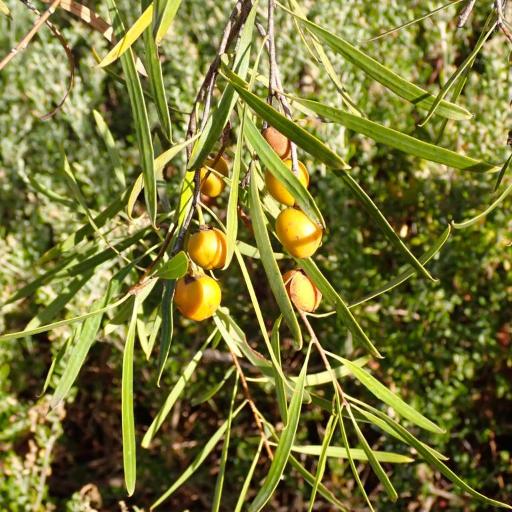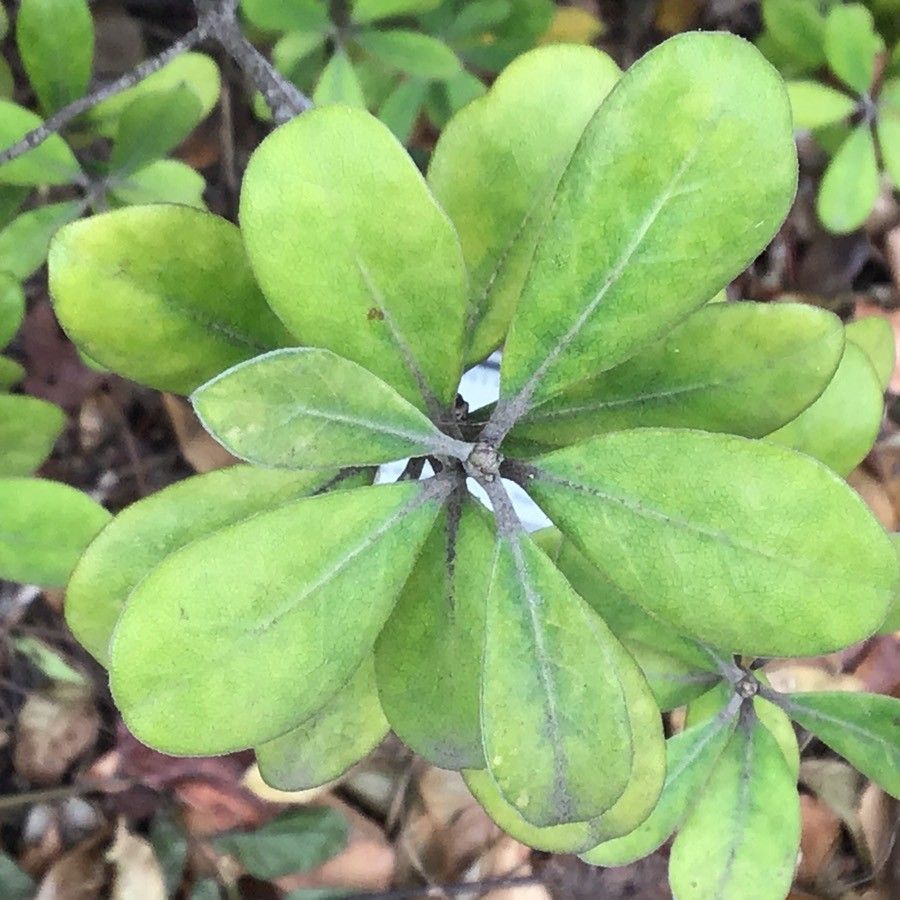
Pittosporum ralphii, also known as karo, soft karo, or Ralph's desertwillow is a small tree up to 6 m (20 ft) tall. Pittosporum ralphii is native to New Zealand.
Ralph's desertwillow is disease-resistant and generally not susceptible to illnesses. As for care, this plant is fairly low-maintenance. When grown outdoors it needs only minimal watering, and larger plants usually do not require pruning. Smaller plants, however, should be pruned after they have bloomed. Ralph's desertwillowt is appropriate for anyone with an outdoor area, such as a garden or deck, and does not demand much prior care experience.
How to keep Pittosporum Ralphii.
Light
Ralph's desertwillow is indigenous to habitats like forest understories or rocky areas, where it grows in natural shade. It favors partial sun but can tolerate full sun or full shade, showing its versatility and hardiness.
Water
The Ralph's Desert Willow flourishes with consistent moisture, needing regular watering during the spring and summer months without overwatering. When newly planted, it requires watering 3-4 times per week at first. Gradually, this can be reduced to once a week. In winter, watering should be minimized.
Temperature
Ralph's desertwillow is very adaptable to different climate conditions, whether facing blistering summers or cold winters. That said, it does have a preferred temperature range for growth. If temperatures climb too high, the plant is vulnerable to heat and humidity stress, which can kill it. In places where temperatures approach the lower limit of its cold tolerance, it is important to use insulation measures to protect the plant.
Fertilizer
Timing matters when feeding Ralph's desertwillow. Apply fertilizer in early spring and continue once a month through early summer. The fertilizer promotes attractive blooms and provides energy during both dormant and active growth periods.
Pruning
Ralph's desert willow boasts lush foliage and fragrant flowers. To maintain its shape and health, prune it in early spring. This is the ideal time to remove any dead wood and ensure proper light and air circulation. Be cautious not to prune too heavily, as this can stress the plant. Instead, opt for regular, light pruning to encourage vibrant blooms. Always use clean tools to prevent the spread of disease.
Botanical profile.
- Plant Type
- Shrub
- Life Cycle
- Perennial
- Genus
- Pittosporum
- Family
- Pittosporaceae
- Hardiness Zone
- 8-11
- Mature Height
- 3.05 m to 4.88 m
- Mature Spread
- 2.13 m to 3.05 m
- Leaf Color
- Dark Green, Olive Drab
- Leaf Type
- Evergreen
- Flower Size
- 1.02 cm to 1.52 cm
- Bloom Time
- Mid spring, Late spring
- Planting Time
- Spring, Autumn
- Harvest Time
- Late summer, Early fall, Mid fall
- Native Area
- New Zealand
Other names.
Reader questions.
What are the sunlight requirements for Ralph's desertwillow?
Ralph's desertwillow, scientifically known as Pittosporum ralphii, thrives in different sunlight conditions depending on your garden's layout. It requires full sun, meaning it should receive above 6 hours of sunlight daily, to flourish optimally. However, it can also grow in partial sun, which means the plant would get about 3-6 hours of sunlight each day. When planning where to plant your Ralph's desertwillow, it's important to observe the patterns of sunlight movement throughout your garden. Finding the right balance between light and shade can significantly contribute to your plant's growth and health, ensuring it remains happy.