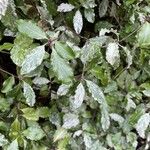
Pittosporum tenuifolium
Kohuhu · Tawhiwhi · Thin leaved pittosporum · New Zealand pittosporum · Pittosporum
Description
Source: leafsnapPittosporum tenuifolium, commonly known as Kohuhu or Black Matipo, is a small evergreen tree or shrub native to New Zealand. It belongs to the Pittosporum family and can grow up to 10 meters tall. The plant has a dense, bushy growth habit with glossy, dark green leaves that are narrow and elongated. In spring, the Kohuhu produces small, fragrant flowers, which are followed by small black berries in the summer. The sweet fragrance of the flowers attracts bees and other pollinators. Kohuhu is highly valued for its ornamental qualities. It can be used for hedging, screening, or as an accent plant in gardens. Additionally, it has medicinal properties; the bark was traditionally used by the Maori people to treat skin diseases. Pittosporum tenuifolium prefers well-drained soil with full sun exposure but can also tolerate partial shade. It requires regular watering during dry periods but should not be overwatered, as this can cause root rot. Overall, Pittosporum tenuifolium is an attractive evergreen shrub with significant ornamental value. It adds beauty to any garden landscape and offers medicinal benefits, making it a valuable addition to any garden collection.
💡 Native to New Zealand, the kōhūhū, or Kohuhu, has been traditionally used in medicine for its antimicrobial properties. The tree has also been valued for the extraction of oils and resins from its fragrant leaves, which were used to produce perfumes and fragrances. Additionally, the Māori have used the leaves and branches of the kōhūhū in baptisms and other sacred ceremonies.
🌳 Kōhūhū is widely appreciated for its ornamental qualities, with glossy green leaves and dark purple flowers that are popular in gardens and landscape plantings. Beyond its visual appeal, kōhūhū has potential in other areas, such as the extraction of essential oils that are sought after by the perfume industry. Its sturdy wood is appropriate for fine woodworking and could be used to produce small pieces of furniture or crafted items. Additionally, it has been suggested that the plant may host beneficial insects, contributing to the balance of garden ecosystems.
🎭 Fake
Care Guide
💧 Water Every 7 days
Kōhūhū, a plant native to the temperate regions of New Zealand, thrives in coastal and forest-like environments. While it can tolerate moderate drought, it requires consistent moisture and should be watered every 1–2 weeks. This plant is usually grown outdoors in well-draining soil and benefits from being watered with rainwater.
How should I water my Kōhūhū plant?
Your Kōhūhū is not picky about how you choose to water it. You can use any common watering tool to moisten the soil, such as watering cans, hoses, or even cups. Regardless of the tool, it's important to apply the water directly to the soil and make sure all areas are evenly moistened to provide water to all parts of the root system. Using filtered water is recommended, as tap water may contain harmful particles for plants. Additionally, using water at or slightly above room temperature is beneficial, as extremely hot or cold water can be shocking to the Kōhūhū. However, the Kōhūhū generally responds well to any kind of water given to it.
What do I do if I give my Kōhūhū plant too much or too little water?
Outdoor plants, especially newly planted ones or seedlings, are prone to lack of watering. Remember to water them regularly for a few months while they are small or newly planted, because once the roots are established, they can rely on rain most of the time. When you have Kōhūhū plants in pots, overwatering is more likely to occur. If you accidentally overwater your Kōhūhū, you should act immediately to fix the situation. Stop watering the plant right away to minimize the effects of overwatering. Then, remove the Kōhūhū from its pot and inspect its roots. If none of the roots have developed root rot, you can safely return the plant to its container. However, if you find signs of root rot, trim away the affected roots and consider applying a fungicide to prevent further damage. Finally, repot the Kōhūhū in well-draining soil. In the case of underwatering, simply water the Kōhūhū plant more frequently. Underwatering is an easy fix. If the leaves droop, dry out, and fall off, regular watering will cause them to quickly return to fullness. Correct your watering frequency as soon as you notice underwatering.
How often should I water my Kōhūhū plant?
If your area lacks rainfall, it's important to water your outdoor plants adequately. During the spring and fall, watering every 2 weeks should be sufficient. However, in the summer when plants require more water, you'll need to water them more frequently. In the winter, when plants grow slower and need less water, it's best to water them sparingly or not at all. Young or newly planted Kōhūhū plants should be watered more frequently to help them establish and grow. For potted plants, there are two main approaches to determine watering frequency for Kōhūhū. One way is to follow a predetermined schedule, usually once a week or every other week. However, this may not always be accurate as it doesn't consider the specific growing environment. Another approach is to monitor soil moisture. Wait until the top two to four inches of soil, about ⅓ to ½ the depth of the pots, have completely dried out before watering again. Adjust your watering frequency based on the season, as plants will have higher water needs during the summer.
How much water does my Kōhūhū plant need?
To water your Kōhūhū effectively, you don't always need to give it a lot of water. Instead, if just a few inches of soil have dried since the last watering, giving it about five to ten ounces of water each time will promote healthy growth. You can also gauge how much water to give based on the moisture in the soil. Take note of how many inches of soil have dried out between waterings. To ensure your Kōhūhū gets enough moisture, water it enough to moisten all the dry soil layers since the last watering. If more than half of the soil is dry, you might need to give more water than usual. In such cases, keep adding water until you see excess water draining from the pot's drainage holes. If your Kōhūhū is planted outside and receives sufficient rain, it may not require additional watering. When the plant is young or still establishing, make sure it gets 1-2 inches of rain per week. As it grows and becomes more established, it can rely solely on rainwater. However, if there's a period of hot weather with no rainfall for 2-3 weeks, consider giving your Kōhūhū a thorough watering to prevent it from experiencing stress.
How can I know if I am giving enough water to my Kōhūhū plant?
The Kōhūhū plant often suffers from overwatering. To identify this problem, look for yellowing leaves and leaf drop. Overwatering can also lead to a shriveled plant structure and root rot. On the flip side, an underwatered Kōhūhū will start to wilt and have brown or brittle leaves. If you notice signs of either overwatering or underwatering, take action to revive your Kōhūhū's health.
☀️ Light Full sun
Kōhūhū is a plant that performs best with ample sunlight. It can also tolerate moderate light conditions, indicating its adaptability. However, an imbalance of light—either too little or too much—can result in stunted growth or sunburn, respectively. Its native environment consists of abundant sunlight.
What are the sunlight requirements for Kōhūhū (Pittosporum tenuifolium)?
Kōhūhū requires extensive sun exposure for optimal growth, thriving best in full sun conditions, which means it needs more than 6 hours of sunlight daily. However, it can also tolerate partial sun, suggesting it adapts well to about 3-6 hours of sunlight. It's crucial to observe how sunlight moves through your garden and choose spots that offer a balance of light and shade, ensuring the plant's well-being. In its native environment, Kōhūhū is accustomed to abundant sunlight.
What are the signs of insufficient sunlight for Kōhūhū?
When Kōhūhū doesn't receive enough sunlight, it may show several symptoms: new leaves growing smaller in size, leggy or sparse growth, faster leaf drop, slower or no new growth, lighter-colored new leaves indicating a lack of chlorophyll, chlorosis (leaves turning yellow), sunscald on leaves or stems, leaf curling as a defense against excessive sunlight, wilting from loss of turgor pressure, and leaf scorching with brown, dry edges. These symptoms suggest the plant is struggling with light deficiency.
How can I manage light for Kōhūhū indoors?
Indoor Kōhūhū plants require adequate lighting to grow optimally. If natural sunlight is limited, especially in winter or less sunny spaces, using artificial lights can be a vital solution. Opt for LED lights tailored to provide specific light wavelengths needed by your plants. Full sun plants require 30-50W/sq ft, partial sun plants need 20-30W/sq ft, and full shade plants should have 10-20W/sq ft of artificial light. The light source should be placed 12-36 inches above the plant, mimicking natural sunlight for 8-12 hours per day.
What steps can be taken to increase sunlight exposure for Kōhūhū?
To ensure optimal growth, gradually increase sunlight exposure for Kōhūhū by moving the plant to a sunnier location each week until it receives at least 6 hours of direct sunlight daily. For indoor plants, use south-facing windows and keep curtains open. If the plant is large or difficult to move, consider using artificial light for at least 8 hours daily. Outdoors, avoid sudden changes in light intensity to prevent sunburn. If sunlight is blocked by trees or other obstacles, prune or move plants to sunnier spots, taking care during the plant's dormant period for minimal stress.
🌡️ Temperature 15–35°C
Kōhūhū is a hardy plant native to warmer climates and prefers a temperature range of 59 to 95°F (15 to 35℃). It adapts well to seasonal temperature variations, but the environment should be moderated when extreme temperatures occur.
What is Kōhūhū?
Kōhūhū, known botanically as Pittosporum tenuifolium, is a hardy plant originating from warmer climates. It thrives in temperatures ranging from 59 to 95°F (15 to 35°C) and is adaptable to seasonal temperature variations. Despite its strong cold resistance, ensuring it does not face extreme temperatures without protection is important.
Does Kōhūhū require special winter care?
Kōhūhū has a robust cold resistance and does not usually necessitate special frost protection during the winter. However, if temperatures are anticipated to drop below -15°C, protecting the plant is advisable. This protection can be provided by wrapping the trunk and branches with non-woven fabric or cloth. To further safeguard against drought and water scarcity during winter and early spring, it's recommended to water the plant abundantly before the first freeze of autumn, ensuring the soil stays moist and enters a frozen state.
How does low temperature affect Kōhūhū and what are the solutions?
Kōhūhū is cold-tolerant but thrives best in temperatures above 15°C, and it should be kept above -10°C during winter. If temperatures fall below -15°C, the plant's branches may not show immediate damage in winter but could become brittle, dry, and fail to produce new shoots in spring. To address this, prune away dead branches in spring to encourage new growth.
How does high temperature affect Kōhūhū and what are the remedies?
During the summer, it's best to keep Kōhūhū in temperatures below 35°C. Exposure to temperatures over 41°C can lead to the plant's leaves lightening in color, with the tips turning dry and withered, increasing susceptibility to sunburn. To mitigate these effects, trim away the sunburned and dried parts, provide shade during the midday and afternoon sun, and keep the soil moist by watering in the morning and evening.
💨 Humidity normal (40-60%)
This plant will thrive in moderate humidity, which is probably the level in your home. However, misting it a few times a week can be very beneficial. Make sure the room has good ventilation.
🪴 Soil 6-7
🌱 Fertilizer
Timing matters when fertilizing Kōhūhū. Apply fertilizer in early spring and continue monthly until early summer. Fertilizer promotes attractive blooms and supplies energy during both dormant and active growth phases.
Why should I put fertilizer on my Kōhūhū?
Whether you have a Kōhūhū of any kind, regular fertilization is crucial for a healthy and thriving plant. Providing the right nutrients helps promote vigorous growth and enhances the plant's ability to withstand challenging conditions, while also improving its defenses against diseases and pests. Since the foliage is one of the most attractive aspects of your Kōhūhū, it is important to prioritize its maintenance. This involves establishing and following a specific fertilization schedule tailored to your Kōhūhū, which will result in vibrant leaves and an overall lush appearance.
When should I fertilize my Kōhūhū plant?
To ensure healthy growth, it's recommended to fertilize your Kōhūhū for the first time in late winter or early spring. This gives the plant the necessary nutrients it needs to thrive when the weather warms up. Additionally, if you live in a warm climate region, it can be beneficial to provide another round of fertilizer in early fall. This not only supplies the soil with added nutrients for the following growing season, but also helps the Kōhūhū withstand the winter cold without foliage damage. Fertilizing earlier will ensure that the new branches have enough time to grow strong before winter arrives.
When is the best time to not put fertilizer on my Kōhūhū plant?
There are certain times of the year when you should avoid fertilizing your Kōhūhū. The first is during the early and mid-winter months when the plant is dormant and does not require feeding. Similarly, it is not recommended to fertilize the plant during late spring and summer when the weather is hotter and drier. Fertilizing during these periods can have a negative impact on the Kōhūhū. To avoid any problems, it is best to stick to a fertilization schedule that involves feeding only in early spring and early fall.
What kind of fertilizer does my Kōhūhū plant need?
Kōhūhū plants primarily need nitrogen as the most important nutrient, but that doesn't mean phosphorus and potassium are disregarded. In fact, a balanced fertilizer with all three nutrients, like a 10-10-10 mix, can be effective. However, a more specific nutrient ratio tends to promote optimal growth. Fertilizers slightly higher in nitrogen, such as a 10-6-4 ratio, often yield good results. Both granular and liquid-based fertilizers can be used for application.
How can I fertilize my Kōhūhū plant?
To fertilize your Kōhūhū, you have two options: granular fertilizer or liquid fertilizer. If you choose granular fertilizer, simply sprinkle it on the soil at the right time. The slow-release nature of this fertilizer will gradually release nutrients into the soil. It's a good idea to lightly water your Kōhūhū before applying the granular fertilizer. Alternatively, you can use liquid fertilizer, but this is less common. To do so, mix the fertilizer with water and pour it onto the soil around the base of your Kōhūhū. Before fertilizing, consider performing a soil test to determine if you need to adjust the pH.
🪴 Pot & Repot 2-3 years
Repot kōhūhū every 2 to 3 years in late winter, using a pot that is 2 inches larger in diameter than the current one. After repotting, place the kōhūhū in a location with bright light, and water it sparingly until you see new growth. Make sure there is proper drainage to prevent root rot and to support a healthy recovery.
✂️ Pruning
Kōhūhū benefits from pruning between early and late winter, focusing on removing dead or crossing branches to maintain its shape and improve airflow. Light pruning helps prevent frost damage, encourages compact growth, and enhances flowering. Be sure to use clean, sharp tools to prevent the spread of disease.
🌿 Propagating
🐛 Diseases & pets
☠️ Toxicity
Characteristics
- Plant Type
- Tree
- Life Cycle
- Perennial
- Genus
- Pittosporum
- Family
- Pittosporaceae
- Hardiness Zone
- 7-10
- Mature Height
- 3.96 m to 7.92 m
- Mature Spread
- 2.44 m to 3.96 m
- Leaf Color
- Green
- Leaf Type
- Evergreen
- Flower Color
- Purple
- Flower Size
- 1.02 cm
- Bloom Time
- Late spring, Early summer, Mid summer
- Planting Time
- Spring, Autumn
- Harvest Time
- Mid summer
- Native Area
- New Zealand