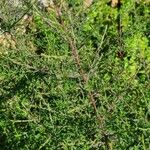
Plagianthus divaricatus
Marsh ribbonwood · Saltmarsh ribbonwood (Mākaka)
Description
Source: leafsnapPlagianthus divaricatus or saltmarsh ribbonwood is a plant that is endemic to New Zealand. The Māori name is makaka. Plagianthus divaricatus is an upright shrub with closely interwoven branches. The shrub is found in coastal environments in areas with salt swamp, sandy banks and throughout estuaries.
Care Guide
💧 Water
Swamp fragrant ribbonwood, which naturally grows in wetland areas, thrives in high-moisture environments and can withstand water saturation. It prefers to be watered moderately every 2-3 weeks. Additionally, applying mulch can help retain soil moisture, ensuring the consistently damp conditions that this plant needs.
☀️ Light Full sun
The swamp fragrant ribbonwood does best with ample sunlight, reflecting the bright conditions of its native marshland. When light is insufficient it may become weak and spindly, while too much light does not harm the plant. Its sunlight needs remain the same throughout all stages of growth.
What are the sunlight requirements for Swamp fragrant ribbonwood?
Swamp fragrant ribbonwood requires full sun, meaning it needs more than 6 hours of sunlight daily to thrive. It's essential to observe your garden throughout the day to identify areas that offer a balance of light and shade, ensuring your plant's happiness. This plant flourishes under substantial exposure to sunlight, mimicking its native marshland habitat. Both too little and an excess of light affect it differently, but it generally needs consistent sunlight throughout its growth stages.
How does artificial lighting benefit indoor plants like Swamp fragrant ribbonwood?
Swamp fragrant ribbonwood benefits from artificial lighting when natural sunlight is insufficient, especially in winter or in areas that don’t receive enough light. Adequate lighting is crucial for optimal growth. LED lights are recommended due to their ability to provide specific wavelengths needed by plants. Full sun plants require 30-50W/sq ft, partial sun plants need 20-30W/sq ft, and full shade plants should have 10-20W/sq ft of artificial light. The light source should be placed 12-36 inches above the plant for 8-12 hours per day to mimic natural sunlight conditions.
What are the typical symptoms of light deficiency or excess in Swamp fragrant ribbonwood?
When Swamp fragrant ribbonwood does not receive adequate sunlight, it may show symptoms like small or lighter-colored new leaves, leggy growth, faster leaf drop, and slower or stunted growth due to entering survival mode. Excessive sunlight, on the other hand, can cause chlorosis, sunscald, leaf curling, wilting, and leaf scorching. These symptoms demonstrate the plant's struggle with either too much or too little light, affecting its health and appearance.
What solutions can be applied to manage light conditions for Swamp fragrant ribbonwood?
To ensure Swamp fragrant ribbonwood receives optimal light, gradually move it to sunnier locations to achieve at least 6 hours of direct sunlight daily, especially if indoors. Use south-facing windows and keep curtains open. For outdoor plants, avoid sudden changes in light intensity to prevent sunburn. Obstacles blocking sunlight should be minimized by pruning trees or relocating plants to brighter spots. If affected by light conditions, new growth after adjusting light exposure will be healthy, though parts of the plant that suffered may not recover fully.
🌡️ Temperature 15–35°C
Swamp fragrant ribbonwood is very adaptable to a wide range of climates, from intense summer heat to cold winter conditions. Nevertheless, it has a specific temperature range in which it grows best. If temperatures become too high, the plant can suffer from heat and humidity stress, which may kill it. In areas where temperatures approach the lower limit of its cold tolerance, taking insulating measures to protect the plant is important.
What is the common name of Plagianthus divaricatus?
The common name for Plagianthus divaricatus is Swamp fragrant ribbonwood.
What are the essential facts about Swamp fragrant ribbonwood?
Currently, there are no detailed essential facts provided for Swamp fragrant ribbonwood.
What are the symptoms of problems associated with Swamp fragrant ribbonwood?
There are no specific symptoms listed for issues related to Swamp fragrant ribbonwood.
💨 Humidity
🪴 Soil 6-7
🌱 Fertilizer
To encourage healthy growth, apply fertilizer to your Swamp fragrant ribbonwood in early spring. Consistent fertilizing boosts overall health, leading to strong growth, better tolerance of harsh conditions, and increased resistance to pests and diseases. Keep to a specific fertilization schedule for your Swamp fragrant ribbonwood to maintain vivid, deeply colored foliage and a lush appearance.
🪴 Pot & Repot
✂️ Pruning
Swamp fragrant ribbonwood benefits significantly from early spring pruning. This practice involves removing dead branches and enhancing airflow, which helps shape the plant and control its size. By promoting healthier growth and vigor, early pruning minimizes disease risk, ensuring the plant performs optimally throughout the growing season.
🌿 Propagating
🐛 Diseases & pets
☠️ Toxicity
Characteristics
- Plant Type
- Shrub
- Life Cycle
- Perennial
- Genus
- Plagianthus
- Family
- Malvaceae
- Hardiness Zone
- 7-9
- Mature Height
- 2.13 m
- Mature Spread
- 1.52 m
- Leaf Color
- Dark Green, Olive Drab
- Leaf Type
- Deciduous
- Flower Color
- White
- Flower Size
- 0.51 cm to 0.51 cm
- Bloom Time
- Mid fall, Late fall, Early winter
- Planting Time
- Spring, Summer, Autumn
- Harvest Time
- Mid winter, Late winter, Early spring
- Native Area
- New Zealand