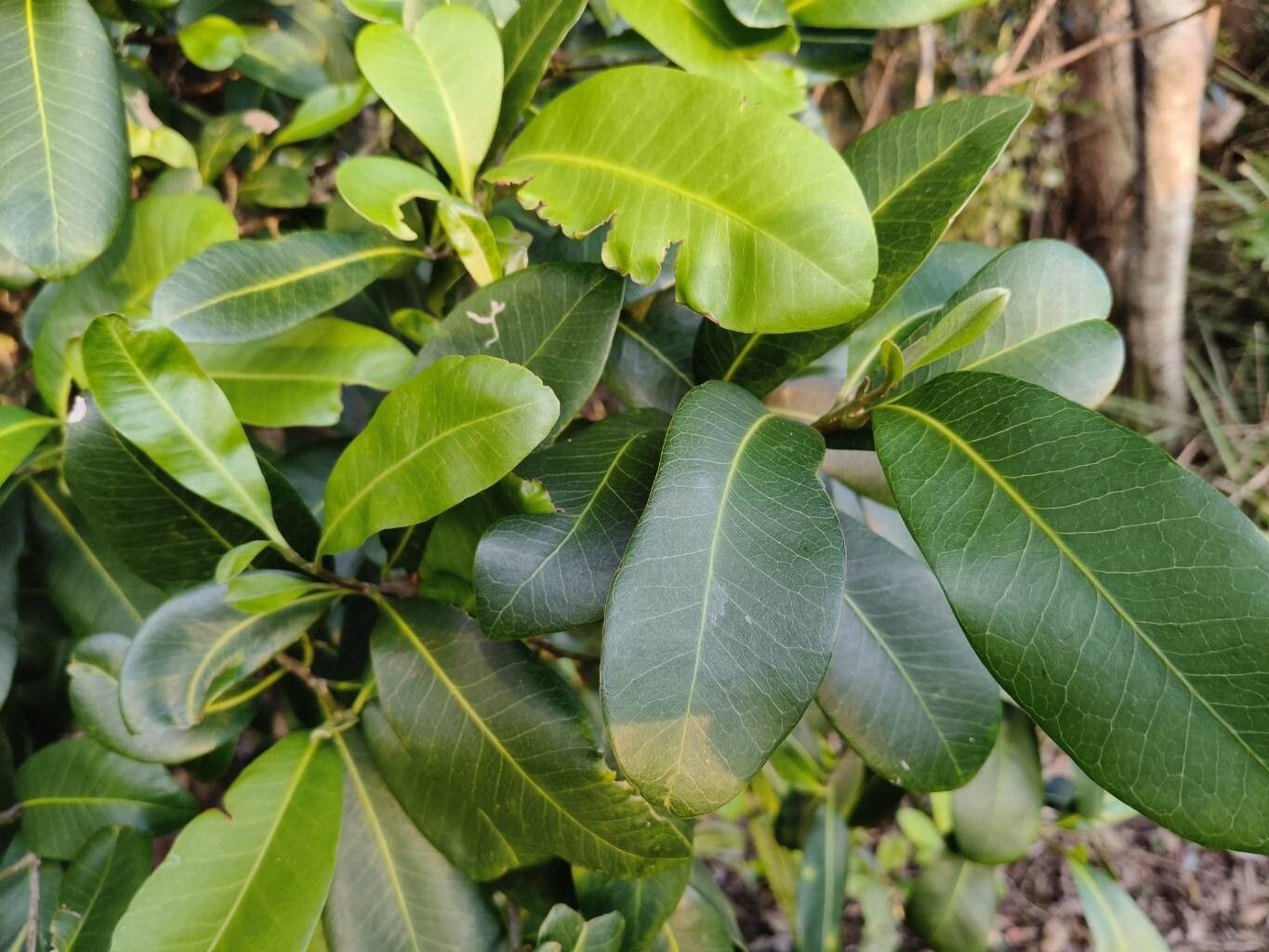
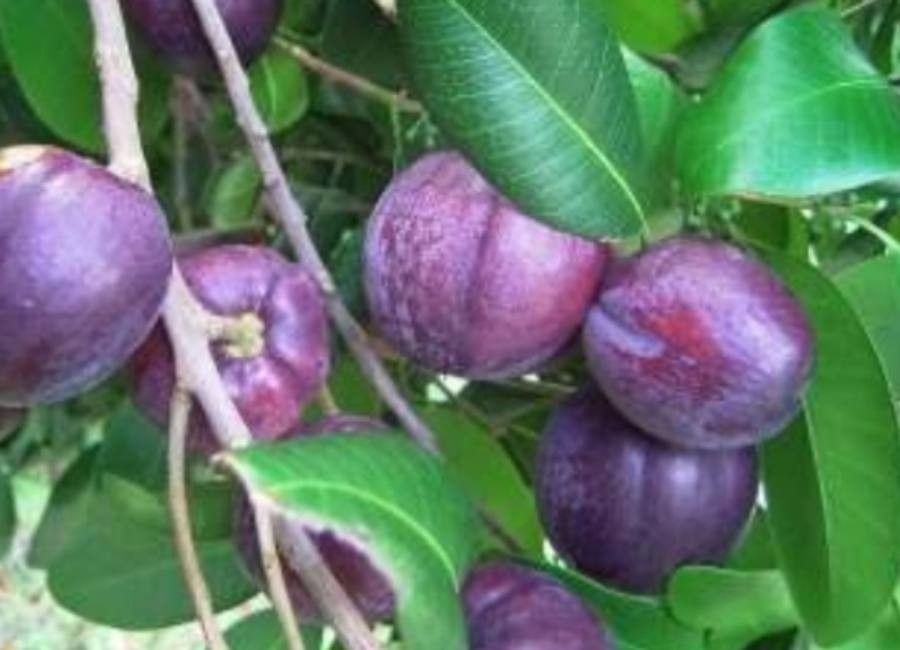
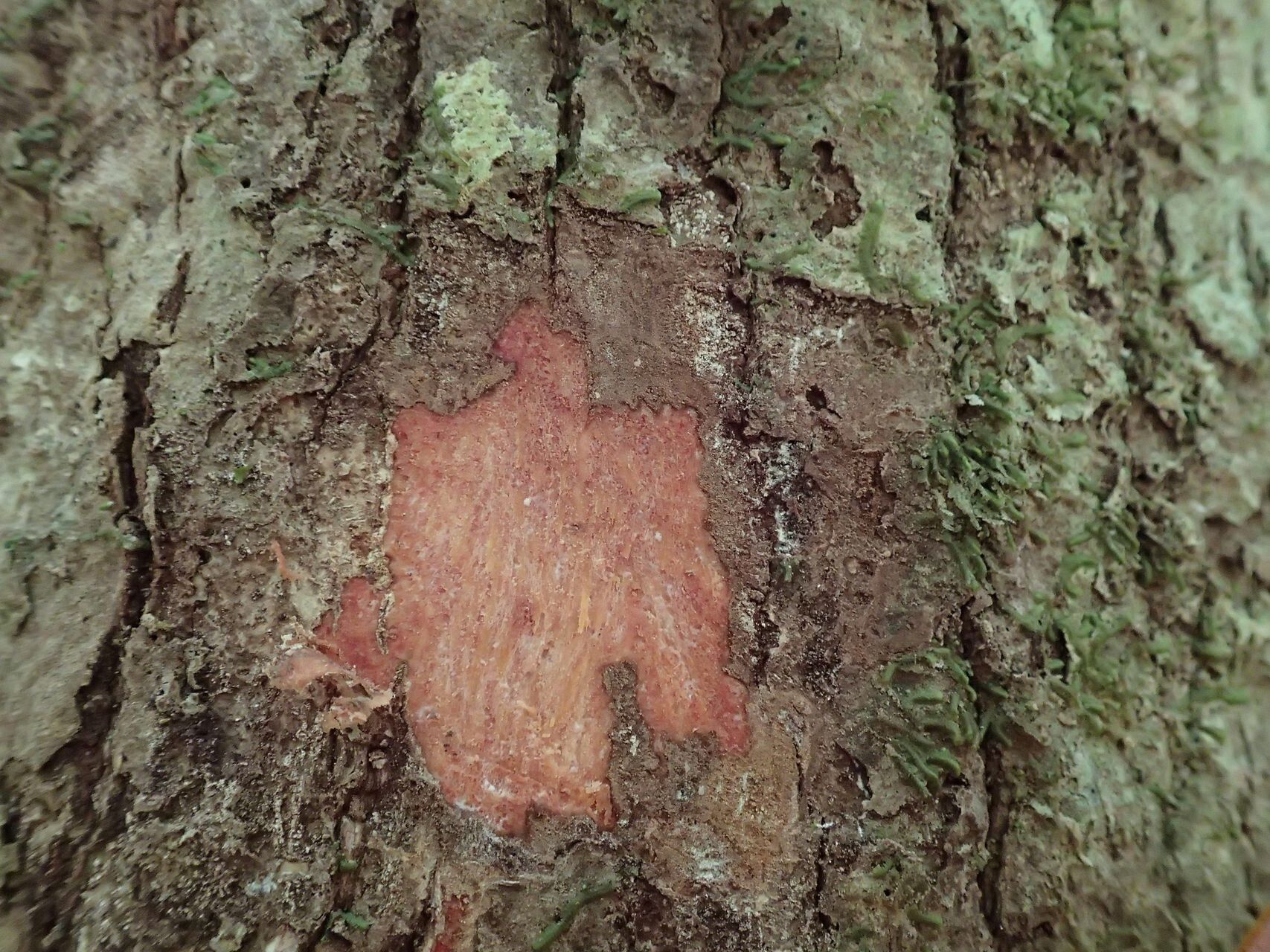
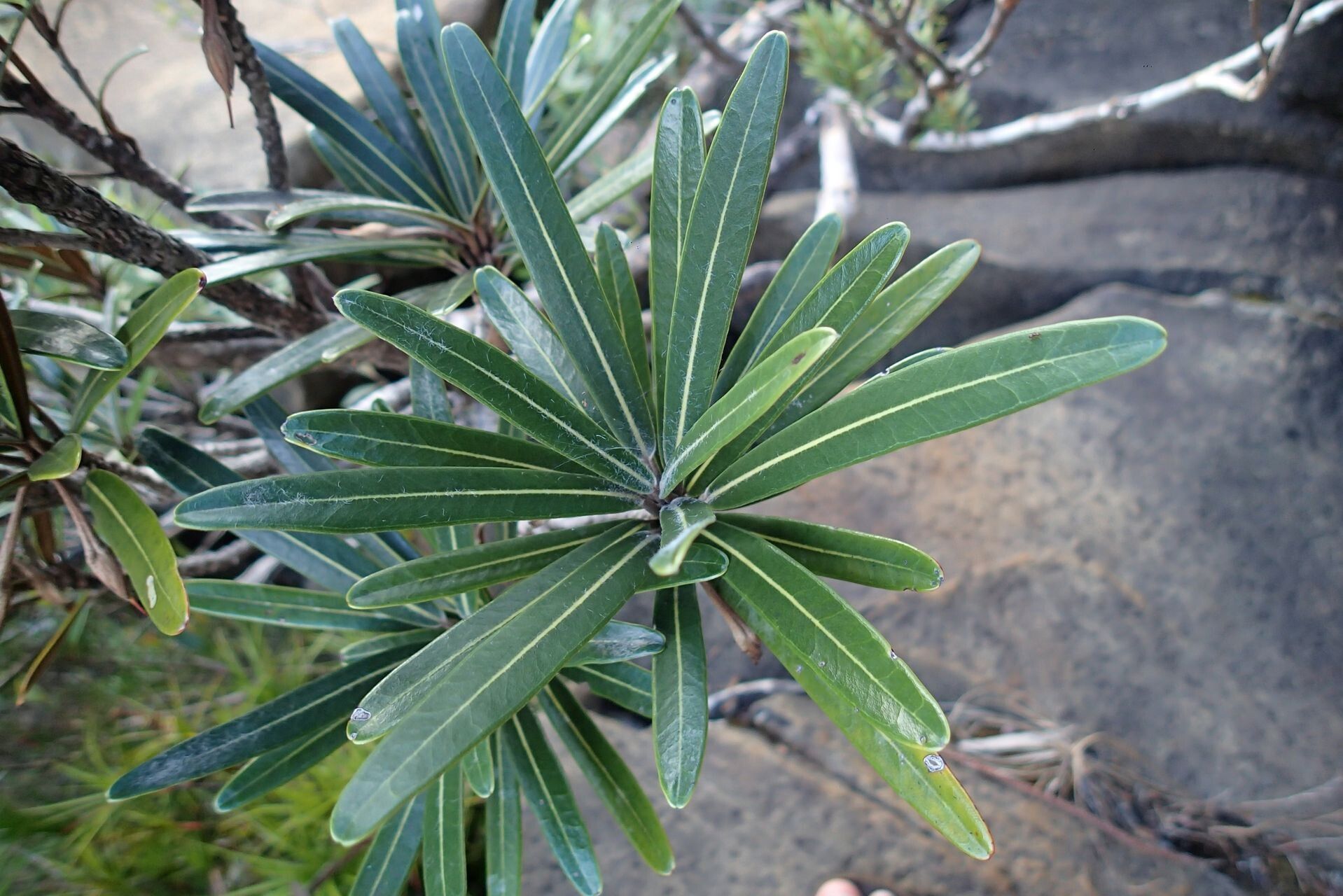
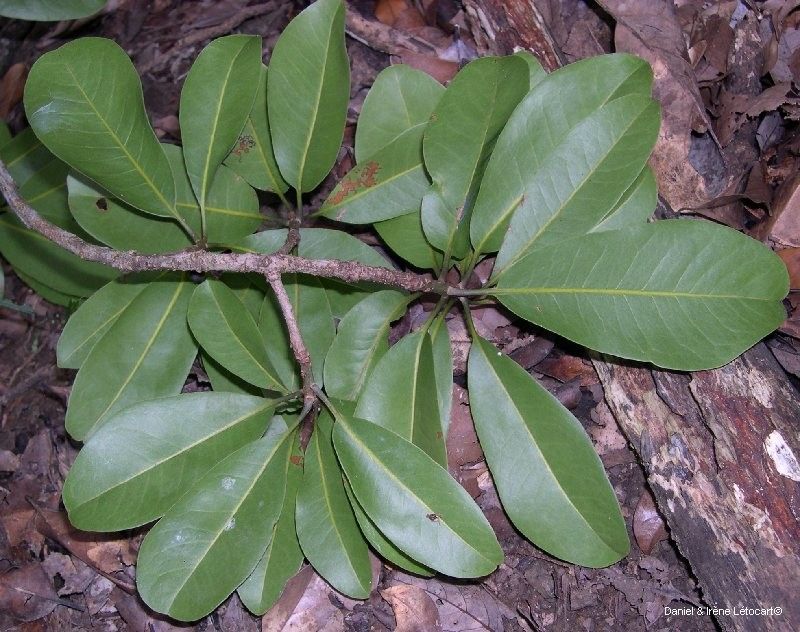
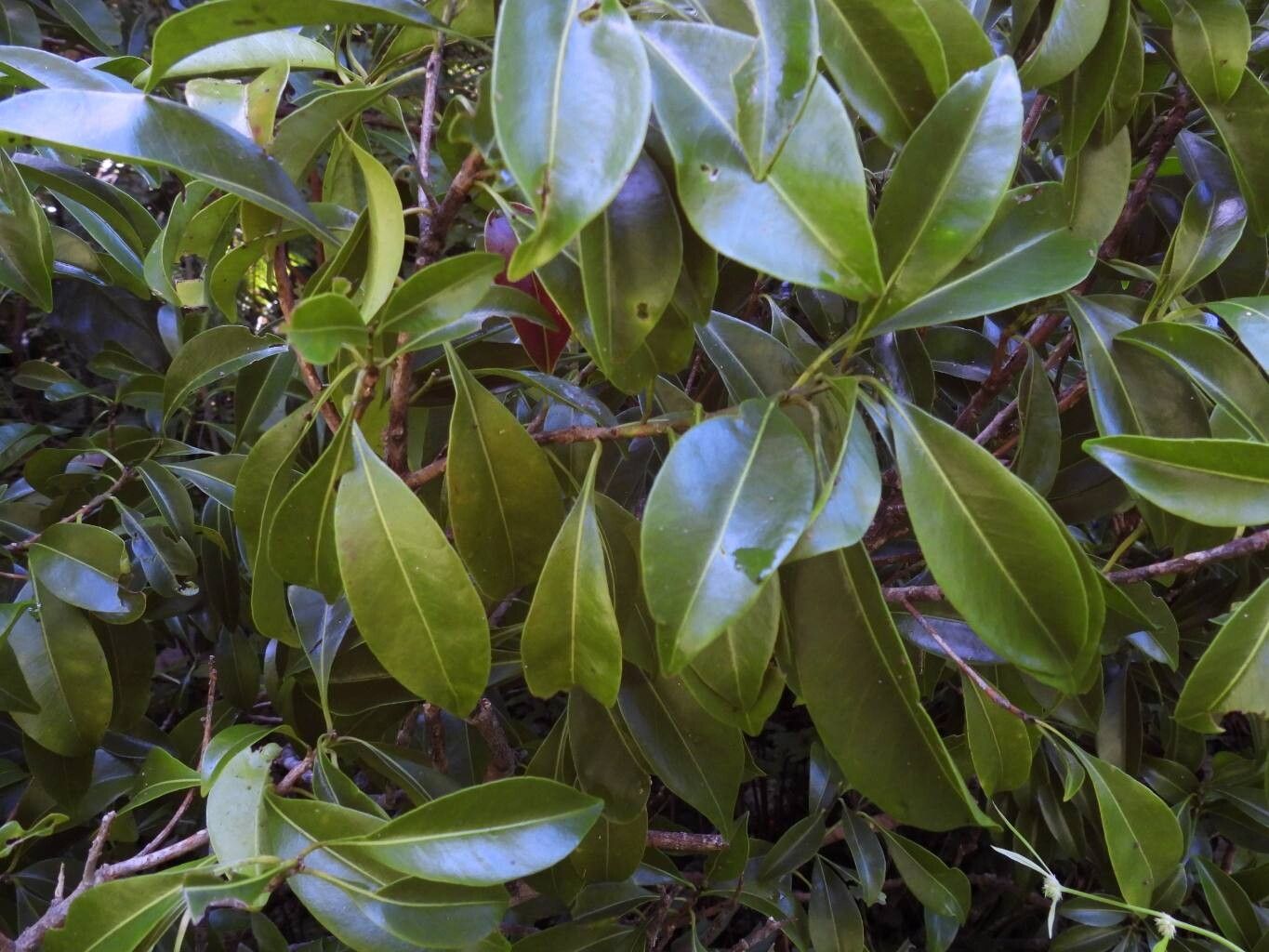
Pouteria australis, also known by the synonym Planchonella australis, is a medium to tall rainforest tree of the family Sapotaceae native to Queensland and New South Wales, Australia. It is known by the common name black apple, wild plum, yellow buttonwood, black plum and yellow bulletwood.
Planchonella australis is resistant to disease and is generally not susceptible to illnesses. Regarding care, this plant is fairly low-maintenance. When grown outdoors it needs only minimal watering, and larger specimens usually do not require pruning. Smaller plants, however, should be pruned after they have finished blooming. Planchonella australis is suitable for anyone with outdoor space, such as a garden or deck, and does not require much experience in plant care.
How to keep Planchonella Australis.
Light
Planchonella australis is indigenous to habitats like forest undergrowth or rocky regions, where it is naturally shielded from sunlight. It favors partially sunny conditions but can adjust to either complete sun or complete shade, reflecting its robust and adaptable nature.
Temperature
Planchonella australis demonstrates good resilience to heat, managing to thrive in increased temperatures and wider temperature fluctuations. During periods of intense heat, it's crucial to monitor hydration and provide suitable shading to avert sun damage. Conversely, Planchonella australis is somewhat susceptible to chillier conditions. It can manage minor cold spells, but extreme cold weather could result in harm from frost.
Fertilizer
The timing for fertilizing Planchonella australis is critical. Commence fertilization at the onset of spring and proceed on a monthly basis until the beginning of summer. Fertilizer aids in the production of beautiful flowers and supplies energy during the plant's inactive and active growth stages.
Pruning
Planchonella australis is a hardy plant known for its dense foliage. The best time for pruning is in early spring, which helps to shape the plant and stimulate growth. This process includes removing dead branches and thinning out the foliage to improve air circulation. Proper pruning encourages healthy development, reduces the risk of disease, and promotes fuller, bushier growth.
Botanical profile.
- Plant Type
- Tree
- Life Cycle
- Perennial
- Genus
- Planchonella
- Family
- Sapotaceae
- Hardiness Zone
- 9-11
- Mature Height
- 10.06 m
- Mature Spread
- 6.71 m
- Leaf Color
- Dark Green
- Leaf Type
- Evergreen
- Flower Size
- 0.51 cm to 0.76 cm
- Bloom Time
- Mid fall, Late fall, Early winter
- Planting Time
- Spring
- Harvest Time
- Spring
Other names.