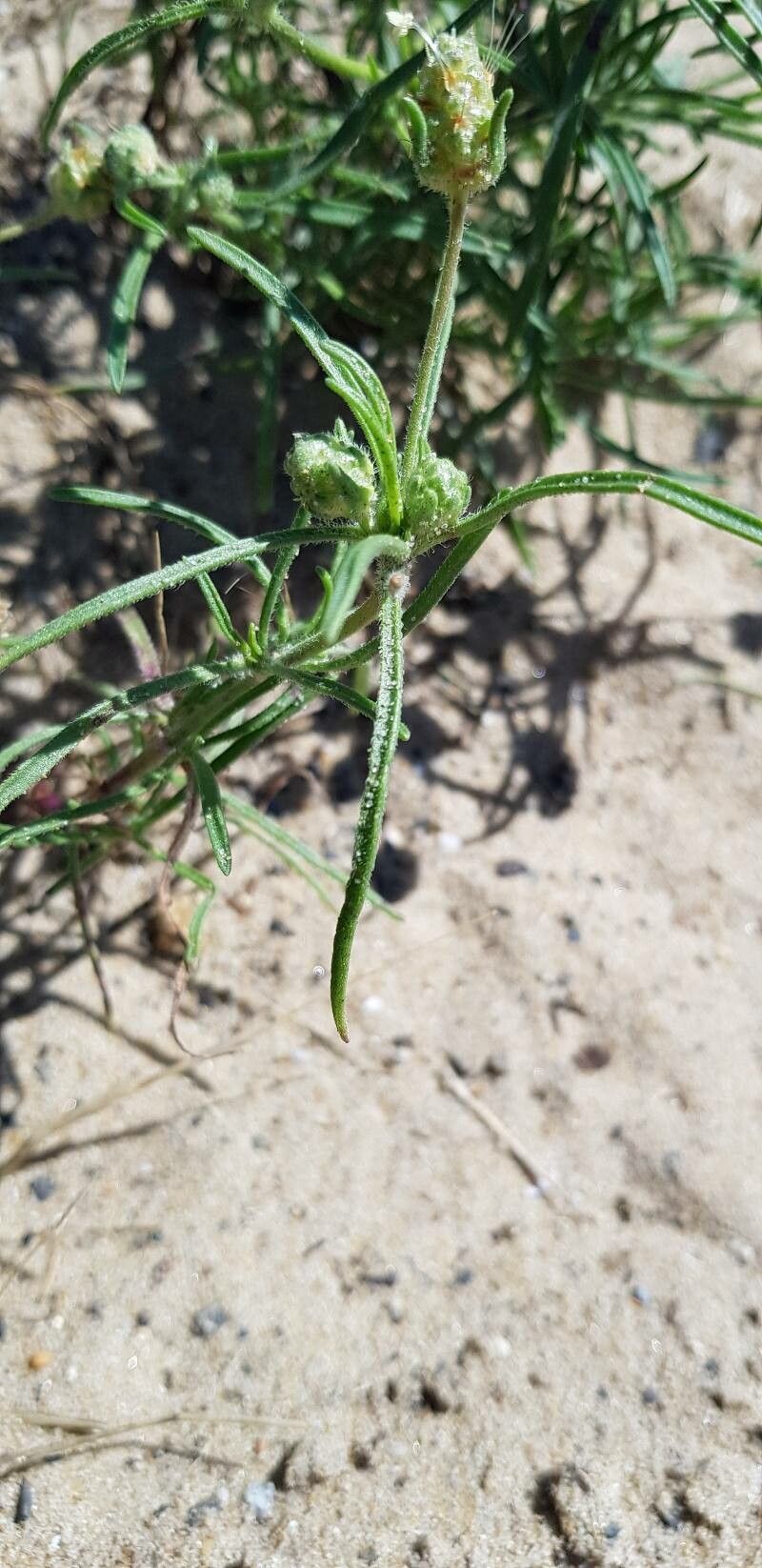
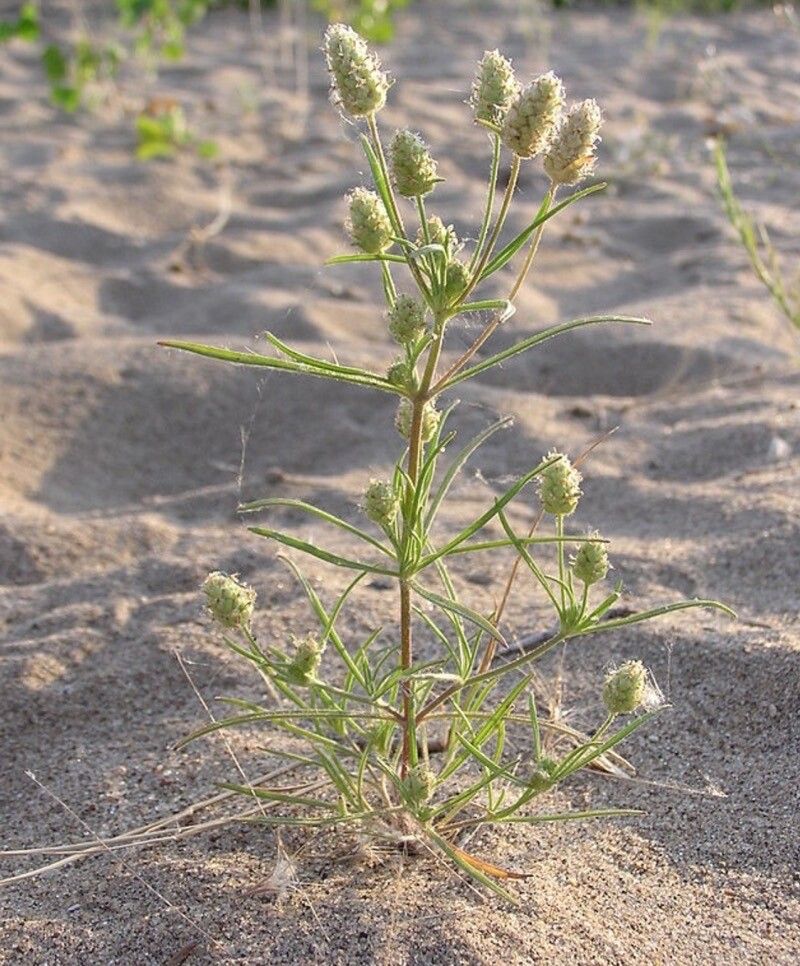
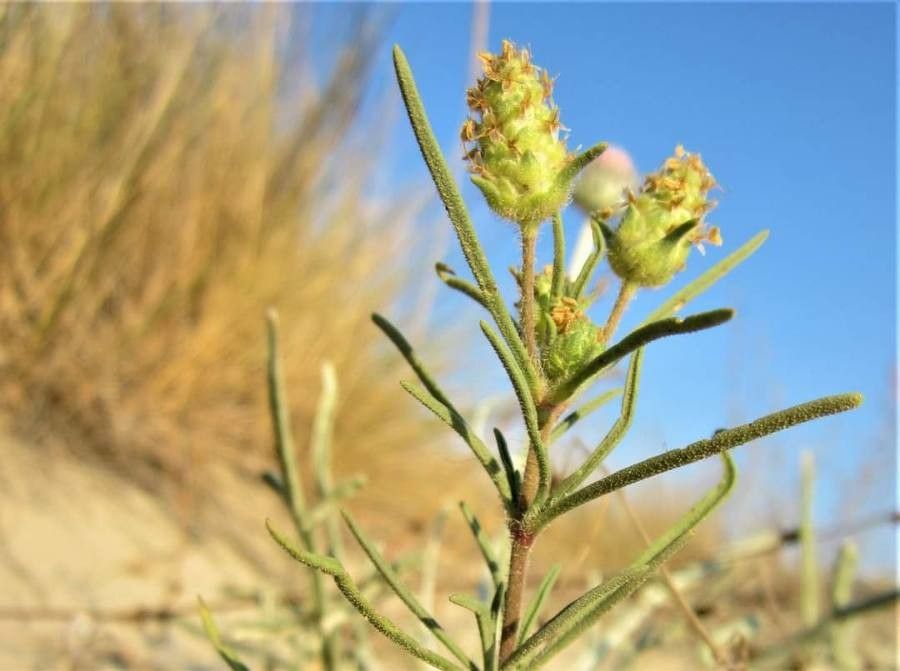
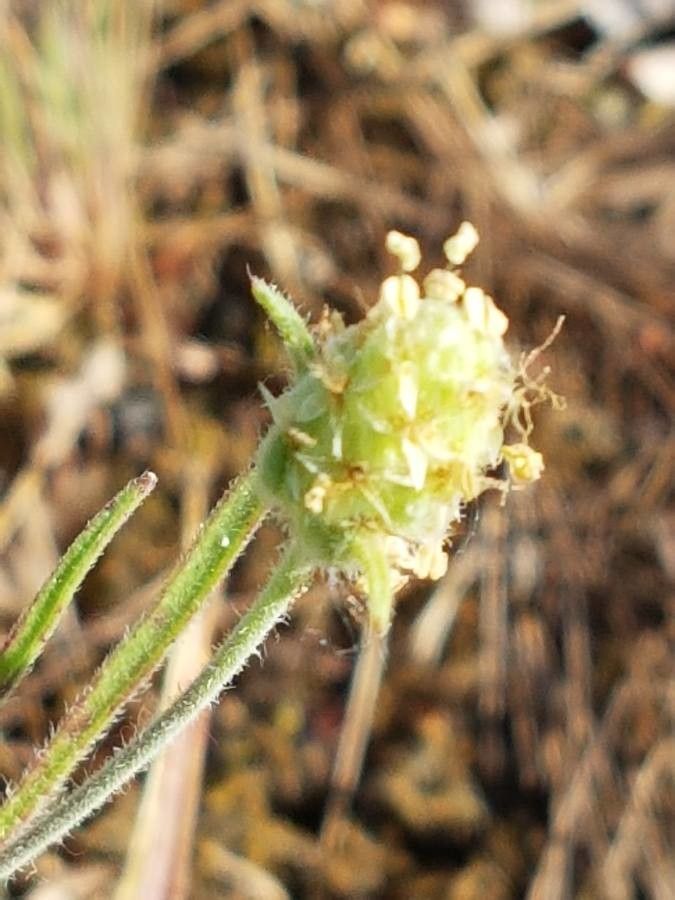
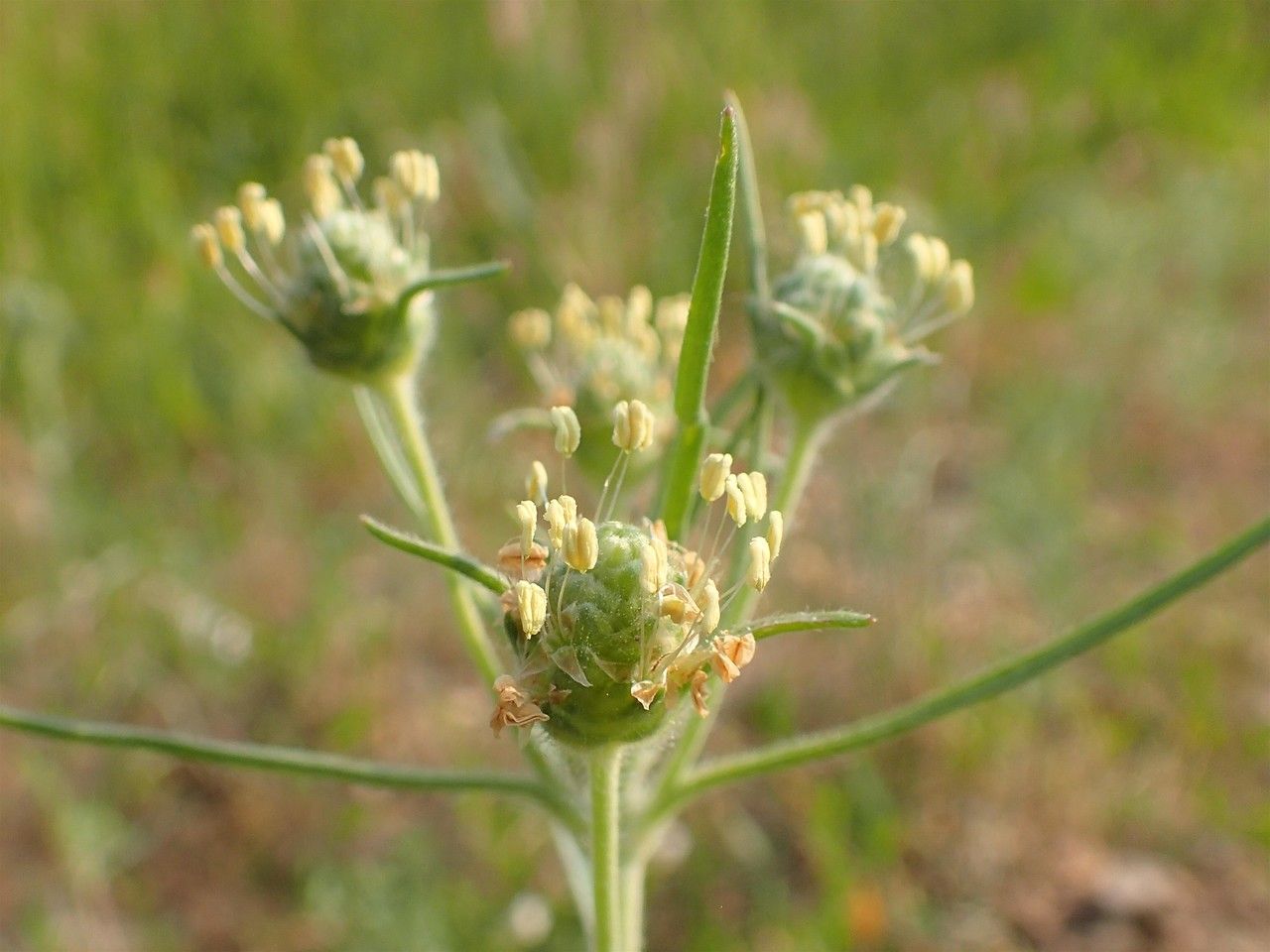
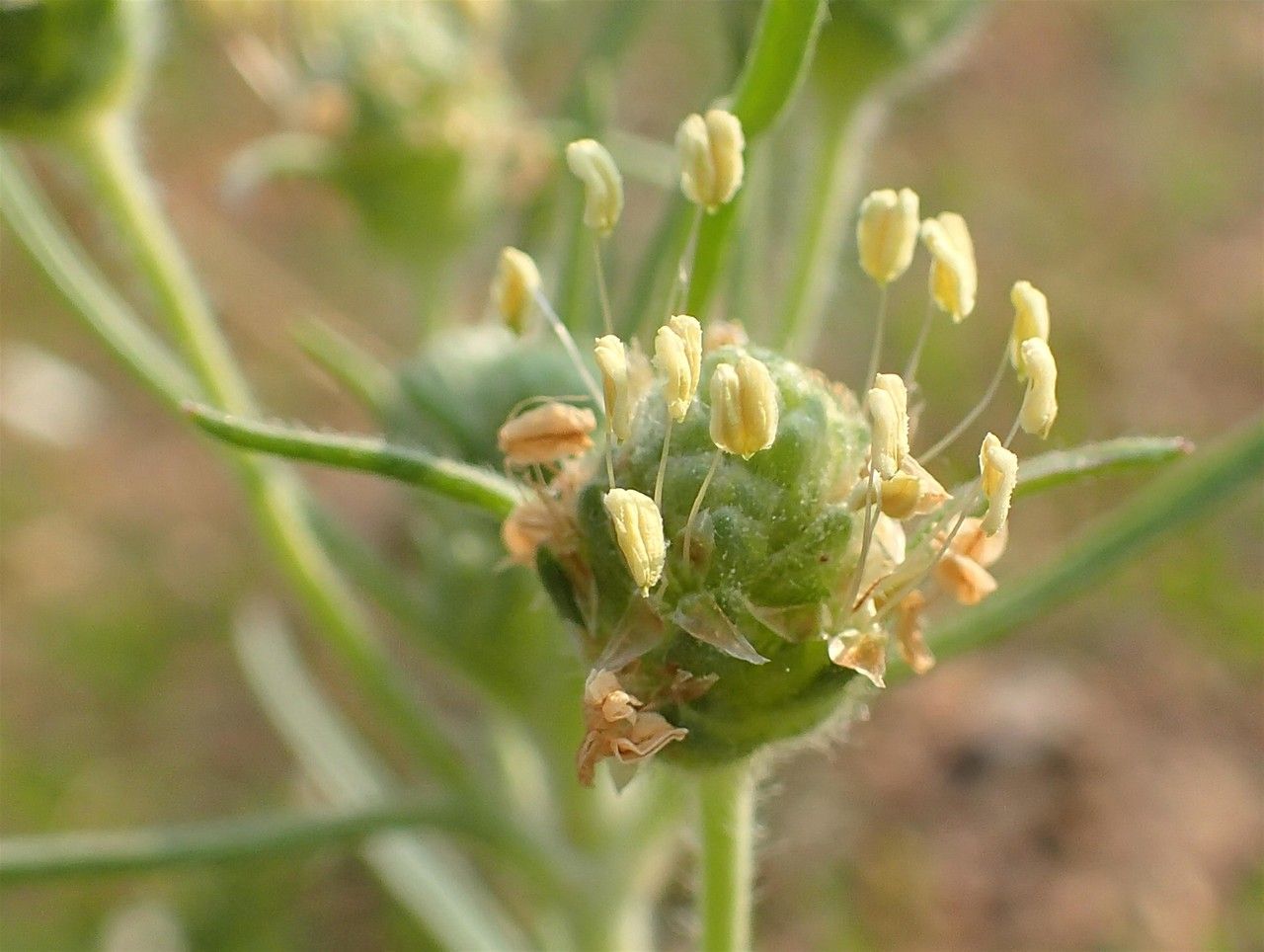
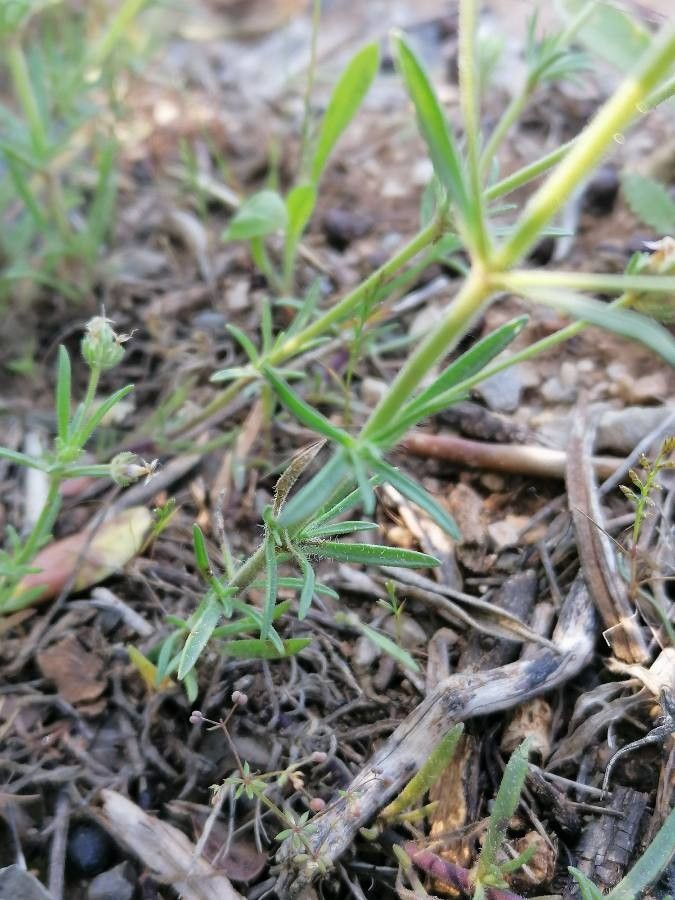
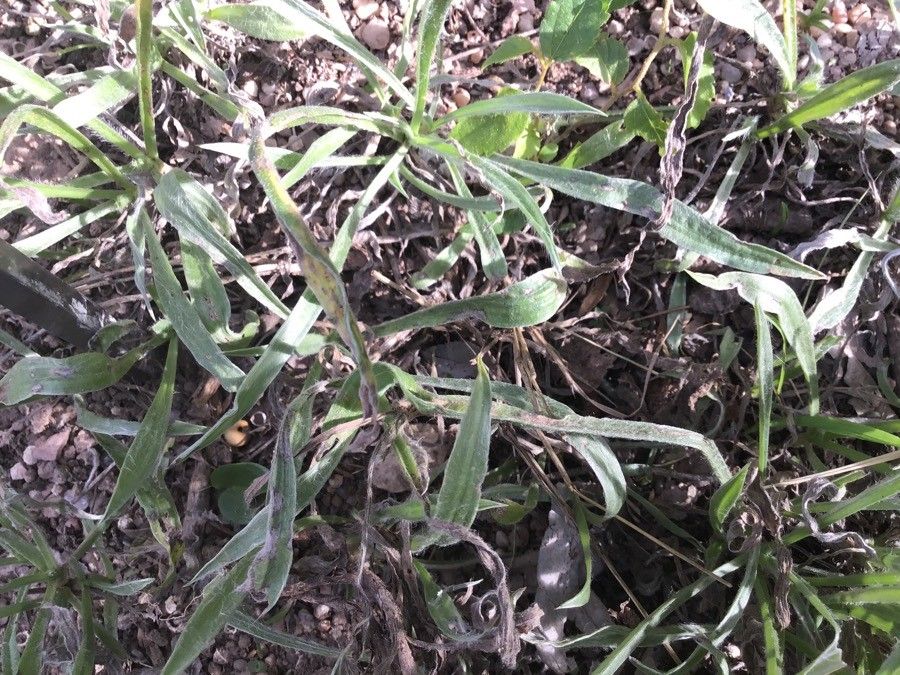
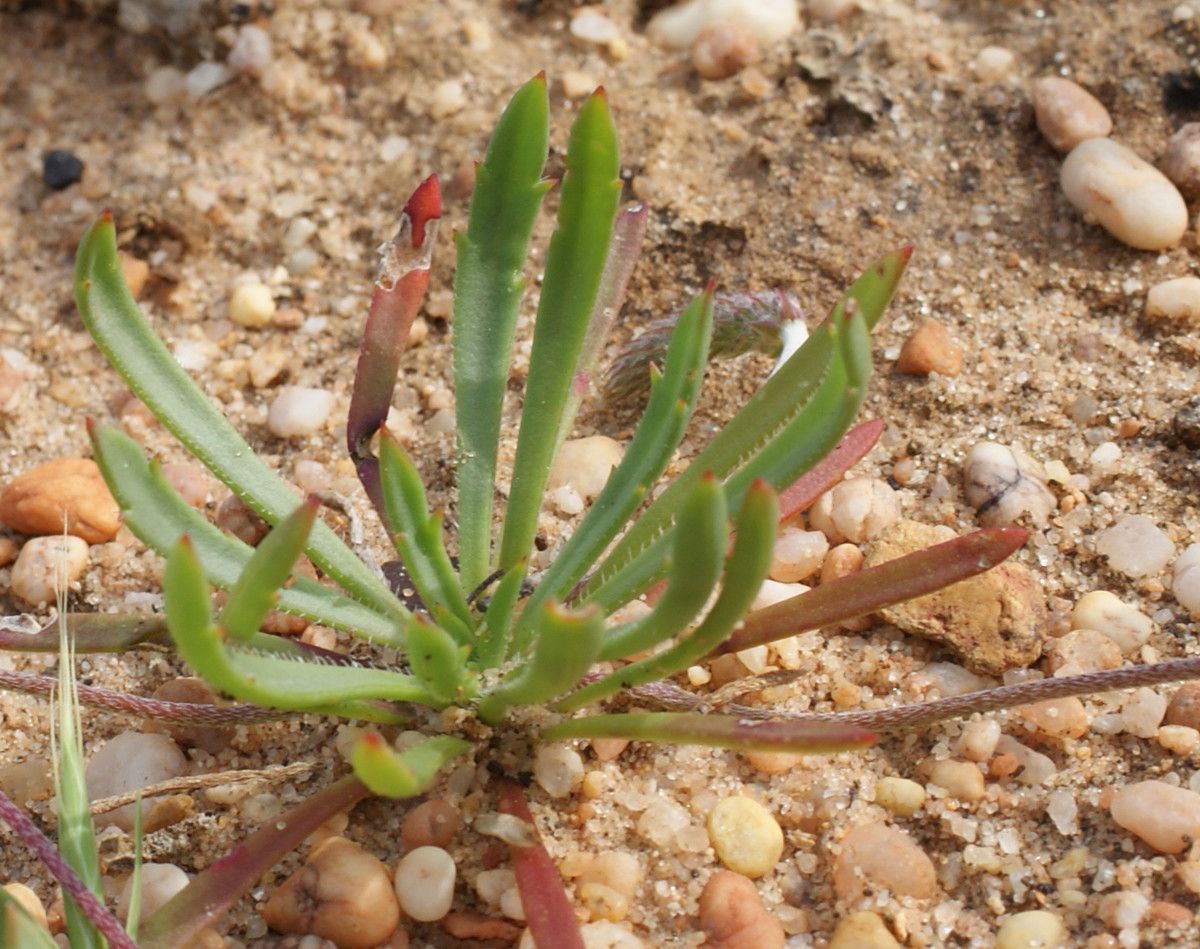
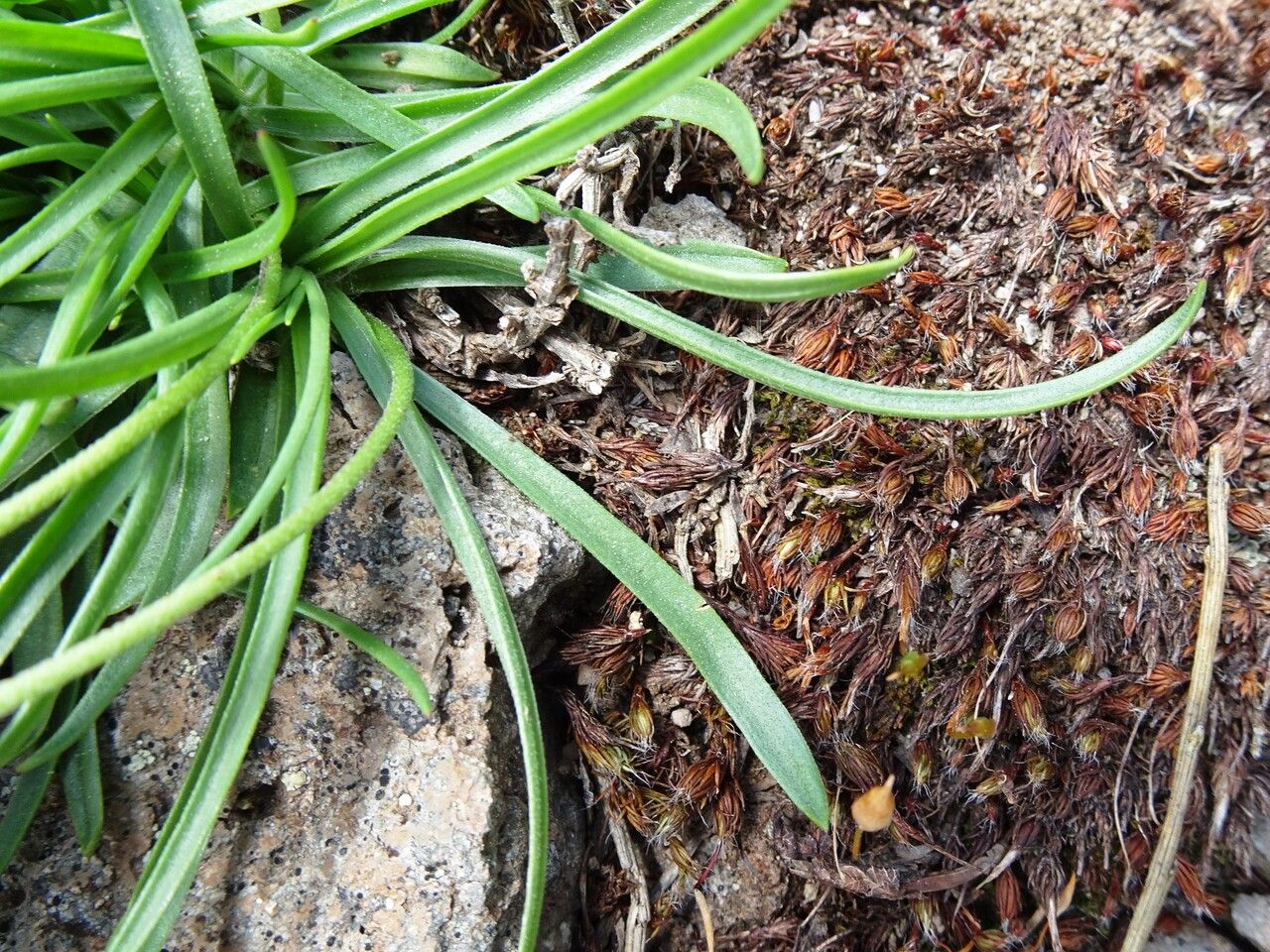
Plantago indica, commonly known as branched plantain, sand plantain, or black psyllium, is a flowering plant in the plantain family Plantaginaceae, and is one of a few species in the Plantago genus under the common name psyllium. The plant is native to parts of Africa, Europe, Russia, and Asia, and has been naturalized in many other areas such as Australia and North America. The plant can be found mostly in dry inland areas, such as those that are sandy, and has also naturalized on roadsides and in meadows. The plant is not used broadly as a food source, but has been cultivated for its seeds which serve a medicinal use as a laxative.
Glandular plantain is fairly disease-resistant and generally not prone to illnesses. Still, it can be affected by pests and diseases present in its environment. These problems are typically not serious. In terms of care, this plant needs moderate maintenance. It should be pruned regularly to preserve a neat appearance and healthy growth. Fertilizing can also encourage flowering. Glandular plantain is suitable for anyone with an outdoor area, such as a garden or patio, and does not demand extensive care experience. It may need more attention when grown indoors.
How to keep Plantago Arenaria.
Light
Glandular plantain typically thrives in locations with full, direct sunlight, which it requires for vigorous growth. Too much shade can negatively affect the plant by reducing photosynthesis and inhibiting growth. Conversely, excessive sunlight has little impact on glandular plantain, as it can tolerate it without showing signs of stress.
Water
Sand plantain is well-suited to dry environments and is highly drought-tolerant. To keep the plant healthy, water it once a week, but be careful not to overwater. If you're growing sand plantain indoors, use containers with good drainage. This mimics its natural arid habitat, allows excess water to escape, and encourages healthy root growth.
Temperature
Glandular plantain can tolerate a broad range of temperatures, but its distribution may still be constrained by various combinations of moisture and heat. It performs best in warm summer conditions with sufficient rainfall or watering. Extended periods of cloudy, rainy weather or prolonged high temperatures can increase the likelihood of Glandular plantain dying. In winter, proper protection from cold can improve Glandular plantain's chances of survival.
Fertilizer
Glandular plantain does well with regular, weak applications of fertilizer to encourage healthy leaf development. You should apply fertilizer to Glandular plantain about once a month during the summer. Nitrogen is important for the foliage, and adding nitrogen-rich fertilizers helps Glandular plantain prosper.
Pruning
Sand plantain is characterized by its lance-shaped leaves and dense flower spikes. With careful pruning, it thrives beautifully. To encourage growth and remove damaged parts, trim the plant from early to late spring. After the blooming period, pruning helps maintain the plant's shape and stimulates additional blooms. Always use clean, sharp tools to avoid damage and prevent disease.
Botanical profile.
- Plant Type
- Herb
- Life Cycle
- Annual
- Genus
- Plantago
- Family
- Plantaginaceae
- Hardiness Zone
- 9-11
- Mature Height
- 30 cm
- Mature Spread
- 15 cm to 25 cm
- Leaf Color
- Green
- Leaf Type
- Evergreen
- Flower Color
- Yellow, Green, Purple
- Flower Size
- 2.54 cm
- Bloom Time
- Spring
- Planting Time
- Spring, Autumn
- Harvest Time
- Late spring, Early summer, Mid summer
- Native Area
- Libya, Somalia, Egypt, Turkey, Eritrea, Pakistan, Croatia, Morocco, Niger, Tanzania, Iraq, Oman, Ethiopia, Portugal, France, Saudi Arabia, Tunisia, Sudan, Mauritania, Cyprus, Bulgaria, Armenia, Greece, Lebanon, Chad, Afghanistan, Syria, Italy, Spain, Iran, Albania, Algeria, Kuwait, Turkmenistan
Other names.
Reader questions.
How should I water my Sand plantain in the best way?
To water Sand plantain, there are several options you can choose from. You can use a garden hose with a spray nozzle, a watering can, or any other common watering tool. This plant is not too picky about the type of water it receives, as it can survive with rainwater, tap water, or filtered water. It's important to avoid watering this plant from overhead, as it can harm the leaves and flowers and even cause disease. A great option for watering Sand plantain is to set up a drip irrigation system, which evenly and directly applies water to the soil. If you have a container-grown Sand plantain, a similar watering method can be used by switching to tools like a cup, watering can, or tapping water directly onto the soil.
What are the sunlight requirements for Sand plantain?
Sand plantain is a plant that thrives in bright, open environments and requires full sun or at least above 6 hours of sunlight daily for optimal growth. It can tolerate partial sun, which is about 3-6 hours of sunlight, but prefers direct sunlight. When considering where to place your Sand plantain, observe your garden's patterns of light and shade closely to ensure you're providing the perfect balance for this sun-loving plant. Remember, the right amount of sunlight is crucial for the plant's happiness and growth.
What is the native climate for Sand plantain?
Sand plantain is native to climates where temperatures regularly range between 68 to 95°F (20 to 35°C). It thrives in warmer conditions, favoring the higher end of this temperature range for optimal growth. In cooler seasons, it's advisable to increase ambient heat to maintain the optimum temperature for the plant.
What should I do if I give my Sand plantain too much or too little water?
To properly care for your Sand plantain, it's important to address both underwatering and overwatering. If you notice your plant lacks moisture, simply water it more regularly. However, overwatering can lead to more serious issues, including diseases that can cause the plant to decline and die. To prevent overwatering, choose a growing location with ample sunlight to dry the soil and good drainage to prevent water from pooling. If you have an overwatered Sand plantain in a pot, consider transferring it to a new pot with better drainage and loose soil.
How can artificial lighting be used for Sand plantain?
When natural sunlight is insufficient, especially during winter or in less sunny spaces, artificial lighting becomes essential for Sand plantain's growth. Optimal growth can be achieved by choosing the right type of artificial light, such as LED lights, which can be customized to offer the specific wavelengths of light that Sand plantain needs. Full sun plants require 30-50W/sq ft, partial sun plants need 20-30W/sq ft, and full shade plants benefit from 10-20W/sq ft of artificial light. Place the light source 12-36 inches above the plant to mimic natural sunlight, and ensure the plant receives 8-12 hours of light per day to replicate the length of natural daylight hours for this species.
Does Sand plantain require frost protection measures?
Sand plantain is known for its strong cold resistance, typically not requiring special frost protection measures during winter. However, if winter temperatures are anticipated to fall below -25°C, it becomes important to offer cold protection. This can involve covering the plant with insulating materials such as soil or straw. An abundant watering before the first autumn freeze, ensuring the soil remains moist and enters winter in a frozen state, helps prevent drought and water scarcity for the plant throughout the winter and into early spring.
How much water does my Sand plantain need?
Sand plantain requires regular watering throughout the growing season. In spring, water the plant once a week. As the season progresses and gets warmer, increase watering to two to three times per week. However, overwatering can harm the plant, so ensure that the soil remains moist but not wet. Watering a potted Sand plantain differs slightly, as the soil in the pot can dry out faster. It is usually necessary to water a container-grown plant a few times per week, compared to just once per week for an in-ground plant.
What are the symptoms of light deficiency in Sand plantain?
When Sand plantain is grown indoors or under inadequate light conditions, it may display several symptoms indicating light deficiency. These symptoms include the growth of smaller new leaves than the previous ones, leggy or sparse growth due to longer spaces between leaves or stems, faster leaf drop for resource conservation, slower or halted new growth as the plant enters survival mode, and lighter-colored new leaves indicating a lack of chlorophyll and essential nutrients. Correctly identifying and addressing these symptoms can help improve the plant's health and growth.
How does low temperature affect Sand plantain, and what are the solutions?
Sand plantain can tolerate cold weather and performs best when temperatures are above 20°C, maintaining resilience even when conditions are not ideal. However, during winter, it's crucial to keep it above 0°C. Exposure to temperatures below -25°C might not show immediate changes during the winter months, but could lead to a reduction in sprouting or even complete failure to sprout come springtime. The recommended solution for affected parts that fail to sprout in spring is to remove them to promote healthy growth.
How much water does my Sand plant need?
Determining the water needs of your Sand plantain can be done in a few ways. One method is to assess the soil moisture by feeling it. In this approach, you would water until the top six inches of soil feel moist. Another option is to use a specific measurement for watering. Generally, Sand plantains require about two gallons of water per week, adjusting for temperature and soil dryness. However, it's important to avoid overwatering if your plant requires less than two gallons. When growing Sand plantain in a container, a different method is needed. Here, you would water until all layers of dry soil are moistened, testing for moisture by sticking your finger into the soil. Another indicator is seeing a small amount of excess water drain from the pot's holes.
What solutions are available for light deficiency in Sand plantain?
For Sand plantain exhibiting light deficiency symptoms, both indoor and outdoor solutions are available. Indoors, gradually move the plant to a sunnier location each week until it receives at least 6 hours of direct sunlight daily; keep a south-facing window clear and use artificial light as needed for at least 8 hours a day. Outdoors, also gradually move the plants to sunnier spots each week to avoid sunburn. Additionally, if physical obstructions block sunlight, consider pruning or transplanting to a location with sufficient sunlight and good drainage. Note, parts of the plant damaged by insufficient sunlight may not recover, but new growth can be healthy with proper light exposure.
What happens if Sand plantain is exposed to high temperatures?
In the summer, Sand plantain should ideally be kept below 35°C to prevent heat stress. When temperatures soar above 38°C, the plant may exhibit signs of distress such as lighter leaf color, curling leaves, susceptibility to sunburn, and in severe cases, wilting and drying out. To mitigate these effects, sunburned and dried parts of the plant should be trimmed away. Relocating the plant to a shaded area or using a shade cloth can provide protection from the intense midday and afternoon sun. Ensuring the soil stays moist by watering in the mornings and evenings is also beneficial.