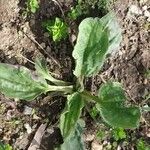
Plantago asiatica
Psyllium · Asian plantain · Asian psyllium · Chinese Plantain · Asiatic plantain
Description
Source: wikipedia (CC BY-SA)Plantago asiatica, is a self-fertile, perennial species of flowering plant in the plantain family Plantaginaceae. It is native to East Asia. It grows well in disturbed areas such as roadsides or even dirt roads. It is valued for its use in folk medicine and it also can be used in cooking.
Care Guide
💧 Water
Snakeroot thrives in moist environments and can tolerate wet soil as well as brief dry spells. It prefers consistent moisture and should be watered weekly. Being an herbaceous perennial, snakeroot is sensitive to overwatering during its dormancy in colder months, so careful monitoring of soil moisture is necessary.
☀️ Light Full sun
In its native setting, snakeroot needs abundant sunlight to develop properly. It can, however, also do well in spots with moderate sun exposure. A lack of light can hinder its growth, while too much sunlight may scorch its leaves.
What are the sunlight requirements for Snakeroot?
Snakeroot thrives when it receives ample sunlight, ideally in conditions of full sun, or more than 6 hours of sunlight daily. It can also adapt to partial sun, which means about 3-6 hours of sunlight. It's important to observe how sunlight moves through your garden throughout the day to find spots that offer a balance of light and shade. This ensures the plants receive the right amount of light for healthy growth.
What essentials should be considered for Snakeroot's growth regarding sunlight?
Snakeroot requires an abundance of sunlight for healthy growth, as it naturally craves sunlight. However, it can also manage to grow in moderate sun exposure. Be mindful that insufficient light may stunt the plant's growth, and too much direct sunlight can lead to leaf scorching. For indoor plants, artificial lighting can be a solution when natural light is insufficient. LED lights are recommended due to their ability to provide specific wavelengths needed for plant growth, with different wattage requirements based on the plant's sunlight needs.
What are the symptoms of inadequate or excessive sunlight exposure in Snakeroot?
Symptoms of inadequate sunlight include smaller new leaves, leggy or sparse growth, faster leaf drop, slower or no new growth, and lighter-colored new leaves. Excessive sunlight exposure can result in chlorosis, sunscald, leaf curling, wilting, and leaf scorching. These symptoms either indicate a lack of sufficient light or damage from too much direct sunlight, affecting the plant's chlorophyll, nutrient absorption, and overall health.
How can I adjust the sunlight exposure for better Snakeroot growth indoors and outdoors?
For indoor Snakeroot care, gradually move your plant to receive at least 6 hours of direct sunlight daily, using a south-facing window to maximize sunlight exposure. If the plant is large or not easily movable, consider using artificial light for at least 8 hours daily. Outdoors, gradually acclimate your plants to sunnier spots to prevent sunburn. It's important to note that parts of the plant previously affected by insufficient sunlight may not recover, but new growth will be healthy once light exposure is optimized. Additionally, reducing obstructions like pruning trees and transplanting to sunnier locations with good drainage can significantly improve light availability.
🌡️ Temperature 5–35°C
Snakeroot is adapted to its native growing environment and requires temperatures of 41 to 95℉ (5 to 35℃). It generally thrives in moderate climates but may need extra care when seasonal temperatures become extreme.
What are the optimal growing temperatures for Snakeroot?
Snakeroot thrives in temperatures ranging from 41 to 95°F (5 to 35°C), favoring moderate climates. It has a strong resistance to cold and doesn't usually require special frost protection measures, except in extreme cold below -25°C. To prepare for winter, it's recommended to water the plant abundantly before the first freeze in autumn to keep the soil moist and prevent drought and water scarcity during the colder months.
How should Snakeroot be cared for in low temperature conditions?
Snakeroot is cold-tolerant and does best when temperatures remain above 5°C. If winter temperatures drop below -20°C, the plant can generally withstand the cold without special treatment. However, temperatures falling below -25°C could prevent sprouting in spring or significantly reduce it. If this occurs, it is advisable to trim away any parts of the plant that have failed to sprout in the spring as a part of its care routine.
What measures should be taken if Snakeroot experiences high temperatures?
During summer, it is important to ensure that Snakeroot's environment stays below 35°C. If temperatures rise above 38°C, the plant may exhibit signs of distress, such as lighter leaves, curling, susceptibility to sunburn, and severe wilting or drying out. To mitigate high temperature stress, trimming away sunburned or dried-up parts is recommended. Moving the plant to a shaded location or using a shade cloth during peak sun hours, and watering it in the morning and evening, can help maintain soil moisture and protect the plant.
What is Snakeroot's botanical name?
The botanical name for Snakeroot is Plantago asiatica.
💨 Humidity
🪴 Soil 6-7
🌱 Fertilizer
A single fertilizer application in spring is typically enough for Snakeroot, though multiple feedings can maximize growth. Feed every month to a month and a half. Fertilization improves leaf appearance and function, helping maintain consistent color and a healthy texture. It also stimulates root growth and nutrient absorption, supporting long-term plant health.
🪴 Pot & Repot
✂️ Pruning
Snakeroot is a herbaceous perennial with broad leaves that form a rosette growth pattern. To promote healthy growth, prune the plant in early spring. Removing dead foliage at this time encourages new growth and improves air circulation, reducing the risk of disease and enhancing the plant's appearance. By following these pruning practices, you can ensure a healthier and more vigorous plant.
🌿 Propagating
🐛 Diseases & pets
☠️ Toxicity
Characteristics
- Plant Type
- Herb
- Life Cycle
- Perennial
- Genus
- Plantago
- Family
- Plantaginaceae
- Hardiness Zone
- 5-9
- Mature Height
- 20 cm to 61 cm
- Mature Spread
- 30 cm
- Leaf Color
- Dark Green, Forest Green
- Leaf Type
- Semi-evergreen
- Flower Color
- White
- Flower Size
- 0.20 cm to 0.25 cm
- Bloom Time
- Late spring, Early summer, Mid summer
- Planting Time
- Spring, Summer, Autumn
- Harvest Time
- Mid summer, Late summer, Early fall