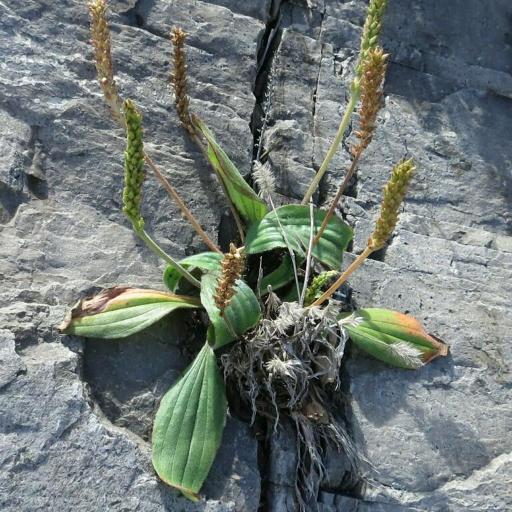
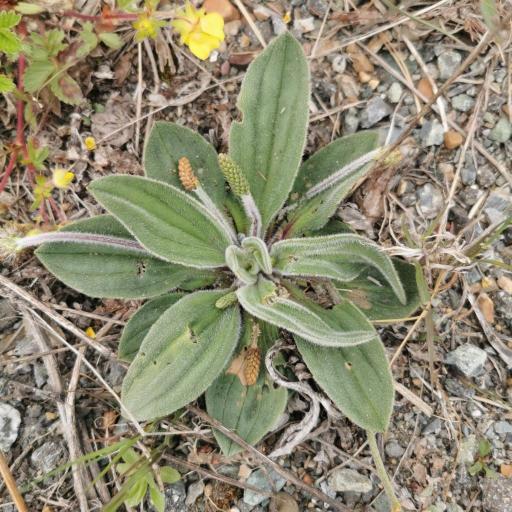
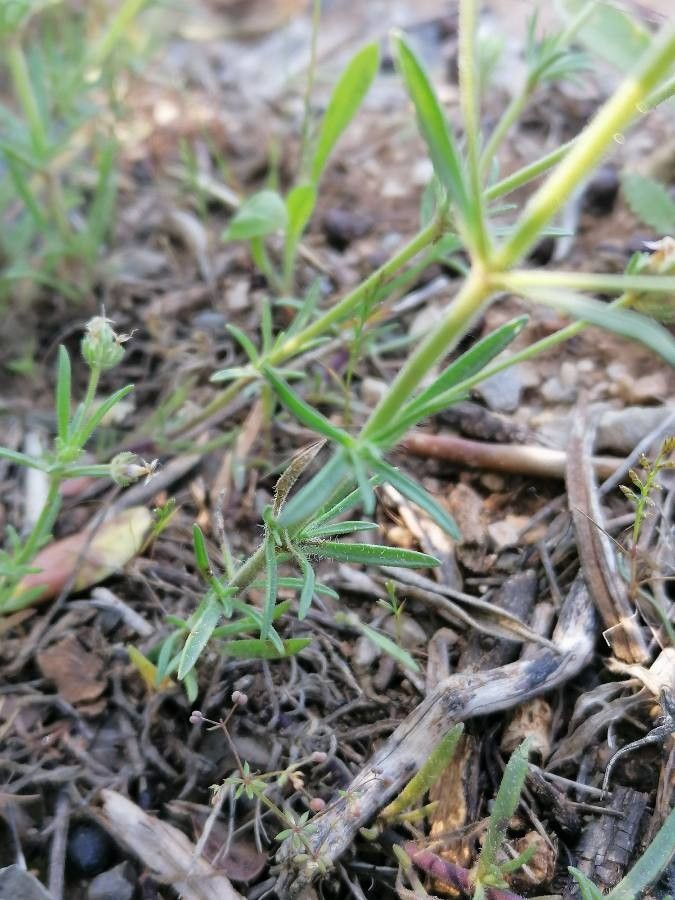
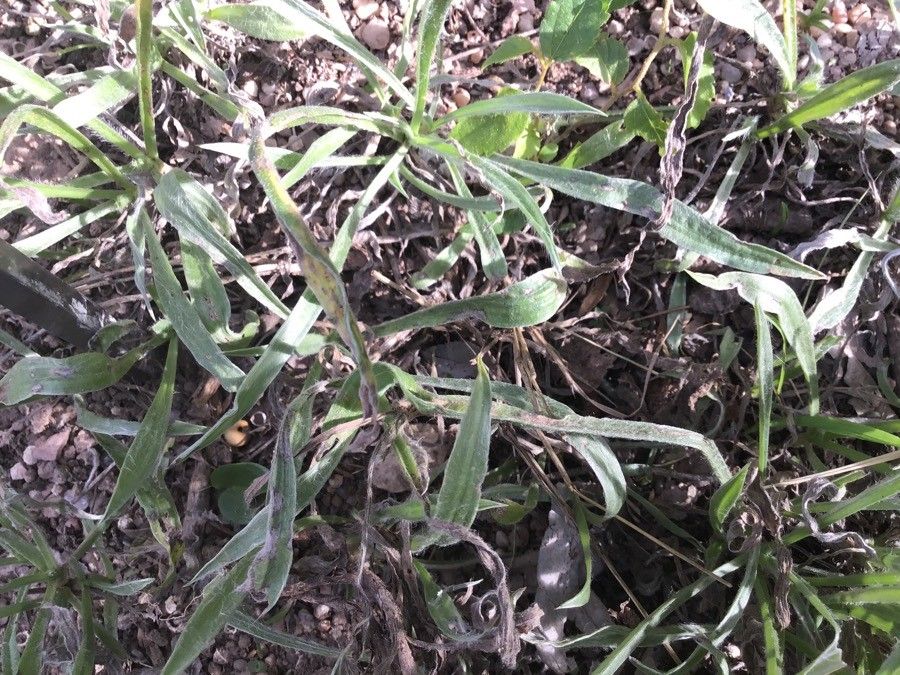
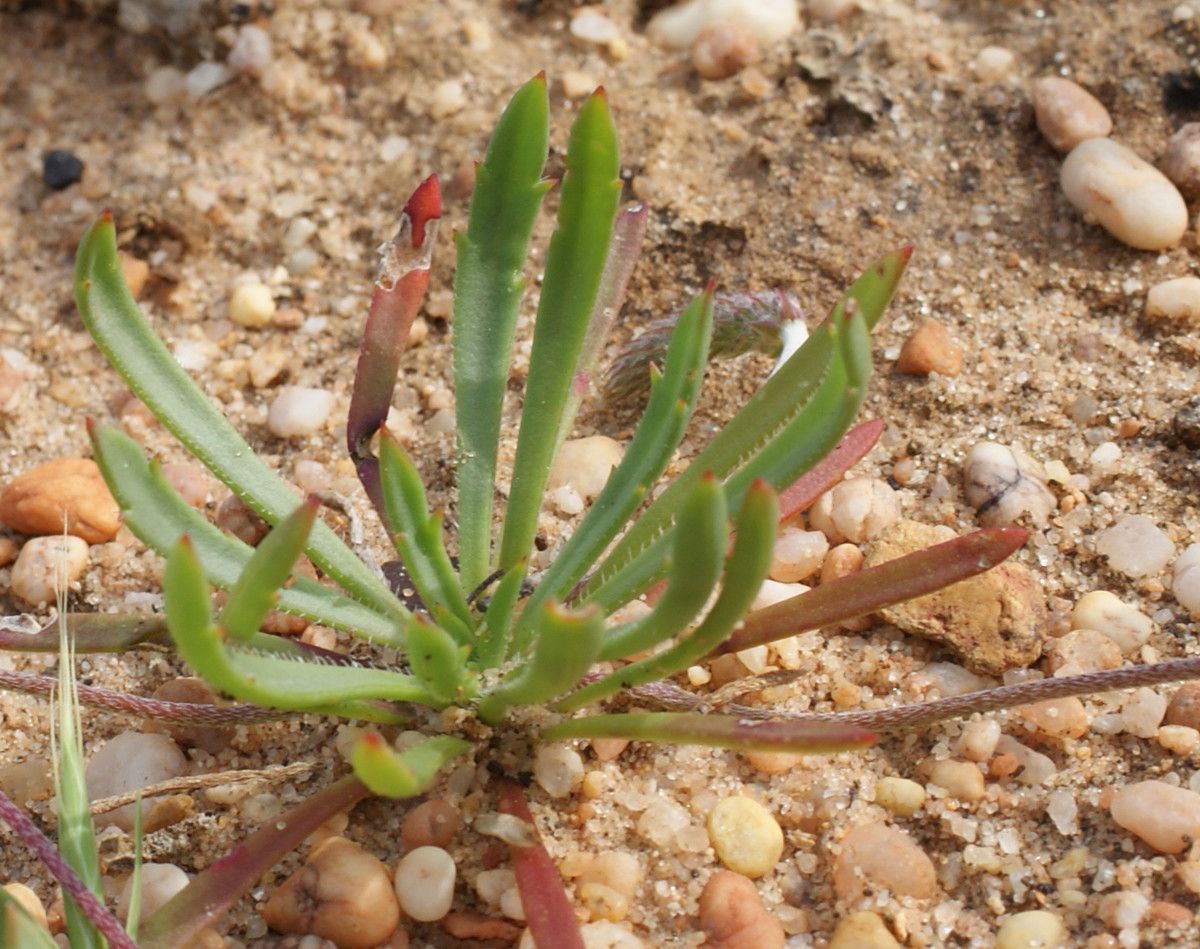
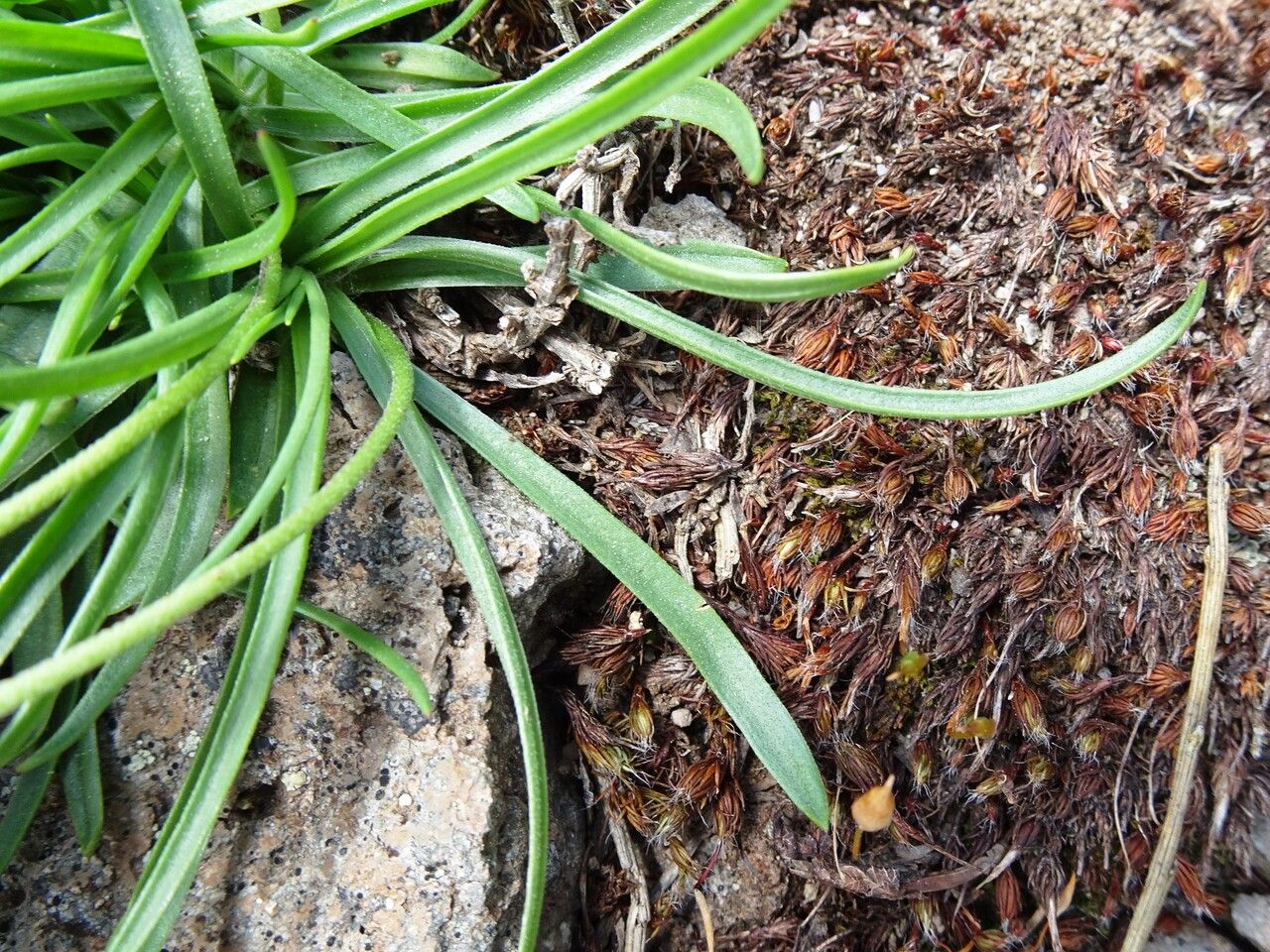
Blackseed plantain has strong disease resistance and generally is not prone to illnesses. Still, it can be affected by pests and diseases found in its environment. Such infections are typically mild. Care-wise, the plant requires moderate maintenance. It should be pruned regularly to preserve a good appearance and healthy growth. Fertilizing can also encourage flowering. Blackseed plantain is appropriate for anyone with outdoor space, like a garden or patio, and does not demand extensive care experience. It may need more attention if grown indoors.
How to keep Plantago Camtschatica.
Light
Blackseed plantain grows best with uninterrupted direct sunlight throughout the day, yet it is also tough enough to survive in lower light. Excessive or insufficient light can harm the plant, impairing its healthy growth and development.
Temperature
Native to temperate zones with temperature ranges of 68 to 95 °F (20 to 35 ℃), blackseed plantain prefers these conditions. To help it thrive, raise the temperature in summer and lower it in winter when necessary.
Fertilizer
One fertilizer application in spring is typically enough for Blackseed plantain, though repeated feedings can maximize growth. Apply fertilizer roughly every month to month and a half. Fertilizing improves the leaves' appearance and function, encouraging even color and a healthy texture. It also promotes root development and nutrient uptake, supporting the plant's long-term health.
Botanical profile.
- Plant Type
- Herb
- Life Cycle
- Perennial, Annual
- Genus
- Plantago
- Family
- Plantaginaceae
- Hardiness Zone
- 3-9
- Mature Height
- 8 cm to 30 cm
- Mature Spread
- 30 cm
- Leaf Color
- Green, Blue
- Leaf Type
- Deciduous
- Flower Color
- White
- Flower Size
- 2.54 cm
- Bloom Time
- Late spring, Early summer, Mid summer
- Planting Time
- Autumn, Winter
- Harvest Time
- Early summer, Mid summer
Other names.