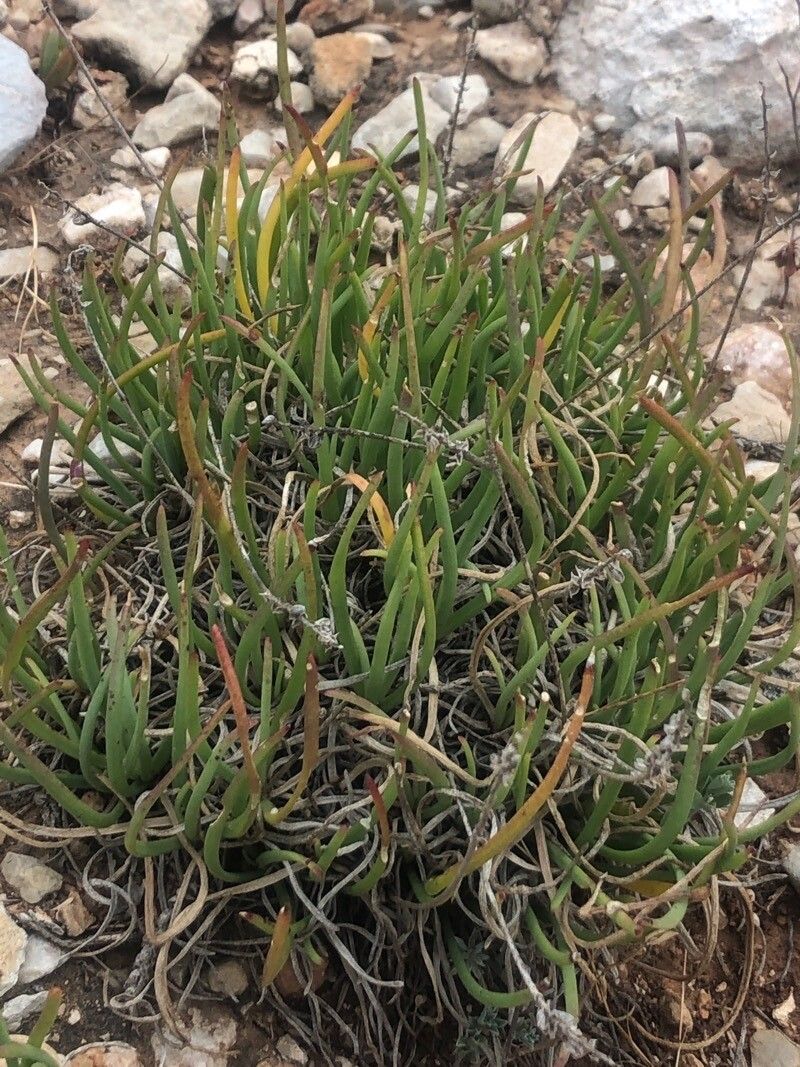
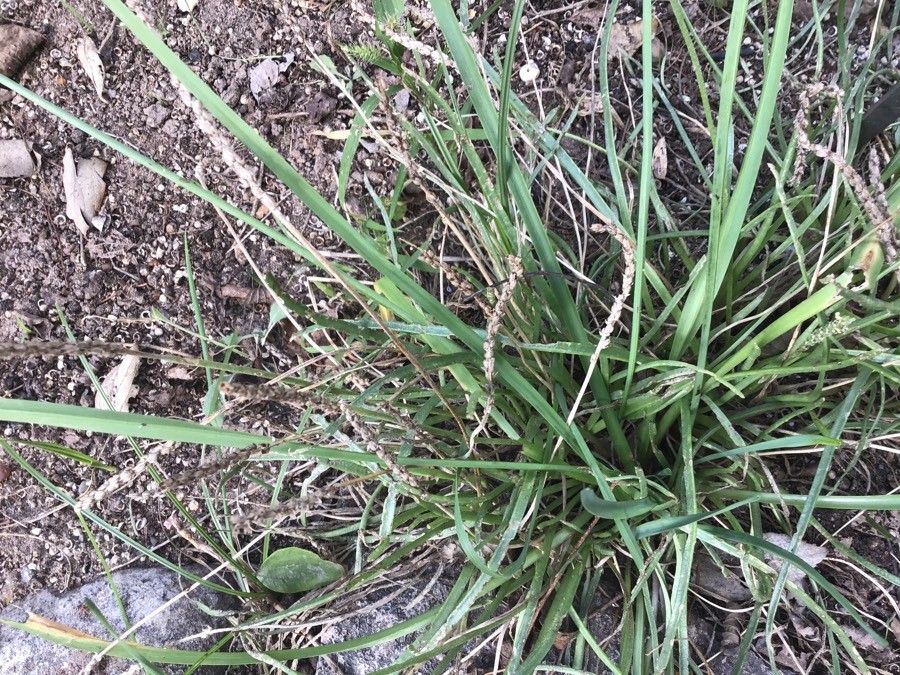
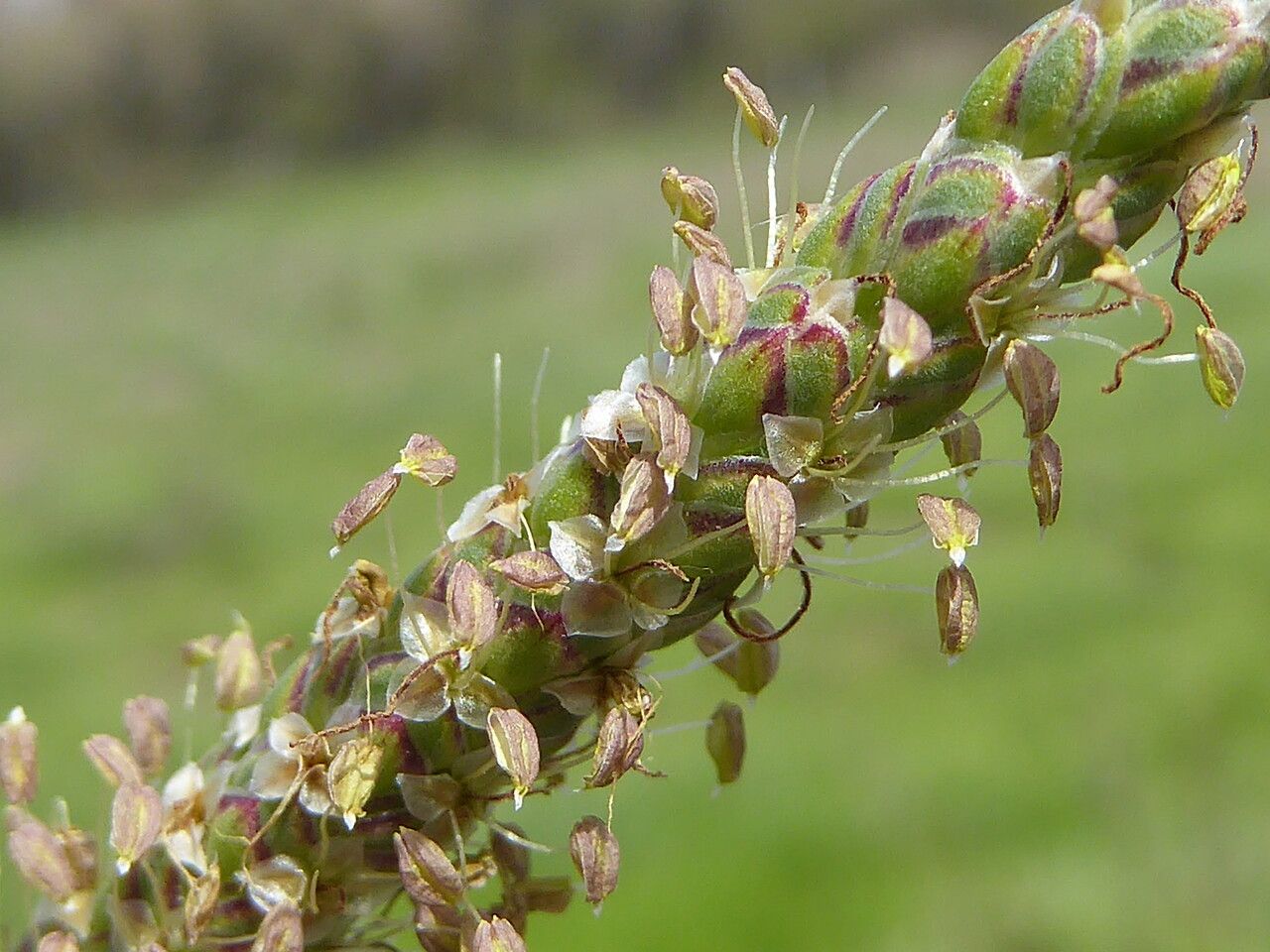
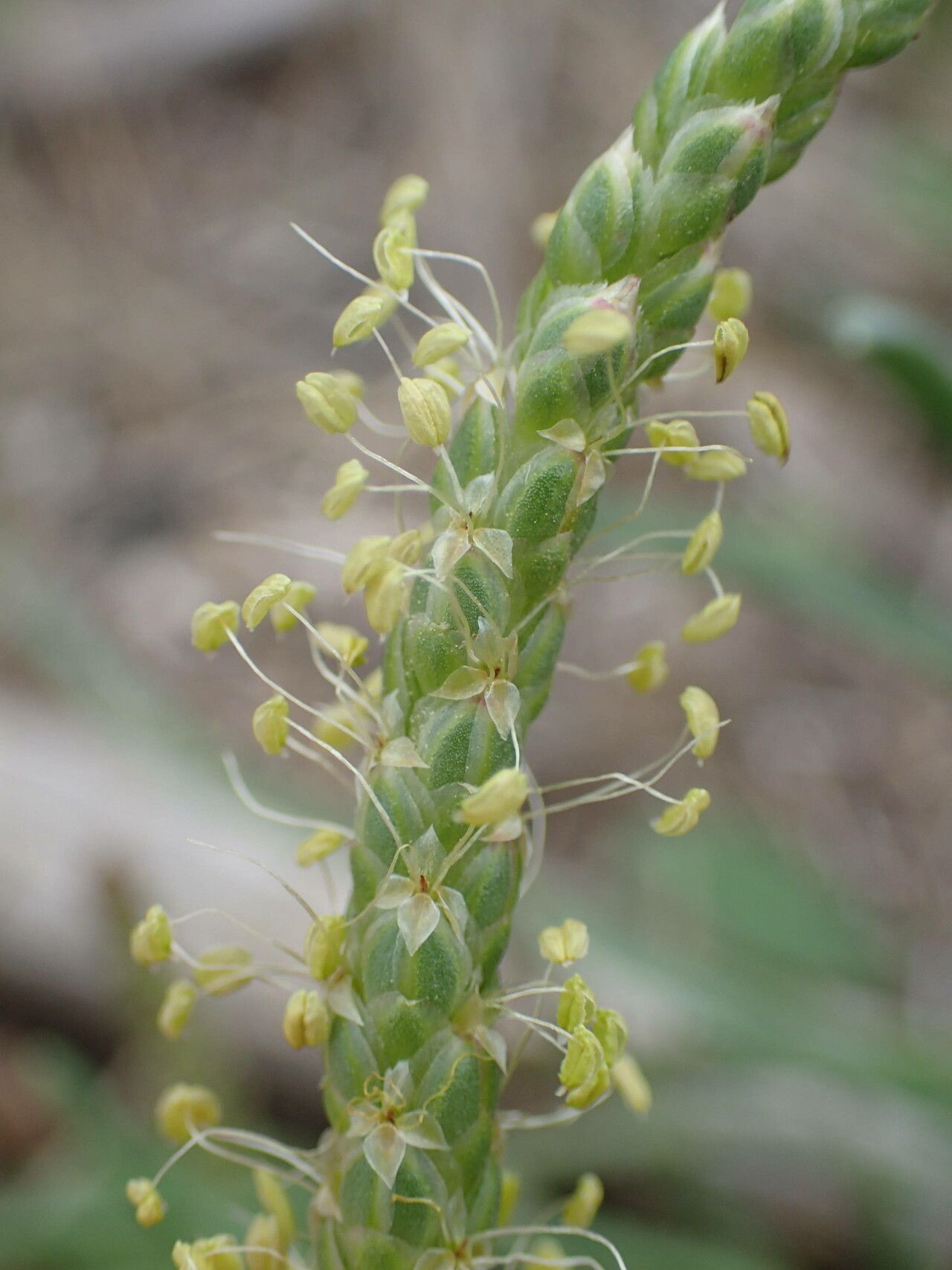
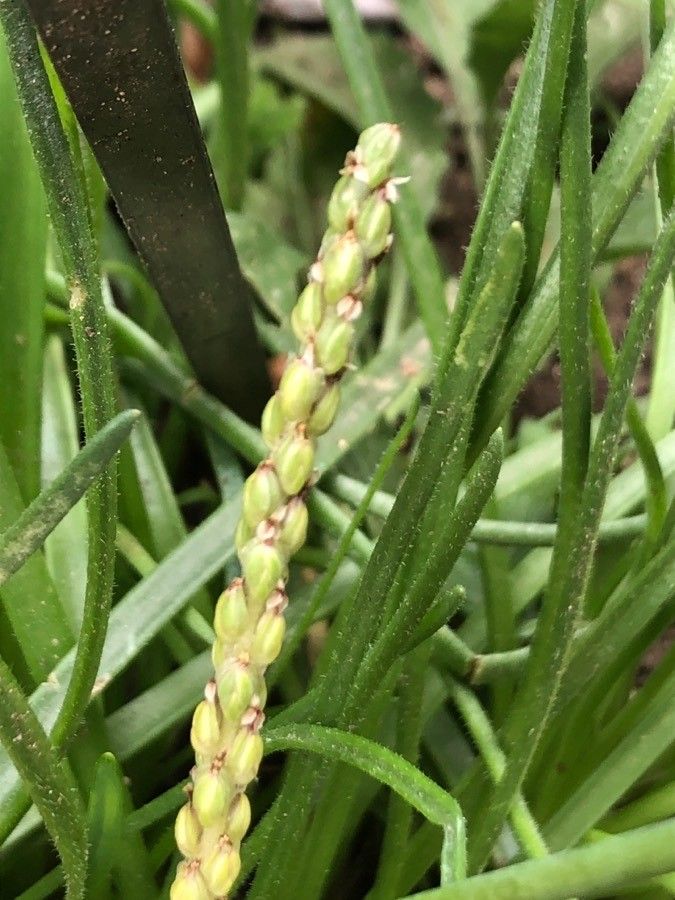
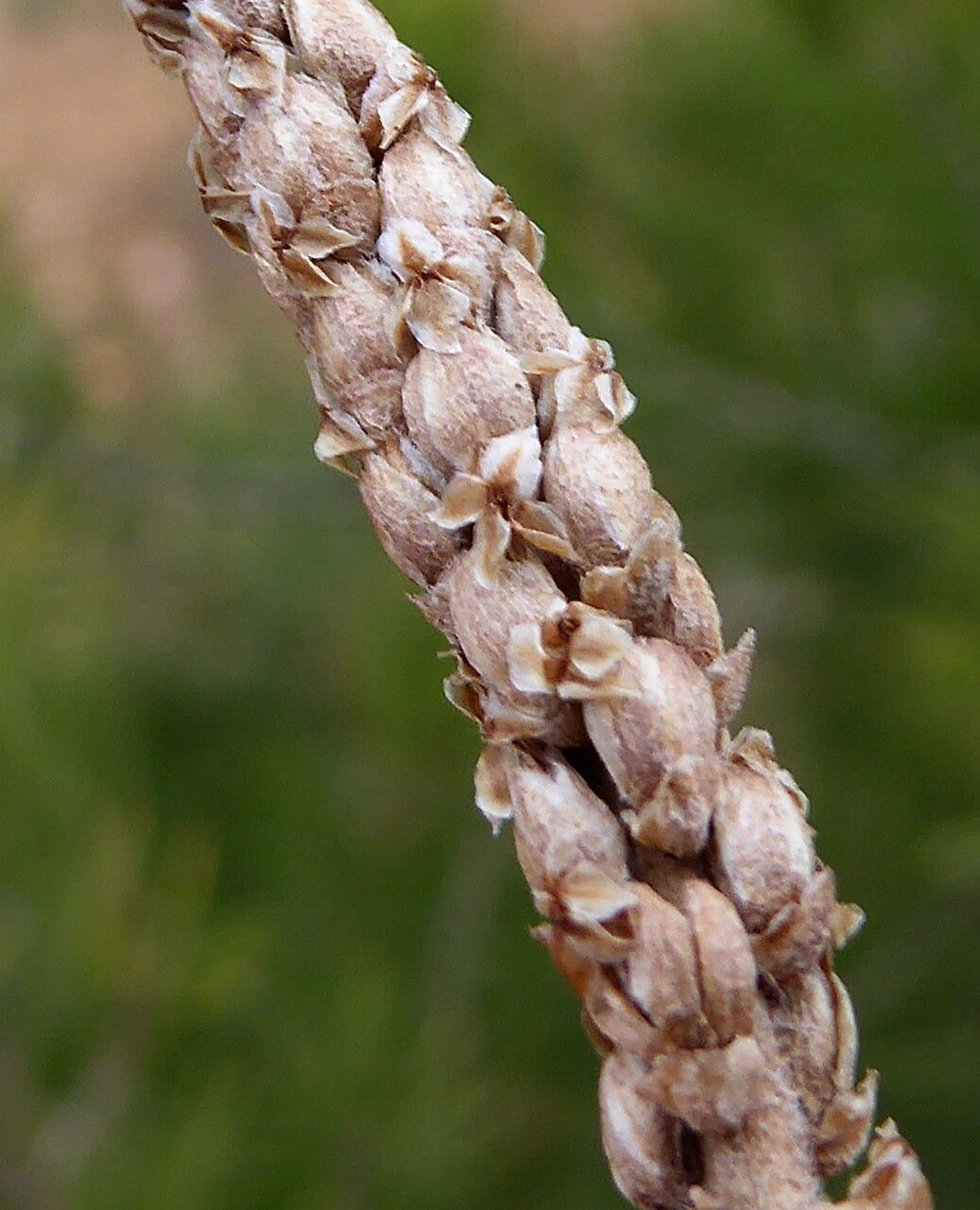
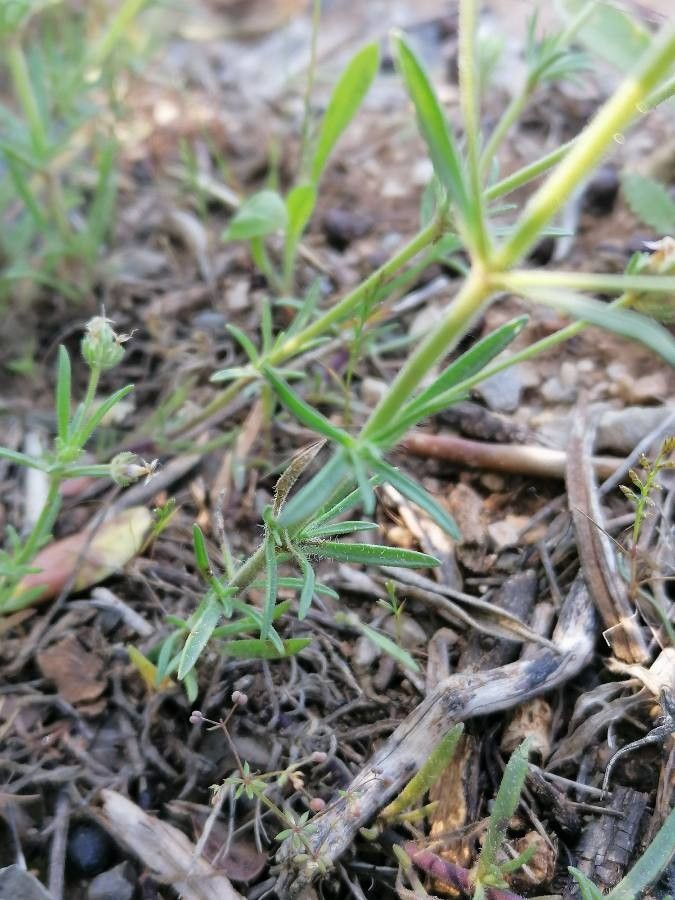
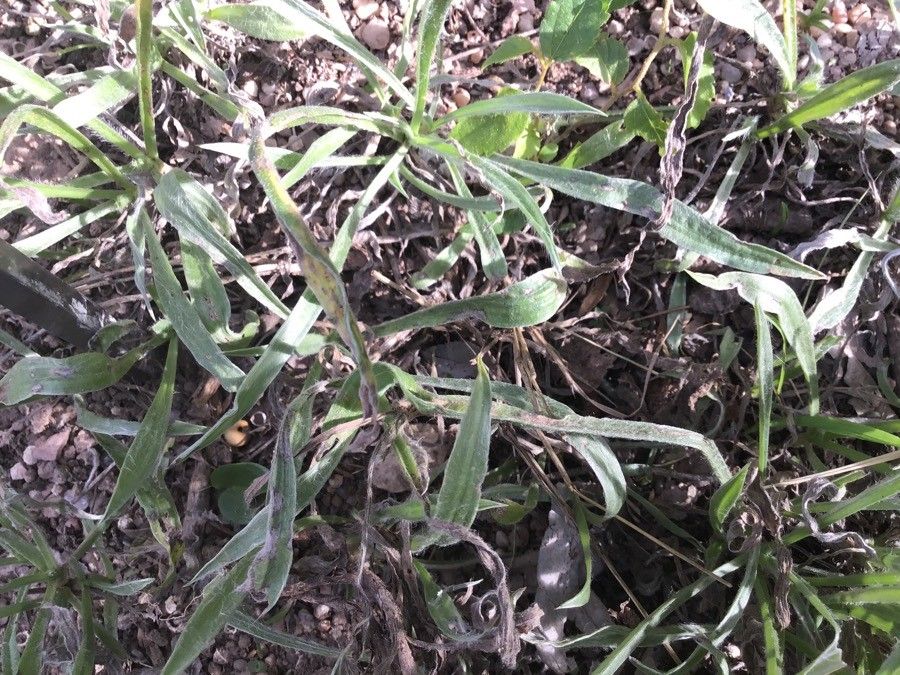
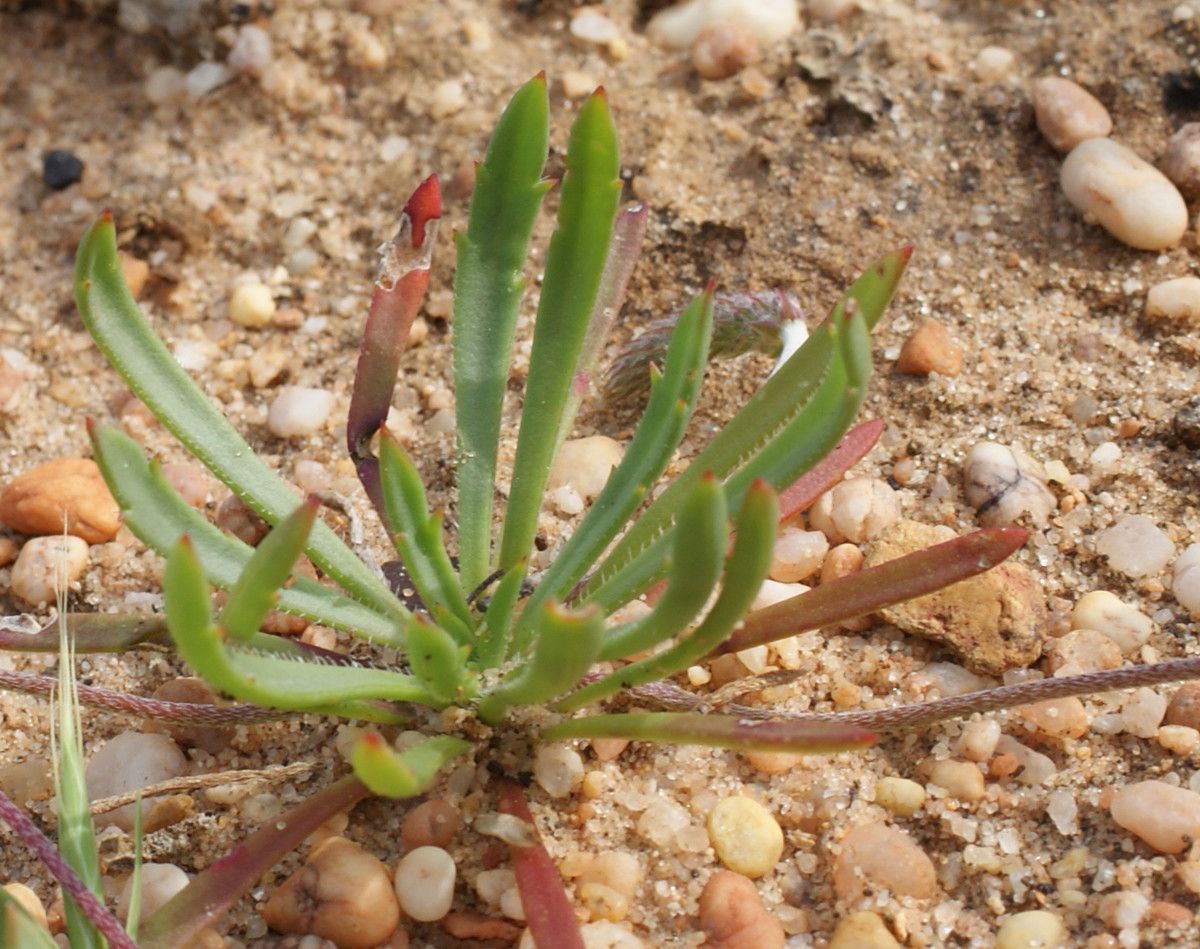
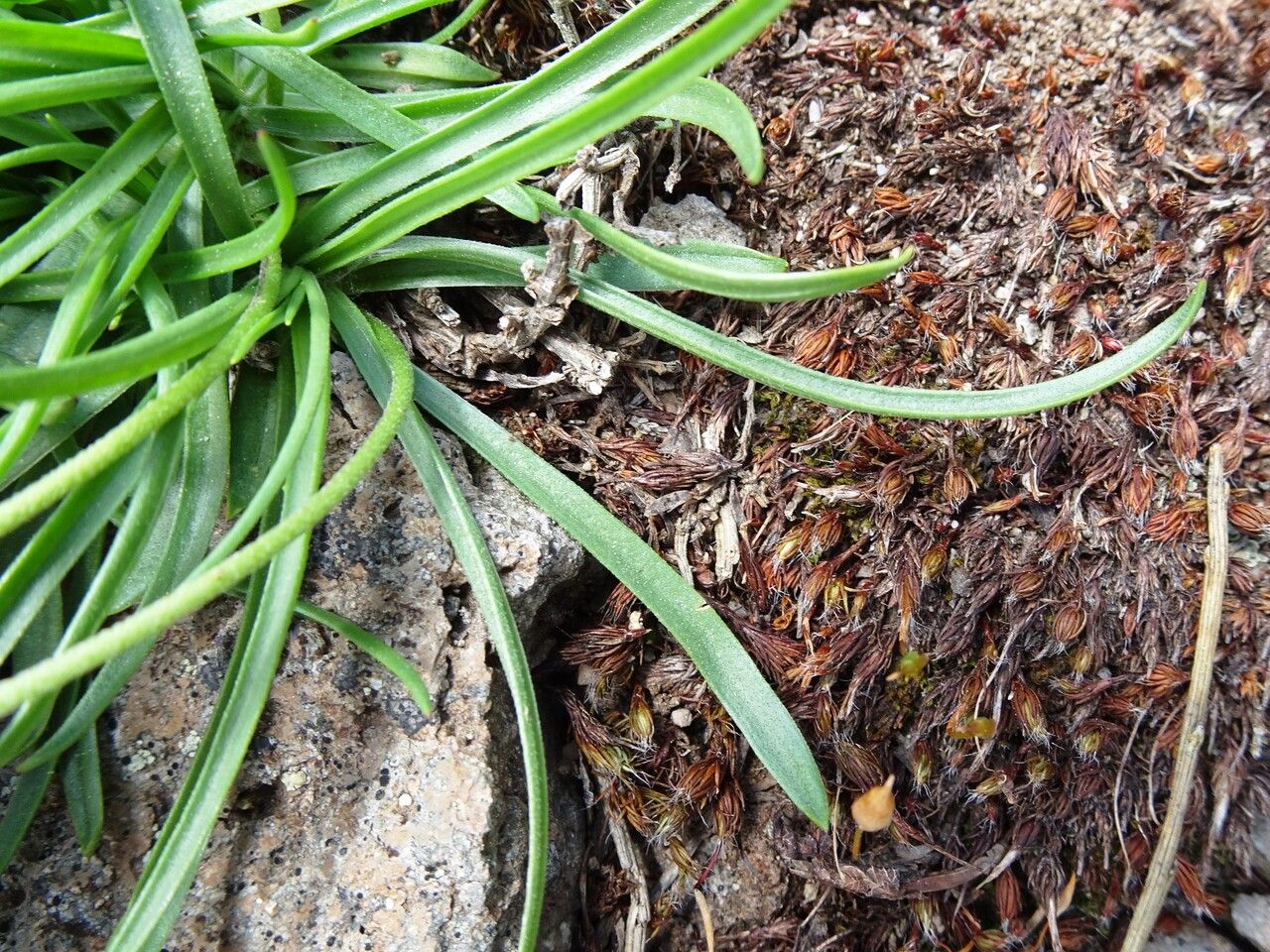
Plantago crassifolia, commonly known as thick-leaved plantain, is a perennial herbaceous plant belonging to the Plantaginaceae family. Native to the western United States, it thrives in arid and semi-arid regions. The plant forms a rosette of thick, fleshy leaves that are oval-shaped and can grow up to 10 cm long. These leaves are covered with fine hairs, which help protect them from water loss in dry conditions. The flowers of Plantago crassifolia grow on tall spikes that can reach up to 30 cm in height. The small, inconspicuous flowers have greenish-white petals and bloom from late spring through summer. Thick-leaved plantain has been used for medicinal purposes by Native American tribes for centuries, treating ailments such as wounds, coughs, colds, and digestive issues. The plant also serves as a food source for wildlife; deer feed on its leaves, while birds consume its seeds. Overall, Plantago crassifolia is an intriguing perennial herb with unique adaptations for arid environments. It provides medicinal benefits and plays important ecological roles within its habitat.
Shrubby plantain has strong resistance to disease and is generally unlikely to suffer from illnesses. Still, it can be affected by pests and diseases that exist nearby. These infections tend to be mild. Regarding care, the plant needs a moderate level of upkeep. It should be pruned on a regular basis to preserve a neat appearance and healthy development. Applying fertilizer can also encourage more flowering. Shrubby plantain is appropriate for anyone with outdoor areas like a garden or patio and does not demand extensive gardening experience. It may need extra attention if kept indoors.
How to keep Plantago Crassifolia.
Light
Shrubby plantain comes from bright, open habitats and does best in full sun. It can tolerate partial shade but prefers direct sunlight for optimal growth. This plant, which can be annual or biennial, is noted for its sun-loving habits.
Water
The thick-leaved plantain is well-suited for arid regions due to its exceptional drought tolerance, achieved by storing water in its thick leaves. While it only needs to be watered once a week, it should be planted in well-drained soil to avoid root rot. As an evergreen herb, it maintains an effective balance between hydration and dryness.
Temperature
Shrubby plantain can tolerate a wide range of temperatures, but its distribution may still be restricted by different combinations of moisture and heat. It does best in warm summer climates with sufficient rainfall or watering. Extended periods of cloudy, rainy weather and prolonged high temperatures can raise the chance of Shrubby plantain dying. In winter, protecting the plant from cold can increase its survival rate.
Fertilizer
Shrubby plantain benefits from regular, mild fertilizer applications to encourage healthy leaf development. Fertilize Shrubby plantain about once a month throughout the summer. Nitrogen is essential for the foliage, and providing nitrogen-rich fertilizer helps Shrubby plantain do well.
Pruning
Thick-leaved plantain has sturdy, robust leaves and easily adapts to different soil conditions. Pruning in early spring is crucial for removing dead or damaged leaves, encouraging new growth, and maintaining the plant's shape. This practice not only improves the plant's appearance but also reduces the risk of disease by preventing overcrowding.
Botanical profile.
- Plant Type
- Herb
- Life Cycle
- Annual
- Genus
- Plantago
- Family
- Plantaginaceae
- Hardiness Zone
- 5-9
- Mature Height
- 20 cm to 30 cm
- Mature Spread
- 30 cm to 40 cm
- Leaf Color
- Gray, Dark Gray
- Leaf Type
- Evergreen
- Flower Color
- White
- Flower Size
- 0.25 cm to 0.51 cm
- Bloom Time
- Summer
- Planting Time
- Spring, Summer
- Harvest Time
- Late summer, Early fall, Mid fall
- Native Area
- Portugal, Italy, Spain, Croatia, France
Other names.
Reader questions.
How should I water my Thick-leaved plantain to make it thrive the most?
To properly water the Thick-leaved plantain, it is best to use filtered water at room temperature. Tap water may contain harmful particles that can affect the plant's health. It is important to avoid using cold water as the plant is accustomed to warmer conditions and cold water can be a shock to its system. Additionally, overhead watering should be avoided as it can cause problems with the foliage. Instead, pour the filtered room temperature water directly onto the soil until it is fully soaked. This method benefits the plant by moisturizing the roots and allowing them to spread throughout the soil to gather the necessary nutrients.
What are the sun requirements for Thick-leaved plantain?
Thick-leaved plantain, botanically known as Plantago crassifolia, thrives best in conditions where it can receive full sun, which is defined as over 6 hours of sunlight per day. However, it can also tolerate partial sun conditions, amounting to about 3-6 hours of sunlight daily. Observing how sunlight moves through your garden is crucial for placing your plants in spots that offer a harmonious balance of light and shade, thus ensuring the plants' well-being.
What should I do if I give my Thick-leaved plantain plant too much or too little water?
Overwatering is a common issue that can harm your Thick-leaved plantain. It causes the leaves and stems to wilt and turn yellow, and over time, it can lead to root rot, mold, and mildew, which can be fatal to your plant. Underwatering is less common, as this plant can tolerate drought. However, if it happens, you'll notice that the leaves become brittle and brown. It's important to recognize the signs of overwatering early on, as some of the resulting diseases are irreversible if not addressed promptly. If you see signs of overwatering, reduce your watering and check if the soil drains well. Replace it if necessary with a loose, well-draining potting mix. If your plant shows signs of underwatering, simply water it regularly until the signs improve.
Why is artificial lighting important for indoor plants?
Artificial lighting is essential for indoor plants, including the Thick-leaved plantain, especially when natural sunlight is insufficient, such as in winter or in less sunny spaces. It promotes faster and healthier growth by providing the necessary wavelengths of light. LED lights are recommended for their ability to be customized to specific plant needs. For full sun plants, 30-50W/sq ft is needed; partial sun plants require 20-30W/sq ft; and full shade plants need 10-20W/sq ft. It's important to position the light source 12-36 inches above the plant and mimic natural daylight hours, typically providing 8-12 hours of light per day.
How often should I give water to my Thick-leaved plantain?
If your Thick-leaved plantain is in a pot, the most precise way to know if it needs water is to check the soil by sticking your finger in it. If the top two to three inches of soil feel dry, it's time to water it. If you have your Thick-leaved plantain planted outdoors in the ground, you can use the same method to check the soil. Again, if the top few inches of soil are dry, you should water it. Usually, you'll need to water this plant once a week during spring and early fall. However, during extremely hot weather, you may need to water it twice a week or more. It's worth mentioning that mature and well-established Thick-leaved plantains are quite resilient and can tolerate drought.
What are the symptoms of light deficiency in Thick-leaved plantain?
When Thick-leaved plantain is subjected to inadequate lighting, several symptoms may manifest, including smaller new leaves, leggy or sparse growth, premature leaf drop, slower or halted growth, lighter-colored or irregularly patterned new leaves, and conditions such as chlorosis, sunscald, leaf curling, wilting, and leaf scorching. These symptoms indicate the plant's struggle to adapt to poor light conditions, affecting its growth and overall health.
How much water does my Thick-leaved plantain plant require?
To properly water your Thick-leaved plantain, it's important to be generous and thorough. Wait until the top two to three inches of soil are dry, and then give the plant a deep watering, ensuring that the soil becomes completely saturated. Make sure you add enough water that the excess drains out through the pot's drainage holes. If you don't see any excess water draining, you may not have given enough water. However, be cautious not to let water accumulate in the soil, as this can harm the plant. Additionally, if there is no drainage despite adequate watering, it could mean that the soil doesn't drain well, which is not ideal for the plant's health. If the plant is outside, one inch of rain per week should be enough.
How can you address light deficiency problems in Thick-leaved plantain?
To address light deficiency in Thick-leaved plantain, a gradual adjustment to brighter conditions is recommended. For indoor plants, move them to sunnier spots or use artificial lighting, such as plant grow lights, for at least 8 hours a day. Outdoor plants should be relocated to areas with more sunlight gradually to prevent sunburn. It's also helpful to prune any obstructions that block sunlight and, if necessary, transplant smaller plants to sunnier locations during their dormant periods for better light exposure and healthier growth. Remember, parts of the plant affected by insufficient sunlight may not recover, but new growth will benefit from the increased light exposure.
How do I water my Thick-leaved plantain as it grows in different stages?
The water needs of the Thick-leaved plantain can vary depending on its growth stages. In the first few years or after transplanting, it requires more water as it focuses on developing new roots to support future growth. During this time, the roots perform best with slightly higher moisture levels. After a few seasons, the plantain requires less water. Additionally, during the bloom period, when the plant is producing flowers, it may need more water as flower development utilizes a significant amount of moisture.
How do I water my Thick-leaved plantain during different seasons?
The Thick-leaved plantain has high water needs during the hottest months, especially in the summer. Depending on how quickly the soil dries, you may need to water the plant more than once per week. On the other hand, during winter, the plant enters a dormant phase and requires much less water. In fact, you may not need to water it at all during this time. However, if you choose to water it during winter, ensure that you do so no more than once per month to avoid the risk of disease.
How is watering my Thick-leaved plantain different when it's inside versus outside?
For gardeners who don't live in temperate or tropical regions, growing the Thick-leaved plantain indoors is the most common approach. However, it's important to consider that soil in a container dries out faster than ground soil. Additionally, if there are drying elements like air conditioning units present, your Thick-leaved plantain may need more frequent watering compared to if it were planted outside. In such cases, watering your Thick-leaved plantain outdoors may not be necessary, especially if you receive regular rainfall that can keep the plant alive. Conversely, if you choose to grow this plant indoors, you will need to water it more often, as you won't have the option of relying on rainwater to soak the soil.