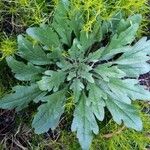
Plantago virginica
Hoary plantain · Pale-seed plantain · Virginia plantain · Virginian Plantain · Dwarf plantain
Description
Source: leafsnapPlantago virginica, common names hoary plantain and Virginia plantain, is a species of plant native to North America and introduced in Asia. It is listed as a special concern in Connecticut. The Kiowa use it to make garlands or wreaths for old men to wear around their heads during ceremonial dances as a symbol of health. It is commonly found within the continental United States in the majority of states along coastal areas and on roads, though has become an invasive species to eastern China after its introduction c. 1980. It is an annual plant, blooming around the month of May.
🎭 Recovery, Defense, Power
Care Guide
💧 Water
The Virginia plantain, which comes from environments with balanced moisture, prefers moderate watering and can tolerate brief periods of drought. It is best to water it once a week. Usually grown outdoors, this plant thrives in climates where the natural rainfall matches its growth cycles, ensuring it receives the necessary hydration throughout the changing seasons.
How should I water my Virginia plantain plant in the best way?
To water Virginia plantain, you have several options for watering tools such as a garden hose with a spray nozzle or a watering can. It doesn't really matter what kind of water you use - rainwater, tap water, or filtered water will all work just fine. However, it's generally recommended to avoid watering from overhead as it can damage the leaves and flowers and increase the risk of disease. A drip irrigation system is often a good choice for watering this plant as it ensures even and direct watering to the soil. If you have a container-grown Virginia plantain, you can follow a similar approach but use a cup, watering can, or tap to water directly into the soil.
What should I do if I give too much or too little water to my Virginia plantain?
Underwatering Virginia plantain is easily addressed by increasing the frequency of watering when you observe that the plant is lacking moisture. On the other hand, overwatering can be more problematic, potentially leading to diseases and the decline or death of the plant. To prevent this, it is important to choose an appropriate location for growing the plant, one that receives ample sunlight to dry out the soil and has good drainage to prevent water from pooling. If your overwatered Virginia plantain is in a pot, you may need to transfer it to a new pot with better soil drainage and sufficient drainage holes. When repotting, ensure that the soil is loose and the pot allows efficient drainage.
How often do I need to water my Virginia plantain?
Virginia plantain requires regular watering throughout the growing season. In spring, water this plant about once per week. As the season gets warmer, increase watering to two to three times per week. However, be careful not to exceed this rate, as it can harm the plantain. It's important to keep the soil relatively moist but not soaked, regardless of how often you water. When it comes to Virginia plantain in a pot, the watering needs are a bit different. Potted plants tend to dry out faster, so water them a few times per week compared to once per week for a plant in the ground.
How much water does my Virginia plant need?
Determining the appropriate amount of water for your Virginia plantain can be done in a few ways. One method is to feel the soil to determine its moisture level. If the top six inches of soil are dry, it's suggested to water until they become moist. Another approach is to use a set measurement. Typically, giving your Virginia plantain about two gallons of water per week is recommended, depending on the temperature and how quickly the soil dries up. However, it's important to avoid overwatering if your plant doesn't require that much water. For container-grown Virginia plantain, a different method is needed. In this case, you should moisten all the dry layers of soil by either using your finger to test for moisture or by watering until a slight trickle of excess water comes out of the pot's drainage holes.
How can I know if I am giving enough water to my Virginia plantain?
Avoiding overwatering your Virginia plantain can be a bit challenging due to a few reasons. Firstly, these plants have deep roots that need weekly moisture. However, they are also highly prone to root rot and can suffer from browning if overwatered. On the other hand, underwatering is less of a concern as Virginia plantain can survive without frequent watering. However, if you neglect to water it for a long time, the plant will likely start to wilt and its leaves may become dry.
☀️ Light Full sun
Virginia plantain thrives with abundant sunlight. Plenty of sun is required for its healthy growth and development. Nevertheless, excessive light can be damaging. It is adapted to sun-filled conditions at every stage of its growth.
What are the sunlight requirements for Virginia plantain?
Virginia plantain requires more than 6 hours of sunlight daily to thrive, indicating its need for full sun exposure. It's essential to observe the movement of sunlight through your garden to select an area that offers a balance of light and shade suitable for the plant. This careful placement ensures the plant's healthy growth while avoiding potential harm from excessive light exposure.
How does Virginia plantain respond to different lighting conditions?
Virginia plantain flourishes under substantial exposure to sunlight and requires copious amounts of sunlight for its growth and development at all stages. However, it's crucial to avoid excessive sunlight as it can be detrimental. In indoor settings or areas with insufficient natural light, using artificial lighting can be beneficial. Indoor plants grow better with adequate light, and in the absence of natural sunlight, artificial lights such as LED lights can be utilized. These should be selected and positioned carefully to mimic natural sunlight, ensuring the plant receives the right amount and intensity of light for optimal growth.
What symptoms indicate Virginia plantain is getting inadequate light?
When Virginia plantain receives inadequate light, several symptoms may become apparent, including smaller new leaves, leggy or sparse growth, faster leaf drop, slower or halted new growth, lighter-colored new leaves, and symptoms of chlorosis, sunscald, leaf curling, wilting, and leaf scorching. These symptoms highlight the plant's struggle with insufficient light, ranging from reduced growth and weakened structure to issues with photosynthesis and hydration.
How can you address and improve the light conditions for Virginia plantain?
To improve light conditions for Virginia plantain, whether indoors or outdoors, gradually moving the plant to sunnier spots each week can help it adapt and receive the needed sunlight exposure. For indoor plants that can't be easily moved, consider using artificial lighting to supplement natural sunlight, ensuring the plant gets at least 6 hours of direct sunlight or equivalent artificial light daily. For outdoor plants, it's also crucial to minimize obstructions by pruning trees and relocating plants to sunnier locations. Remember, parts of the plant that have suffered from inadequate light may not recover, but new growth should be healthy with improved light conditions.
🌡️ Temperature 10–37.8°C
Virginia plantain can tolerate a wide range of temperatures, but its distribution may still be restricted by different combinations of moisture and heat. It does best in warm summer climates with sufficient rainfall or watering. Extended periods of cloudy, rainy weather or prolonged high temperatures can raise the likelihood of Virginia plantain dying. In winter, adequate protection from cold can increase the plant's chances of survival.
💨 Humidity
🪴 Soil 5-7
🌱 Fertilizer
Virginia plantain does well with regular, dilute fertilizer applications to encourage healthy leaf development. Apply fertilizer to Virginia plantain roughly once a month during the summer. Nitrogen is important for foliage, and providing nitrogen-rich amendments helps Virginia plantain prosper.
🪴 Pot & Repot
✂️ Pruning
🌿 Propagating
🐛 Diseases & pets
☠️ Toxicity
Characteristics
- Plant Type
- Herb
- Life Cycle
- Annual, Biennial
- Genus
- Plantago
- Family
- Plantaginaceae
- Hardiness Zone
- 3-9
- Mature Height
- 0 cm to 2 cm
- Mature Spread
- 8 cm to 30 cm
- Leaf Color
- Green
- Leaf Type
- Evergreen
- Flower Color
- White, Yellow, Green, Brown
- Flower Size
- 0.15 cm to 0.23 cm
- Bloom Time
- Late spring, Early summer, Mid summer
- Planting Time
- Summer, Autumn
- Harvest Time
- Early summer, Mid summer
- Native Area
- Mexico