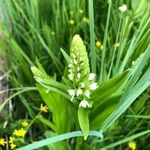
Platanthera dilatata
Boreal Bog Orchid · Scentbottle · White Bog Orchid · Tall White Bog Orchid · Bog Candles
Description
Source: leafsnapPlatanthera dilatata, known as tall white bog orchid, bog candle, or boreal bog orchid is a species of orchid, a flowering plant in the family Orchidaceae, native to North America. It was first formally described in 1813 by Frederick Traugott Pursh as Orchis dilatata.It is sometimes called fragrant white bog orchid or scentbottle, for the smell of its flowers, described as intensely spicy or clove-like.In the Midwest and northeastern United States and Canada, it grows in cold, calcareous fens, cedar and tamarack swamps, meadows, and marshes, typically in sunny spots.
Care Guide
💧 Water
Scentbottle thrives in humid environments, where it can retain water while balancing hydration with drought tolerance. To maintain optimal moisture levels, it's best to water it weekly. When grown outdoors in cooler climates, the plant benefits from the consistent natural moisture provided by dew and rainfall during its active growth periods.
☀️ Light Full sun
Scentbottle grows best when exposed to substantial daylight. While it can tolerate reduced light, its healthiest growth occurs with abundant sun. During different stages of its life cycle, consistent sun exposure supports better development. However, insufficient or excessive sunlight can harm the plant. It comes from habitats with plentiful sunshine.
What are the sunlight requirements for Scentbottle plants?
Scentbottle plants require considerable daylight for optimal growth, with the healthiest growth observed under full sun conditions, meaning above 6 hours of sunlight per day. They can tolerate partial sun, about 3-6 hours of sunlight, but for them to thrive and reach their full potential, plentiful solar exposure is essential throughout their life cycle. However, it's important to watch how sunlight moves through your garden and choose spots that offer a balance of light and shade to ensure the plants' happiness, as too little or too much sunlight can harm the plant.
How can artificial lighting benefit Scentbottle plants indoors?
Indoor Scentbottle plants require adequate lighting to grow optimally, especially in conditions where natural sunlight is insufficient, like during winter or in less sunny spaces. Artificial lighting serves as a crucial alternative, promoting faster and healthier growth. LED lights are recommended for their ability to provide specific wavelengths needed by plants. The intensity of light (30-50W/sq ft for full sun plants, 20-30W/sq ft for partial sun, and 10-20W/sq ft for full shade plants), the distance of the light source (12-36 inches above the plant), and duration (mimicking natural daylight hours, often 8-12 hours per day) should be adjusted to suit the needs of the Scentbottle plant for its best growth indoors.
What are the symptoms of inappropriate sunlight exposure in Scentbottle plants?
Scentbottle plants display several symptoms when they receive inappropriate amounts of sunlight. Insufficient light can lead to small leaves, leggy or sparse growth, faster leaf drop, slower or halted growth, and lighter-colored or pale new leaves. Overexposure to sunlight can cause chlorosis (yellowing of leaves), sunscald (damaged leaves or stems from intense sunlight), leaf curling as a defense mechanism against sunlight, wilting from increased water loss, and leaf scorching with brown, dry edges. Recognizing these symptoms is crucial for adjusting the plant's exposure to light.
What solutions are available for managing sunlight exposure for Scentbottle plants?
To manage sunlight exposure for Scentbottle plants, gradual adaptation to sunlight is recommended. For indoor plants, move them weekly to sunnier locations until they get at least 6 hours of direct sunlight daily, using a south-facing window for maximum exposure. Artificial light sources like desk or ceiling lamps, or professional plant grow lights, can supplement light for at least 8 hours daily. Outdoors, plants should be moved gradually to avoid shock. Minimizing obstructions like pruning trees that block sunlight, or transplanting smaller plants to sunnier locations, can also help. It's important to note that while parts of the plant damaged by insufficient sunlight may not recover, new growth will be healthy after adjusting light exposure.
🌡️ Temperature 0–32.2°C
Scentbottle can adapt to a wide range of temperatures, though its distribution may still be restricted by various combinations of moisture and heat. It does best in warm summer climates with sufficient rainfall or watering. Extended periods of cloudy, rainy weather or sustained high temperatures can raise the chance that Scentbottle will die. In winter, adequate protection from cold can increase the plant's survival rate.
What is Scentbottle?
Scentbottle, scientifically known as Platanthera dilatata, is a plant recognized by its distinctive botanic name. However, specific details regarding its characteristics, care, or benefits were not provided in the initial information.
💨 Humidity
🪴 Soil 5-6
🌱 Fertilizer
Scentbottle's primary time to apply fertilizer is in early spring, when buds are developing. Using the appropriate fertilizer promotes stronger blooms and helps Scentbottle produce attractive flowers. Fertilizing at that early-spring time ensures excellent flowering throughout the season and supplies energy for dormant phases of growth.
🪴 Pot & Repot
✂️ Pruning
The Scentbottle plant produces fragrant white flowers and is best pruned from early to late spring. To encourage healthy growth, enhance blooming, and improve air circulation, trim away dead or damaged stems and remove excessive growth. Always use clean, sharp tools to prevent infection.
🌿 Propagating
🐛 Diseases & pets
☠️ Toxicity
Characteristics
- Plant Type
- Herb
- Life Cycle
- Perennial
- Genus
- Platanthera
- Family
- Orchidaceae
- Hardiness Zone
- 3-7
- Mature Height
- 0.11 m to 1.22 m
- Mature Spread
- 10 cm to 20 cm
- Leaf Color
- Green, Blue
- Leaf Type
- Deciduous
- Flower Color
- White
- Flower Size
- 2.54 cm
- Bloom Time
- Early summer, Mid summer
- Planting Time
- Spring
- Harvest Time
- Late summer, Early fall