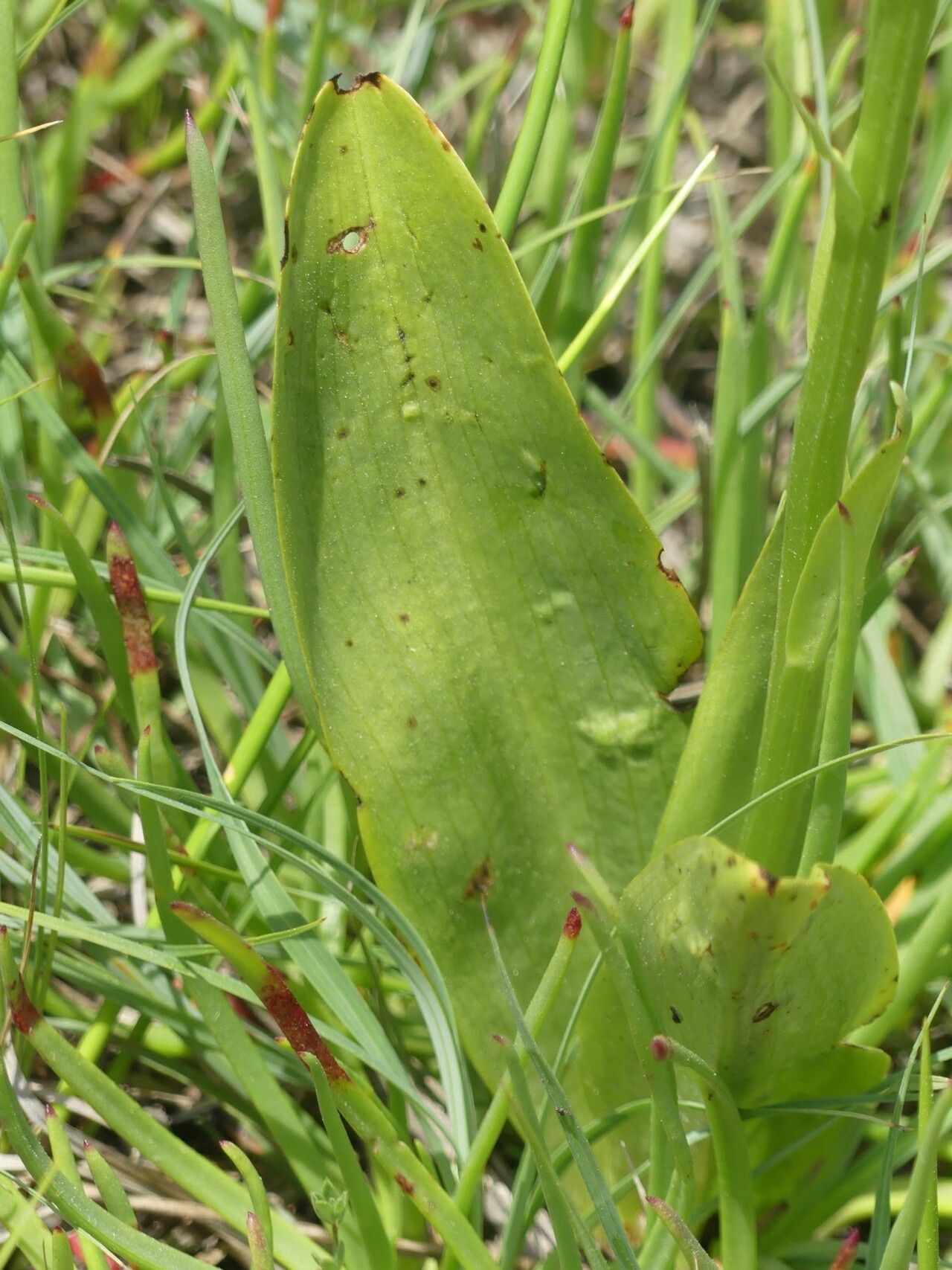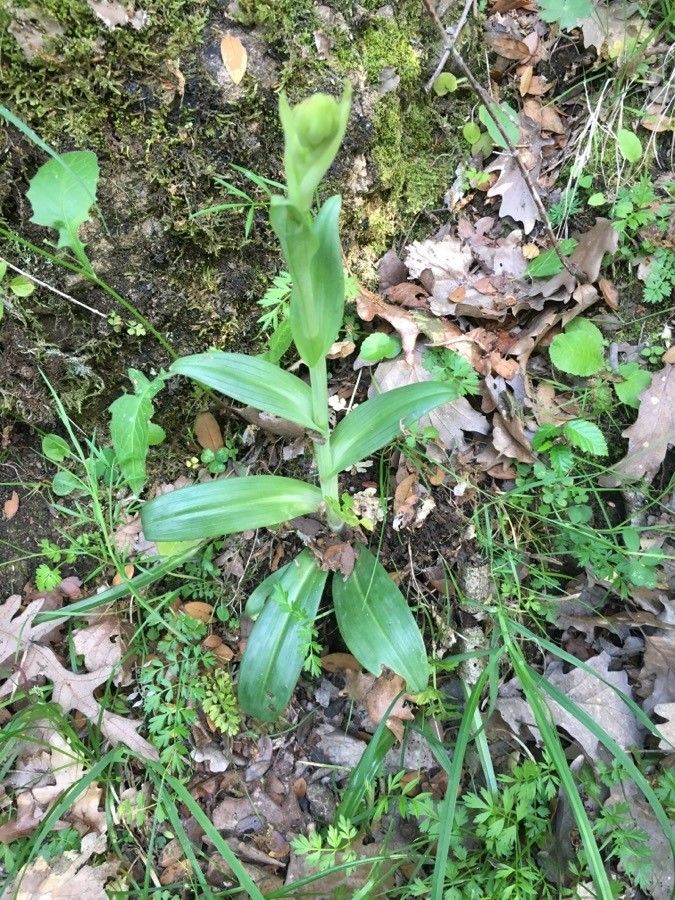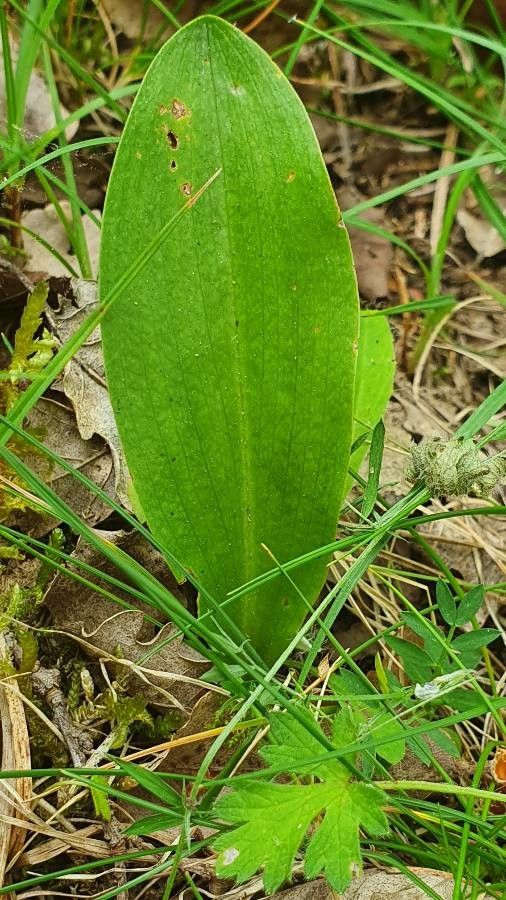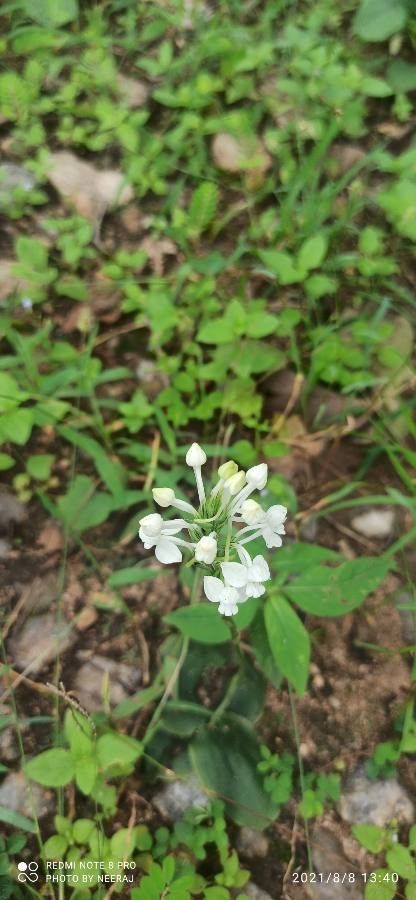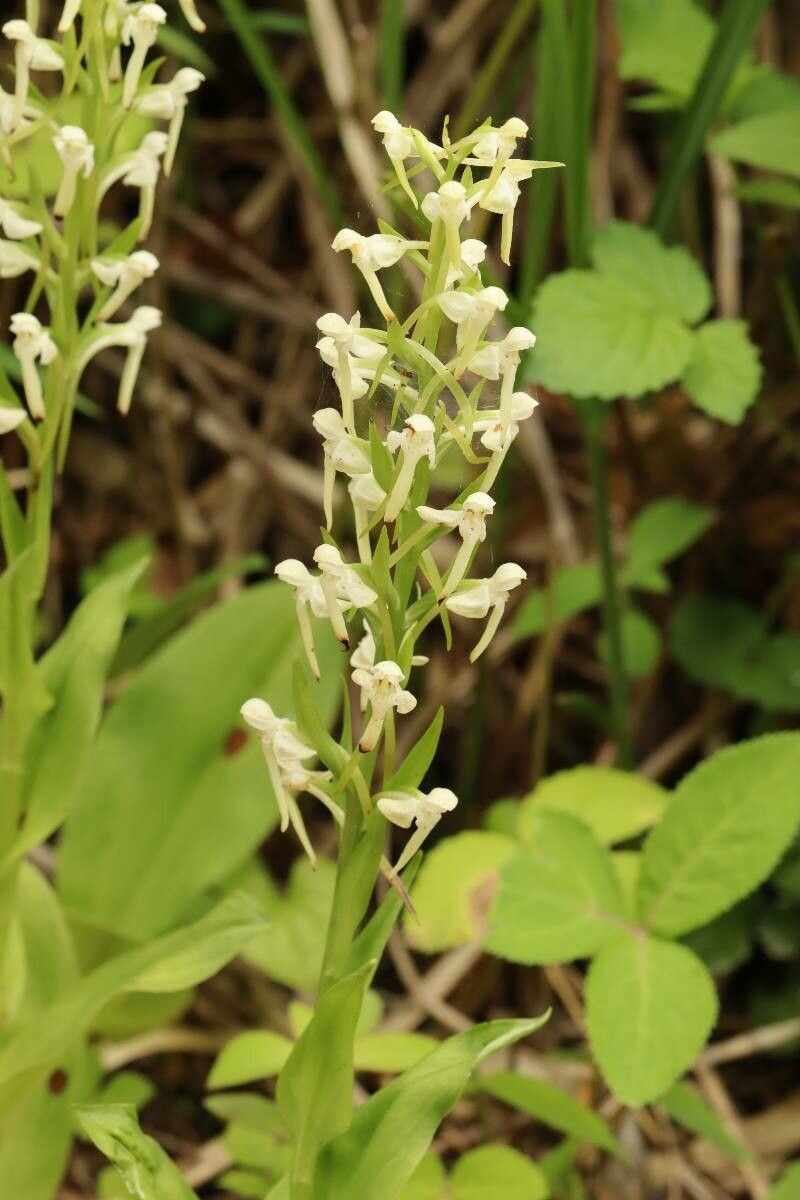
The Fringed orchid typically shows strong disease resistance and attracts relatively few insect pests. It is regarded as difficult to care for because it needs high humidity combined with good ventilation and an environment with few harmful pathogens. Overwatering can cause the roots to rot. While anyone can grow the Fringed orchid, keeping it healthy and getting it to bloom again requires more horticultural experience.
How to keep Platanthera Japonica.
Light
The fringed orchid is indigenous to habitats like forest undergrowth or stony regions, where it naturally encounters shade. It is most comfortable under partial sun exposure though it can adjust to both full sunlight and full shade, embodying its robust and adaptable characteristics.
Water
Fringed orchids naturally flourish in moist environments, thriving in high humidity and consistent moisture. To keep them healthy, they require weekly watering. When grown indoors, these orchids benefit from periodic misting to mimic tropical conditions, which encourages lush growth and vibrant blossoms.
Temperature
Fringed orchid possesses the capability to acclimate to various temperature situations, yet its dispersion could still be impeded by diverse combinations of heat and moisture states. It flourishes optimally in temperate climates during the summer, provided there's sufficient rainfall or irrigation. Extended bouts of overcast and wet weather, along with prolonged elevated temperatures, can heighten the probability of Fringed orchid perishing. During winter, appropriate safeguarding from the cold can enhance the likelihood of the plant's survival.
Fertilizer
The primary fertilization period for Fringed orchid is during the early spring, when the flowers are in the process of developing. The appropriate fertilizer not only promotes superior blossoms but also assists the Fringed orchid in generating beautiful flowers. Fertilizing at the start of spring guarantees outstanding blooms throughout the season and supplies energy for inactive growth stages.
Pruning
The fringed orchid, with its graceful fringed petals, thrives in moist, shady areas. To promote growth, prune the plant from early to late spring after it has finished blooming. Remove dead stems and spent flowers, but take care to avoid damaging any healthy foliage. Regular pruning enhances flower production and boosts the plant's overall vitality, ensuring lush displays in the coming seasons.
Botanical profile.
- Plant Type
- Herb
- Life Cycle
- Perennial
- Genus
- Platanthera
- Family
- Orchidaceae
- Hardiness Zone
- 5-9
- Mature Height
- 61 cm
- Mature Spread
- 20 cm to 30 cm
- Leaf Color
- Green
- Leaf Type
- Deciduous
- Flower Color
- White
- Flower Size
- 10.16 cm to 17.78 cm
- Bloom Time
- Early summer, Mid summer
- Planting Time
- Spring, Summer, Autumn
- Harvest Time
- Late summer, Early fall
- Native Area
- South Korea, Japan, China