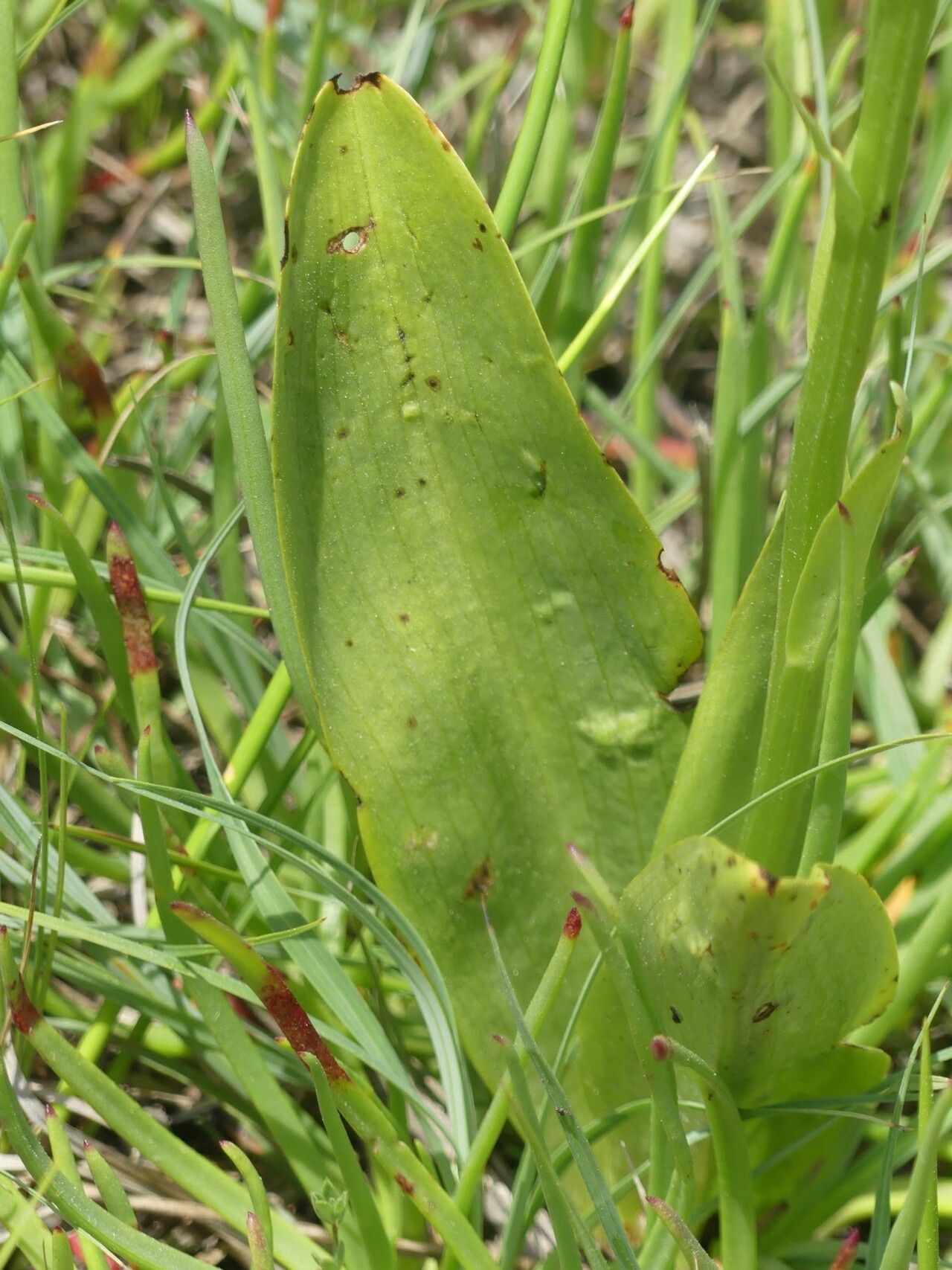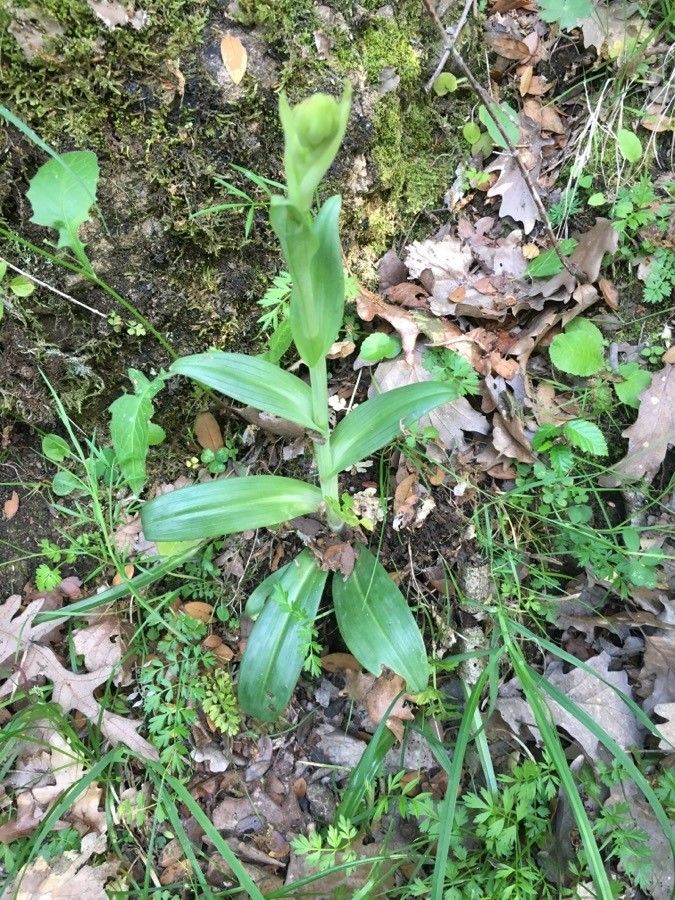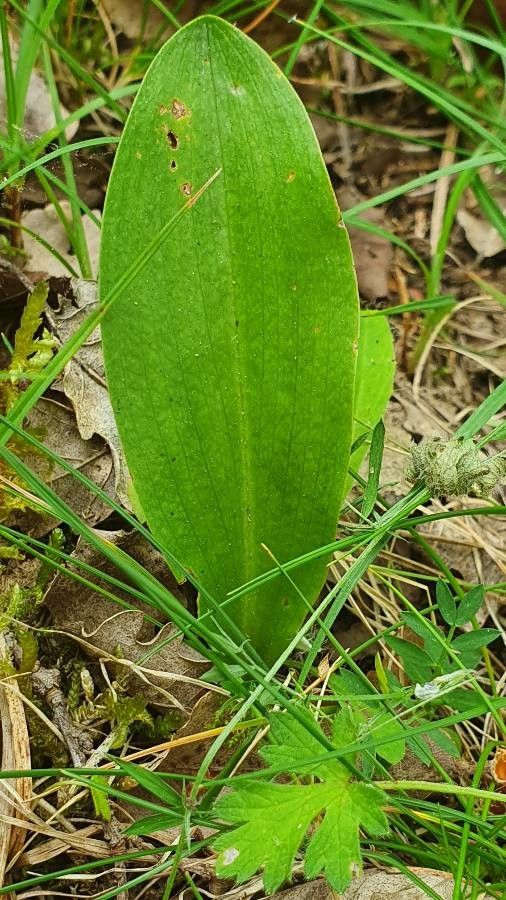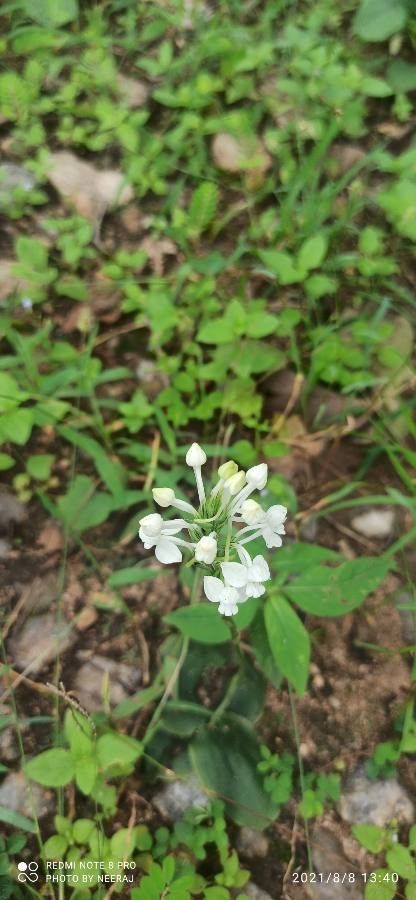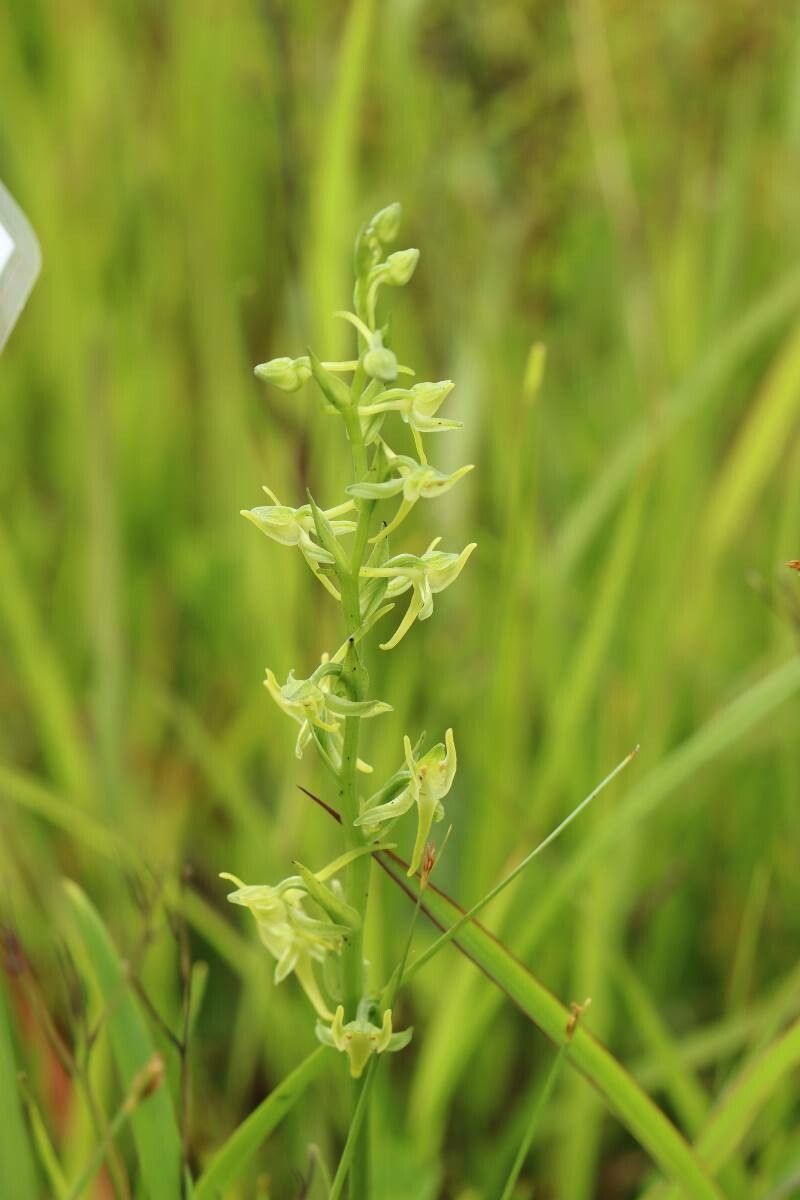
Flying dragonfly orchid generally has strong resistance to disease and relatively few insect pests. Its care is regarded as difficult because it needs a high-humidity yet well-ventilated environment with minimal harmful pathogens. Too much watering can cause root rot. Although anyone can grow the Flying dragonfly orchid, maintaining its health and getting it to flower again demands more cultivation experience.
How to keep Platanthera Minor.
Light
The dragonfly orchid, which is originally found in places like understories of forests or rocky terrains where it naturally avails of shading, typically favours semi-sunlit conditions. However, its resilient and adaptable character allows it to adjust to both fully sunny and completely shady conditions.
Water
The flying dragonfly orchid thrives in high-humidity environments and requires consistent moisture with weekly watering. Although it can tolerate brief periods of dryness, increasing humidity with pebble trays or misting is beneficial. This simulates the orchid's natural moist habitat found in rain-drenched forests.
Temperature
The orchid known as the flying dragonfly naturally grows in climates that are temperate. Its optimal temperature for growth is between 59 and 90°F (15 to 32℃). In winter months, the temperature should not fall below 15℃ (59°F) to ensure the plant's health is not compromised.
Fertilizer
The perfect moment to feed a Flying dragonfly orchid is at the start of spring, as it transitions out of dormancy and begins vigorous growth. Nourishing the plant affords crucial nutrient for its robust growth. Even though the fertilization requirements of a Flying dragonfly orchid are not particularly high, administering fertilizers yearly can boost its longevity and foster superior, more enduring blooms.
Pruning
The flying dragonfly orchid is known for its delicate, dragonfly-like flowers. For optimal growth, prune the plant from early to late spring. Focus on removing dead or overcrowded stems to improve air circulation. Always use sterilized tools to prevent disease, which will also enhance the plant's vitality, shape, and the production of robust blooms. For detailed care instructions tailored to your area, consult local guides.
Botanical profile.
- Plant Type
- Herb
- Life Cycle
- Perennial
- Genus
- Platanthera
- Family
- Orchidaceae
- Hardiness Zone
- 7
- Mature Height
- 61 cm
- Mature Spread
- 5 cm to 10 cm
- Leaf Color
- Green
- Leaf Type
- Deciduous
- Flower Color
- White
- Flower Size
- 10.16 cm to 17.78 cm
- Bloom Time
- Early summer, Mid summer
- Planting Time
- Spring, Autumn
- Harvest Time
- Late summer, Early fall
- Native Area
- South Korea, Japan, China