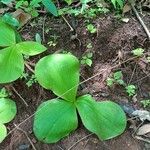
Platanthera orbiculata
Lesser Round-Leaf Orchid · Lesser roundleaved orchid · Dinner-Plate Orchid · Large Round-Leaf Orchid · Large Round-leaved Orchid
Description
Source: leafsnapPlatanthera orbiculata, the round leaved orchid or lesser roundleaved orchid, is a species of orchid native to forested areas of North America. It is widespread across most of Canada and parts of the United States (Alaska, New England, Appalachian Mountains, Great Lakes Region, Rocky Mountains, Black Hills and northern Cascades).
Care Guide
💧 Water
The lesser round-leaved orchid thrives in moist, humid environments such as forests and bogs, where it prefers high humidity and consistent moisture levels. To maintain its water balance, it requires weekly watering. Growing this orchid indoors in containers can help effectively manage its water needs.
How should I water my Lesser roundleaved orchid?
The method of watering your Lesser roundleaved orchid depends on whether it is in an active growth phase or not. During active growth, you should water the soil and occasionally spray water over the plant's leaves if the weather is warm. In contrast, during winter or cool and wet weather, focus on watering the soil directly and avoid overhead watering. You can tell if your orchid needs more water by checking if its roots and leaves are dry or discolored, while an orchid receiving too much water will appear mushy and limp. It is recommended to grow your orchid in a pot with excellent drainage. During the growing season, water your orchid multiple times per week, ensuring the water drains quickly to avoid standing water. The amount of water needed depends on the size of the pot, with larger pots requiring less frequent watering. For optimal results, use rainwater or distilled water that matches the temperature of the air as closely as possible.
What do I do if I give my Lesser roundleaved orchid too much or too little water?
One common way to kill your Lesser roundleaved orchid is by keeping the soil too moist for too long. These plants need frequent watering during active growth, but they also require a well-draining growing medium. Overwatering can cause the plant to become mushy and develop root rot. If this happens, you should use sterile pruning shears to remove any rotted roots and repot the orchid in a container with good drainage and fast-draining potting mix. However, excessive repotting is not recommended for this plant. It's important to find the right balance for watering. If the orchid is underwatered, it will shrivel and feel dry to the touch. In this case, increase the watering frequency as the soil may be drying out faster than expected.
How often do I need to water my Lesser roundleaved orchid?
During the active growth stage, which is in the spring and summer, water your Lesser roundleaved orchid once or twice a week. Increase watering to three times a week or more during hot and dry weather. In winter, water your orchid, but not as often. Two to three times a month should be enough during the coldest months. If you keep your orchid indoors during winter, be aware that indoor growing locations can cause the soil to dry out faster. You may need to water more frequently. Use the fall to gradually decrease watering from multiple times a week to your reduced winter schedule.
What do I need to think about when giving water to my Lesser roundleaved orchid during different seasons and stages of growth?
When planning the watering schedule for your Lesser roundleaved orchid, it is important to consider two key growth phases. The first phase is the active growth period which occurs in spring and summer. During this time, it is necessary to water the plant multiple times per week. The second phase is the rest period which lasts about two to three months in winter. During this period, the plant requires less water and fertilization. It is recommended to water the plant about once or twice per month. As fall approaches, gradually decrease the frequency of watering from multiple times per week to the appropriate once or twice per month rate for winter.
How should I water my Lesser roundleaved orchid if I keep it inside?
The Lesser roundleaved orchid likes humidity when it grows, but indoor locations usually don't have enough moisture. Because of this, the plant and its soil can dry out faster compared to growing outdoors. To fix this, you should consider adding a humidifier to the room where the orchid is growing and water it more often. However, it's important to note that while the orchid likes humidity, it also needs proper air circulation to avoid moisture buildup and potential diseases. So, it's a good idea to have a fan in the room to ensure there is enough air movement.
☀️ Light Partial sun
The lesser roundleaved orchid grows best in places with moderate sunlight, although full sun can be harmful. Its native habitat is forest floors, where it receives dappled light filtered through the tree canopy. Too much sun causes leaf scorching, while too little light can hinder growth and flowering.
What are the sunlight requirements for the Lesser Roundleaved Orchid?
The Lesser Roundleaved Orchid, or Platanthera orbiculata, thrives best in moderate sunlight exposure, requiring about 3-6 hours of sunlight daily. Originating from forest floors, this plant prefers the dappled sunlight typical of these environments. Both excessive sunlight and too little light can be harmful, leading to issues such as leaf scorching or inhibited growth and blooming, respectively. It is crucial to observe the sunlight's movement through your garden to find the ideal balance of light and shade to ensure the plant's wellbeing.
How can artificial lighting support the growth of the Lesser Roundleaved Orchid indoors?
Indoor Lesser Roundleaved Orchids can benefit significantly from artificial lighting, especially in conditions where natural sunlight is insufficient. Artificial lights, particularly LED lights, can be tailored to provide specific wavelengths needed by plants, supporting healthier and faster growth. The recommended artificial light intensity varies by plant type: 30-50W/sq ft for full sun plants, 20-30W/sq ft for partial sun plants, and 10-20W/sq ft for full shade plants. The light source should be placed 12-36 inches above the plant and be left on for 8-12 hours per day to mimic natural daylight conditions, promoting optimal growth.
What are the symptoms of insufficient light in Lesser Roundleaved Orchids?
When Lesser Roundleaved Orchids receive inadequate light, several symptoms may emerge, signaling distress. New leaves may appear smaller, and the plant can exhibit leggy growth or sparse foliage, ultimately leading to a weakened structure. Faster leaf drop might also occur as the plant conserves resources for new growth, potentially leading to halted growth. Leaf colors may lighten due to insufficient chlorophyll, and chlorosis, characterized by yellowing leaves, can develop. Furthermore, excessive sunlight may cause sunscald damage, leaf curling as a defense mechanism, wilting due to increased water loss, and leaf scorching, highlighting the need for ideal lighting conditions.
How can you adjust the lighting for the Lesser Roundleaved Orchid?
To optimize lighting for the Lesser Roundleaved Orchid, gradually shifting your indoor plant to sunnier spots or adjusting outdoor plants to better-lit areas weekly can help. For indoor plants that are large or hard to move, artificial lighting, such as desk lamps or professional grow lights left on for at least 8 hours daily, can supplement natural light. Outdoor plants should be moved gradually to avoid sunburn. If your plants are ground-based and in areas shaded by trees or other obstacles, consider pruning to improve sunlight access. Transplanting smaller plants to sunnier spots during their dormant periods can also enhance light exposure, ensuring new growth is healthy and vigorous.
🌡️ Temperature 0–32.2°C
Lesser roundleaved orchid is a native plant that does well at temperatures from 32 to 90 °F (0 to 32 °C). It prefers cooler weather, especially conditions that resemble its native forest environments. In hotter seasons, provide shading and sufficient moisture.
What are the ideal growing conditions for Lesser roundleaved orchid?
The Lesser roundleaved orchid (Platanthera orbiculata) prefers temperatures ranging from 32 to 90 °F (0 to 32 °C), thriving best in cooler weather that mimics its native forest environments. It's a plant that does well in the shade, especially during the hotter seasons, where it's important to ensure there is sufficient moisture. This orchid is highly cold-tolerant and doesn't require additional measures for frost protection. However, before the first freeze in autumn, it's beneficial to water the plant generously to keep the soil moist throughout the winter and early spring.
How does Lesser roundleaved orchid react to low temperatures?
The Lesser roundleaved orchid is extremely cold-tolerant, capable of withstanding winter temperatures above -40°C. Below this temperature, while it may not show immediate damage during the winter, there could be a noticeable decrease in the plant's ability to sprout or it might not sprout at all during the spring. If parts of the plant fail to sprout in the spring, it is recommended to remove these non-viable parts to encourage new growth.
What should I do if my Lesser roundleaved orchid suffers from high temperature stress?
Lesser roundleaved orchid struggles in temperatures above 32°C, leading to halted growth and increased susceptibility to rot. If the plant experiences high temperature stress, you should trim away any parts that are sunburned or dried up. Moving the plant to a shaded location or using a shade cloth can protect it from the harsh midday and afternoon sun. To assist in keeping the plant healthy, water it during the cooler parts of the day, such as in the morning and evening, ensuring the soil remains moist.
💨 Humidity
🪴 Soil 5-6
🌱 Fertilizer
The best time to fertilize a Lesser roundleaved orchid is in early spring, when it is coming out of dormancy and beginning active growth. Fertilization supplies essential nutrients needed for healthy development. Although the Lesser roundleaved orchid has relatively modest fertilization requirements, giving it fertilizer annually can improve its survival and encourage better, longer-lasting flowers.
🪴 Pot & Repot
✂️ Pruning
The lesser round-leaved orchid is characterized by its round leaves and white flowers, and it thrives in shaded woodlands. To promote new growth and prevent disease, it is important to prune this plant in early to late spring. When pruning, use clean tools to improve air circulation and light exposure, which will enhance the plant's overall health.
🌿 Propagating
🐛 Diseases & pets
☠️ Toxicity
Characteristics
- Plant Type
- Herb
- Life Cycle
- Perennial
- Genus
- Platanthera
- Family
- Orchidaceae
- Hardiness Zone
- 2-7
- Mature Height
- 30 cm to 61 cm
- Mature Spread
- 15 cm to 30 cm
- Leaf Color
- Green
- Leaf Type
- Evergreen, Deciduous
- Flower Color
- White
- Flower Size
- 2.54 cm
- Bloom Time
- Early summer, Mid summer
- Planting Time
- Spring, Summer
- Harvest Time
- Late summer, Early fall