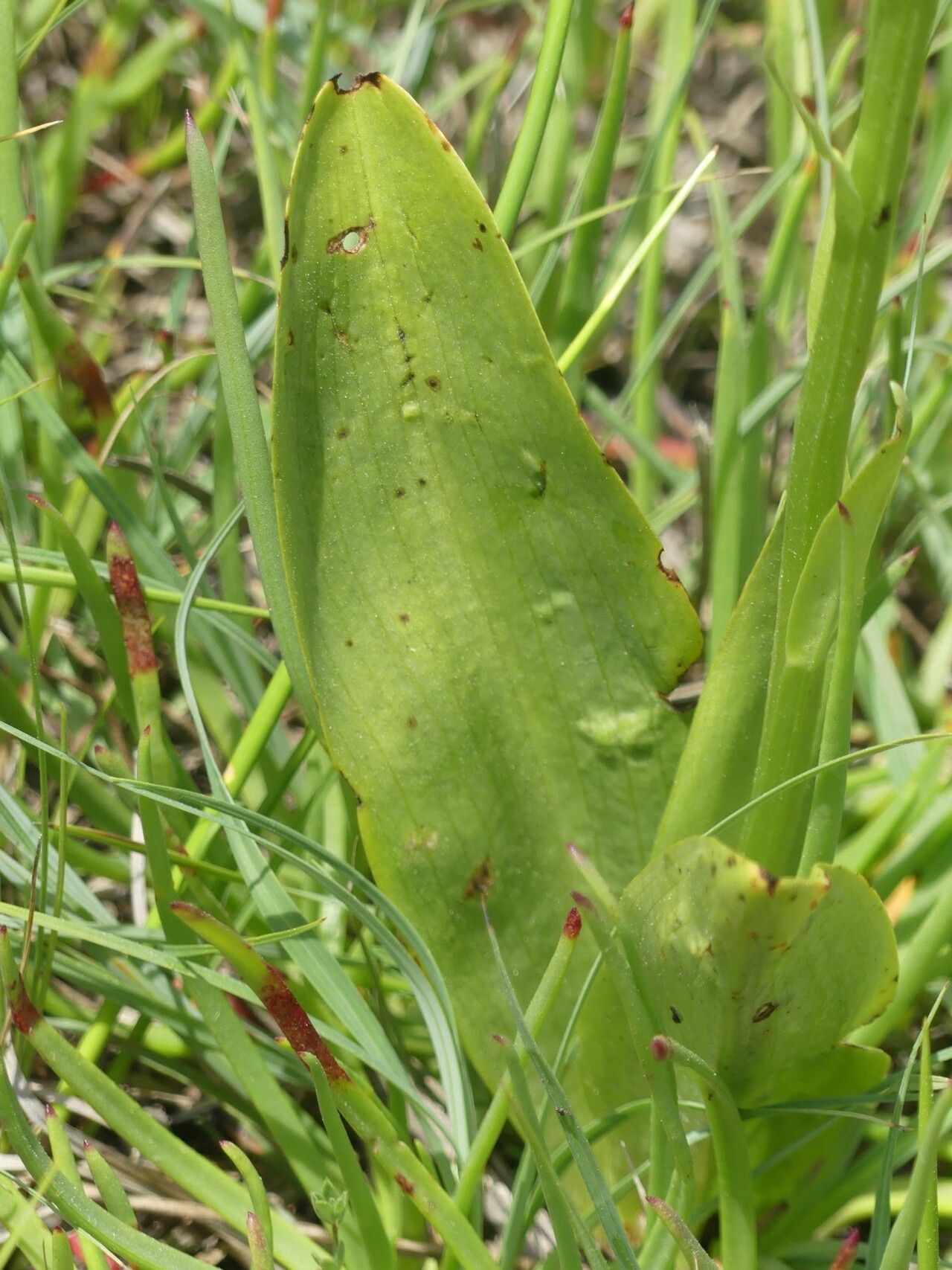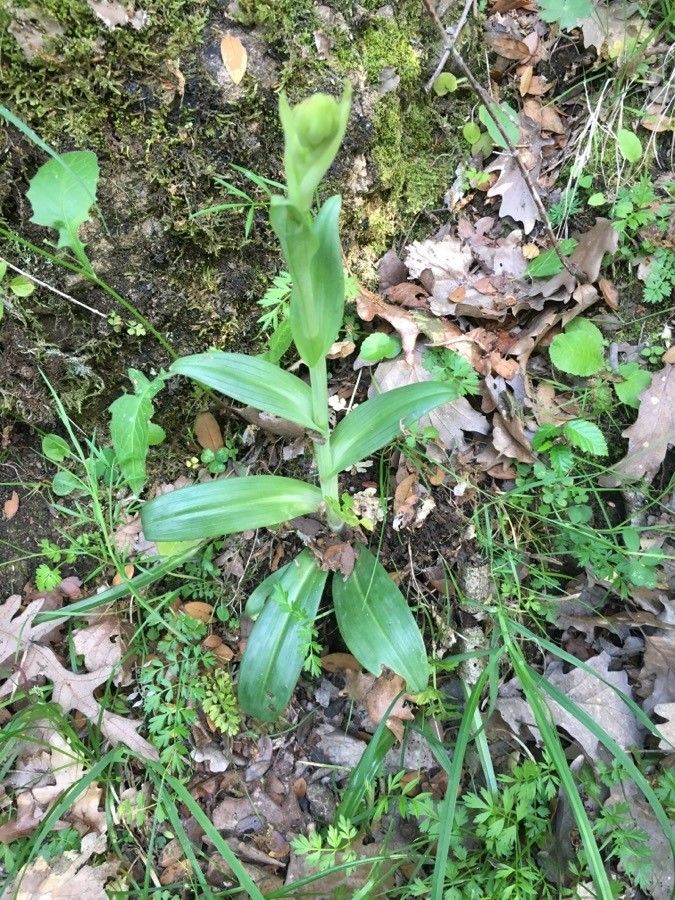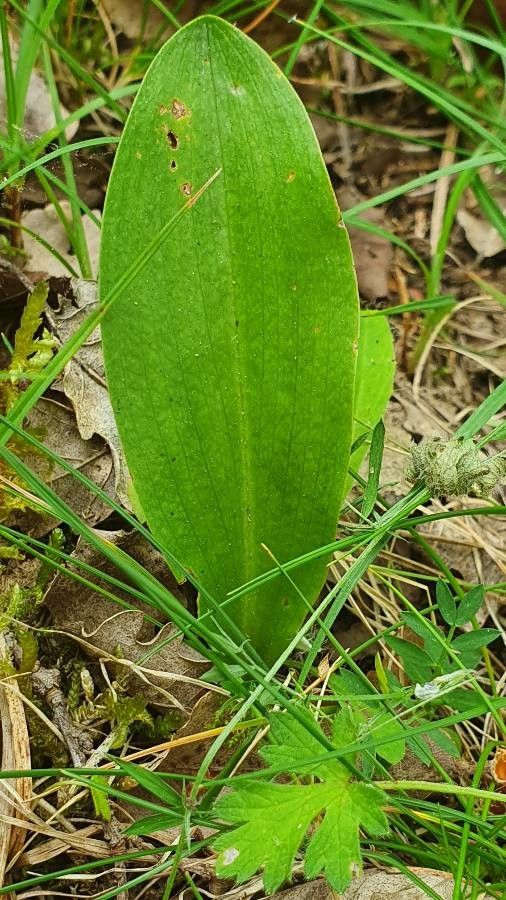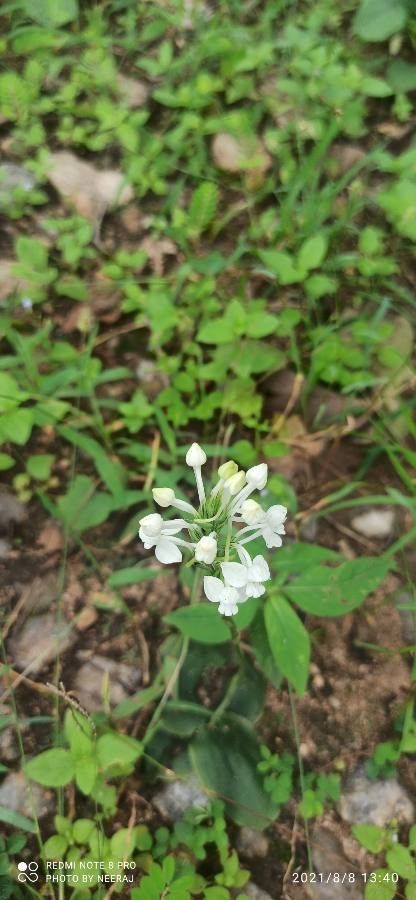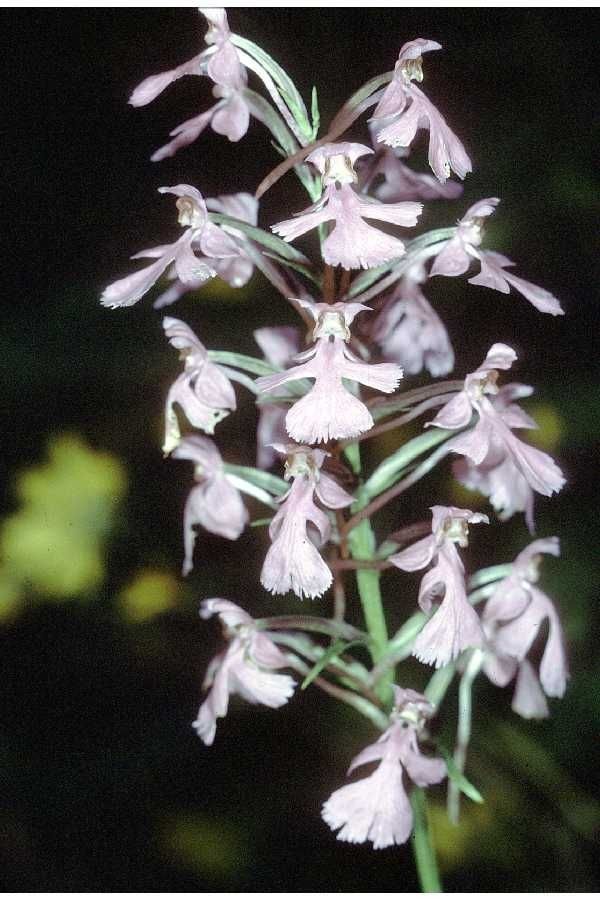
Platanthera peramoena, the purple fringeless orchid, is a species of flowering plant in the orchid family. It is native to the Eastern United States, where it is found from the Mid-Atlantic states, the Ohio Valley and the Ozark Mountains. Its natural habitat is moist forests, marshes, and on streambanks.It produces purple flowers in the summer. The moth Hemaris thysbe is considered its main pollinator.
The Purple fringeless orchid is generally resistant to disease and suffers from relatively few insect pests. Its care is considered difficult because it needs high humidity yet good ventilation and minimal harmful pathogens. Too much watering can cause root rot. Although anyone can grow the Purple fringeless orchid, keeping it healthy and getting it to flower again requires greater growing experience.
How to keep Platanthera Peramoena.
Light
The Purple fringeless orchid is native to the understory of tropical forests or grows among rocks, which provide natural shade. It prefers partial sun but can also tolerate full sun, adapting well to different light conditions.
Water
The purple fringeless orchid thrives in moist meadows and requires consistent moisture to grow well. It cannot tolerate drought or over-saturation. To ensure its health, it needs to be watered weekly. Typically grown outdoors, this orchid benefits from rainwater in addition to regular irrigation, which helps maintain the optimal soil moisture levels necessary for this herbaceous perennial to flourish.
Temperature
The purple fringeless orchid originates from temperate regions and prospers at temperatures of 68 to 100°F (20 to 38 ℃). For best growth, keep temperatures within this range and modify them seasonally to imitate the temperature fluctuations of its natural habitat.
Fertilizer
Appropriate fertilization is essential for the Purple fringeless orchid's health and appearance. Fertilize the Purple fringeless orchid during summer, repeating the application monthly throughout the season. Nutrients support growth and help maintain the plant's structures. Fertilization improves the Purple fringeless orchid's flower display, promoting the best blooms.
Pruning
The purple fringeless orchid needs only minimal pruning. Focus on removing damaged stems and spent flowers from early to late spring. This will improve air circulation and encourage vibrant blooms. Be careful not to over-prune, as this can hinder natural growth. Proper pruning not only enhances the plant's appearance but also extends its lifespan, contributing to a thriving garden display.
Botanical profile.
- Plant Type
- Herb
- Life Cycle
- Perennial
- Genus
- Platanthera
- Family
- Orchidaceae
- Hardiness Zone
- 9-11
- Mature Height
- 0.3 m to 1.22 m
- Mature Spread
- 10 cm to 20 cm
- Leaf Color
- Green, Dark Green
- Leaf Type
- Deciduous
- Flower Color
- Pink, Purple
- Flower Size
- 1.52 cm to 2.54 cm
- Bloom Time
- Early summer, Mid summer
- Planting Time
- Spring, Summer
- Harvest Time
- Late summer, Early fall
Other names.
Reader questions.
What are the sunlight requirements for Purple fringeless orchid?
Purple fringeless orchid thrives in varying light conditions. It originates from the understory of tropical forests, preferring partial sun (about 3-6 hours of sunlight) but can also adapt to full sun conditions. Indoor Purple fringeless orchids need adequate lighting, especially when natural sunlight is insufficient. Artificial lighting such as LED lights can be adjusted to meet the plant's needs: 30-50W/sq ft for full sun plants, 20-30W/sq ft for partial sun plants, and 10-20W/sq ft for full shade plants. The appropriate distance for the light source is 12-36 inches above the plant, and it should mimic the length of natural daylight hours, typically 8-12 hours per day. It's vital to keep an eye on how sunlight moves through your garden and choose spots that offer a balance of light and shade for optimal growth.
What are the optimal temperature conditions for the Purple fringeless orchid?
The Purple fringeless orchid thrives in temperate climates, requiring temperatures ranging from 68 to 100°F (20 to 38°C) for optimal growth. It's crucial to mimic the natural temperature fluctuations in its environment seasonally. During winter, if temperatures drop below 0°C, it's advisable to cultivate the orchid indoors, maintaining temperatures above 20°C. Positioning the plant near a south-facing window can ensure it gets enough sunlight, and maintaining humidity levels through misting or using a humidifier is beneficial. For outdoor overwintering, ensure the plant is sheltered and receives sunlight, and consider using a temporary greenhouse or protective materials like plastic film or fabric during cold temperatures.
What are the symptoms of inadequate lighting for Purple fringeless orchid and how can they be addressed?
Inadequate lighting can lead to several issues for Purple fringeless orchid, including smaller leaves, leggy or sparse growth, faster leaf drop, slower or no new growth, lighter-colored new leaves, chlorosis (leaves turning yellow), sunscald, leaf curling, wilting, and leaf scorching. To address these symptoms indoors, gradually shift the plant to sunnier spots each week until it receives 3-6 hours of direct sunlight daily or use artificial lighting like desk or ceiling lamps for at least 8 hours daily. Outdoors, gradually move your plants to sunnier locations each week to avoid sunburn. If obstructions like trees block sunlight, consider pruning to allow more light to reach the plants. For smaller plants, transplanting during their dormant period (late winter or early spring) to a sunnier location with good drainage can also help. Note that parts of the plant affected by insufficient sunlight may not recover, but increasing light exposure will ensure new growth is healthy.
How should one care for the Purple fringeless orchid in low temperatures?
The Purple fringeless orchid is sensitive to cold, thriving best when temperatures are above 20°C and requiring protection when winter temperatures drop below 0°C. Exposure to temperatures below -5°C can cause the leaves to exhibit symptoms like water-soaked necrosis, wilting, and drooping. To care for it in low temperatures, trim off the frostbitten areas and move the plant indoors to a warm environment, ideally near a south-facing window for sufficient sunlight. It's important to avoid placing the orchid near heaters or air conditioning vents to prevent the air from becoming excessively dry.
What should be done if the Purple fringeless orchid experiences high temperatures?
In high temperatures, particularly above 38°C, the Purple fringeless orchid's growth may halt, and its leaves can wilt and become susceptible to root rot and sunburn. If temperatures exceed 43°C, immediate action is required to mitigate damage. Trimming away sunburned and dried parts of the plant, moving it to a shaded location away from direct midday and afternoon sun, and ensuring the plant and its surrounding environment are kept moist by watering in the morning and evening are effective solutions to protect the orchid from heat stress.