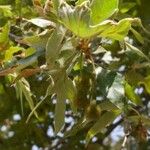
Platanus racemosa
California sycamore · Western sycamore · California Buttonwood · California Plane
Description
Source: leafsnapThe California sycamore, known scientifically as Platanus racemosa, is a large deciduous tree that is native to California and parts of Mexico. Belonging to the family Platanaceae, this tree can grow between 30 to 100 feet tall, with a trunk diameter reaching up to 10 feet. The California sycamore features a broad, spreading canopy with large, palmately lobed leaves that can measure up to 10 inches in length. When young, the bark of this tree is smooth, but it becomes rough and scaly as the tree ages. In the spring, the California sycamore produces small flowers, which are followed by clusters of spherical fruit containing small seeds. The California sycamore thrives in moist soils near streams or rivers but can tolerate drier conditions once established. It is often used in landscaping due to its attractive appearance and ability to provide shade. Additionally, Platanus racemosa holds cultural significance for Native American tribes, who used its bark for medicinal purposes, such as treating skin ailments and making baskets. Overall, this tree plays an important role both in ecological systems and in human culture within its native range.
🌳 The wood of the western sycamore is prized for its durability and resistance to splitting, making it a popular choice for fine furniture, including sturdy outdoor designs. Because of its attractive look and rustic charm, western sycamore is frequently sought by artisans who want to produce distinctive, sustainable pieces that convey the character of California’s landscapes.
🎭 This tree symbolizes growth, persistence, and strength.
Care Guide
💧 Water Every 7 days
The California sycamore is native to California's dry climates and thrives with minimal watering, usually needing water only every 1-2 weeks. As a deciduous tree, it benefits from a careful water management regime that mimics its natural habitat's wet winters and dry summers. Due to its large size, it is often grown outdoors.
How should I water my California sycamore tree in the best way?
To promote excellent root development, it is recommended to place a garden hose at the base of the plant. Avoid spraying the leaves directly, especially if they are outdoors and exposed to direct sunlight, as they will require more watering. It is helpful to use bubblers or soaker hoses to ensure the roots are moistened. When adding or removing plants, consider using soaker hoses that can cover the entire garden or bed to deeply water the roots. Make sure to drain any excess water and wait for the soil to dry before watering again. Watering at ground level is important to prevent diseases. On a sunny day, it can be beneficial to spray the entire bush with water. Whether the plant is potted or in the ground, keep in mind that California sycamores prefer deep watering instead of light sprinkling.
What do I need to do if I give the California sycamore tree too much or too little water?
When a California sycamore is overwatered, its leaves will turn yellow, drop off, and wilt. The plant may also appear dull and unhealthy, with mushy stems. If you notice these signs, try adjusting your watering schedule. On the other hand, wilting can also indicate under watering, with leaves turning crispy and dry. In cases where the soil is dry and watering alone is not enough, give the plant a thorough watering. However, even with enough water, the California sycamore may continue to have dry, yellow leaves for a few days due to damage to its root system. Once it returns to normal, the yellowing should stop. When you have a California sycamore indoors, always check the moisture levels of the pot. Avoid overwatering and watch out for black spots, which indicate potential issues. If black spots are present, allow the soil in the pot to dry by refraining from watering for a few days. Overwatering can lead to root rot, so if you notice discolored and slimy roots, consider transferring the plant to a different pot. To prevent root rot, avoid making the soil too soggy. When planting a California sycamore outdoors, make sure to dig a little deeper and check the moisture level of the soil. If the soil feels too dry, it may indicate underwatering. In such cases, adequate watering is necessary to help the plant recover.
How frequently do I need to water my California sycamore tree?
The California sycamore prefers deep and infrequent watering, especially when planted in pots. When watering, soak them in a gallon of water each time to account for the limited water storage in pots. In cold regions, water every 3 to 5 days, preferably in the morning when the soil is dry. To determine if watering is needed, check the top 2-3 inches of soil and water if dry. During hot days, check the moisture daily as the heat can quickly dry out the soil in pots. For garden irrigation, in hot climates, water once a week when the top 2-3 inches of soil become too dry. Consider the amount of rainfall to avoid overwatering and root rot. California sycamores generally grow in spring and fall, so add mulch about 3 to 4 inches deep to conserve water when they are outdoors. The frequency of watering depends on the soil type. Sandy soil drains faster, so water more frequently. Clay soil, on the other hand, requires less frequent watering to prevent root rot. Make note of the watering dates on a calendar and observe the leaves for any drooping, as it may indicate a need for water.
How much water does my California sycamore tree need?
The California sycamore typically needs about one gallon of water per watering session. For potted plants, it's best to water them deeply until water begins to drip out of the bottom of the pot. Then, allow the soil to dry before watering again. Using a water calculator or moisture meter can help determine how much water the plant received in a week. During the flowering period, provide ample water, but allow it to evaporate afterwards to avoid root rot. If the California sycamore is planted outdoors and receives sufficient rainfall, additional watering may not be necessary. When the tree is young or newly planted, ensure it receives 1-2 inches of rain per week. As it matures, it can rely solely on rainfall. Only in extremely hot weather or if there is no rainfall for 2-3 weeks should a full watering be considered during the cooler parts of the day to prevent damage from high temperatures. Additional watering may be needed during extended dry periods.
Do I need to change how often I water my California sycamore based on the time of year or the weather?
To ensure the healthy growth of the California sycamore tree, it needs to be watered appropriately depending on the season. During the spring and fall growing seasons, the soil should be kept moist but not waterlogged. It's beneficial for the tree to experience alternating dry and moist soil conditions. In the summer, hot weather and lack of rainfall can cause the water to evaporate quickly, so more frequent watering is necessary to keep the tree moist. During winter, the tree requires less water as it goes dormant and sheds its leaves. Using well-draining but moisture-retentive soil, such as terracotta, can help with water evaporation. At this time, the tree can rely on fall and winter rains for survival. In the spring, when the temperature warms up, you can encourage the California sycamore to grow and bloom. Adequate drainage is essential for this tree, especially during winter, to avoid waterlogged roots. If the tree is in a pot, it has limited root growth, so it needs to be consistently watered, particularly in the summer. Deep soaking the entire root system once or twice a week, depending on the weather, is recommended. Shallow sprinkles that only reach the leaves should be avoided as they can lead to fungal growth and fail to reach the roots. Even during dormancy in the fall or winter, the tree should not be allowed to dry out completely. Overwatering should also be avoided as the tree does not tolerate sitting in water for prolonged periods. Applying mulch can help reduce stress, conserve water, and promote healthy blooms.
☀️ Light Full sun
The Western sycamore needs abundant sunlight for best growth, similar to the bright conditions of its native habitats. Its growth at different stages also depends on ample sun, though it can tolerate some shade. However, too much or too little light may hinder its ability to thrive and could potentially harm its health.
What are the sunlight requirements for plants?
Plants have varying sunlight requirements to thrive. Full sun plants need more than 6 hours of direct sunlight daily, whereas partial sun plants flourish with about 3-6 hours of sunlight. It's essential to monitor the movement of sunlight through your garden to ensure plants receive the appropriate balance of light and shade, suiting their specific needs and ensuring their health and happiness.
What are the essentials for growing California sycamore successfully?
The California sycamore, or Platanus racemosa, thrives under generous light exposure, similar to its native, sun-drenched habitats. Its growth at various stages benefits significantly from substantial sunlight, though it can withstand some shade. Nonetheless, too much or too little light can adversely affect its health. For indoor plants where natural light is limited, especially in winter or less sunny locations, artificial lighting is crucial. Suitable artificial lights such as LEDs can be adjusted to provide the specific light wavelengths needed. Full sun plants require 30-50W/sq ft, partial sun plants need 20-30W/sq ft, and full shade plants require 10-20W/sq ft of artificial light. The light source should be positioned 12-36 inches above the plant to mimic natural sunlight, with a duration of 8-12 hours per day to replicate natural daylight hours as closely as possible.
What are the symptoms of insufficient light exposure in California sycamore?
California sycamore displays several symptoms when suffering from light deficiency. New leaves may grow smaller, and the plant can exhibit leggy or sparse growth, indicating longer spaces between leaves or stems and giving the plant a thin and stretched appearance. Premature leaf drop can occur as the plant tries to conserve resources, leading to slower or halted growth. Insufficient sunlight can also result in lighter-colored new leaves or chlorosis, where leaves lose their green color, turning yellow. Excessive sunlight can cause sunscald, damaging leaves or stems, leaf curling as a defense mechanism against water loss, wilting from increased transpiration, and leaf scorching, characterized by brown, dry edges on leaves.
What solutions can help manage sunlight exposure for California sycamore?
To optimize sunlight exposure for California sycamore, indoor plants should be gradually moved to sunnier locations each week until receiving at least 6 hours of direct sunlight daily. Utilizing a south-facing window and keeping curtains open during the day maximizes sunlight exposure. For plants that are large or difficult to move, consider using artificial light, keeping a desk or ceiling lamp on for at least 8 hours daily or investing in professional plant grow lights. Outdoors, slowly transition your plants to sunlight-rich spots to avoid sunburn, noting that while parts affected by insufficient sunlight may not recover, new growth should be healthy post-adjustment. To minimize obstructions outdoors, prune trees or branches that block sunlight and consider transplanting smaller plants to areas with better sunlight and drainage during their dormant period, typically late winter or early spring.
🌡️ Temperature 15–35°C
The western sycamore prefers temperatures between 59 to 95 ℉ (15 to 35 ℃), reflecting the climate of its native California habitat. In summer it should be watered consistently to cope with high heat and dry conditions. In winter it can tolerate occasional light frost, but prolonged cold periods can harm the tree.
What temperature range is ideal for the California sycamore?
The California sycamore, or Platanus racemosa, thrives in a temperature range between 59 to 95°F (15 to 35°C), which mirrors the conditions of its native environment in California. It requires regular watering during the hot and dry summer months but is quite cold-resistant, managing well through occasional light frosts. While the tree generally does not need special frost protection, in environments where temperatures may fall below -15°C, it's advisable to offer some protection by wrapping the trunk and branches with non-woven fabric or cloth. An abundant watering before the first frost can help keep the soil moist, reducing winter and early spring drought stress.
How should you care for a California sycamore in low temperatures?
In low temperatures, the California sycamore showcases strong cold tolerance, prospering best when temperatures stay above 15°C and should ideally be kept above -10°C during winter. If temperatures plummet below -15°C, you might not notice immediate damage, but come spring, branches may turn brittle and dry, and the tree might fail to sprout new shoots. A preventive measure includes pruning dead branches that don’t produce new leaves in the spring to promote healthier growth.
What should you do if a California sycamore experiences high temperatures?
When facing high temperatures, particularly above 35°C, and especially when they climb over 41°C, the California sycamore can suffer. Its leaves might pale, tips could become dry and withered, and it's at an increased risk of sunburn. To mitigate damage, trim any sunburned or dried parts of the plant. Relocate the tree to a shadier spot or provide artificial shade using a cloth during the hottest parts of the day. Ensuring the soil stays moist with morning and evening waterings can also help manage the stress from high temperatures.
💨 Humidity normal (40-60%)
This plant will thrive in moderate humidity, which is probably the level in your home. However, misting it a few times a week can be very beneficial. Make sure the room has good ventilation.
🪴 Soil 6-7
🌱 Fertilizer
To encourage healthy growth, fertilize your Western sycamore in early spring. Consistent fertilization boosts overall health, leading to vigorous growth, better tolerance of challenging conditions, and improved resistance to pests and diseases. Stick to a regular fertilizing routine for your Western sycamore to maintain vibrant, richly colored foliage and a full, lush appearance.
Why should I put fertilizer on my California sycamore tree?
Regular fertilization is important for California sycamores, regardless of the specific type you have. By providing the proper nutrients, you can promote healthy growth and increase resilience to challenging conditions. This also enhances the tree's ability to withstand diseases and pests. It's particularly important to preserve the foliage, as it is a key highlight of the sycamore's appearance. To achieve this, establish and stick to a regular fertilization schedule that suits your particular tree. This will result in vibrant leaves with rich color and an overall lush appearance.
When should I fertilize my California sycamore tree?
To keep your California sycamore healthy, remember to fertilize it twice a year. The first time should be in late winter or early spring, providing the necessary nutrients for growth once it warms up. If you live in a warm climate, it's helpful to fertilize again in early fall. This second feeding not only adds nutrients for the upcoming growing season, but also strengthens the tree to endure winter without foliage damage. Fertilizing earlier in the fall allows new branches enough time to grow and withstand the cold.
When is it a bad idea to put fertilizer on my California sycamore?
There are specific times of the year when you should avoid fertilizing your California sycamore. The first is during the early and mid-winter months when the tree is dormant and does not require nutrients. Additionally, it is not recommended to fertilize during late spring and summer when the weather is hot and dry. These conditions can lead to negative effects if fertilization is done. To prevent any problems, it is best to follow a fertilization schedule that involves feeding only in early spring and early fall.
What kind of fertilizer should I use for my California sycamore tree?
Nitrogen is the most important nutrient for a California sycamore, but phosphorus and potassium are also important. It is best to use a balanced fertilizer like 10-10-10, which provides all three nutrients in equal amounts. However, using a fertilizer with a slightly higher amount of nitrogen, like 10-6-4, can lead to optimal growth. You can choose between a granular or liquid fertilizer when applying it.
How can I add nutrients to my California sycamore tree?
To fertilize your California sycamore, there are a few options. One is to use granular fertilizer, which you can simply sprinkle on the soil at the right time. This type of fertilizer releases nutrients slowly over time. Before applying granular fertilizer, it's a good idea to lightly water your sycamore tree. Another option is liquid fertilizer, although this is less common. To use liquid fertilizer, mix it with water and then pour the mixture around the base of your tree. It's also worth considering doing a soil test before fertilizing to see if any pH adjustments are needed.
🪴 Pot & Repot Every 12 months
✂️ Pruning
The California sycamore is known for its broad, maple-like leaves and distinctive mottled bark. To maintain the tree's healthy appearance, it is best to prune it in early spring by removing any dead branches, which will help improve its shape and air circulation. Light thinning can also be beneficial, as it enhances sunlight exposure. Be cautious not to make heavy cuts, as these can heal slowly. Consistent pruning encourages the tree's vigor and resilience.
🌿 Propagating
🐛 Diseases & pets
☠️ Toxicity
Characteristics
- Plant Type
- Tree
- Life Cycle
- Perennial
- Genus
- Platanus
- Family
- Platanaceae
- Hardiness Zone
- 7-10
- Mature Height
- 35.05 m
- Mature Spread
- 7.62 m to 14.94 m
- Leaf Color
- Green, Blue, Yellow, Brown
- Leaf Type
- Deciduous
- Flower Color
- Tan
- Flower Size
- 2.54 cm
- Bloom Time
- Mid spring, Late spring, Early summer
- Planting Time
- Spring, Autumn
- Harvest Time
- Mid summer, Late summer
- Native Area
- Mexico