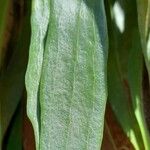
Platycerium bifurcatum
Elkhorn Fern · Common staghorn fern · Staghorn fern
Description
Source: leafsnapPlatycerium bifurcatum, commonly known as the Staghorn Fern, is a unique and fascinating plant in the Polypodiaceae family. Native to Australia and Southeast Asia, it thrives on trees or rocks in tropical rainforests. This plant features two types of fronds: sterile fronds that are flat and shield-like, and fertile fronds that are long and branching, resembling antlers. The Staghorn Fern is an epiphyte, or air plant, meaning it does not require soil to grow. Instead, it absorbs nutrients from the air through its leaves, which have a fuzzy texture due to tiny scales called trichomes. The fern can grow up to 3 feet wide, with its antler-like fertile fronds reaching up to 4 feet long. For optimal growth, this fern requires bright but indirect light, as direct sunlight can damage its leaves. It also prefers high humidity levels, benefiting from regular misting or the placement of a water tray nearby. The Staghorn Fern has gained popularity among indoor gardeners due to its unique appearance, making it an excellent decorative piece for walls or hanging baskets indoors. It is also suitable for outdoor gardens in warmer climates. Overall, Platycerium bifurcatum is a fascinating plant with unique characteristics that make it stand out. It is relatively easy to care for, making it suitable for both novice gardeners seeking something different and experienced gardeners looking to expand their plant collections.
🌳 Often considered just an ornamental plant, the staghorn fern serves an important purpose beyond appearance. Its unusual antler-like leaves make it an excellent indicator of air quality. Native to rainforest environments, the staghorn fern is particularly responsive to nitrogen dioxide, a widespread harmful air pollutant. Observing the plant’s condition can disclose the air quality in your surroundings—an unexpected yet potentially important benefit.
🎭 Does not grow in soil.
Care Guide
💧 Water Every 7 days
Elkhorn fern originates from tropical rainforests and thrives in humid environments, though it can withstand short dry periods. For optimal growth, it prefers to be watered weekly and benefits from regular misting to maintain the moisture levels similar to its native habitat.
What should I do if I give my Elkhorn fern too much water or too little water?
The Elkhorn fern can be overwatered if it is left sitting in excess water or if the planter does not have drainage holes. This can lead to the roots being unable to absorb nutrients and moisture and may also cause fungal or bacterial diseases. Wilted and yellow leaves are the first signs of overwatering, followed by drooping or soft stems. However, it's important to check for other causes of these symptoms since it's difficult to give this plant too much water. On the other hand, the Elkhorn fern can also become underwatered if not properly monitored. Unless you have a self-watering planter, it's easy for the fern to dry out. In dry conditions, the appearance of the plant can quickly change from lush green to brown and crispy. In severe cases, it may seem like all the fronds are dead, but if some of the roots are still healthy, there is a chance to save the plant. To do so, remove all dry and dead stems, thoroughly water the plant, and return it to its usual location. With proper care, the fern can recover and begin growing new fronds, although it may take several months to regain its previous size.
How should I properly water my Elkhorn fern?
To keep your Elkhorn fern healthy, it is essential to provide consistently moist soil resembling its natural habitat. This means watering it frequently, possibly every one or two days. Avoid letting the soil dry out by watering again when the top layer feels even slightly dry. When you water, make sure to thoroughly soak the soil until water drains out from the pot's bottom. Afterward, be sure to discard any excess water to prevent the pot from sitting in a puddle. By following this method, you can ensure that the soil never becomes too dry.
What things should I think about when giving water to my Elkhorn fern?
The frequency of watering your Elkhorn fern depends on the humidity level in the air. Higher humidity means less watering. Avoid placing the fern near heating or cooling vents as it will dry out quickly. Instead, choose a location that is protected from drafts. These ferns prefer dappled and indirect sunlight, as well as temperatures between 55-80 degrees F (13-27 degrees C). Placing them in a warm and sunny spot like a windowsill could cause them to become dehydrated. Rainwater or distilled water is ideal for this plant, but tap water is typically fine as well, although it may cause brown leaf tips due to minerals and chemicals. Small pots can lead to problems with Elkhorn ferns as they dry out faster. It's best to give them more space in the pot compared to other houseplants. Consider using a self-watering planter for this fern. This type of pot keeps the soil consistently moist by using a wicking system to draw water from a central reservoir. Not only does it save you from frequent watering, but it also benefits the roots by providing a constant supply of water.
☀️ Light Full shade
In its natural environment, the staghorn fern is accustomed to dappled light but can also do well in spots with reduced sun exposure. Excessive sunlight, however, can damage the plant, causing the fronds to scorch, while too little light may lead to slow growth.
What are the sunlight requirements for Elkhorn fern?
The Elkhorn fern thrives under specific light conditions. It requires about 3-6 hours of sunlight, categorized as partial sun, and can survive in full shade with less than 3 hours of sunlight. It's crucial to observe your garden's sunlight patterns to find a spot that offers a balance of light and shade suited for the plant. In its natural habitat, it enjoys filtered sunlight but can also adapt to less sun; however, too much sun can scorch its fronds, while insufficient light might slow its growth.
How can artificial lighting support Elkhorn fern growth indoors?
Indoor Elkhorn ferns benefit significantly from artificial lighting, especially when natural sunlight is inadequate. For optimal growth, it's recommended to use artificial lights such as LED lights, which can be adjusted to provide the necessary wavelengths. The intensity requirement varies: full sun plants need 30-50W per square foot, partial sun plants need 20-30W per square foot, and full shade plants need 10-20W per square foot. The light source should be placed 12-36 inches above the plant, ensuring it receives 8-12 hours of light daily to mimic natural daylight hours.
What are symptoms of incorrect light exposure in Elkhorn ferns?
Elkhorn ferns may exhibit specific symptoms if exposed to incorrect lighting. Inadequate light can lead to slower or halted growth, as the plant enters survival mode. Excessive sunlight can cause chlorosis, where leaves turn yellow from the breakdown of chlorophyll, sunscald with damaged plant tissue, leaf curling as a defense against water loss, wilting from transpiration-induced dehydration, and leaf scorching characterized by brown or crispy leaf edges. These symptoms indicate the plant's struggle with the current lighting conditions.
How can I address lighting issues for my Elkhorn fern?
To address lighting issues for Elkhorn fern, consider gradual adaptation to optimal light conditions. For indoor plants, transition them to sunnier spots each week or use artificial lighting, like desk or professional grow lights, for at least 8 hours daily. For outdoor plants, similarly move them to gradually sunnier spots to avoid shock. Removing obstructions like overhanging branches can also help. For smaller plants, transplanting during dormant periods to a location with better sunlight and drainage is beneficial. Remember, parts of the plant damaged by poor light may not recover, but new growth will be healthy with improved lighting.
🌡️ Temperature 20–37.8°C
Native to tropical areas, the staghorn fern needs temperatures between 20 and 38 ℃ (68 to 100.4 ℉) to thrive. It prefers warm, humid conditions and can tolerate slightly cooler temperatures during winter. In summer, the plant should be kept cool and out of direct sunlight to prevent heat stress.
What temperature is best for Elkhorn fern?
To help your tropical plants thrive, it's best to maintain a temperature range of 75℉ to 90℉ (25-32℃). While different species can tolerate temperatures outside this range, sticking within a few degrees of these limits will ensure optimal growth. However, there are extreme temperature limits to be aware of. Anything below 50℉ (10℃) or above 95℉ (35℃) can hinder growth and cause issues with the leaves and stems. Low temperatures are particularly damaging, as even a light frost can lead to the death of your tropical plants. In fact, cellular death can occur rapidly, with some species dying within 12 to 24 hours.
Does Elkhorn fern need different temperatures for different stages of growth?
Elkhorn fern does not require temperature changes to go through different growth phases, but maintaining consistency is important. Fluctuations in temperature can slow down its growth, regardless of the current phase. Therefore, it is recommended to keep the fern in a controlled environment. The optimal temperature range is between 75℉ and 90℉ (25-32℃), and it is crucial to stay above the lower limit. While temperatures above 90℉ (32℃) are not ideal, the fern, being a tropical plant, can handle it reasonably well. However, going below 50℉ (10℃), especially 40℉ (5℃), will begin to directly damage the fern as it thrives in warm conditions.
Does the Elkhorn fern require varying temperatures throughout different seasons?
The Elkhorn fern is a tropical plant that does not require different temperatures for different growing seasons. The most crucial aspect of seasonal care is to maintain an optimal temperature range. It is recommended to keep the plant indoors as it allows better control over the temperature regardless of the outside climate. Light is also essential for these tropical plants, and they thrive when exposed to partial side level sun. However, it is important to ensure that the light they receive is dappled or filtered, as excessive direct sunlight can harm the plant's leaves and inhibit its growth.
What temperatures do you need to keep your Elkhorn fern healthy?
Here are three tips to help you take care of your plants: 1. Keep your plants away from windows during colder months: Cold air can leak into your home through cracks in the windows, and any plants placed near them will be affected. Move tropical plants to an area with bright but indirect light, while avoiding potential drafts. 2. Watch out for dry patches, which may indicate too much sunlight or heat: If you notice white or scorched leaves, your plant may be getting too much heat or sunlight. This can lead to dehydration and hinder growth. Dry spots can spread and eventually cause your plants to die if left unaddressed. 3. Be cautious of frost: Colder temperatures and frost can damage plants by disrupting their water circulation. This can lead to a lack of moisture in the stems and leaves. Look out for signs of hydrosis (a water-soaked appearance) and if the issue persists, the plant may shrivel and turn dark brown or black, eventually leading to death.
How can I keep my Elkhorn fern at the right temperature?
To maintain the ideal temperature for Elkhorn fern, it is important to consider both the climate and humidity. Ideally, you should keep the fern in a room with climate control, as this will provide the best temperature range that mimics its natural habitat. Additionally, it is crucial to monitor humidity levels, as they directly affect temperature. To increase humidity, you can use a humidifier or lightly mist the leaves with water. However, if you plan to grow this fern outside, it may be challenging to maintain the right balance of temperature and humidity. In such cases, it is recommended to find a suitable indoor spot within your home and move the plant inside. This will allow you to have better control over the climate, thus enabling the fern to thrive.
💨 Humidity high (>60%)
This plant needs special care because it loves high humidity levels of 60-80% or more. The best way to achieve this is by placing a humidifier near the plant. Daily misting is also essential! Make sure the room has good ventilation.
🪴 Soil 6-7
🌱 Fertilizer
The Elkhorn fern requires minimal fertilization with high-nitrogen fertilizers during its growing season. Apply these fertilizers at one-quarter strength on a monthly basis. In the winter months, reduce the frequency of fertilization. Young Elkhorn ferns benefit from regular feeding, while mature plants require less frequent feeding. To avoid root burn, use diluted, slow-release fertilizers.
Why should I fertilize my Elkhorn fern?
Fertilizing Elkhorn fern is important for a few reasons. Firstly, it provides your plant with the necessary nutrients to promote healthy new growth. Additionally, these added nutrients also support the well-being of the existing foliage and help your plant fend off diseases and pests.
When should I fertilize my Elkhorn fern?
The feeding schedule for the Elkhorn fern depends on where it is growing. While it is not a very demanding plant, it does need some extra nutrients. Outdoor plants only need to be fertilized once in the spring, while indoor ones should be fed monthly from spring to summer.
When is the best time to not fertilize my Elkhorn fern?
To avoid excessive growth before winter, refrain from fertilizing after early autumn. Additionally, avoid fertilizing Elkhorn fern during hot and dry periods since it is less effective in dry soil, which can result in increased growth that requires more water. It is advisable to fertilize earlier in the season when temperatures are cooler. Lastly, be cautious not to inadvertently over-fertilize Elkhorn ferns as they can absorb fertilizers used on nearby plants or lawns.
What kind of plant food does my Elkhorn fern need?
When choosing a fertilizer for Elkhorn fern, you have a few options depending on whether the plant is growing indoors or in the garden. For outdoor plants, a layer of mulch or compost can help them thrive. As for indoor plants, an ideal fertilizer should have an N-P-K ratio of 3-1-2. However, in some cases, a general-purpose fertilizer with a balanced blend of nutrients can work well too. Just remember that even with a balanced fertilizer, the ratio number representing the volume of each nutrient should be at 3 or lower.
How can I give my Elkhorn fern nutrients?
Fertilizing Elkhorn fern is not complicated, but it varies depending on the plant's location. For outdoor garden plants, it is recommended to add a layer of mulch or compost to the soil, ensuring that the organic material is placed around the base of the plant. On the other hand, indoor plants generally do well when a diluted liquid fertilizer is applied before watering. This should be done monthly during the spring and summer seasons.
🪴 Pot & Repot 2-3 years
When repotting Staghorn fern, choose a flower pot 1–2 inches (2.5–5.1 cm) larger with ample drainage. Use a well-draining potting mix. Repot in spring or fall, ensuring the root ball sits slightly lower than the rim of the flower pot. Water thoroughly after repotting and place it in a warm spot with indirect sunlight.
✂️ Pruning
The Elkhorn fern is known for its large, forked fronds and its ability to thrive as an epiphyte. For optimal growth and air circulation, it's best to prune the plant in early spring, removing any dead fronds. Be sure to sterilize your tools before you start, and cut close to the base of the plant. Minimal pruning is recommended to maintain the plant's shape and to prevent overcrowding, which enhances both its health and appearance.
🌿 Propagating
🐛 Diseases & pets
☠️ Toxicity
Elkhorn ferns are non-poisonous to both people and pets, making them ideal to grow in any garden or home.
Characteristics
- Plant Type
- Fern
- Life Cycle
- Perennial
- Genus
- Platycerium
- Family
- Polypodiaceae
- Hardiness Zone
- 9-12
- Mature Height
- 91 cm
- Mature Spread
- 76 cm
- Leaf Color
- Green, Gray, Silver
- Leaf Type
- Evergreen
- Planting Time
- Spring, Summer, Autumn, Winter
- Harvest Time
- All year round
- Native Area
- Indonesia