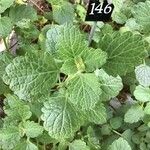
Plectranthus glabratus
Description
Source: leafsnapPlants in the Plectranthus genus can commonly be found growing outdoors as ornamental plants in containers or gardens, as well as indoors as houseplants depending on the species. Plectranthus species are usually low-maintenance, and fast-growing, which makes them attractive options for even the most inexperienced gardener.
🌳 Swedish Ivy is not usually praised for its versatility. Nevertheless, besides its decorative appeal, it serves a lesser-known role as an indicator of metal levels in soil. Its distinctive uptake and retention of certain metals can signal the presence and concentration of those elements, making Swedish Ivy potentially useful for bioremediation or bioindication studies and offering insights into environmental pollution and soil health.
Care Guide
💧 Water Every 3-7 days
Swedish Ivy flourishes in shaded, humid environments, much like its native subtropical habitat. This plant prefers high humidity levels and consistently moist soil, so it should be watered weekly. While it can tolerate short periods of dryness, regular misting promotes healthier growth. Its attractive foliage makes Swedish Ivy an excellent choice for indoor settings.
☀️ Light Partial sun
Swedish Ivy does best with ample light for several hours each day, though it can tolerate lower light levels. Seasonal changes may require moving it indoors or outdoors to keep suitable light conditions. Insufficient light can reduce Swedish Ivy's growth and vigor.
🌡️ Temperature 20–37.8°C
Swedish Ivy originates from warmer regions and does best in temperatures between 68 and 100°F (20 to 38℃). The plant favors milder climates and may require temperature adjustments during harsher seasons — it's recommended to keep it indoors in colder weather.
💨 Humidity
🪴 Soil 6-7
🌱 Fertilizer
Correct feeding is essential for Swedish Ivy's health and appearance. Feed Swedish Ivy during the summer, doing so monthly throughout the season. Nutrients provide energy for growth and help maintain the plant's parts. Fertilizing improves Swedish Ivy's flowering display, ensuring the best blooms.
🪴 Pot & Repot 2-3 years
When repotting Swedish Ivy, select a pot 1–2 inches (2.5–5.1 cm) larger with good drainage. Use a well-draining potting mix. Repot in spring or fall, making sure the root ball sits slightly below the rim of the flower pot. Water thoroughly after repotting and place it in a warm spot with indirect sunlight.
✂️ Pruning
To keep Swedish Ivy healthy and maintain its shape, regular pruning is essential. This is best done from early to late spring. Trim long stems and remove any dead leaves to promote better health and bushier growth. Avoid heavy pruning during the plant's dormancy period to prevent stress and ensure vibrant growth.
🌿 Propagating
🐛 Diseases & pets
☠️ Toxicity
Characteristics
- Plant Type
- Herb
- Life Cycle
- Perennial
- Genus
- Plectranthus
- Family
- Lamiaceae
- Hardiness Zone
- 9-12
- Mature Height
- 15 cm to 30 cm
- Mature Spread
- 30 cm to 91 cm
- Leaf Color
- Green, White
- Leaf Type
- Semi-evergreen
- Flower Color
- Purple, Lavender
- Flower Size
- 2.54 cm
- Bloom Time
- Late spring, Summer
- Planting Time
- Spring, Summer, Autumn
- Harvest Time
- Summer, Early fall
- Native Area
- Africa, Madagascar, India