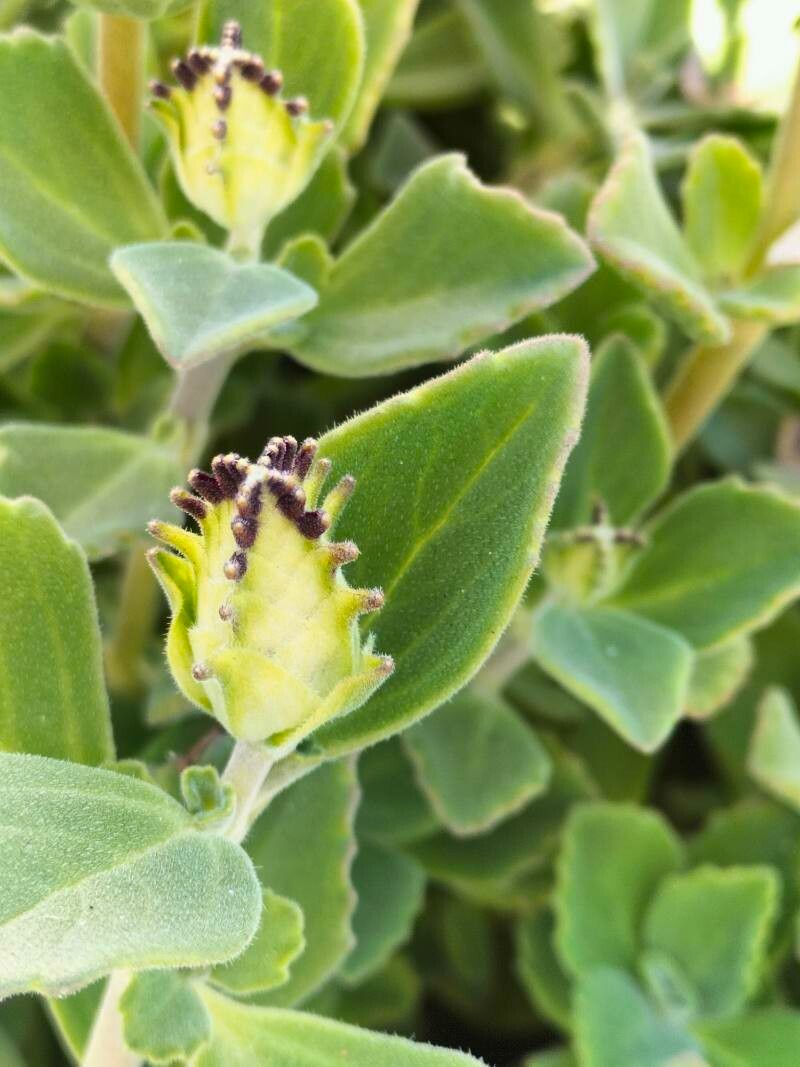
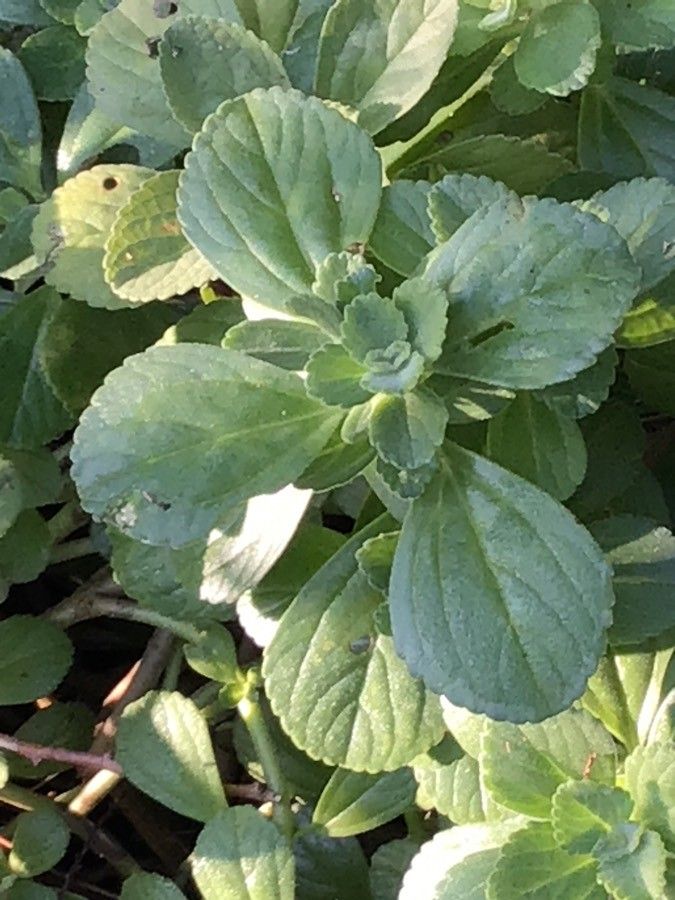
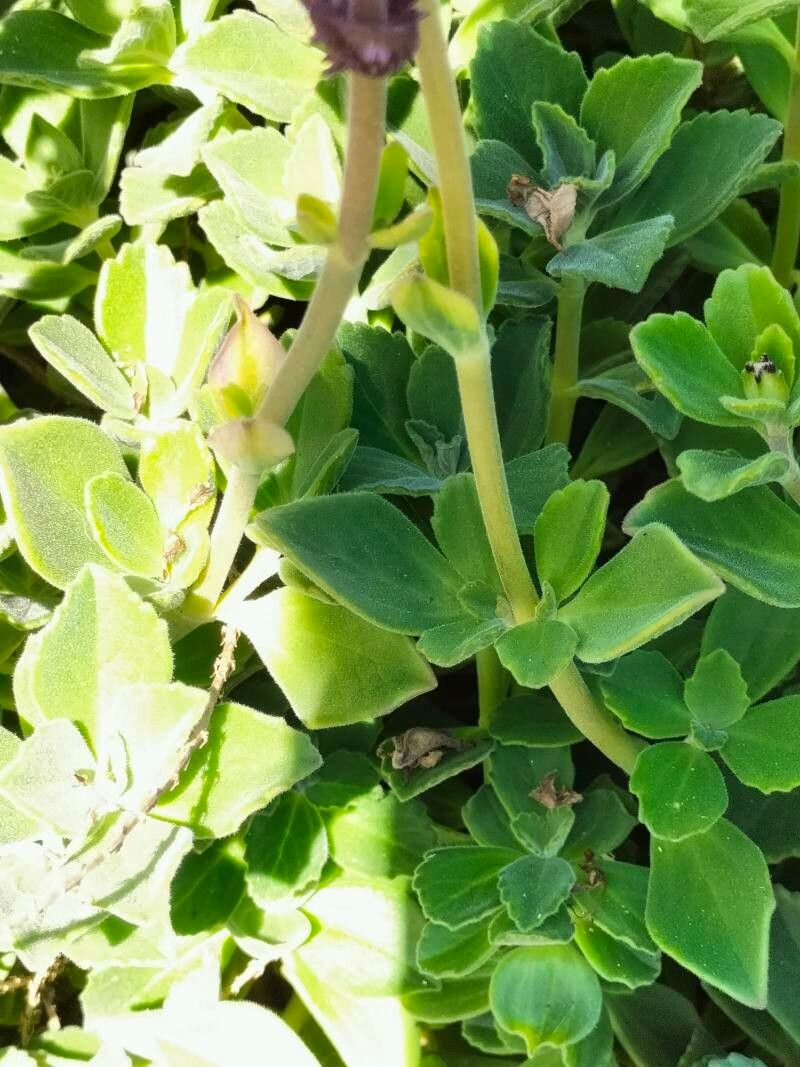
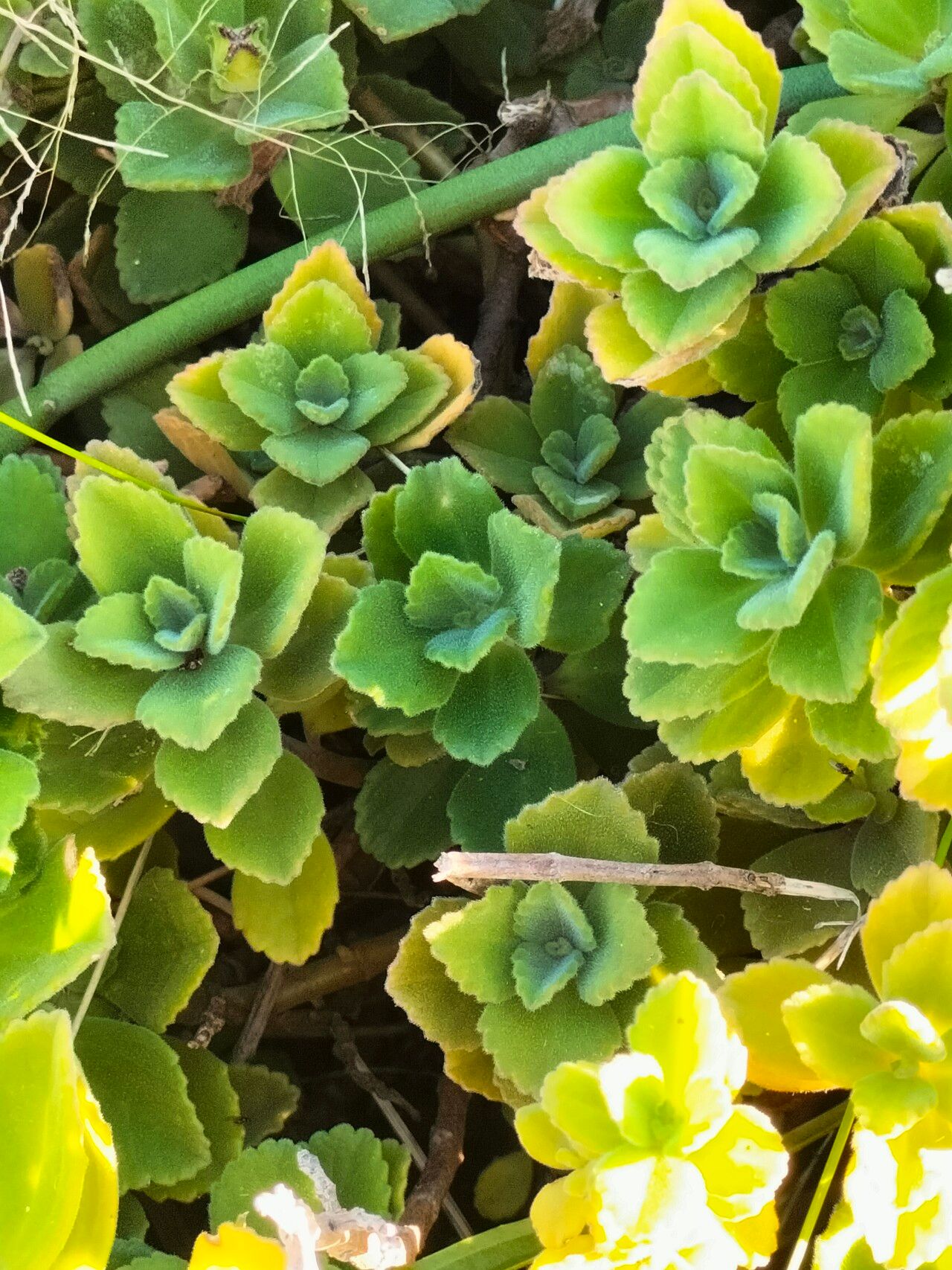
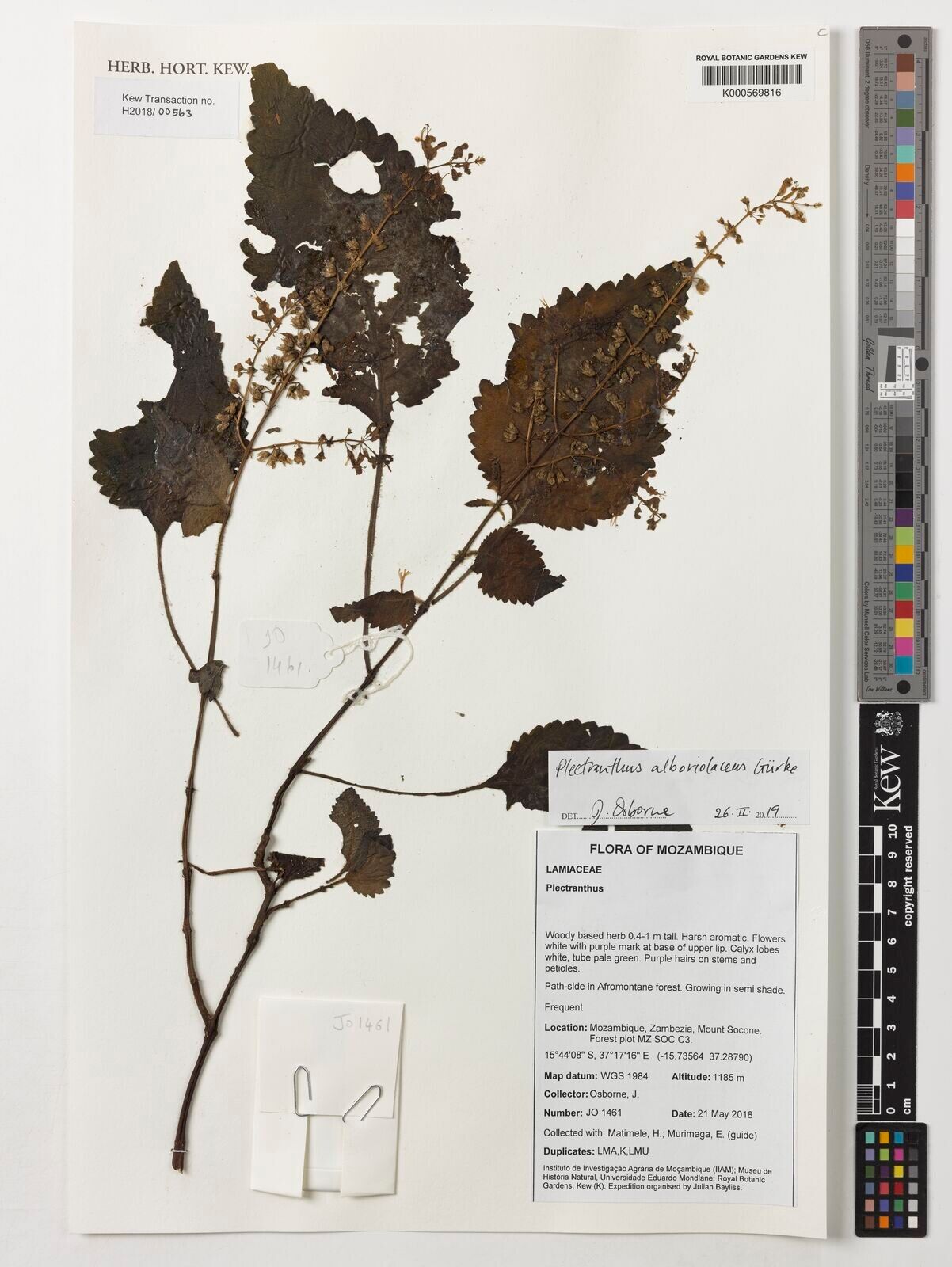
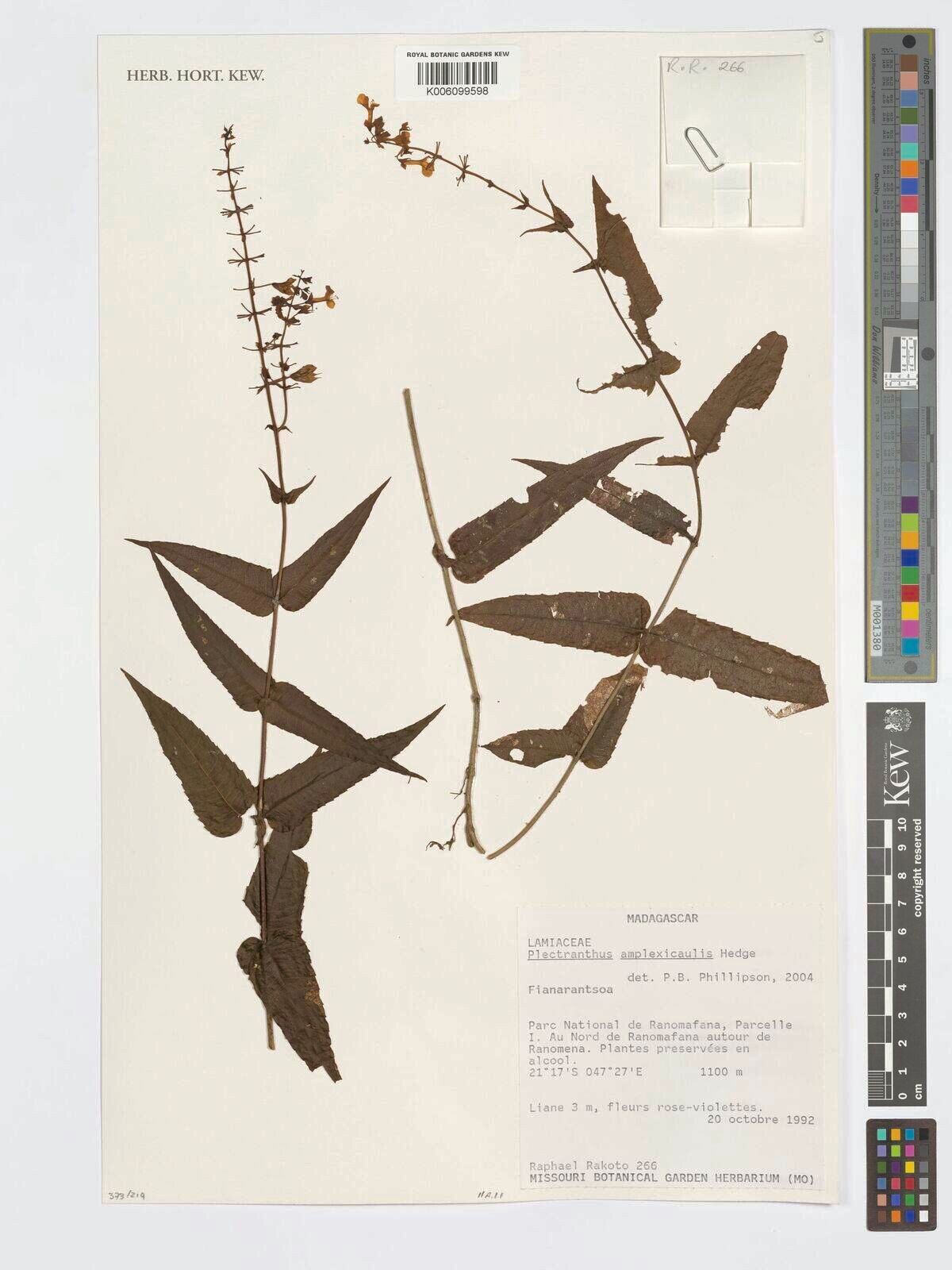
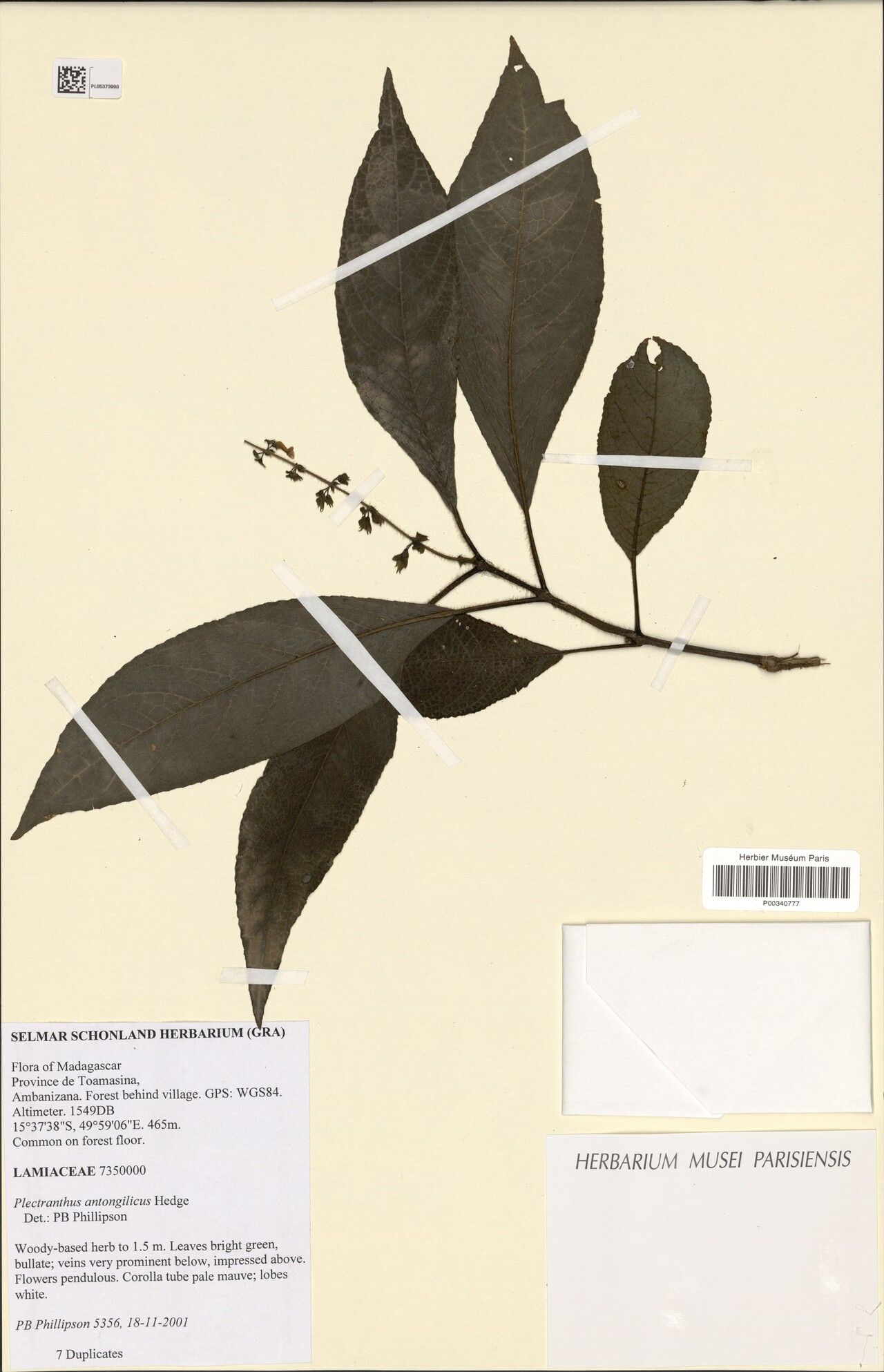
Plectranthus neochilus, commonly known as the Lobster Flower or Fly Repellent Plant, is a perennial herb in the mint family. Native to South Africa, it has gained popularity worldwide as an ornamental plant due to its attractive foliage and distinctive scent. The Lobster Flower grows up to 30 cm tall and features small, oval-shaped leaves that are green on top and purple underneath. When crushed or brushed against, the leaves emit a strong aroma that is reputed to repel flies and other insects.
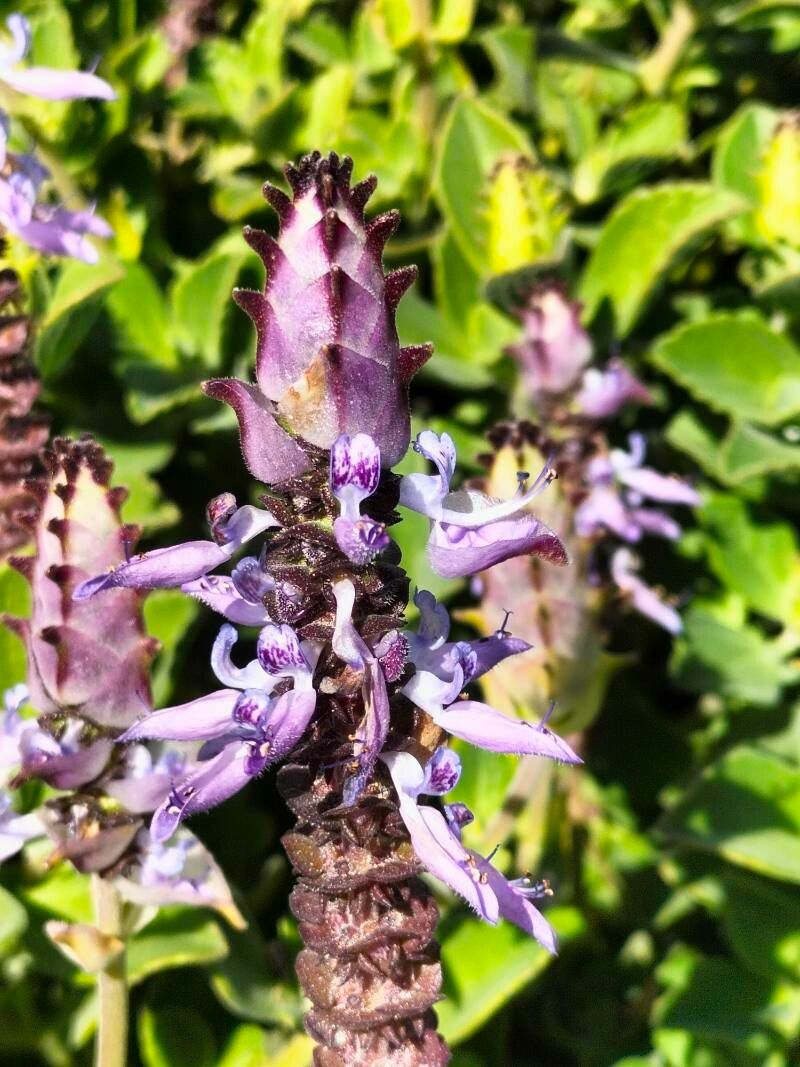
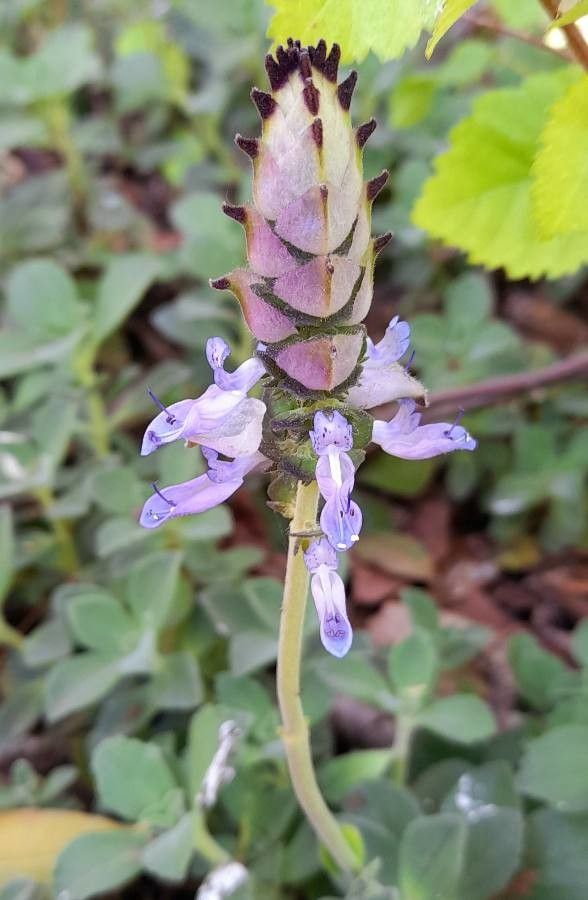
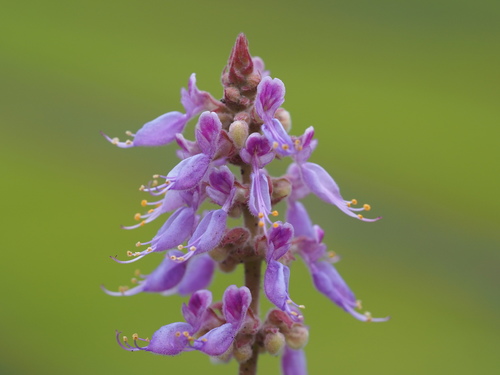
In late summer or early fall, Plectranthus neochilus produces small blue-purple flowers that attract bees and butterflies. This plant thrives in well-drained soil with partial shade but can also tolerate full sun if watered regularly during hot weather. It can be propagated through stem cuttings or by dividing its root ball in the spring when new growth appears.
Overall, Plectranthus neochilus is an easy-to-grow perennial herb that enhances any garden setting with its beauty and functionality.
Plectranthus neochilus is a robust and versatile plant that requires minimal care, making it ideal for surviving in harsh conditions. As droughts become an increasingly common issue worldwide, this plant is particularly recommended for water-efficient gardening. FUN FACT · FROM THE LIBRARY
Lobster Flower: The plant's name derives from the Greek words “plektron,” meaning spur, and “anthos,” meaning flower. It's sometimes called the spurflower due to the spur at the base of the flower. According to the South African National Biodiversity Institute (SANBI), genetic studies have shown that this plant is actually a coleus, not a plectranthus. As a result, it was reclassified into the genus Coleus in 2019.
Lobster bush is fairly disease-resistant and generally does not suffer from many ailments. That said, it can be vulnerable to pests and diseases present in its environment. These problems are typically mild. As for care, the plant requires moderate maintenance. It should be pruned regularly to preserve a tidy appearance and support healthy growth. Fertilizing can also encourage flowering. Lobster bush is appropriate for anyone with outdoor space, such as a garden or patio, and does not demand extensive gardening experience. It may need more attention when grown indoors.
How to keep Plectranthus Neochilus.
Light
Lobster bush does best in locations that receive ample sunlight throughout the day. It can also tolerate sites where the light is diffused or filtered for part of the day. Excessive sun can scorch the leaves, while too little light may impede growth.
Water
The Lobster Bush thrives in arid regions due to its high drought tolerance and preference for well-draining soil. Water it once a week, and provide occasional deep watering during the growing season to promote strong root development. As a hardy outdoor plant, it is often used as ground cover and benefits from conditions that mimic its native environment.
Temperature
Lobster bush is a plant that prefers warmer conditions, with temperatures between 68 and 100°F (20 to 38℃). It originates from areas with a similar temperature range. Care should be taken to adjust its surrounding temperatures in line with seasonal fluctuations.
Fertilizer
For Lobster bush, the primary time to fertilize is in early spring while the flowers are developing. The proper fertilizer promotes better blooms and helps the Lobster bush produce attractive flowers. Fertilizing in early spring guarantees strong flowers during the season and provides energy for dormant growth phases.
Pruning
The lobster bush benefits from regular pruning, which helps maintain its shape and promotes healthy growth. Light trimming can be used to remove dead stems, while more substantial pruning encourages bushier growth. The best time for pruning is from late winter to early spring. Making clean cuts not only enhances healing but also improves air circulation, ultimately boosting the plant's vigor.
Pot & Repot
The Lobster Bush is a fragrant, low-growing plant that requires repotting every 2 to 3 years in the spring. Use a medium-sized container with good drainage when repotting. Place the Lobster Bush in a bright location and water it only after the topsoil has dried. This will help promote healthy foliage.
Botanical profile.
- Plant Type
- Herb, Shrub
- Life Cycle
- Perennial
- Genus
- Plectranthus
- Family
- Lamiaceae
- Hardiness Zone
- 8-11
- Mature Height
- 10 cm to 91 cm
- Mature Spread
- 91 cm
- Leaf Color
- Green
- Leaf Type
- Evergreen
- Flower Color
- Lavender
- Flower Size
- 6.35 cm to 15.24 cm
- Bloom Time
- All year round
- Planting Time
- Spring
- Harvest Time
- All year round
Other names.
Reader questions.
How should I water my Lobster bush?
To properly water the Lobster bush, follow these steps for optimal plant health. Firstly, always use filtered water that is at room temperature or slightly warmer. This is because tap water may contain harmful particles. Additionally, the Lobster bush is accustomed to warm environments, so cold water can be a shock to its system. Avoid overhead watering, as it can cause problems with the foliage. Instead, apply filtered room temperature water directly to the soil until it is completely soaked. This helps to moisturize the roots and promote their spread in the soil, allowing them to collect necessary nutrients.
Why should I put fertilizer on my Lobster bush?
Fertilization is important for the Lobster bush because it provides key nutrients for the plant to grow well both above and below ground. Although the overall fertilization needs for a Lobster bush are low, annual fertilization can be highly beneficial. While the plant can survive without fertilization, annual fertilization can help keep it alive and improve the quality and longevity of the flowers. Therefore, those wanting their Lobster bush to look its best should prioritize annual fertilization.
What are the sunlight requirements for Lobster Bush?
Lobster Bush, or Plectranthus neochilus, requires full sun, which means it should receive above 6 hours of sunlight daily. It can also thrive in partial sun, getting about 3-6 hours of sunlight. It's important to monitor the movement of sunlight in your garden to ensure that your plants receive the right balance of light and shade for optimal growth, bearing in mind that overexposure may burn the leaves, while inadequate exposure could stunt the plant's growth.
What is the ideal temperature range for a Lobster bush?
The Lobster bush, also known as Plectranthus neochilus, thrives in warmer environments with ideal temperatures ranging between 68 to 100°F (20 to 38°C). It originates from regions that naturally support this temperature spectrum. It's important to monitor and adjust the surrounding temperature of the Lobster bush to match seasonal changes, ensuring the plant remains within its ideal temperature range for optimal growth.
What should I do if I give my Lobster bush too much water or not enough water?
Overwatering can cause more harm to your Lobster bush than underwatering. When the plant receives excess water, its stems and leaves may wilt and turn yellow. Over time, this can lead to diseases such as root rot, mold, and mildew, which can be fatal to the plant. The Lobster bush is relatively drought tolerant, so underwatering is less common. However, when it happens, the leaves may become brittle and brown. It's crucial to recognize the signs of overwatering early on. Some diseases, like root rot, are difficult to fix if left untreated for too long. If you notice these signs, reduce watering immediately and check the soil for proper drainage. Replace soil that doesn't drain well with a loose, well-draining potting mix. If your Lobster bush shows signs of underwatering, water more frequently until the symptoms improve.
When should I fertilize my Lobster bush?
The best time to fertilize a Lobster bush is in the late winter to early spring when it is coming out of its dormant phase and starting to grow. Fertilizing at this time promotes healthy growth and sets the plant up for a successful season. Although early spring is generally the most advantageous, it is also acceptable to fertilize in the fall. However, it is not recommended to feed the Lobster bush during the summer or winter seasons.
How does Lobster Bush react to different lighting conditions?
Lobster Bush thrives in areas where it receives generous sunlight throughout the day. It can also grow in locations where sunlight is scattered or filtered for part of the day. However, too much direct sunlight can lead to leaf burn, while not enough sunlight may stunt the plant's growth. For indoor plants, artificial lighting serves as an excellent supplement when natural sunlight is inadequate, especially during winter or in less sunny spaces. LED lights are recommended for their ability to be customized to provide specific wavelengths needed by plants. It's essential to choose the right wattage, distance, and duration of artificial light exposure to mimic natural sunlight conditions as closely as possible.
How does the Lobster bush react to cold temperatures?
Lobster bush has a moderate level of cold tolerance and generally does not require special care when the temperature stays above 0°C. However, when temperatures are expected to drop below freezing, temporary measures should be taken to protect the plant. This can include wrapping the Lobster bush with plastic film, fabric, or other protective materials to shield it from the cold. These protective measures should be removed once the temperature rises to ensure the plant's health.
How frequently should I give water to my Lobster bush?
If your Lobster bush is in a pot, the best way to check if it needs water is to stick your finger in the soil. If the top two to three inches of soil feel dry, it's time to water it. If you have your Lobster bush planted outside in the ground, you can use a similar method to check the soil. When the top few inches of soil have dried out, it's time to water. Usually, during the spring and early fall, you'll need to water this plant once a week using this method. But during very hot weather, you may need to water it twice or more per week. However, mature and well-established Lobster bushes have a good tolerance for drought.
When is the wrong time to add fertilizer to my Lobster bush?
To ensure the healthy growth of your Lobster bush, it's important to fertilize it only during late winter and early spring. This plant has low fertilization needs, so one annual feeding is enough. Overfertilizing during spring, summer, and fall can cause complications, unless you didn't fertilize in spring, then it's acceptable to feed it in fall. Also, refrain from fertilizing during winter as the Lobster bush is in a dormant growth phase and doesn't produce new growth.
What are the symptoms of incorrect lighting for Lobster Bush?
Symptoms of incorrect lighting for Lobster Bush can vary widely. In low light conditions, you might notice smaller new leaves, leggy or sparse growth, faster leaf drop, slower or halted growth, and lighter-colored or chlorotic new leaves. Conversely, excessive sunlight exposure can cause sunscald, leaf curling, wilting, leaf scorching, and chlorosis. Monitoring these signs can help in adjusting the plant's exposure to light to ensure its health and vitality.
What should I do if my Lobster bush is exposed to low temperatures?
If your Lobster bush is exposed to temperatures below its comfort zone, especially below -10°C, you might notice the leaves drooping, and in severe cases, leaves wilting and falling off. To aid recovery, you should trim the frost-damaged parts of the plant. To prevent future damage, wrap the Lobster bush with non-woven fabric or cloth, and consider setting up a wind barrier to protect it from cold winds, ensuring it can withstand cooler conditions better.