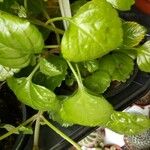
Plectranthus verticillatus
Swedish Ivy · Creeping charlie · Whorled Plectranthus · Prostrate coleus · Spur flower
Description
Source: leafsnapPlectranthus verticillatus (syn. Plectranthus nummularius), Swedish ivy, Swedish begonia or whorled plectranthus is a plant in the family Lamiaceae (Labiatae), genus Plectranthus. Despite its common name, it is not close to the ivy family of the genus Hedera.
🌳 Swedish ivy is widely valued in the horticultural field for how easily it can be propagated. The plant’s capacity to be grown from cuttings makes it a sustainable option for gardeners aiming to expand their green spaces without significant resources. This trait, combined with its attractive foliage, has resulted in its broad use as a decorative plant in gardens and homes around the world, demonstrating its appeal beyond mere aesthetics.
🎭 Fidelity
Care Guide
💧 Water Every week
Swedish ivy comes from the humid, shaded environments of southern Africa, where it flourishes in conditions similar to those found in subtropical regions. This plant prefers consistent moisture but can handle short dry periods. For best results, water it weekly to keep it well-hydrated. Maintaining adequate indoor humidity is also important for its growth, as this reflects the moist air of its natural habitat.
When Should I Water My Swedish Ivy?
Watering your Swedish Ivy is essential for its health and development, impacting its growth, vibrancy, and disease resistance. You should water the plant when the top 1 to 2 inches of soil are dry, which can be checked by inserting a finger or using a moisture meter. Other signs that indicate it's time to water include wilting or limp leaves, a significantly lighter pot than after the last watering, yellowing or browning leaves, dry and crispy leaves, and dry or shriveled roots. It's also crucial to adjust watering based on temperature and humidity, with higher temperatures and lower humidity necessitating more frequent watering. Be wary of over-watering, which can lead to root rot and other diseases, and avoid waiting too long to water, as this can cause wilting, stunted growth, or even death of the plant.
How Should I Water My Swedish Ivy?
Swedish Ivy requires careful watering to maintain optimal hydration without becoming waterlogged. Bottom-watering is an effective technique to ensure the plant receives moisture from the soil upwards, which helps prevent fungal diseases and root problems. Use a watering can with a narrow spout to direct water to the base of the plant, avoiding wet foliage. This method provides targeted hydration, minimizes risks from incorrect watering, and promotes healthy plant growth.
How Much Water Does Swedish Ivy Really Need?
The amount of water Swedish Ivy needs depends on several factors, including the pot size, root depth, and the plant size. Generally, it's advisable to water thoroughly when the top inch of the soil is dry. A mature plant in a 6-inch pot may need about 200-250 ml (7-8 oz) of water per session. Signs of proper hydration include plump and vibrant leaves. Overwatering or underwatering can lead to yellow or wilted leaves, leaf drop, and potentially root damage or diseases. Ensure the plant is potted in well-draining soil and adjust watering frequency according to changing conditions such as temperature and humidity.
What Kind of Water is Best for Swedish Ivy?
Swedish Ivy prefers rainwater or distilled water, as tap water often contains chlorine, fluoride, and other minerals that can harm the plant. If you must use tap water, let it sit for 24 hours to allow the chlorine to evaporate. The plant is sensitive to fluoride and may react negatively to heavily softened water due to its higher salt content. Using room temperature water is best, as too cold or hot water can shock the plant. Providing the right water type and temperature will help ensure the plant stays healthy and vibrant.
How Do Swedish Ivy's Watering Needs Change with the Seasons?
Swedish Ivy's watering needs vary throughout the year. In spring, increase watering frequency as the plant's growth accelerates. Summer brings higher evaporation rates, requiring the soil to be kept moist but not soggy. During autumn, as growth slows and temperatures lower, reduce watering frequency, waiting for the soil to dry out more between sessions. In winter, water sparingly, allowing the soil to dry out completely, replicating the plant's natural dormant period. Adjusting watering practices seasonally is crucial for maintaining a healthy Swedish Ivy.
☀️ Light Partial sun
Swedish ivy does best in settings with moderate sunlight and can tolerate both strong and very low light. Native to areas with variable light patterns, it is suited to a range of light intensities. Too much exposure can cause leaf scorch, while too little light can produce faded foliage and slowed growth.
What are the sunlight requirements for Swedish ivy?
Swedish ivy thrives in partial sun, requiring about 3-6 hours of sunlight daily. It can also tolerate full sun and full shade conditions, particularly in cooler weather. Full sun is defined as areas receiving over 6 hours of sunlight. It's essential to observe how sunlight moves through your garden or indoor space to choose the best spots for your plants, ensuring they receive the right balance of light and shade for optimal growth.
How does varying sunlight exposure affect Swedish ivy?
Swedish ivy adapts well to moderate sunlight exposure and can handle both intense and minimal light conditions. Originally from habitats with diverse light patterns, it's versatile in adjusting to different levels of light. However, overexposure to sunlight may cause leaf burn, while insufficient light can lead to faded leaf colors and stunted growth. Adjusting the light conditions by observing your plant's reaction to its environment is crucial for maintaining its health.
What artificial lighting requirements do indoor Swedish ivy plants have?
Indoor Swedish ivy plants require adequate lighting for optimal growth, especially in conditions where natural sunlight is insufficient, such as during winter or in less sunny indoor spaces. Using artificial lights, like LED lights which can mimic the specific wavelengths needed by the plants, is recommended. The intensity and duration of artificial light should be adjusted according to the plant's needs: full sun plants need 30-50W/sq ft, partial sun plants need 20-30W/sq ft, and full shade plants require 10-20W/sq ft. The light source should be placed 12-36 inches above the plants for about 8-12 hours per day to mimic natural daylight hours effectively.
What are some common symptoms of incorrect lighting in Swedish ivy?
Swedish ivy exhibits several symptoms when experiencing incorrect lighting conditions, including leggy or sparse growth, faster leaf drop, slower or no new growth, chlorosis (yellowing leaves), sunscald, leaf curling, wilting, and leaf scorching. These symptoms can indicate either too much or too little light exposure, affecting the plant's overall health and growth negatively. Monitoring these symptoms is crucial for diagnosing and correcting lighting issues to ensure the plant's well-being.
What solutions can address lighting issues for Swedish ivy?
To optimize Swedish ivy's growth in response to lighting issues, consider gradually moving the plant to increasingly sunnier locations each week until it receives the desired amount of sunlight (3-6 hours daily). For plants that are large or not easily movable, using a desk or ceiling lamp for at least 8 hours daily or investing in professional plant grow lights can provide additional light. Outdoors, it's vital to move plants gradually to avoid sunburn. Reducing obstructions like tree branches can also improve light exposure. For smaller plants, transplanting during their dormant period to a location with ample sunlight and good drainage can significantly benefit their growth. Remember, parts of the plant that were previously affected may not recover, but new growth should be healthy with improved light conditions.
🌡️ Temperature 20–37.8°C
The optimal temperature range for swedish ivy is 68 to 100 ℉ (20 to 38 ℃). It originates from areas with warm temperatures and high humidity, such as tropical and subtropical regions. In summer it can tolerate slightly higher temperatures, but take care not to let the soil dry out. In winter, temperatures below 50 ℉ (10 ℃) can stunt growth, so keep it in a warmer room or use a heat mat.
What is the optimal temperature range for Swedish Ivy?
Swedish Ivy thrives best in temperatures between 68 to 100°F (20 to 38°C). It originates from areas with warm temperatures and high humidity, such as tropical and subtropical regions. While it can withstand slightly higher temperatures during summer, it's crucial not to let the soil dry out completely. In winter, it is important to maintain temperatures above 50°F (10°C) to prevent stunted growth. Keeping the plant in a warm room or using a heat mat can be beneficial. It's noteworthy that Swedish Ivy is a heat-loving plant and can be harmed by cold temperatures. Therefore, during autumn, it's advisable to bring outdoor plants indoors, placing them near a bright window but away from direct heat sources to ensure they remain above 20°C during winter. Temperatures close to 5°C can be harmful to the plant.
How does Swedish Ivy react to low temperatures, and what are the solutions?
Swedish Ivy prefers warm environments and does not tolerate low temperatures well, thriving best above 20°C. During winter, it's crucial to keep the plant above 5°C to avoid damage. Exposure to temperatures below 1°C can lead to the leaves lightening in color. Following frost damage, the leaves may turn brown or black, and the plant may exhibit wilting or drooping. To address this, trim off the affected parts and move the plant to a warmer, indoor location immediately for cold protection. Placing the plant near a south-facing window ensures it receives ample sunlight. Additionally, it's important to avoid placing the plant near heaters or air conditioning vents, as this can cause the air around the plant to become excessively dry.
How should Swedish Ivy be cared for during high temperatures?
In high temperatures, particularly during the summer, it is important to ensure that Swedish Ivy is kept in conditions below 38°C. Exposure to temperatures above 43°C can cause the leaves to lighten in color and make the plant more prone to sunburn. To mitigate damage, trim away sunburned and dried parts of the plant and relocate it to a shadier spot that is protected from the midday and afternoon sun. Watering the plant in the morning and evening will help keep the soil adequately moist, further protecting it from the effects of high temperatures.
💨 Humidity normal (40-60%)
This plant will thrive in moderate humidity, which is probably the level in your home. However, misting it a few times a week can be very beneficial. Make sure the room has good ventilation.
🪴 Soil 6-7
🌱 Fertilizer
Swedish ivy needs the most fertilizer during its active growth period, which is mainly in spring, summer, and early fall. Fertilizing supplies essential nutrients that the soil might lack, supporting healthy root and stem growth and enhancing the attractive foliage that is a key characteristic of this plant.
Why should I put fertilizer on my Swedish ivy?
All plants, including the Swedish ivy, rely on soil nutrients for growth. However, the soil may not always have all the necessary nutrients. Fertilization and soil amendments help ensure that plants in your garden have both basic and specific nutrients. For Swedish ivy, fertilizer is needed to promote healthy root and stem development during the growing season. Additionally, fertilization helps the plant produce stunning leaves, which are its main ornamental feature.
What is the ideal time to add plant food to my Swedish ivy?
During its active growing seasons of spring, summer, and early fall, a Swedish ivy needs the most fertilizer. It is recommended to feed the plant every two to four weeks after winter ends until the arrival of fall. As fall approaches, gradually reduce the fertilization rate until you stop feeding the plant entirely in preparation for the winter when its growth slows down.
When is it not a good idea to put fertilizer on my Swedish ivy plant?
For most of the year, including spring, summer, and most of the fall, it's important to regularly feed your Swedish ivy. However, there are some exceptions to this. If you notice that your Swedish ivy has received too much fertilizer or if you've accidentally fertilized it incorrectly, causing fertilizer burn or other problems, you'll need to address those issues before going back to a regular feeding schedule. On the other hand, during the winter, it's best not to fertilize your Swedish ivy. If you're growing this plant indoors in a cold winter area, it will enter a dormant phase during this time. Feeding the plant during its dormant phase is unnecessary and unhelpful for its growth, and it could also easily lead to fertilizer burn.
What kind of fertilizer does my Swedish ivy require?
When fertilizing a Swedish ivy, it is important to use a specific blend of nutrients in relatively low amounts. The ideal fertilizer for this plant has an N-P-K ratio of 3-1-2. However, in some cases, a general-purpose fertilizer with an even blend of nutrients can also work well. Regardless of the type of fertilizer used, the ratio number representing the volume of each nutrient should be at 10 or lower. There are two options for fertilizer: granular or liquid-based. If you choose to go with a liquid-based fertilizer, it is recommended to dilute the strength by half. While granular fertilizer does not have many downsides, it is generally more practical to use liquid fertilizer, especially if you are simultaneously providing water to your Swedish ivy.
How should I give nutrients to my Swedish ivy?
When purchasing fertilizer for your Swedish ivy, it is important to follow the application instructions provided. In most cases, you should apply the fertilizer just before or while watering the soil to prevent root burn. If you are using a slow-release granular fertilizer, sprinkle it on the soil and water immediately after. For liquid-based fertilizer, dilute it with water, apply it to the soil, and then provide additional water. It is particularly important to dilute the fertilizer by at least half during the spring and fall when the plant's growth is increasing or decreasing.
🪴 Pot & Repot 2-3 years
Repot Swedish ivy in early spring, selecting a pot only slightly larger than the current one that has good drainage. Use a well-draining potting mix and make sure the root ball sits at the same level as before. Gently loosen any root-bound roots. After repotting, water thoroughly and place the plant in a warm, shady spot. Regular pruning keeps the plant’s size in check and encourages new growth.
✂️ Pruning
Swedish ivy is a vining plant with glossy, scalloped leaves. To maintain its bushiness and health, prune the plant from early to late spring. You can do this by pinching back new growth and removing any leggy stems. This encourages fuller foliage, improves air circulation, and promotes overall vitality, enhancing both its appearance and well-being.
🌿 Propagating
🐛 Diseases & pets
☠️ Toxicity
The Swedish Ivy is a pet-safe and non-toxic houseplant, ideal for growing in any household whether indoors or outdoors.
Characteristics
- Plant Type
- Vine, Herb
- Life Cycle
- Perennial, Annual
- Genus
- Plectranthus
- Family
- Lamiaceae
- Hardiness Zone
- 10-11
- Mature Height
- 61 cm to 91 cm
- Mature Spread
- 49 cm to 91 cm
- Leaf Color
- Green
- Leaf Type
- Evergreen
- Flower Color
- White
- Flower Size
- 1.02 cm to 2.54 cm
- Bloom Time
- All year round
- Planting Time
- Spring, Summer, Autumn, Winter
- Harvest Time
- All year round
- Native Area
- South Africa, Eswatini, Mozambique