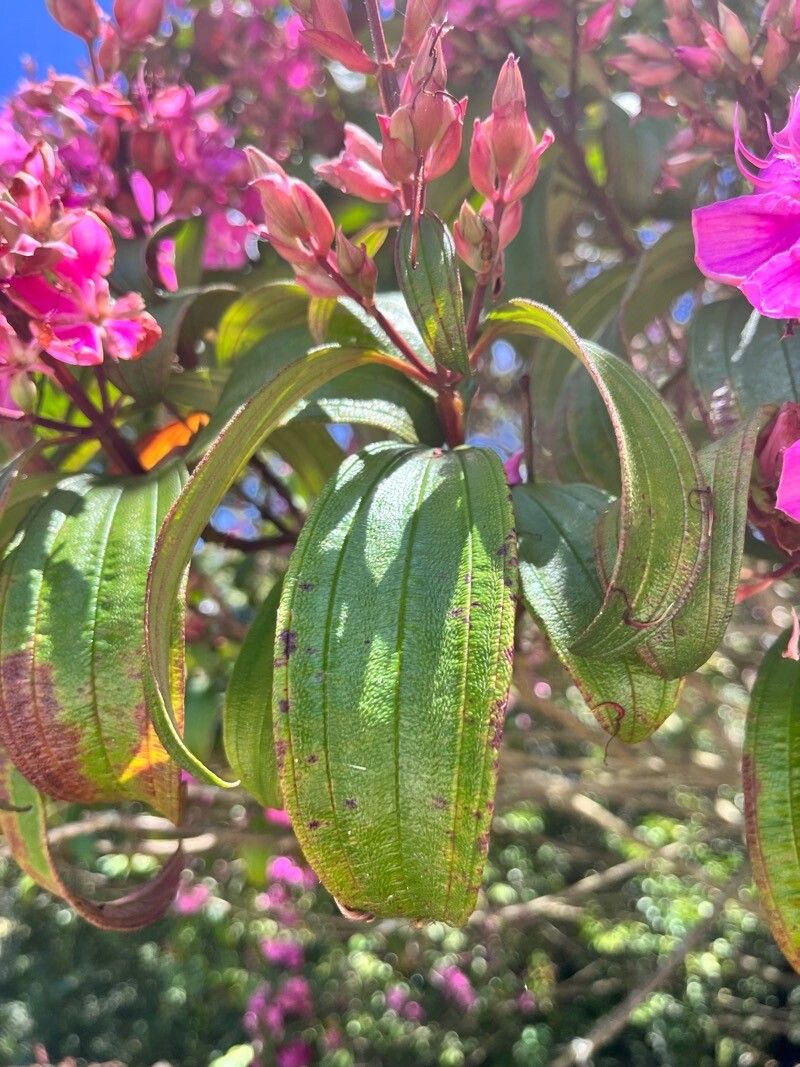
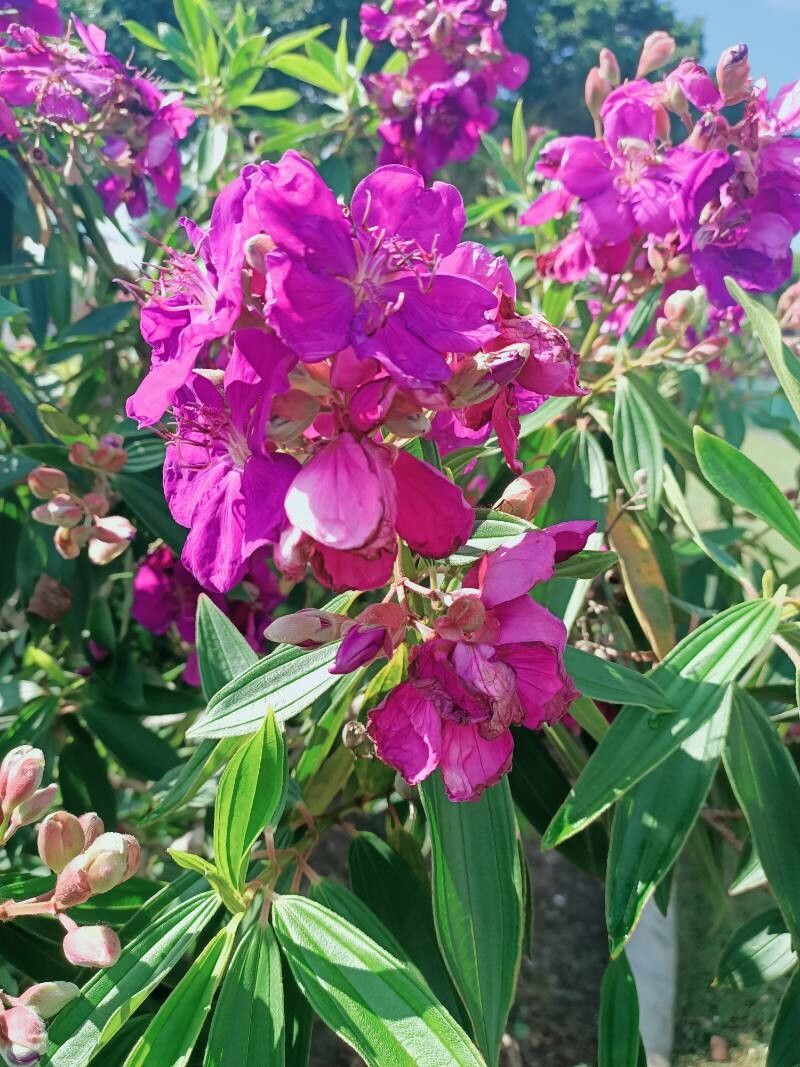
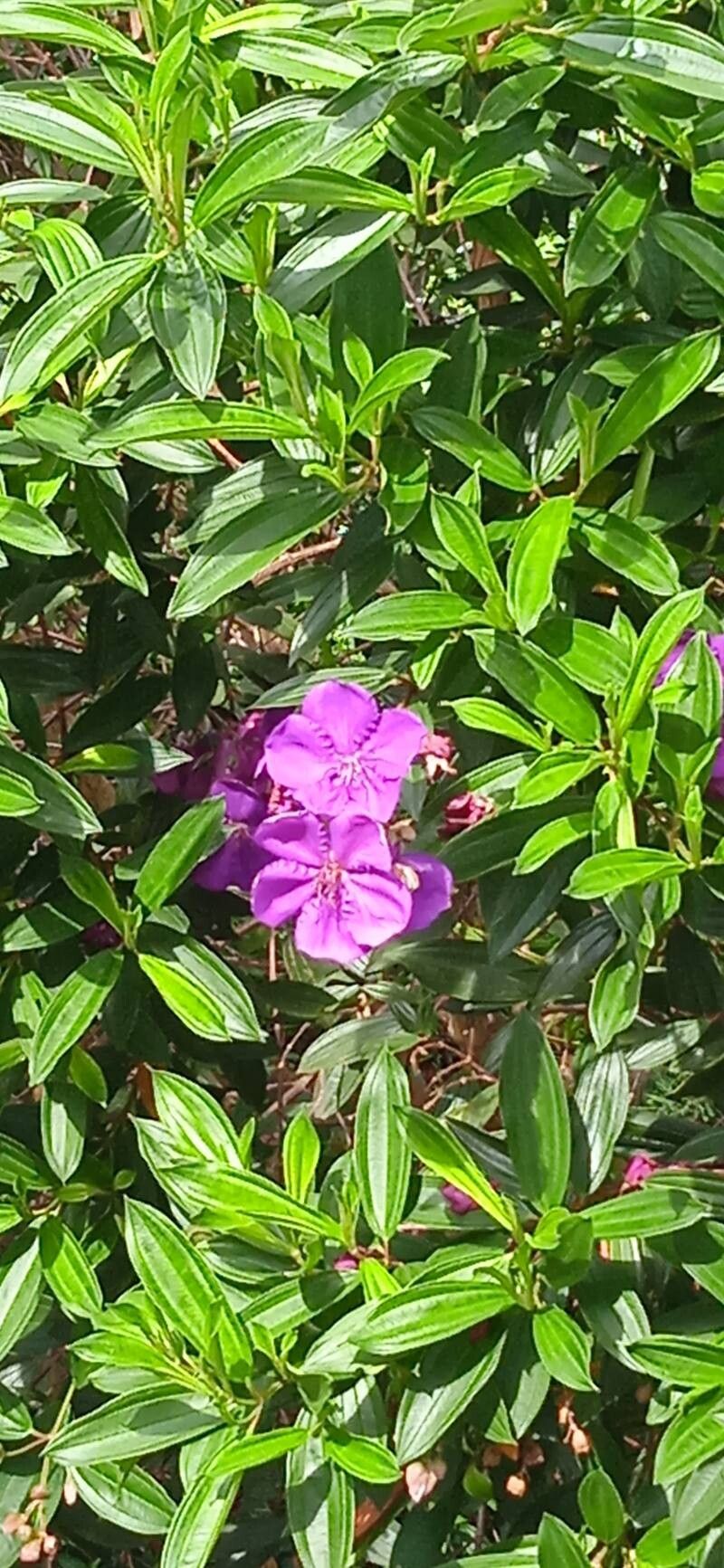
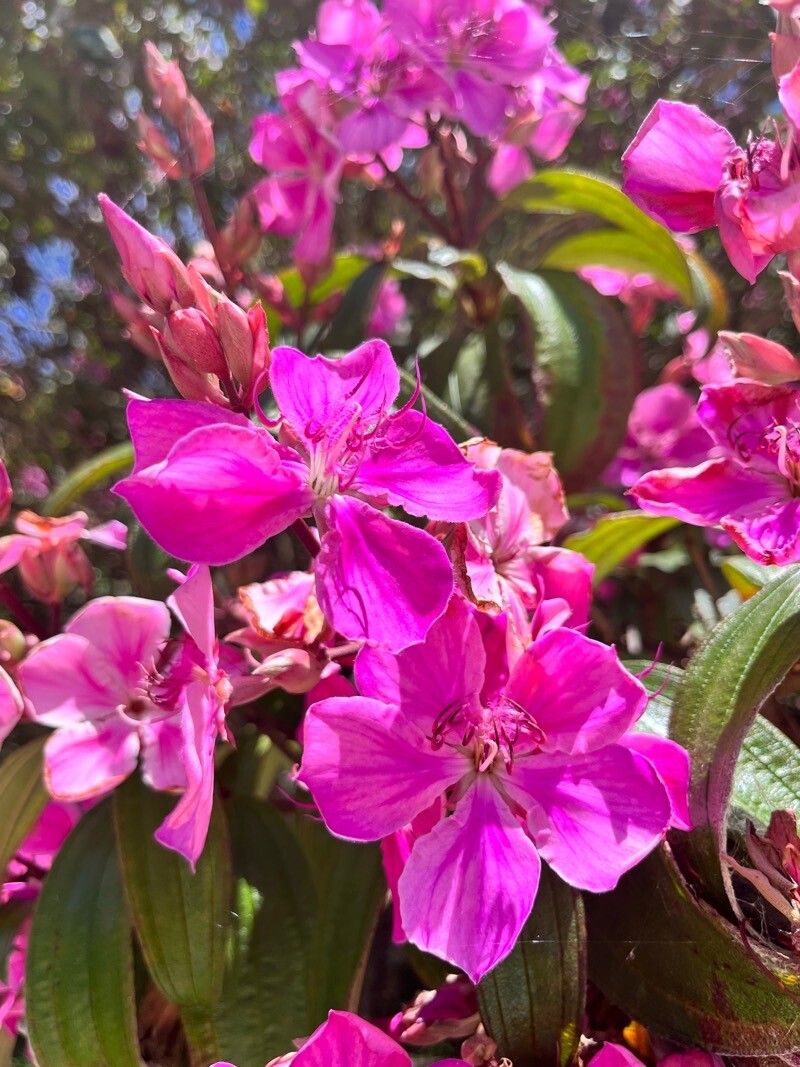
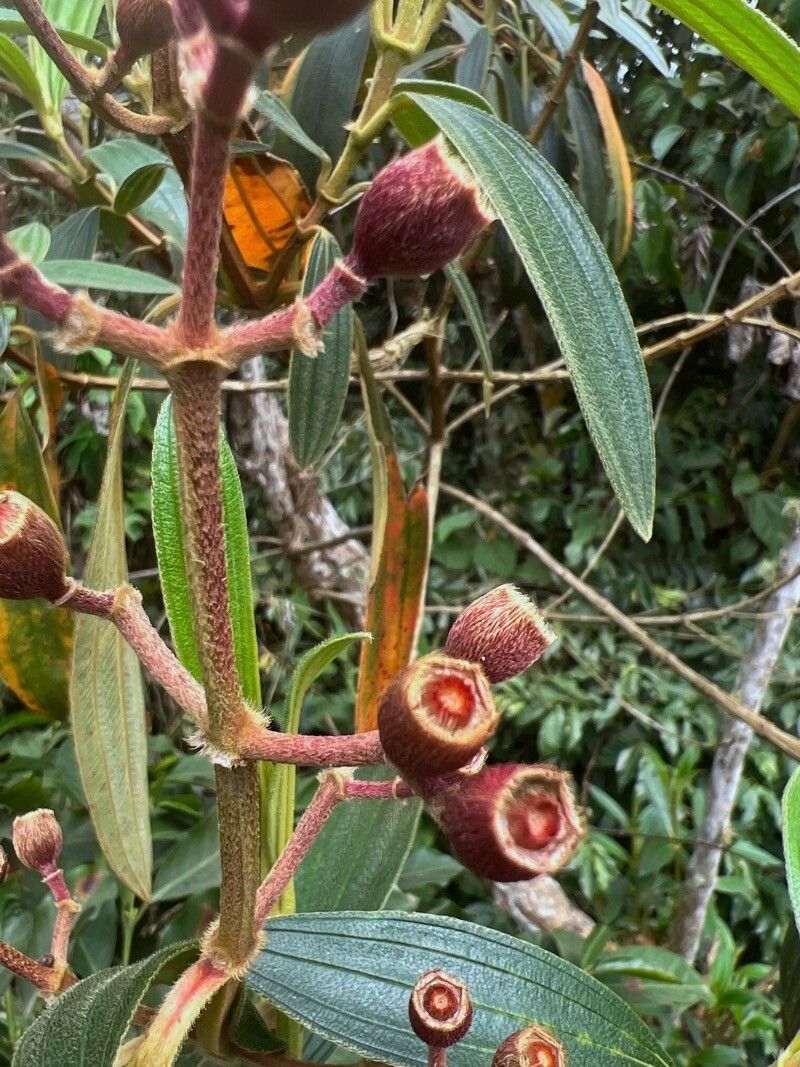
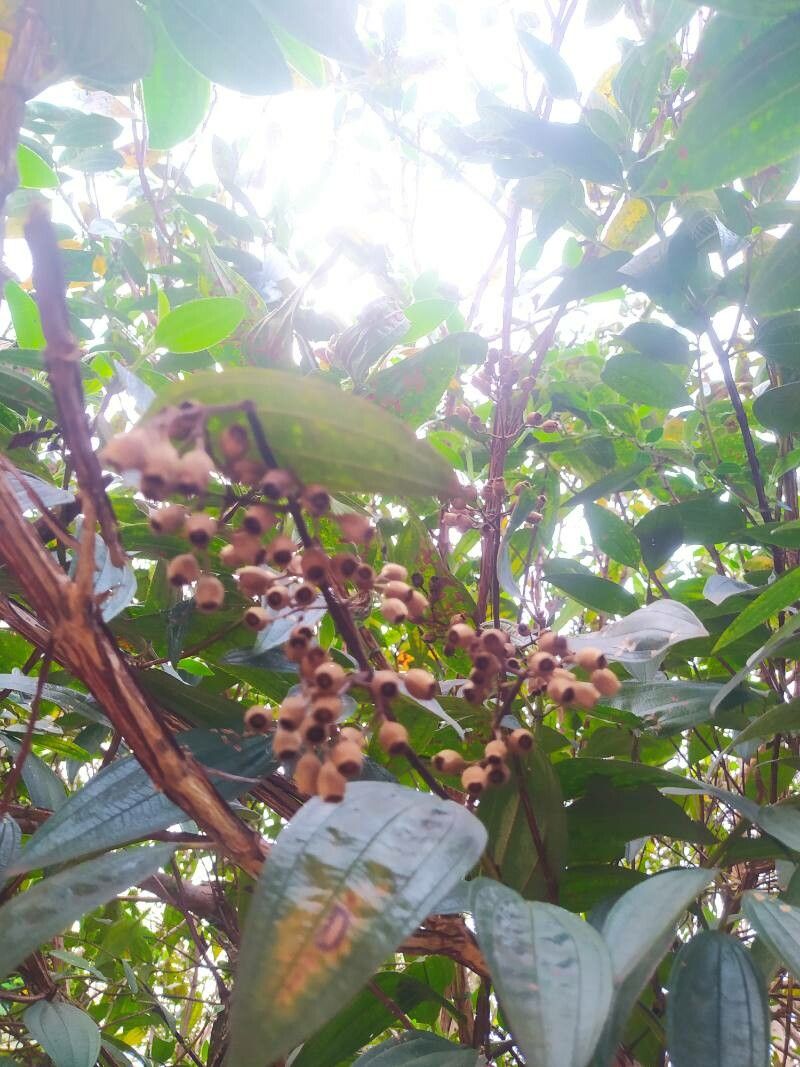
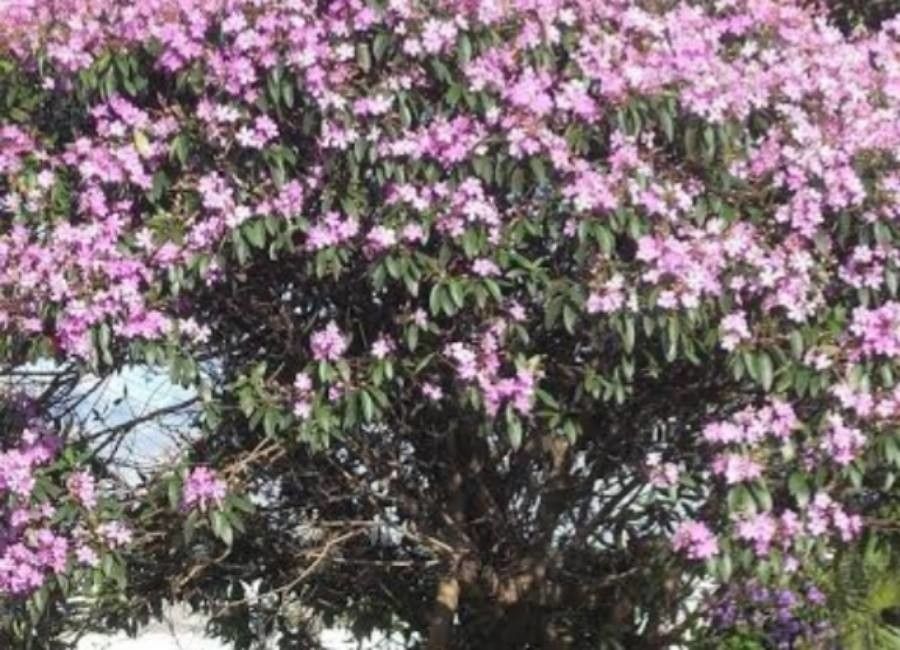
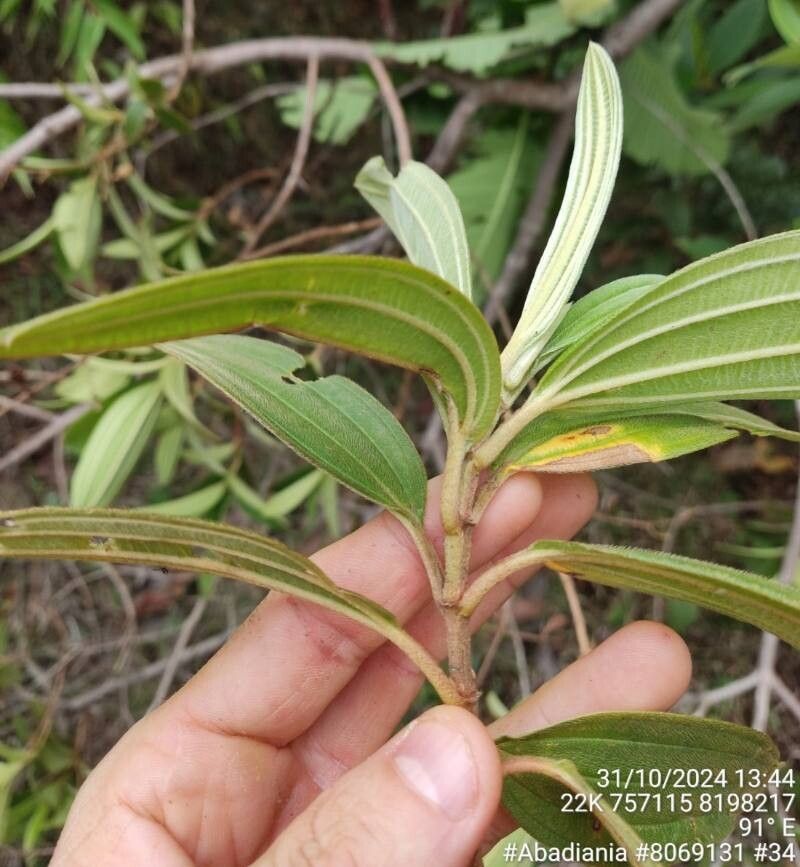
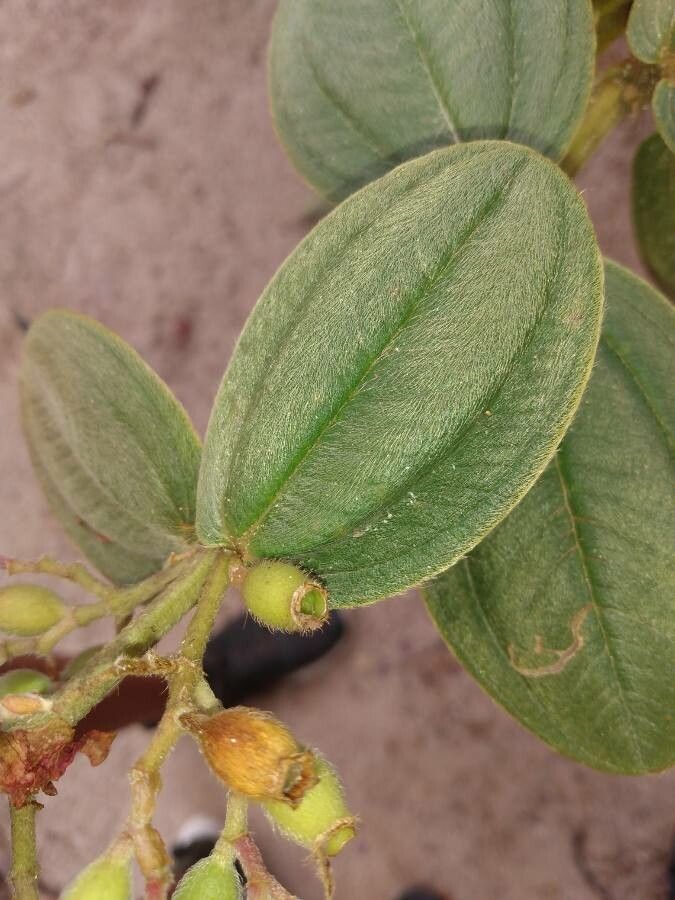
Pleroma granulosum, synonym Tibouchina granulosa, is a species of tree in the family Melastomataceae. It is also known as purple glory tree or princess flower. It is native to Bolivia and Brazil. Because its purple-flowers bloom for most of the year, this tree is often used for gardening in Brazil, where is known by the name quaresmeira.
Glory bush has strong resistance to disease and is generally unlikely to develop illnesses. In terms of upkeep, this plant is fairly low-maintenance. When grown outdoors it needs only minimal watering, and larger specimens typically do not require pruning. Smaller specimens, however, should be pruned after they finish blooming. Glory bush is suitable for anyone with an outdoor area, such as a garden or deck, and does not demand extensive care experience.
How to keep Pleroma Granulosum.
Light
The glory bush does best in places with steady sunlight, mirroring its native habitat where direct, unobstructed sun is plentiful. This encourages healthy growth, but too much or too little light can stress the plant and harm its vitality and overall condition.
Water
The glory bush thrives in environments similar to the tropics, where it requires consistent moisture and stable humidity. Water it every two weeks, ensuring that the soil remains evenly moist without becoming waterlogged. Often cultivated outdoors due to its size, the glory bush benefits from mulching to help retain moisture, especially during its vibrant flowering season.
Temperature
Glory bush grows naturally in warmer regions, with ideal temperatures for growth ranging from 68 to 100.4 °F (20 to 38 ℃). Maintaining these heat levels as seasons change is important to ensure its health and development.
Fertilizer
The best time to fertilize a Glory bush is in early spring as it breaks dormancy. This supports overall growth and flower production. Fertilizing improves the foliage, stems, and branches and encourages large, vivid, long-lasting flowers. It helps move nutrients from the roots to the blooms and enhances the plant's health and disease resistance.
Pruning
The Glory Bush, known for its vibrant purple flowers, benefits greatly from pruning during the early to late winter months. To maintain its health and shape, remove any dead wood and trim back vigorous growth to encourage a bushier, fuller appearance. Be sure to use clean, sharp tools to prevent infection. Regular pruning not only enhances blooming but also prevents the plant from becoming leggy.
Pot & Repot
The glory bush is a bushy shrub that should be repotted every 2-3 years in the spring. When repotting, use a slightly larger pot filled with well-draining soil, and place the plant in a location with indirect light. Water it sparingly until you see new growth. This will help ensure your glory bush remains healthy and flowers beautifully.
Botanical profile.
- Plant Type
- Tree, Shrub
- Life Cycle
- Perennial
- Genus
- Pleroma
- Family
- Melastomataceae
- Hardiness Zone
- 9-11
- Mature Height
- 4.57 m to 6.1 m
- Mature Spread
- 4.57 m to 6.1 m
- Leaf Color
- Green
- Leaf Type
- Evergreen
- Flower Color
- Purple
- Flower Size
- 5.08 cm to 6.35 cm
- Bloom Time
- Late spring, Early summer, Mid summer
- Planting Time
- Spring, Autumn
- Harvest Time
- Mid summer, Late summer, Early fall
- Native Area
- Brazil, Bolivia
Other names.